
Have you ever noticed the battery light glowing on your car’s dashboard and felt a surge of worry? That little warning can mean more than just a flicker—it’s your car’s way of telling you something needs immediate attention.
Ignoring it could lead to unexpected breakdowns or costly repairs. But don’t panic. This article will help you understand exactly what the battery light means, why it turns on, and what steps you should take right away to keep your car running smoothly.
Keep reading—your car’s health depends on it.
Why The Battery Light Turns On
The battery light on your car’s dashboard shows there is a problem. It means the battery is not charging properly.
Understanding why this light turns on helps you avoid bigger car troubles.
Common Causes
Several reasons can cause the battery light to turn on. Some are simple, and some need quick fixing.
- Electrical system issues
- Alternator problems
- Battery health concerns
Electrical System Issues
The battery light can come on if there is a problem with the car’s electrical system. This system powers lights, radio, and other parts.
Loose or damaged wires may cause the light to turn on. A blown fuse can also stop the system from working well.
- Loose battery cables
- Damaged wiring
- Blown fuses
- Faulty sensors
Alternator Problems
The alternator charges the battery while the engine runs. If it fails, the battery light will come on.
Common alternator issues include worn brushes, broken belts, or bad voltage regulators. These stop the alternator from working properly.
- Worn alternator brushes
- Broken or loose drive belt
- Failing voltage regulator
- Bad alternator bearings
Battery Health Concerns
A weak or old battery can cause the battery light to turn on. The battery may not hold a charge well anymore.
Corroded battery terminals or low fluid levels inside the battery also cause problems. These issues stop the battery from working correctly.
- Old or worn-out battery
- Corroded battery terminals
- Low battery fluid levels
- Battery not holding charge
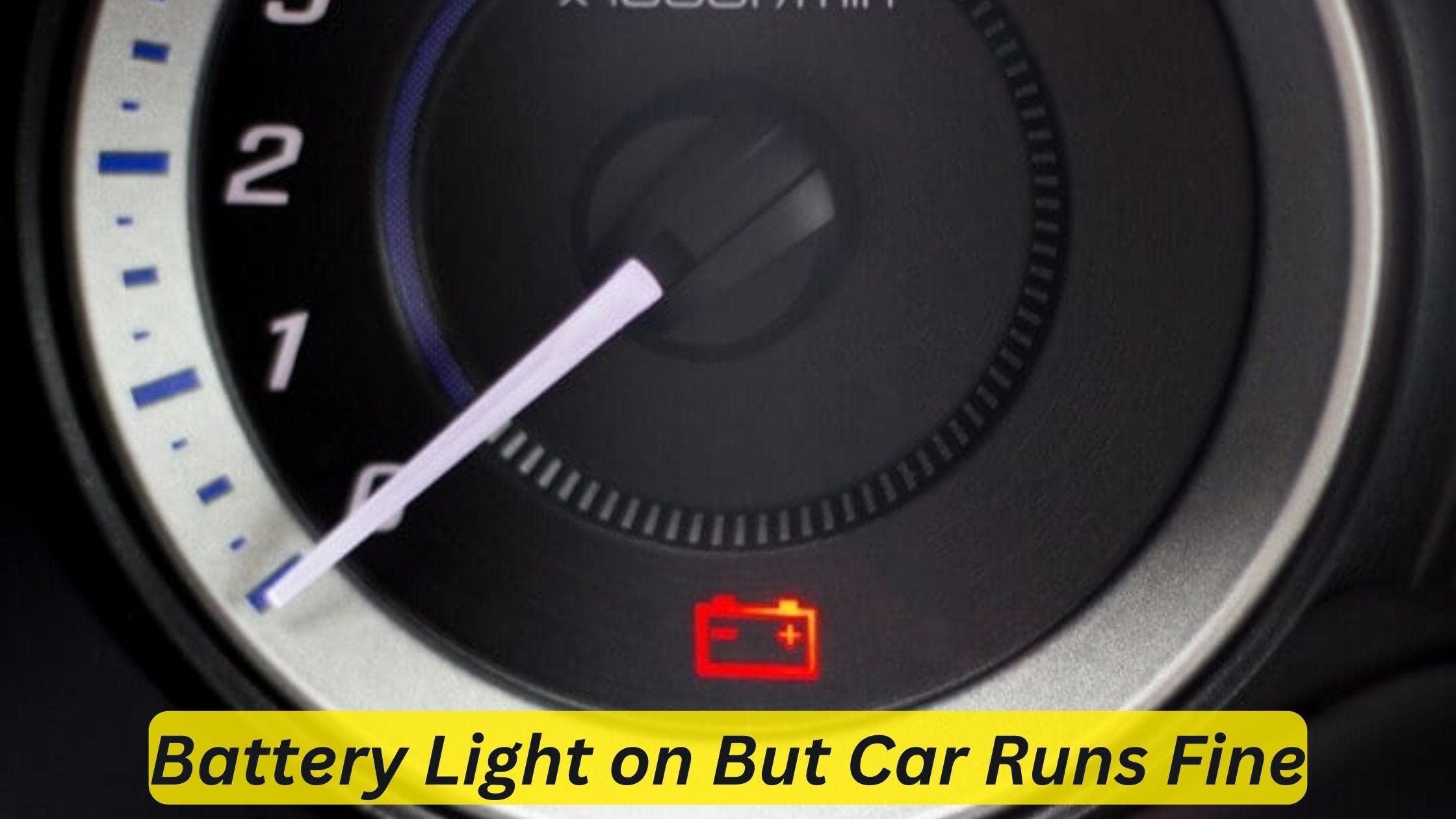
Credit: medium.com
Diagnosing The Battery Light
The battery light on your car’s dashboard warns of electrical problems. It often means the battery or charging system needs attention.
Finding the cause quickly can prevent a breakdown. Use these checks to diagnose the battery light issue.
Checking Battery Voltage
Start by measuring the battery voltage with a multimeter. A healthy battery usually reads about 12.6 volts when the engine is off.
If the voltage is below 12.4 volts, the battery may be weak or discharged. Check again with the engine running; it should read between 13.7 and 14.7 volts.
Testing The Alternator
The alternator charges the battery while the engine runs. Use a multimeter to test its output voltage at the battery terminals.
- Turn on the engine and measure voltage at battery terminals.
- Look for a reading between 13.7 and 14.7 volts.
- If voltage is lower or higher, the alternator may be faulty.
- Listen for unusual noises from the alternator.
- Check the alternator belt for tightness and wear.
Inspecting Wiring And Connections
Loose or corroded wiring can cause the battery light to turn on. Check all cable connections at the battery and alternator.
| Location | What to Check | Signs of Problem |
| Battery terminals | Tight and clean connections | Corrosion, looseness |
| Alternator wiring | Secure and intact wires | Frayed wires, loose plugs |
| Ground wires | Proper grounding to chassis | Rust or poor contact |
Using Diagnostic Tools
Use an OBD-II scanner to read fault codes from your car’s computer. This can identify electrical system issues.
Common OBD-II codes related to charging system problems include:
- P0562: System Voltage Low
- P0563: System Voltage High
- P0621: Generator Lamp Control Circuit
How To Fix Battery Light Issues
The battery light on your car’s dashboard shows there is a problem. It means the battery is not charging well. This can cause your car to stop running.
Fixing the battery light can be simple. You need to check the battery, alternator, and connections. This guide will help you understand what to do.
Replacing The Battery
If the battery is old or dead, the light will stay on. You can replace the battery yourself if you know how. Make sure to buy the right size and type for your car.
Before removing the battery, turn off the car and wear safety gloves. Disconnect the negative cable first, then the positive. Remove the battery and place the new one in its spot.
- Check the battery age and condition
- Buy a battery that fits your car model
- Disconnect negative cable first
- Connect positive cable last
- Secure the battery properly
Repairing Or Replacing The Alternator
The alternator charges the battery while the engine runs. If it fails, the battery light will turn on. You may hear strange noises or see dim lights.
Test the alternator with a multimeter. If it is bad, you need to repair or replace it. Replacing the alternator usually requires some mechanical skills and tools.
- Check for loose belts around the alternator
- Test voltage output with a multimeter
- Replace the alternator if voltage is low
- Tighten or replace worn belts
Fixing Loose Or Corroded Connections
Loose or corroded battery cables can cause the battery light to come on. Check the cable ends for dirt, rust, or looseness. Clean or tighten them as needed.
Use a wire brush to clean the corrosion. Apply a small amount of petroleum jelly to prevent future corrosion. Make sure cables are tight but not too tight.
- Inspect battery terminals for corrosion
- Clean terminals with a wire brush
- Apply petroleum jelly to terminals
- Tighten cable clamps securely
When To Seek Professional Help
If you cannot find the problem or fix the battery light, see a mechanic. Electrical issues can be complex and need special tools. A professional can diagnose and repair safely.
Call for help if you notice strange smells, smoke, or the car stops running suddenly. These signs show a serious electrical problem that needs fast attention.

Credit: m.youtube.com
Preventing Battery Light Problems
The battery light on your car dashboard warns you of electrical issues. It signals when the battery or charging system needs attention. Catching these problems early can save you from getting stuck.
Preventing battery light problems means regular care. This guide covers simple steps to keep your battery and electrical system healthy.
Regular Battery Maintenance
Check your battery often for corrosion and clean the terminals. A dirty battery can cause poor connections and trigger the battery light.
- Inspect battery terminals monthly
- Clean corrosion with a baking soda solution
- Make sure battery is securely mounted
- Check battery fluid levels if applicable
- Test battery voltage regularly
Keeping Electrical System In Check
The battery works with the alternator and wiring. These parts must function well to avoid battery light warnings.
| Component | What to Check | How Often |
| Alternator | Output voltage and belt tension | Every 6 months |
| Wiring | Look for frays and loose connections | Every 3 months |
| Fuses | Check for blown fuses | During battery checkups |
Tips For Extending Battery Life
Simple habits can help your car battery last longer. Avoiding strain on the battery is key.
- Turn off all lights and electronics before shutting the car off
- Limit short trips that prevent full battery charging
- Keep battery terminals tight and clean
- Park in shaded or cool areas to avoid heat damage
- Use a battery maintainer if the car is unused for weeks
Monitoring Dashboard Indicators
Watch your dashboard lights closely. The battery light is one of several signals about your car’s health.
Here are common dashboard lights related to the battery system:
- Battery Light:Battery or charging system issue
- Check Engine Light:Possible electrical faults affecting battery
- ABS Light:May indicate electrical sensor problems
Emergency Steps When Battery Light Comes On
The battery light on your car’s dashboard signals a problem with the charging system.
It is important to act quickly to avoid breakdowns or damage to your vehicle.
Safe Driving Tips
If the battery light comes on while driving, keep calm and focus on safety.
- Turn off any non-essential electrical devices like radio and air conditioning.
- Reduce your speed and avoid heavy acceleration or hard braking.
- Look for a safe place to pull over or stop.
- Do not turn off the engine until you are safely parked, as this may prevent restarting.
Avoiding Getting Stranded
Prevent battery light emergencies by regular car maintenance.
| Maintenance Task | Recommended Interval |
| Check battery terminals for corrosion | Every 3 months |
| Test battery charge and alternator output | Every 6 months |
| Replace battery if older than 3-5 years | As needed |
| Inspect belts and wiring | Every oil change |
Immediate Actions To Take
When the battery light turns on, follow these steps to protect your car.
- Turn off all accessories to reduce battery drain.
- Drive straight to a mechanic or safe location if possible.
- If the car stalls, try to restart it quickly and pull over.
- Call roadside assistance if you cannot continue driving safely.
- Avoid using electrical features like power windows or headlights unless necessary.

Credit: www.msn.com
Frequently Asked Questions
What Does The Battery Light On My Car Mean?
The battery light indicates an issue with the charging system. It means the alternator may not be charging the battery properly. Immediate attention is needed to avoid battery drain and car breakdown.
Why Is My Car Battery Light Flashing?
A flashing battery light often signals a loose or damaged alternator belt. It may also mean electrical system problems. Check the belt tension and wiring to prevent further damage.
Can A Bad Alternator Cause The Battery Light?
Yes, a failing alternator is a common cause of the battery light. It can’t recharge the battery efficiently, causing the light to illuminate. Replacing the alternator usually resolves the issue.
Is It Safe To Drive With The Battery Light On?
Driving with the battery light on is risky. It may cause the car to stall once the battery drains. Seek immediate repair to avoid being stranded.
Conclusion
A battery light on your car signals a problem with the electrical system. Ignoring it can lead to a dead battery or car breakdown. Check the battery, alternator, and connections regularly to avoid trouble. Acting quickly can save you time and money.
Stay alert to your car’s signals for safer driving. Keep your vehicle in good shape for peace of mind on the road.







