
Thinking about giving your car a fresh new look? You’re probably wondering, “How much will it actually cost to paint my car?” Whether you want to cover up scratches, change your car’s color, or just make it shine like new, knowing the average cost to paint a car can save you time and money.
You’ll discover the key factors that affect the price and learn how to get the best value for your investment. Keep reading, and you’ll be ready to make the smartest choice for your car and your budget.
Factors Influencing Paint Cost
Painting a car can vary in price due to many factors. Knowing what affects the cost helps you plan your budget.
This guide covers key factors like car size, paint quality, labor, and preparation needs.
Car Size And Type
Bigger cars need more paint and time to finish. This makes the cost higher than small cars.
Different types of cars, like sedans or trucks, also change the price. Trucks and SUVs usually cost more.
Paint Quality And Type
Paint comes in many types and qualities. High-quality paint lasts longer but costs more.
- Basic enamel paint is cheaper but less durable
- Urethane paint is common and offers good durability
- Metallic or pearl finishes cost extra for a shiny look
- Specialty paints like matte or custom colors add to the price
Labor Charges
Labor is a big part of the total cost. Skilled workers charge more but deliver better results.
Workshops in cities often charge higher rates than those in rural areas.
| Location | Average Labor Cost per Hour |
| Urban Area | $50 – $100 |
| Suburban Area | $40 – $70 |
| Rural Area | $30 – $60 |
Preparation And Repair Needs
Cars with dents, rust, or old paint need extra work before painting. This raises the price.
Common preparation tasks include:
- Sanding down old paint
- Fixing dents and scratches
- Removing rust spots
- Applying primer coats
Common Paint Options
Painting a car can change its look and protect its surface. Different paint types cost different amounts. Choosing the right paint is important for your budget.
This guide explains common paint options and their costs. Learn about standard paint, metallic and pearl finishes, and matte or custom paints.
Standard Paint
Standard paint is the most basic and affordable option. It uses solid colors without special effects. This paint covers the car evenly.
It is easy to repair and maintain. Standard paint costs less because it needs fewer layers and less time to apply.
Metallic And Pearl Finishes
Metallic paint has tiny metal flakes that reflect light. This makes the car shine more under the sun. Pearl finishes add a soft glow using special pigments.
These finishes cost more than standard paint. They need more layers and careful application to look good. The shiny effect lasts longer with good care.
- Metallic paint shows tiny metal flakes
- Pearl paint creates a glowing effect
- Both cost more than standard paint
- Require more skill to apply well
Matte And Custom Paints
Matte paint has no shine and a flat finish. It gives a unique look but is harder to clean. Custom paints include special designs or colors made for you.
These paints are the most expensive. They take extra time and care during application. Custom work may include multiple colors or patterns.
- Matte paint has a flat, no-shine finish
- Custom paints include special designs
- Both cost more due to complexity
- Require expert skill and more time
Cost Breakdown By Paint Quality
Painting a car costs different amounts based on the paint quality used. You can choose from budget, mid-range, or premium paint jobs. Each level has different prices and results.
Understanding the cost breakdown helps you pick the right option for your car and budget. Let’s look at what each paint quality includes.
Budget Paint Jobs
Budget paint jobs are the cheapest option. They use basic paint and simple techniques. This option is good for older cars or small touch-ups.
The finish may not last long and can fade quicker. It usually takes less time to complete, so labor costs are low.
- Basic enamel or lacquer paint
- Minimal surface preparation
- Single-stage paint application
- Less durable finish
- Cost range: $300 to $900
Mid-range Paint Jobs
Mid-range paint jobs use better paint types and more detailed work. They offer good color matching and a smoother finish.
This option is common for daily drivers. It balances cost and quality well. The paint lasts longer and looks nicer than budget options.
- Urethane or base coat/clear coat paint
- Better surface cleaning and sanding
- Multiple paint layers for depth
- Improved durability and shine
- Cost range: $1,000 to $3,500
Premium Paint Jobs
Premium paint jobs use top-quality paints and expert techniques. They include custom colors and flawless finishes.
This option is for show cars and collectors. It takes more time and skill, so labor costs are higher. The results last many years with proper care.
- High-end urethane or ceramic paints
- Extensive surface prep and repairs
- Multiple clear coats for protection
- Custom color matching and effects
- Cost range: $4,000 to $10,000+
Diy Vs Professional Painting
Painting a car can change how it looks and protect its surface. You can paint your car yourself or hire a professional. Each choice has different costs and results.
Knowing the pros and cons of DIY painting and when to choose a professional helps you make the best decision for your car and budget.
Pros And Cons Of Diy
Painting your car yourself saves money and gives you control. You can work on your schedule. But it takes time and skill to get a good finish.
DIY painting can lead to mistakes that are hard to fix. You need proper tools and a clean place. The cost of supplies can add up.
- Pros:
- Lower cost than professionals
- Flexibility in timing
- Learn new skills
- Cons:
- Requires special tools and space
- Time-consuming process
- Risk of poor finish or errors
- Supplies can be costly
When To Choose Professionals
Professionals offer quality work and faster results. They have experience to fix dents and prepare the car properly. Their paint jobs last longer.
Choose professionals if you want a perfect look or your car has damage. Their work costs more but saves time and stress. They use better tools and paint.
- Car has dents or rust
- Need a smooth, even finish
- Want long-lasting paint
- Prefer quick, expert work
- Don’t have tools or space
Additional Expenses To Consider
Painting a car costs more than just the paint itself. Many extra steps add to the final price.
Knowing these costs helps you plan your budget better. This guide covers key extra expenses.
Surface Preparation Costs
Surface preparation is important before painting. It ensures the paint sticks well and looks smooth.
- Sanding the car to remove old paint and rust
- Repairing dents and scratches
- Cleaning the surface to remove dirt and grease
- Applying primer to help paint adhere
Clear Coat And Protective Layers
Clear coats protect the paint and add shine. They increase the car’s resistance to weather and scratches.
| Type | Description | Approximate Cost |
| Standard Clear Coat | Basic protection and gloss | $100 – $300 |
| Premium Clear Coat | Extra durability and shine | $300 – $600 |
| Matte Finish Coat | Non-glossy protective layer | $200 – $400 |
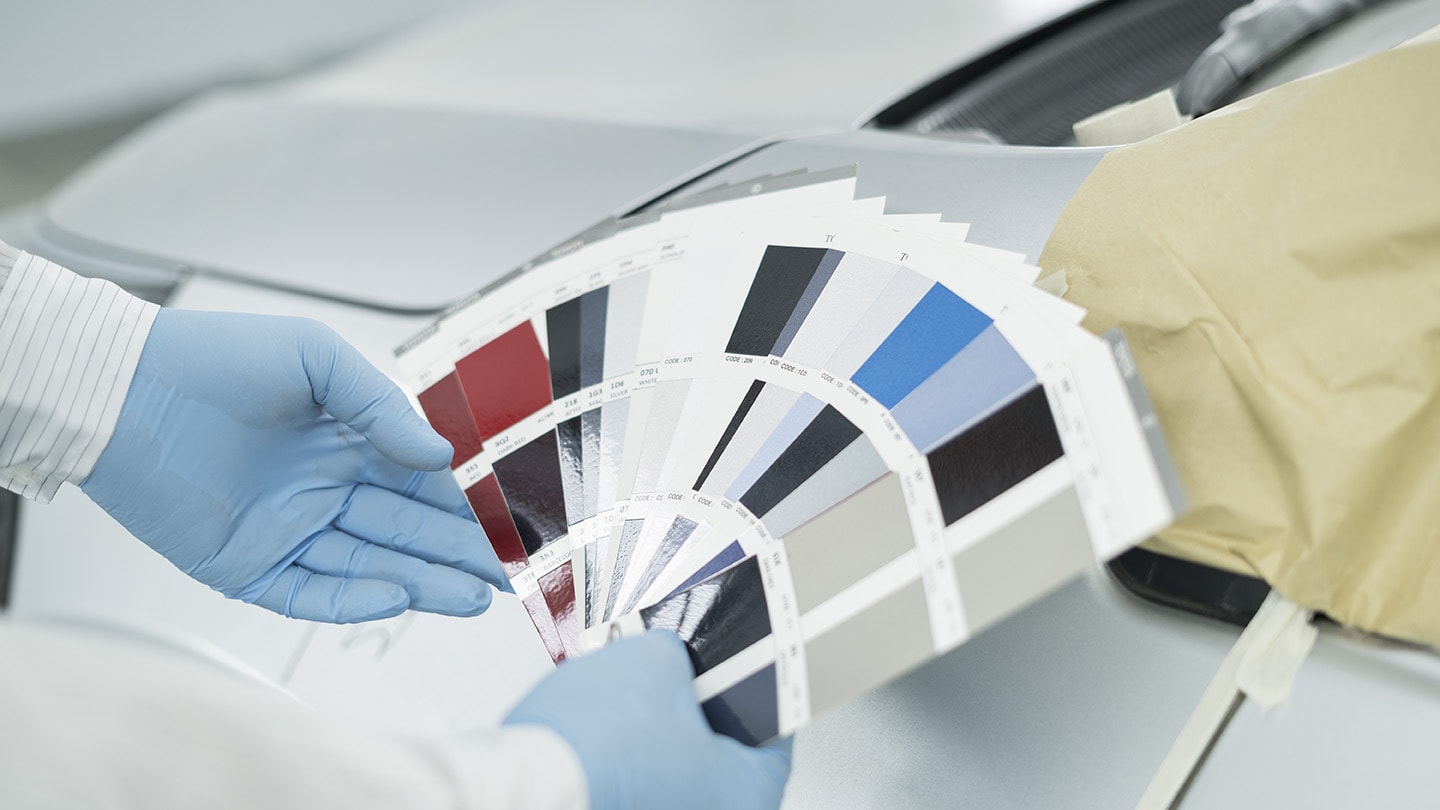
Color Matching And Customization
Matching the original color costs more if the paint is rare or old. Custom colors or designs add to the price.
Common color matching expenses include:
- Mixing special paint formulas
- Testing samples for exact color match
- Adding custom designs or decals
Credit: www.chase.com
Tips To Save On Painting Costs
Painting a car can be expensive. There are ways to save money. Consider these tips for reducing costs.
Being smart about choices can lead to big savings. Let’s explore some helpful strategies.
Choosing The Right Shop
Pick a shop with good reviews. Check for customer satisfaction. A trusted shop may charge less for quality work.
Visit a few shops before deciding. Compare prices and services. This helps in finding the best deal.
- Ask for recommendations from friends and family
- Look for shops with experience in car painting
- Check online reviews for honest feedback
Timing Your Paint Job
Timing affects the cost of painting. Busy times might mean higher prices. Choose off-peak seasons for better deals.
Winter is often slower for car shops. Consider scheduling your paint job during this time for discounts.
- Avoid peak seasons like summer
- Check for seasonal discounts
- Book appointments in advance
Negotiating Prices
Always try to negotiate the price. Many shops are open to offers. Being polite and reasonable can help in getting a discount.
Ask about any ongoing promotions. Some shops might have deals you can take advantage of. Bundling services can also lower costs.
- Get multiple quotes to compare
- Be clear about your budget with the shop
- Ask for discounts on additional services
Maintaining Your Car’s Paint
Keeping your car’s paint looking new is important for its appearance and value. Proper maintenance can extend the life of the paint and protect your car from damage.
Regular care helps prevent fading, scratches, and rust. Here are some key practices to maintain your car’s paint.
Regular Cleaning
Washing your car regularly removes dirt and grime that can damage the paint. Use a gentle car shampoo and soft cloth or sponge.
- Rinse the car to remove loose dirt.
- Apply car shampoo with a soft sponge.
- Rinse thoroughly and dry with a microfiber towel.
Waxing And Polishing
Waxing adds a protective layer to your car’s paint, guarding it against UV rays and contaminants. Polishing helps restore shine and smoothness.
Use quality products and follow instructions for best results. Apply wax every few months for optimal protection.
Touch-ups And Repairs
Small chips and scratches can lead to bigger problems if not fixed. Touch up paint can cover minor imperfections.
| Task | Frequency |
| Regular Washing | Weekly |
| Waxing | Every 3 months |
| Touch-ups | As needed |

Credit: www.reddit.com
Credit: carsmechinery.com
Frequently Asked Questions
What Is The Average Cost To Paint A Car?
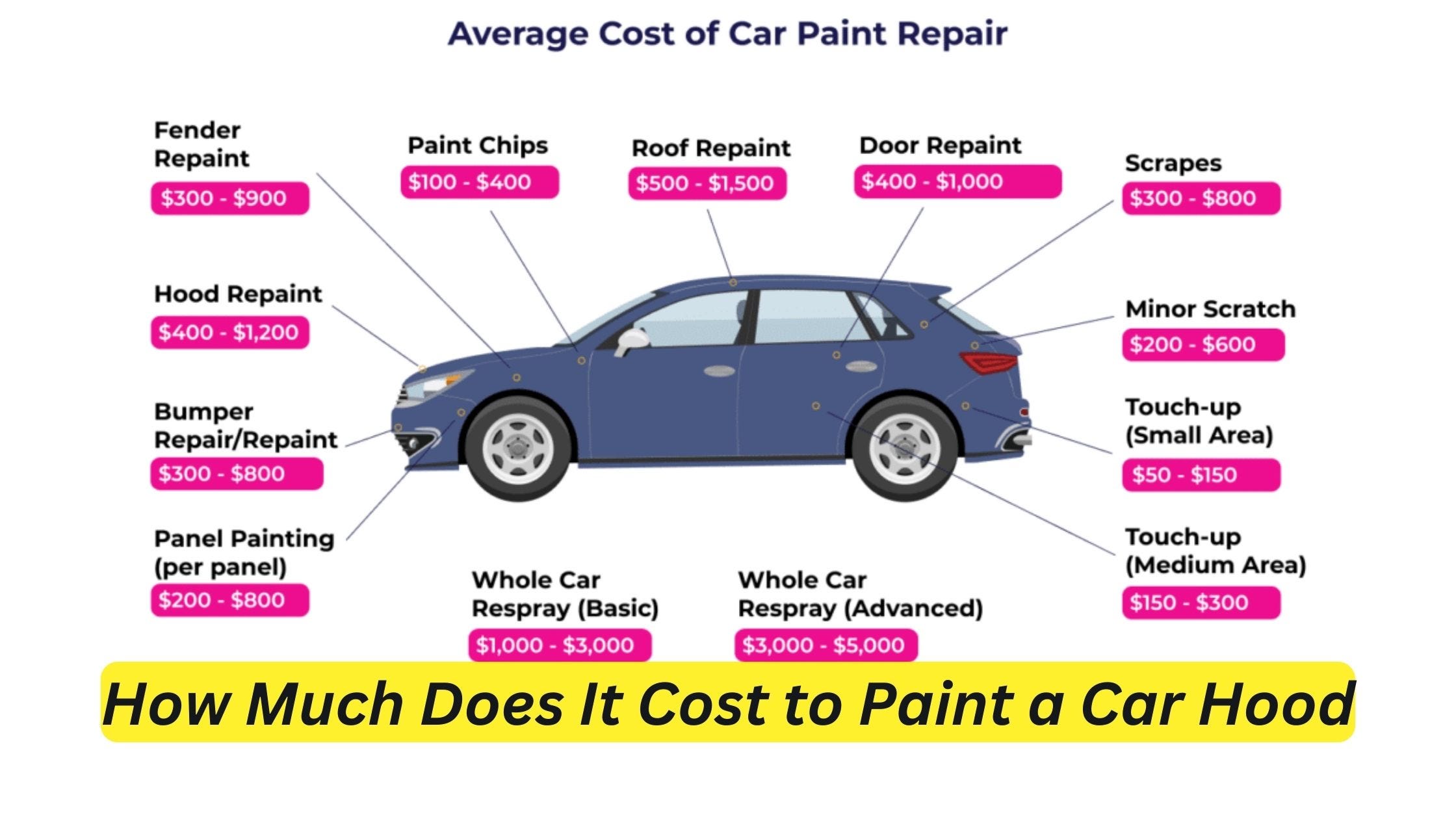
The average cost to paint a car ranges from $500 to $3,500. Factors like paint quality, car size, and labor influence the price.
How Does Paint Type Affect Car Painting Cost?
Premium paints like metallic or pearlescent cost more. Basic enamel paint is cheaper but less durable and less glossy.
Does Car Size Impact The Painting Price?
Yes, larger cars need more paint and labor, increasing the cost. Compact cars generally cost less to paint than SUVs or trucks.
How Long Does A Car Painting Job Take?
A typical car paint job takes 2 to 5 days. Time depends on prep work, paint type, and drying processes.
Conclusion
Painting a car can vary in cost based on many factors. The type of paint, size of the car, and labor all affect the price. Knowing these details helps plan your budget well. Choosing the right paint job can also improve your car’s look and value.
Take your time to compare quotes from different shops. This way, you get the best price for good quality work. A fresh paint job can make your car feel new again. Keep these points in mind to make a smart decision.







