
Are you wondering if using a radar detector in Kansas is allowed? You’re not alone.
Many drivers want to stay alert and avoid speeding tickets but don’t know the rules. Understanding the laws about radar detectors can save you from costly fines or legal trouble. Keep reading to find out exactly what Kansas law says and how it affects your driving.
This information could protect your wallet and keep your driving record clean.
Radar Detector Laws In Kansas
Radar detectors help drivers detect speed monitoring devices. Many wonder if these devices are legal in Kansas. This guide explains the rules about radar detectors in the state.
Understanding the laws can help you avoid fines or legal trouble. Below, we cover Kansas laws and how they compare to federal rules.
Current Legal Status
Radar detectors are legal to use in private vehicles in Kansas. The state does not ban drivers from owning or operating these devices. This means you can buy and use a radar detector without breaking state law.
- Use is allowed in personal cars and trucks.
- Radar detectors are illegal in commercial vehicles over 10,000 pounds.
- Police officers in Kansas are allowed to use radar guns to check speed.
- Using a radar detector does not protect you from speeding tickets.
State Vs. Federal Regulations
Federal law sets rules for radar detector use in commercial vehicles. Kansas follows these rules along with its own laws. This can cause some confusion for drivers.
| Vehicle Type | Radar Detector Legality in Kansas | Federal Law |
| Private passenger vehicles | Legal to use | No restriction |
| Commercial vehicles over 10,000 lbs | Illegal to use | Illegal to use |
| Emergency vehicles | Not applicable | Not applicable |

Credit: www.vortexradar.com
How Radar Detectors Work
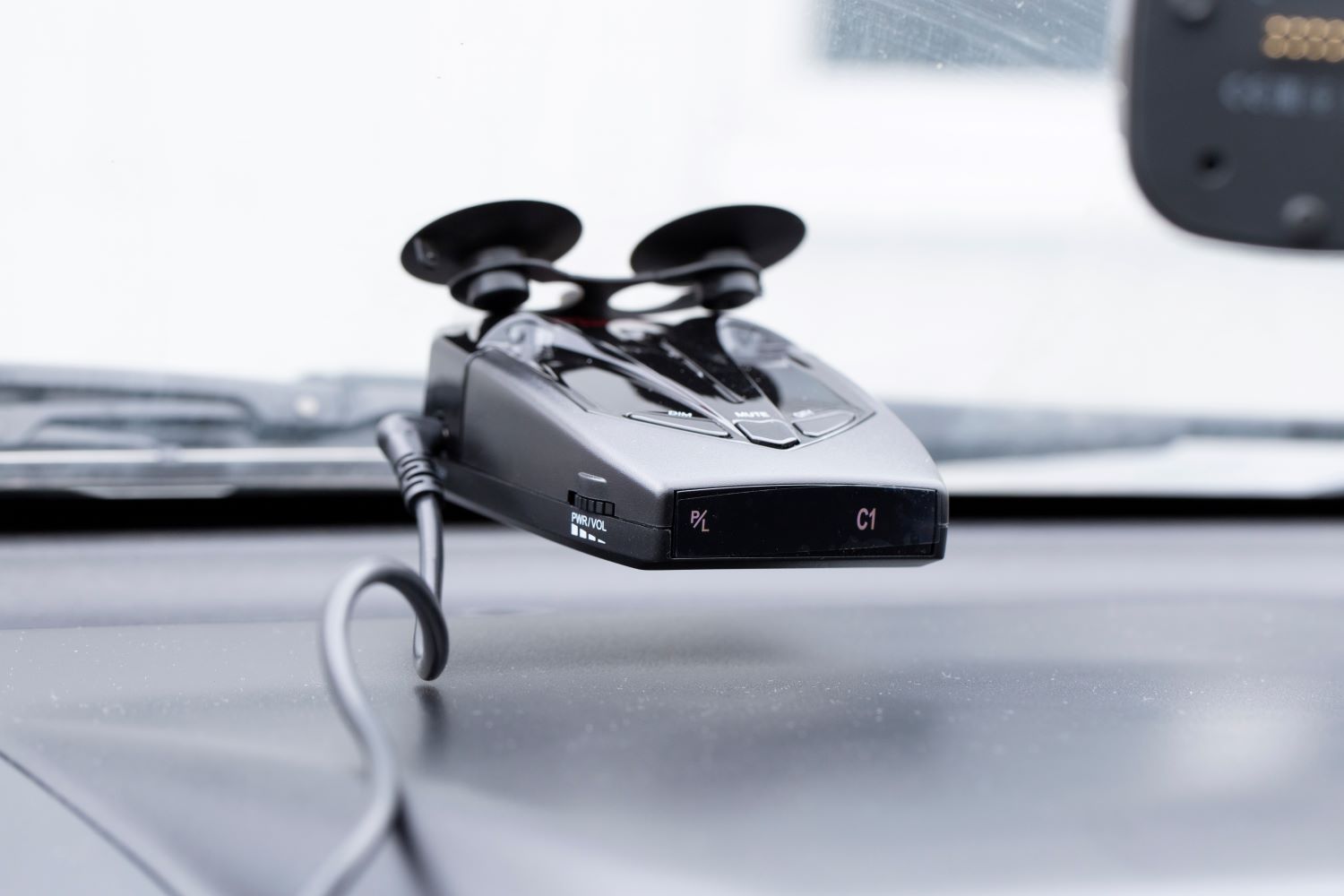
Radar detectors help drivers find radar signals used by police to check speed. They warn the driver about nearby radar guns.
These devices use special technology to catch radar waves. This lets drivers slow down before getting a ticket.
Basic Technology
Radar detectors have a sensor that picks up radio waves from police radar guns. The sensor looks for specific radar frequencies.
The device then alerts the driver with sounds or lights. This gives the driver time to reduce speed safely.
- Radar guns send out radio waves to measure speed
- Detectors catch these waves before they reach the car
- They identify the radar signal’s frequency and strength
- Alerts notify the driver about the radar presence
Common Features
Most radar detectors come with useful features to improve detection and reduce false alarms. These features help drivers stay alert.
Some detectors can also detect laser speed guns. They may include GPS to remember safe locations and warn about red lights or speed cameras.
- Voice alerts for hands-free warnings
- Mute buttons to silence alerts temporarily
- GPS memory to reduce false alarms in known areas
- Detection of radar and laser signals
- Display screens showing signal strength and type
Penalties For Using Radar Detectors
Radar detectors help drivers find speed traps. In Kansas, their use has legal limits. It is important to know the penalties if caught using one.
This section explains fines and consequences. It also covers how the law is enforced in Kansas.
Fines And Consequences
Using radar detectors in Kansas can lead to fines. The exact amount can vary. Repeat offenses may bring higher penalties.
- First offense may result in a fine up to $100
- Second offense could lead to fines up to $250
- Multiple offenses might include court appearances
- Confiscation of the radar detector device is possible
Enforcement Practices
Police officers check for radar detectors during traffic stops. They may look for unusual devices in the vehicle. Officers also use hidden speed traps.
| Enforcement Method | Description | Possible Outcome |
| Visual Inspection | Officers look inside the vehicle for devices | Fine or device confiscation |
| Speed Traps | Hidden police vehicles monitor speed | Ticket for speeding, plus radar detector penalty |
| Traffic Stops | Random checks during routine stops | Warning or citation for radar detector use |

Credit: autos.yahoo.com
Alternatives To Radar Detectors
Radar detectors are not always legal or the best choice for drivers. In Kansas, there are other ways to stay aware of speed limits and avoid speeding tickets. These options help you drive safely without breaking any laws.
Using technology and good driving habits can be effective alternatives to radar detectors. These methods focus on keeping you informed and alert on the road.
Speed Monitoring Apps
Speed monitoring apps use your phone’s GPS to track your speed. They warn you if you go over the speed limit. These apps do not detect radar but help you watch your speed carefully.
Many apps also show areas where police often monitor speeds. This helps you stay cautious in those zones. Some apps provide alerts about traffic and road conditions.
- Tracks real-time speed with GPS
- Alerts for speed limits and changes
- Notifies about common speed trap locations
- Provides traffic and road updates
Safe Driving Tips
Safe driving is the best way to avoid tickets and stay legal. Following speed limits and paying attention to road signs keep you safe. It also helps you save money on fines and insurance.
Practice these simple tips to improve your driving habits. Being alert and patient reduces the risk of accidents and speeding tickets.
- Always follow posted speed limits
- Use cruise control on highways
- Watch for changes in speed zones
- Avoid distractions like phones or loud music
- Leave enough distance between cars
Tips For Responsible Use
Radar detectors are popular devices for drivers in Kansas. They help notice speed monitoring devices nearby. Using them responsibly is important to stay safe and legal.
This guide shares tips for using radar detectors the right way. Follow these to avoid trouble and drive safely.
Legal Precautions
Radar detectors are legal for private vehicles in Kansas. But some rules apply to their use. Commercial vehicles over 10,000 pounds cannot use them.
Always check local laws before using a radar detector. Laws can change and may differ in nearby states. Using a radar detector where it is banned can lead to fines or penalties.
- Use radar detectors only in allowed vehicles
- Do not use radar jammers; they are illegal
- Check laws regularly for updates
- Keep the device out of sight when not in use
Avoiding Misuse
Radar detectors help alert you to speed checks, but they are not a license to speed. Always follow the posted speed limits and drive safely.
Using a radar detector to drive recklessly or avoid law enforcement can cause accidents or legal trouble. Use the device to stay aware, not to break rules.
- Do not rely only on the detector for safe driving
- Keep your focus on the road at all times
- Do not disable your detector in restricted zones
- Respect traffic laws to protect yourself and others
Credit: www.carparts.com
Frequently Asked Questions
Are Radar Detectors Legal To Use In Kansas?
Yes, radar detectors are legal for use in private vehicles in Kansas. There are no state laws prohibiting their use by passenger cars.
Can Commercial Vehicles Use Radar Detectors In Kansas?
No, commercial vehicles over 10,000 pounds are prohibited from using radar detectors in Kansas. Federal regulations restrict their use in such vehicles.
Are There Any Penalties For Using Radar Detectors In Kansas?
There are no specific penalties for using radar detectors in Kansas for private vehicles. However, misuse or obstruction of law enforcement may result in fines.
Do Kansas Police Use Radar Detectors To Catch Speeders?
Kansas police use radar and laser speed detection devices to enforce speed limits. Radar detectors do not prevent speeding tickets if you violate traffic laws.
Conclusion
Radar detectors are legal to use in Kansas for private vehicles. Drivers should still check local laws before using them. Police officers may still use radar to enforce speed limits. Using a detector does not guarantee avoiding tickets. Always drive safely and follow speed limits.
Staying informed helps prevent fines and keeps roads safer. Choose to drive responsibly and avoid unnecessary risks. Safety matters more than any device.







