
Are you wondering if using a radar detector is allowed where you drive? You’re not alone.
Many drivers want to know if these devices are legal before deciding to buy one. The rules can be confusing, and breaking them could lead to fines or worse. You’ll get clear answers about radar detector laws, what you need to watch out for, and how to stay on the right side of the law.
Keep reading to protect yourself and make smart choices on the road.
Radar Detectors And The Law
Radar detectors are devices that alert drivers about speed detection systems. Many people use them to avoid speeding tickets.
The legal status of radar detectors varies widely. It depends on the country and sometimes on regional laws.
Legal Status By Country
Some countries allow radar detectors for personal use. Others ban them completely or limit their use.
- In the United States, radar detectors are mostly legal for private vehicles.
- In Canada, radar detectors are illegal in some provinces like Ontario and Quebec.
- European countries often ban radar detectors, especially in Germany and France.
- Australia restricts radar detectors in most states.
- In Japan, radar detectors are illegal to use or carry.
Federal Vs. State Regulations
In some countries, federal laws set the general rules. States or provinces may add their own rules about radar detectors.
In the US, federal law allows radar detectors in private vehicles. But some states have restrictions for commercial vehicles or use of laser jammers.
| Region | Radar Detector Use | Notes |
|---|---|---|
| United States (Federal) | Legal in private cars | Illegal in commercial trucks over 10,000 lbs |
| Virginia | Illegal for all vehicles | Strict enforcement |
| Washington D.C. | Illegal for all vehicles | Radar detectors banned |
| California | Legal in private vehicles | No state restrictions |
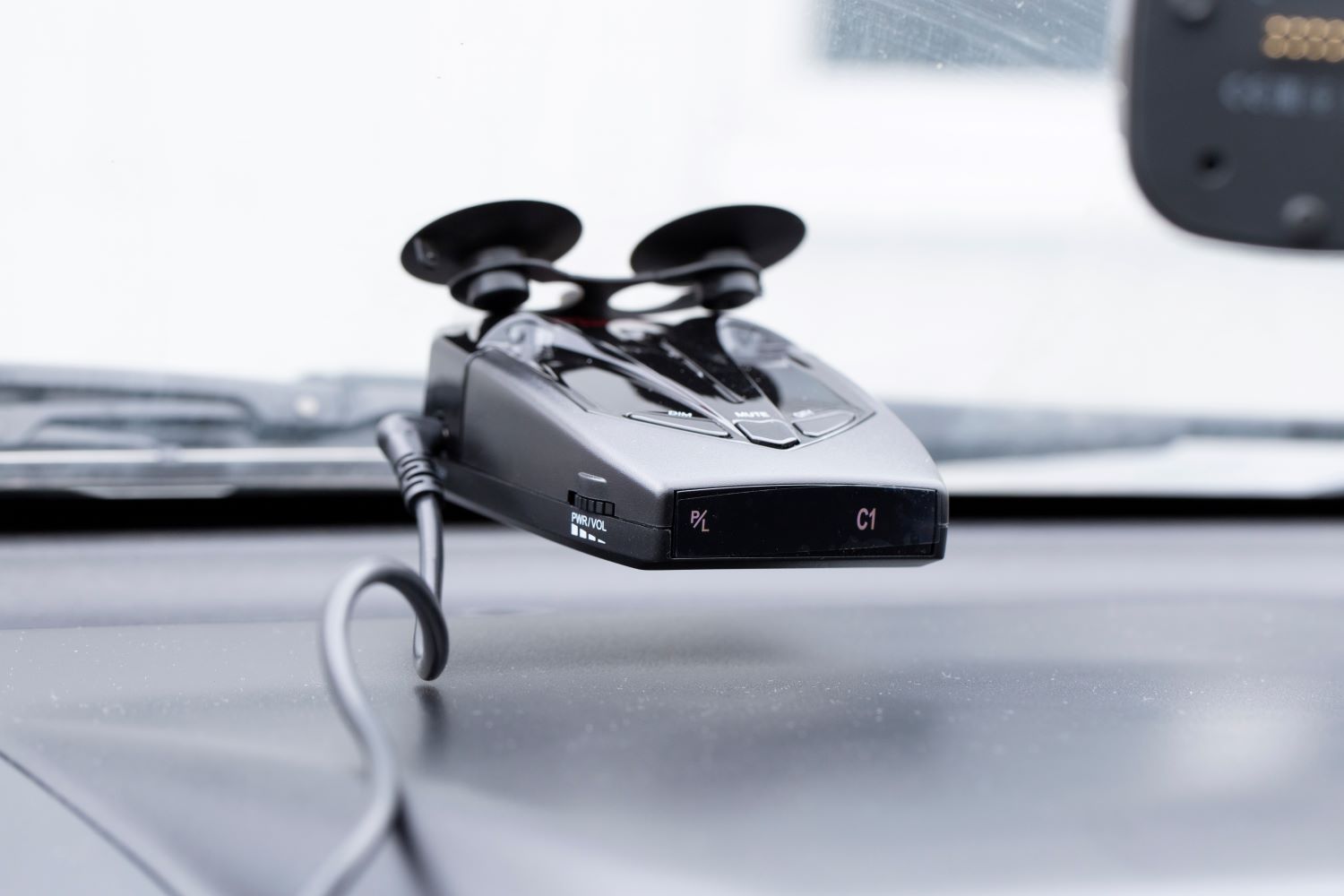
Credit: www.carparts.com
Common Restrictions On Radar Detectors
Radar detectors help drivers find police radar signals. Many places have rules about using them. These rules vary by vehicle type and location.
Knowing where and how you can use radar detectors is important. Breaking the law can lead to fines or other penalties.
Vehicle Types And Radar Detector Use
Radar detector laws often depend on the type of vehicle. Some rules apply only to passenger cars. Others include commercial vehicles and trucks.
For example, radar detectors are usually legal in private cars. But they are often banned in commercial trucks over a certain weight. This is to ensure safety and fair road use.
- Passenger cars: Radar detectors are mostly legal.
- Commercial trucks: Often banned, especially over 10,000 pounds.
- Emergency vehicles: Radar detectors are usually not allowed.
Locations Where Detectors Are Banned
Some states and countries ban radar detectors completely. These laws protect law enforcement and promote safe driving.
Bans are common in places with strict traffic enforcement. Airports and military bases also often forbid radar detectors inside their areas.
- Virginia: Radar detectors are illegal in all vehicles.
- Washington D.C.: Use of radar detectors is banned.
- Canada: Banned in most provinces except Quebec and British Columbia.
- Commercial zones and government property: Often restricted.
Penalties For Illegal Use
Radar detectors can help drivers avoid speeding tickets. Yet, using them illegally brings penalties. It is important to know what happens if caught.
Penalties vary by place but often include fines and other serious consequences. Drivers should understand these rules to avoid trouble.
Fines And Tickets
Using a radar detector where it is banned can lead to fines. Police may give tickets that add points to your license. This can increase your insurance costs.
- Fines range from $100 to over $500 depending on the state or country.
- Some places add points to your driving record.
- Repeat offenders can face higher fines and harsher penalties.
- Tickets may require court appearances.
Vehicle Impoundment Risks
In some areas, police can impound your vehicle if they find an illegal radar detector. This penalty is more severe and costly.
| Offense | Possible Penalty | Notes |
| First-time illegal use | Fine up to $500 | Ticket issued |
| Possession in banned area | Vehicle impoundment | May last days or weeks |
| Repeat violation | Higher fines and impoundment | Possible court hearing |

Credit: en.wikipedia.org
How Radar Detectors Work
Radar detectors help drivers know if police use radar to check speed. They scan for radar signals from police radar guns.
The device alerts drivers when it finds radar signals nearby. This gives drivers time to slow down and avoid speeding tickets.
Detecting Police Radar Signals
Radar detectors pick up radio waves sent by police radar guns. These waves bounce off cars and return to the radar gun.
The detector senses these waves and warns the driver with lights or sounds. It works best with common radar bands police use.
- X band: Oldest and least used radar frequency
- K band: Most common band for police radar
- Ka band: Newer and harder to detect radar signals
Limitations And False Alarms
Radar detectors can give false alarms from other devices. Automatic doors and traffic sensors often cause this problem.
They may not detect all police radar signals. Some radar guns use laser or newer technology that detectors cannot sense.
- False alarms from non-police radar sources
- Limited detection of laser speed guns
- Reduced effectiveness in heavy traffic or bad weather
Alternatives To Radar Detectors
Radar detectors are not legal everywhere. Some places ban their use on public roads. Drivers need other ways to avoid speeding tickets.
There are tools and habits that help drivers stay safe and avoid fines. These options work within the law and promote better driving.
Speed Apps And Gps Alerts
Speed apps use your phone’s GPS to track how fast you drive. They warn you about speed limits and police checkpoints nearby.
These apps often include alerts for speed cameras and red light cameras. You get real-time updates from other drivers on the road.
- Shows current speed compared to the limit
- Alerts for speed traps and cameras ahead
- Community reports on police presence
- Works legally as it only provides information
Driving Habits To Avoid Tickets
Good driving habits reduce the chance of getting a ticket. Staying calm and focused helps you follow speed limits.
Check your speed often and avoid sudden moves. Leave plenty of space between your car and others on the road.
- Use cruise control to maintain steady speed
- Watch speed limit signs carefully
- Drive defensively and watch for changes in traffic
- Plan routes to avoid speeding zones
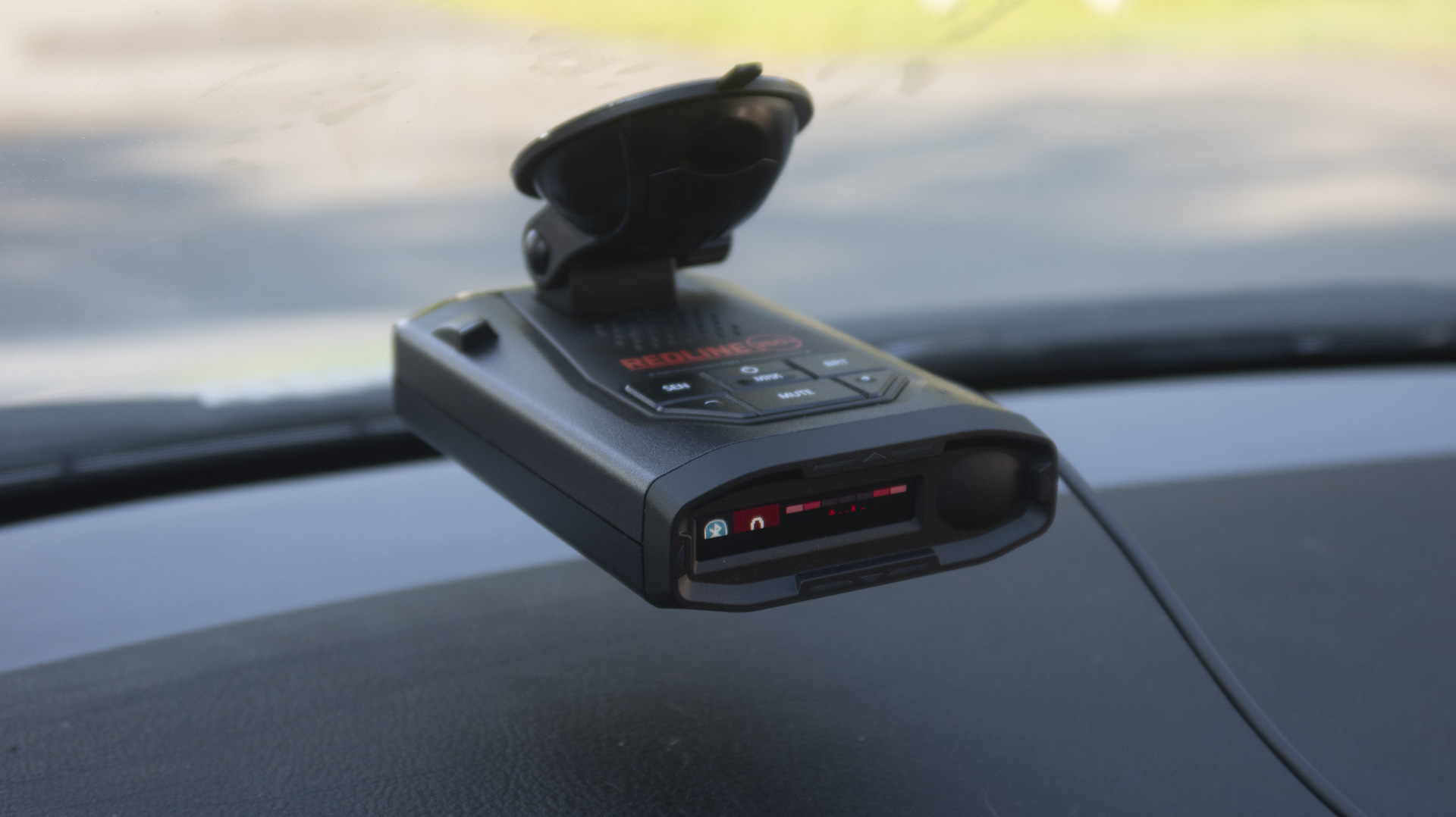
Credit: www.thedrive.com
Tips For Using Radar Detectors Legally
Radar detectors help drivers monitor speed. They alert you to radar guns used by police.
Using them legally can avoid fines. Understand the rules to keep yourself safe.
Checking Local Laws Regularly
Each state has different laws about radar detectors. Check local laws before using one.
- Visit your state’s Department of Motor Vehicles website.
- Read up on laws about radar detector use.
- Stay updated on any changes in legislation.
Proper Installation And Use
Proper installation ensures your radar detector works well. Follow these tips for best results.
- Mount the detector on your windshield.
- Position it level and facing the road.
- Avoid placing it behind tinted windows.
- Regularly test its functionality.
Frequently Asked Questions
Are Radar Detectors Legal In All States?
Radar detector legality varies by state. Some states allow them, while others ban their use. Check local laws before using one to avoid fines or penalties.
Can Police Detect If I Use A Radar Detector?
Yes, some police use radar detector detectors (RDDs). These devices can identify radar detectors, especially in states where they are illegal. Use caution and know your area’s regulations.
Are Radar Detectors Allowed In Commercial Vehicles?
Federal law bans radar detectors in commercial vehicles over 10,000 pounds nationwide. Personal vehicles are subject to state laws. Always verify regulations for your vehicle type.
Do Radar Detectors Work Against All Speed Detection Methods?
Radar detectors primarily detect radar signals but may not detect laser (LIDAR) speed guns. Some advanced detectors offer laser detection, but effectiveness varies. Stay alert and drive safely.
Conclusion
Radar detector laws vary by location, so always check local rules. Some states allow them, while others ban or restrict their use. Using a radar detector illegally can lead to fines or penalties. Knowing the law helps you avoid trouble on the road.
Choose your device wisely and stay informed. Drive safely and respect traffic regulations to keep everyone protected. Stay alert and use technology responsibly.







