
Are you curious whether using a radar detector in California could land you in trouble? You might think having one gives you an edge on the road, but is it really legal to use?
Before you invest in a radar detector or turn it on during your next drive, it’s crucial to know the rules that apply specifically in California. This article will clear up the confusion and help you avoid costly fines or legal issues.
Keep reading to find out what the law says and how it affects your driving experience.
Credit: www.carparts.com
Radar Detector Laws In California
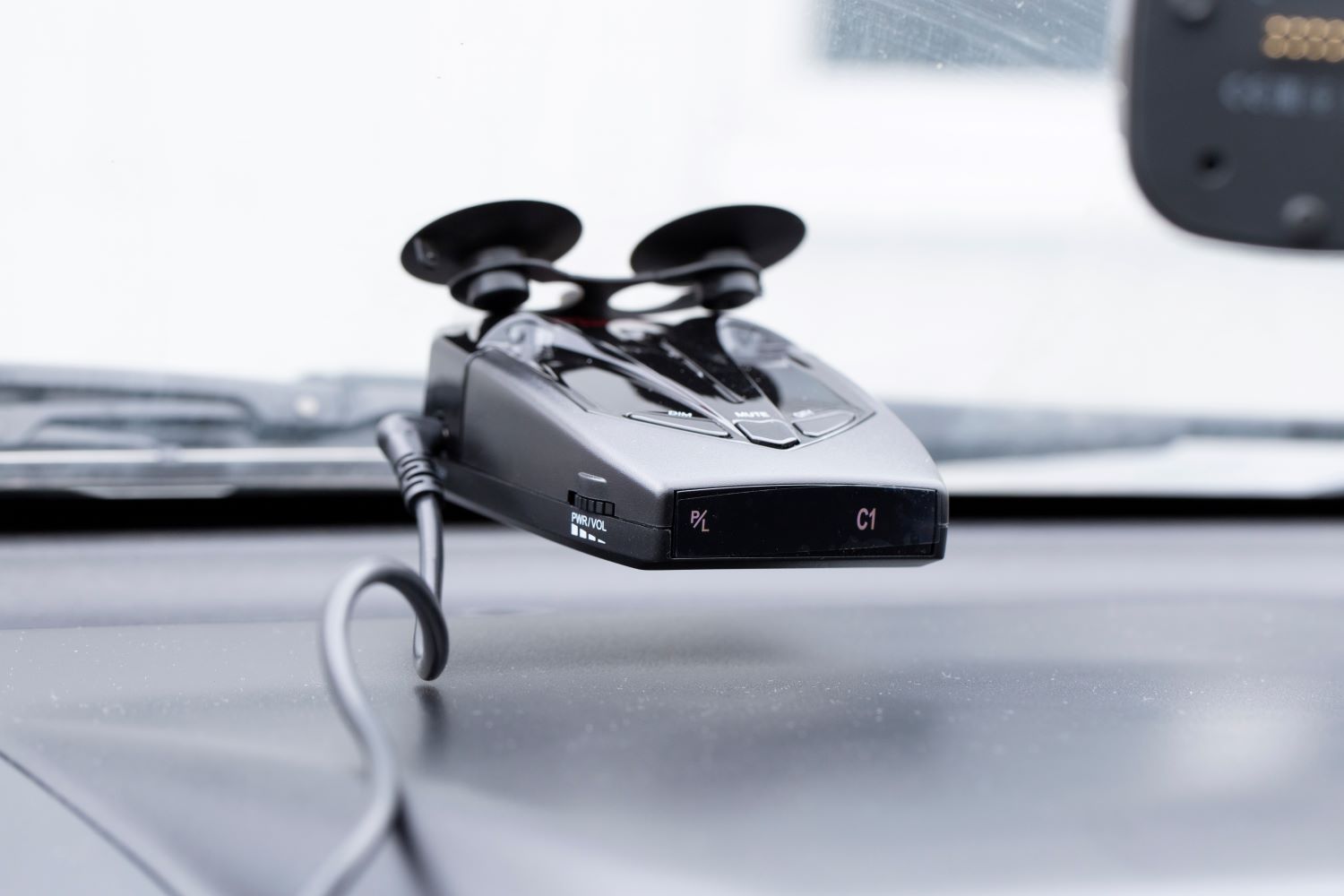
Radar detectors are devices that alert drivers about speed detection tools. Many drivers wonder if these devices are legal in California. The state has specific rules for using radar detectors.
This article explains the legal status of radar detectors for private and commercial vehicles in California.
Legal Status For Private Vehicles
In California, drivers of private vehicles can legally use radar detectors. The state does not ban these devices for personal cars. You can install and use a radar detector without breaking the law.
Keep in mind that radar detectors must be mounted properly. They should not block the driver’s view. Illegal placement can lead to fines or warnings.
Restrictions For Commercial Vehicles
California law bans radar detectors in commercial vehicles. This rule applies to trucks and buses over 10,000 pounds. Drivers of these vehicles cannot use or display radar detectors.
If a commercial vehicle driver uses a radar detector, they can face penalties. Law enforcement may issue fines or confiscate the device.
How Radar Detectors Work
Radar detectors help drivers notice radar signals from police speed guns. They warn drivers to slow down before being caught.
These devices detect radio waves sent by radar guns. They alert the driver with sounds or lights to signal a nearby radar source.
Basic Technology
Radar detectors use a radio receiver to find radar waves. The device scans different radar bands used by police speed guns.
- The receiver picks up radar signals in specific frequency ranges.
- It processes these signals to reduce false alarms from other sources.
- The device alerts the driver when a real radar signal is detected.
- Some detectors include laser detection for newer speed measurement tools.
Common Features
| Feature | Description |
| Signal Alert | Beep or light warns about radar detection |
| Frequency Bands | Detects X, K, and Ka radar bands |
| Mute Button | Silences alerts temporarily |
| Laser Detection | Alerts to police laser speed guns |
| GPS Lockouts | Blocks false alerts in known areas |
Penalties For Using Radar Detectors
Radar detectors alert drivers about speed monitoring devices. In California, their use is against the law. Drivers should know the penalties for using these devices.
Understanding the fines and consequences helps drivers avoid legal trouble. It also shows how insurance can be affected by using radar detectors.
Fines And Consequences
Using a radar detector in California can lead to fines and other penalties. Police officers may issue citations if they find the device in use. The penalties can vary depending on the situation.
- First offense may result in a fine up to $250.
- Repeat offenses can lead to higher fines or court appearances.
- Confiscation of the radar detector is possible.
- Drivers may face points on their driving record.
Impact On Insurance
Using a radar detector can affect your car insurance rates. Insurance companies may see it as risky behavior. This can cause your premiums to rise or your policy to be canceled.
| Insurance Impact | Description |
| Higher Premiums | Insurers may increase rates due to risk of speeding tickets. |
| Policy Cancellation | Some companies may refuse to insure drivers using radar detectors. |
| Claim Denial | Claims could be denied if illegal device use contributed to accidents. |
Credit: www.theglobeandmail.com
Alternatives To Radar Detectors
Radar detectors are not legal in California. Drivers should look for other ways to stay aware of their speed.
Using legal tools and good driving habits helps avoid tickets and keeps roads safer.
Speed Awareness Tools
Speed awareness tools help you track how fast you drive without breaking the law. Many apps and devices use GPS to show your speed.
- Speedometer apps on smartphones
- GPS navigation devices with speed alerts
- In-car heads-up displays showing speed
- Speed limit reminder apps
Driving Habits To Avoid Tickets
Good driving habits reduce the chance of getting a ticket. Drivers should focus on smooth and safe driving.
| Habit | Why It Helps |
| Follow speed limits | Prevents speeding tickets and crashes |
| Use cruise control | Keeps speed steady on highways |
| Watch speed signs | Adjust speed for different areas |
| Stay alert | Helps spot police or hazards early |
| Drive defensively | Avoids sudden stops or tickets |
Comparing Radar Detector Laws Across States
Radar detectors are devices that alert drivers about police radar guns. Laws about these devices vary widely across the United States. Some states allow them freely, while others restrict or ban their use.
Understanding these laws helps drivers avoid fines and legal trouble. This guide looks at states with similar rules and those with different ones.
States With Similar Regulations
Many states allow radar detectors for use in private vehicles. They do not impose strict bans or penalties for carrying or using these devices. These states focus on driver responsibility and do not see radar detectors as a serious safety issue.
- California
- Texas
- Florida
- New York
- Illinois
States With Different Rules
Some states have strict laws banning radar detectors. These laws usually apply to both private and commercial vehicles. Penalties can include fines or confiscation of the device.
| State | Radar Detector Law | Notes |
| Virginia | Illegal in all vehicles | Strict fines apply |
| Washington D.C. | Illegal in all vehicles | Confiscation possible |
| New York (Commercial vehicles) | Illegal in commercial vehicles | Allowed in private cars |
| Illinois (Commercial vehicles) | Illegal in commercial vehicles | Allowed in private cars |
Recent Changes And Updates In California Law
Radar detectors are devices used by drivers to detect police speed traps. Laws about their use can vary across states. In California, recent changes have been made.
Understanding these changes is crucial for drivers. Compliance helps avoid fines and penalties.
Legislative Amendments
Recent amendments in California law address the use of radar detectors. These changes aim to improve road safety.
- Radar detectors are not allowed in commercial vehicles.
- Use of radar detectors is banned in certain areas.
- Penalties for illegal use have increased.
Enforcement Trends
Law enforcement agencies in California have adjusted their strategies. They focus more on ensuring compliance with the new regulations.
| Year | Enforcement Actions |
| 2021 | 1,500 citations |
| 2022 | 1,800 citations |
| 2023 | 2,200 citations |
These trends show a clear increase in enforcement activities. Drivers should stay informed to avoid penalties.

Credit: www.vortexradar.com
Frequently Asked Questions
Are Radar Detectors Illegal In California?
Yes, radar detectors are illegal in California for all drivers. Using one can result in fines and penalties.
Can Police Officers Confiscate Radar Detectors In Ca?
Yes, police officers can confiscate radar detectors if found during a stop in California.
Are Radar Detectors Allowed In Commercial Vehicles In Ca?
No, radar detectors are illegal in all commercial vehicles in California, regardless of size.
What Are The Penalties For Using Radar Detectors In Ca?
Penalties include fines and possible vehicle impoundment for using radar detectors in California.
Conclusion
Radar detectors are mostly legal to use in California. They help drivers stay aware of speed limits. Still, some rules apply, so check local laws carefully. Using them in commercial vehicles may be illegal. Always drive safely and follow traffic laws.
Avoid relying only on devices to prevent tickets. Staying alert and cautious is the best way to stay safe. Remember, safety always comes first on the road.







