
Are you looking for a simple way to carry more on your car without sacrificing space inside? Adding a roof rack to your car can be the perfect solution.
Imagine having extra room for bikes, luggage, or camping gear—giving you freedom and flexibility on every trip. You’ll discover how easy it is to add a roof rack, what to consider before buying one, and tips to get the most out of it.
Keep reading to unlock the full potential of your vehicle and make your next adventure hassle-free.
Choosing The Right Roof Rack
Adding a roof rack to your car helps carry extra gear outside. You must pick the right roof rack for safety and fit.
Consider your needs and car type before buying a roof rack. This guide covers key points to help you choose well.
Types Of Roof Racks
There are several roof rack types. Each works better for different uses and cars.
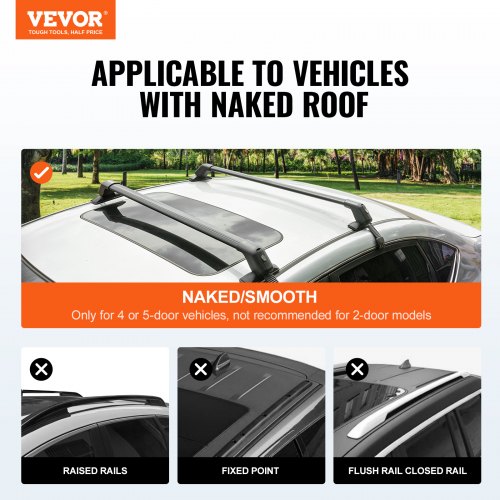
- Raised Side Rails: These attach to the car’s roof edges and allow crossbars.
- Flush Side Rails: These sit flush with the roof and look sleek.
- Fixed Points: These use car factory mounting spots for a secure fit.
- Track Systems: These have rails where you slide and lock the crossbars.
- Base Roof Racks: Standalone racks that clamp to doors or gutters.
Material And Durability
Roof racks come in various materials. Choose one that lasts long and suits your needs.
| Material | Durability | Weight | Cost |
| Aluminum | High | Light | Medium |
| Steel | Very High | Heavy | Low |
| Plastic | Low | Light | Low |
| Carbon Fiber | High | Very Light | High |
Weight Capacity
Check how much weight your roof rack can carry. This keeps your gear safe on the road.
- Look at the maximum load in the roof rack manual.
- Check your car roof’s weight limit in the owner’s guide.
- Do not exceed the lower weight limit of the two.
- Include the weight of the rack itself when loading items.
- Distribute weight evenly on the rack to avoid damage.
Compatibility With Car Models
Not all roof racks fit every car model. Make sure the rack suits your vehicle.
Use these tips to find a compatible roof rack:
- Know your car’s make, model, and year.
- Check if your car has factory rails or fixed points.
- Look for racks designed for your car type (sedan, SUV, hatchback).
- Consult the rack maker’s fit guide or customer support.
Preparing Your Car
Adding a roof rack to your car needs some preparation. Getting ready helps the installation go smoothly.
Start by making sure the car roof is clean and ready. Check the roof size and gather the tools you need.
Cleaning The Roof Surface
Clean the roof surface well before installing the roof rack. Dirt and dust can cause damage and poor fit.
Use soap, water, and a soft cloth to remove all dirt. Dry the roof completely to avoid slipping during installation.
Checking Roof Dimensions
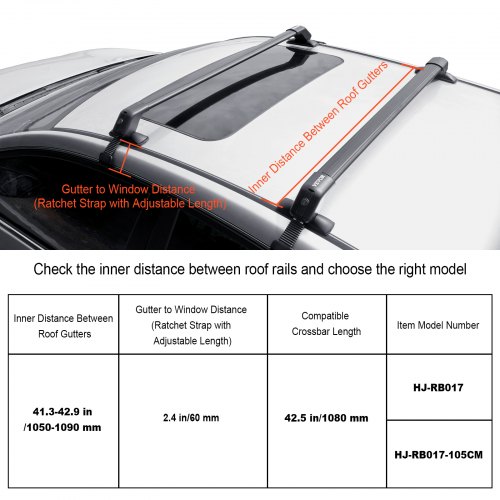
Measure your car roof to find the right size roof rack. Check both width and length carefully.
Note any curves or special shapes on the roof. Some racks fit better on certain roof styles.
- Measure roof width from side to side
- Measure roof length from front to back
- Check for roof rails or gutters
- Note any uneven or curved areas
Gathering Necessary Tools
Collect all tools you will need before starting the installation. This saves time and avoids stops.
Common tools include screwdrivers, wrenches, and measuring tape. Check your roof rack instructions for specifics.
- Screwdrivers (Phillips and flathead)
- Wrenches or socket set
- Measuring tape or ruler
- Cleaning cloths and soap
- Protective gloves (optional)
Installation Methods
Adding a roof rack to your car helps carry extra gear. There are different ways to install roof racks depending on your car type.
Choosing the right installation method makes your roof rack safe and strong. Here are common ways to add a roof rack to your car.
Clamp-on Roof Racks
Clamp-on roof racks attach directly to the edge of your car’s roof. They do not need special mounting points.
These racks use strong clamps to hold the bars in place. They work well for cars without roof rails or fixed points.
- Easy to install and remove
- No drilling or permanent changes
- Best for cars with rain gutters
- Check clamp size to fit your roof edge
Fixed Point Roof Racks
Fixed point racks use special mounting holes on your car’s roof. These holes are made by the car manufacturer.
You attach the rack bars directly to these points with bolts. This gives a strong and secure fit.
- Requires exact fit for your car model
- More secure than clamp-on racks
- May need tools for installation
- Ideal for heavier loads
Rail Mounted Roof Racks
Rail mounted racks attach to rails running along your car’s roof. These rails are often raised or flush with the roof.
The roof rack clamps or bolts onto these rails. This method is common on SUVs and station wagons.
- Easy to add or remove racks
- Rails provide a strong base
- Works with many rack accessories
- Check rail type before buying racks
Factory Installed Roof Rails
Some cars come with roof rails installed by the factory. These rails are part of the car’s design.
You add crossbars to these rails to hold your load. Factory rails fit perfectly and look clean on your car.
- Strong and designed for your car
- Easy to add crossbars and accessories
- Usually have adjustable mounting points
- Best for frequent roof rack use

Credit: www.youtube.com
Step-by-step Installation Guide
Adding a roof rack to your car helps carry extra gear safely. This guide shows you how to install it correctly.
Follow each step carefully to ensure a secure fit and avoid damage to your vehicle or roof rack.
Positioning The Roof Rack
Start by cleaning the roof area where the rack will sit. This prevents scratches and ensures good contact.
Place the roof rack on the roof and adjust it to center it evenly from side to side. Make sure it sits flat on the roof surface.
Attaching The Mounts
Attach the mounting brackets to the roof rack frame. Align the mounts with the designated points on your car roof.
- Check your car’s manual for exact mounting locations.
- Use the rubber pads to protect the roof paint.
- Hand-tighten bolts first to keep mounts in place.
- Ensure mounts are evenly spaced and secure.
Securing The Crossbars
Place the crossbars across the mounts. These bars will hold your cargo and must be strong and stable.
| Crossbar | Position | Action |
| Front | Near windshield | Tighten bolts securely |
| Rear | Near rear window | Tighten bolts securely |
Final Tightening And Inspection
Check all bolts and screws again. Tighten them with a wrench but do not overtighten.
- All mounts firmly attached
- Crossbars do not move
- No gaps between rack and roof
- Rubber pads intact and undamaged
Safety Tips And Maintenance
Adding a roof rack to your car can be very useful. It helps carry extra luggage and gear. But, safety and maintenance are important.
Understanding how to safely use and maintain your roof rack is crucial. Follow these tips to ensure your roof rack stays secure.
Regular Checks And Tightening
Check your roof rack regularly for loose parts. Tighten bolts and screws to keep it secure.
Vibrations from driving can loosen the rack. Make checking and tightening a regular habit.
- Inspect the rack before long trips
- Use tools to tighten any loose parts
- Check for rust or damage
Load Distribution And Limits
Balance the load on your roof rack. Even weight distribution is key for safe driving.
Know the weight limits of your roof rack. Never exceed the maximum weight capacity.
- Place heavier items in the center
- Keep weight within the recommended limit
- Secure all items firmly
Weather Considerations
Weather affects the safety of your roof rack. Rain and wind can shift your load.
Drive cautiously in bad weather. Reduce speed to maintain control.
- Secure items with waterproof covers
- Check load stability in windy conditions
- Drive slower in rain or snow
Cleaning And Storage
Clean your roof rack regularly. Remove dirt and debris to prevent rust.
Store your roof rack properly when not in use. This keeps it in good condition for future trips.
- Wash with mild soap and water
- Dry thoroughly to prevent rust
- Store in a dry, safe place
Credit: www.vevor.com
Troubleshooting Common Issues
Adding a roof rack to your car can be useful. It helps carry extra luggage or sports gear. Sometimes, you might face issues with the roof rack.
This guide will help you solve common problems. We will look at noise, loose fittings, and damage prevention.
Rattling Or Noise Problems
Roof racks can sometimes make noise. This is usually due to wind or loose parts. A noisy roof rack can be annoying during a drive.
Check if the rack is securely fastened. Adjust or tighten the bolts if needed. Adding rubber pads can also reduce noise.
- Inspect and tighten all bolts.
- Add rubber pads to dampen noise.
- Ensure the rack is properly aligned.
Loose Fittings
Loose fittings can make the rack unstable. This can be dangerous while driving. Regular checks can help avoid this problem.
Use the right tools to tighten fittings. Make sure all parts are secure before starting your journey.
- Regularly check for loose parts.
- Use appropriate tools for tightening.
- Inspect the rack before every trip.
Damage Prevention
Roof racks can cause damage to your car if not handled well. Ensure proper installation to prevent scratches or dents.
Always follow the manufacturer’s instructions. Avoid overloading the rack with heavy items.
- Follow installation guidelines strictly.
- Avoid overloading the roof rack.
- Inspect for scratches or dents regularly.
Enhancing Roof Rack Functionality
Adding a roof rack to your car gives extra space for carrying things. You can improve its use with some simple ideas.
Using the right accessories, carriers, and locks makes your roof rack safer and more useful.
Adding Accessories
Accessories help you carry different items on your roof rack. You can add hooks, straps, or pads to hold things better.
These add-ons protect your gear and stop it from moving while driving.
- Rubber pads prevent scratches on your gear
- Straps keep items tight and secure
- Hooks hold bikes, kayaks, or skis
Using Roof Boxes And Carriers
Roof boxes offer covered space for luggage and gear. They protect items from weather and theft.
Carriers like bike racks and ski holders keep sports gear safe and easy to carry.
- Roof boxes come in many sizes to fit your needs
- Bike carriers hold one or more bikes securely
- Ski carriers keep skis steady during travel
Security Locks And Anti-theft Measures
Locks protect your roof rack and gear from theft. Use special locks made for racks and accessories.
Anti-theft devices give peace of mind when you leave your car unattended.
- Locking clamps secure the rack to the car
- Lockable straps keep items fastened
- Use cable locks for extra security
Credit: www.vevor.com
Frequently Asked Questions
How Do I Install A Roof Rack On My Car?
To install a roof rack, first check your car’s roof type. Use the correct mounting kit. Follow manufacturer instructions carefully for secure fitting.
What Are The Benefits Of Adding A Roof Rack?
A roof rack increases your car’s storage capacity. It helps transport large items like bikes, kayaks, or luggage easily. It also frees up interior space.
Can Any Car Have A Roof Rack Installed?
Most cars can have roof racks installed. However, compatibility depends on roof type and mounting points. Always check your vehicle’s specifications before purchase.
How Much Weight Can A Car Roof Rack Hold?
Weight capacity varies by roof rack model and car roof strength. Typically, most racks hold between 75 to 150 pounds safely. Check your rack’s manual for exact limits.
Conclusion
Adding a roof rack to your car makes carrying gear simple. It frees space inside your vehicle for passengers. You can transport bikes, luggage, or camping tools with ease. Make sure to choose the right rack for your car model.
Proper installation keeps your load safe on the road. Regular checks help avoid damage or accidents. Enjoy the extra space and convenience on your trips. A roof rack adds value and function to your car. Try it for your next adventure.







