
Have you ever noticed the ABS light glowing on your car’s dashboard and wondered what it means? That little warning can feel confusing and even a bit alarming.
But don’t worry—understanding why the ABS light turns on is simpler than you think. Knowing what this light signals can help you stay safe on the road and avoid costly repairs. Keep reading, and you’ll learn exactly what the ABS light means, what you should do when it comes on, and how to keep your braking system in top shape.
Your safety depends on it.

Credit: www.jct600.co.uk
What The Abs Light Indicates
The ABS light on your car’s dashboard shows the status of the Anti-lock Braking System. It helps you know if the system is working right.
If the ABS light turns on, it means there might be a problem with the braking system. You should check it soon for safety.
Role Of Abs In Vehicle Safety
ABS helps stop your car safely by stopping the wheels from locking during hard braking. This keeps the car steady and under control.
It also helps you steer around obstacles while braking. ABS reduces the chance of skidding on slippery roads.
- Prevents wheel lockup during emergency stops
- Keeps steering control when braking hard
- Improves vehicle stability on wet or icy roads
Common Reasons For Abs Light Activation
The ABS light can come on for many reasons. Most times, it means the system needs attention but the brakes still work normally.
Common causes include sensor problems or low brake fluid. These issues affect how the ABS works.
- Faulty wheel speed sensors
- Damaged or dirty sensor wiring
- Low brake fluid level
- Blown ABS fuse or electrical issues
- ABS module malfunction
Immediate Steps When Abs Light Comes On
The ABS light on your car’s dashboard means there is a problem with the Anti-lock Braking System. This system helps keep your car safe when you brake hard. If the light comes on, you should act quickly to avoid danger.
Here are some important steps to check and fix common issues when the ABS light turns on.
Checking Brake Fluid Levels
Low brake fluid can cause the ABS light to come on. Check the brake fluid level in the reservoir under the hood. The fluid should be between the minimum and maximum marks.
If the fluid is low, add the recommended type of brake fluid carefully. Avoid spilling it on painted surfaces as it can cause damage.
- Locate the brake fluid reservoir under the hood
- Check the fluid level against the marks
- Add brake fluid slowly if the level is low
- Do not overfill the reservoir
Inspecting Wheel Sensors
The ABS system uses wheel sensors to monitor wheel speed. Dirt or damage to these sensors can cause the light to turn on. Look for dirt, debris, or damage near the wheels.
Clean the sensors gently with a soft cloth. If you see broken wires or parts, the sensor may need replacement.
- Check each wheel sensor for dirt or damage
- Clean sensors carefully to remove grime
- Look for loose or broken wires
- Replace damaged sensors promptly
When To Seek Professional Help
If the ABS light stays on after checking fluid and sensors, visit a mechanic. Some problems need special tools to diagnose. A professional can find the exact cause and fix it safely.
Do not ignore the ABS light. Driving without a working ABS can be dangerous, especially on wet or slippery roads.
- ABS light remains on after checks
- Brake pedal feels different or soft
- Warning lights for brakes or traction control also appear
- Car behaves oddly when braking hard
Risks Of Ignoring The Abs Light
The ABS light on your car’s dashboard shows a problem with the anti-lock braking system. Ignoring this light can cause serious issues. It is important to understand the risks of not fixing the ABS system.
The ABS helps keep control during hard braking. If the light stays on, your brakes may not work well in emergencies. This can increase the chance of accidents.
Impact On Braking Performance
The ABS stops your wheels from locking during sudden stops. Without it, your wheels might lock up and skid. This makes it harder to steer and stop quickly.
When the ABS light is on, your car uses normal braking only. This can increase the stopping distance on wet or slippery roads. Your car may not respond as expected when braking hard.
- Longer stopping distance
- Wheel lock-up during hard braking
- Reduced ability to steer while stopping
- Increased risk on slippery roads
Potential Safety Hazards
Ignoring the ABS light raises safety risks for you and others. The system is made to help you avoid accidents. Without it, you have less control in emergencies.
The ABS light may also signal other brake system problems. These issues can cause brake failure or uneven braking. This can lead to dangerous situations on the road.
- Higher chance of losing control during braking
- Increased risk of collisions
- Possible brake system failure
- Danger to passengers and other drivers
Credit: www.zigwheels.my
Diagnosing Abs Light Issues
The ABS light on your car dashboard shows a problem with the Anti-lock Braking System. This system helps keep your wheels from locking during braking.
Checking the ABS light early can prevent bigger problems. You can find out what is wrong by using certain tools and understanding error codes.
Using An Obd-ii Scanner
An OBD-II scanner is a device that reads codes from your car’s computer. It helps find out why the ABS light is on.
To use the scanner, plug it into your car’s OBD-II port. This port is usually under the dashboard. Turn on your car and follow the scanner’s instructions.
Common Error Codes And Their Meanings
When you scan your car, you may see different error codes. Each code tells you what part of the ABS system has a problem.
| Code | Meaning |
|---|---|
| C0035 | Left Front Wheel Speed Sensor Fault |
| C0040 | Right Front Wheel Speed Sensor Fault |
| C0050 | Left Rear Wheel Speed Sensor Fault |
| C0060 | Right Rear Wheel Speed Sensor Fault |
| C0110 | ABS Hydraulic Pump Motor Fault |
| C0135 | ABS Control Module Error |
Preventing Abs Light Problems
The ABS light on your car’s dashboard warns of issues with the anti-lock braking system. Fixing problems early helps keep your brakes working well.
Preventing ABS light problems means regular care and avoiding damage to important parts like sensors.
Regular Brake System Maintenance
Check brake fluid levels and replace fluid as needed. Worn brake pads can cause ABS issues. Inspect pads and rotors often.
- Inspect brake pads every 10,000 miles.
- Replace brake fluid every 2 years or as recommended.
- Check brake lines for leaks or damage.
- Test brake performance regularly for any changes.
Tips For Avoiding Sensor Damage
ABS sensors are delicate and can fail if damaged. Dirt, debris, or impacts can cause sensor problems and trigger the ABS light.
| Cause | How to Prevent |
| Dirt and debris | Clean sensors during brake checks |
| Physical impact | Avoid rough driving on uneven roads |
| Corrosion | Keep sensors dry and inspect seals |
| Loose wiring | Secure sensor wires after repairs |

Credit: www.youtube.com
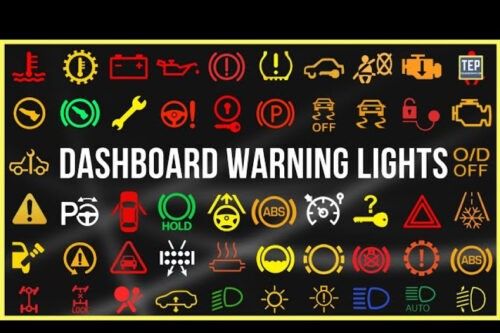
Differences Between Abs Light And Other Warning Lights
Cars have many warning lights on the dashboard. Each light shows a different issue. The ABS light is one of these important lights.
Knowing the differences between the ABS light and other lights helps in understanding car problems better.
Abs Vs. Brake System Warning Light
The ABS light relates to the anti-lock braking system. It helps prevent wheel lock-up during braking.
The brake system warning light shows an issue with the overall brake system. This could mean low brake fluid or a problem with the brake pads.
- ABS light: Anti-lock brake issue
- Brake system light: General brake problem
Interpreting Multiple Warning Lights
Sometimes, multiple warning lights turn on together. This can seem confusing at first.
When the ABS light and brake system light are both on, it is important to check the brakes. This could mean a serious issue with the braking system.
| ABS Light | Focus on anti-lock system |
| Brake System Light | Focus on general brake system |
Frequently Asked Questions
What Does The Abs Light On My Car Mean?
The ABS light indicates an issue with your Anti-lock Braking System. It means the system is not functioning properly. Your car’s brakes will still work, but ABS might be disabled. It’s important to have your vehicle checked by a mechanic soon.
Is It Safe To Drive With The Abs Light On?
Yes, you can drive, but with caution. The regular brakes will work, but ABS won’t prevent wheel lock during hard braking. This can increase stopping distance and reduce control on slippery roads. Get your ABS system inspected promptly to ensure safety.
What Causes The Abs Light To Turn On?
Common causes include faulty wheel speed sensors, damaged ABS modules, low brake fluid, or wiring issues. Dirt, corrosion, or sensor failures often trigger the ABS warning light. Regular maintenance helps prevent these problems and keeps your ABS system in good condition.
How Can I Reset The Abs Light On My Car?
Resetting the ABS light usually requires a diagnostic scan tool. Clearing the error codes without fixing the problem will not turn off the light permanently. Always repair the underlying issue before resetting the ABS warning light to avoid safety risks.
Conclusion
The ABS light signals a problem with your car’s braking system. It means the anti-lock brakes may not work properly. Driving with the light on can be unsafe. You should check the brake system soon. Fixing the issue helps keep control on slippery roads.
Regular car maintenance can prevent ABS problems. Pay attention to warning lights for safe driving. Stay alert and keep your car in good shape.







