
Have you ever noticed the ABS light flickering on your car’s dashboard and wondered what it means? That little warning can feel confusing and even a bit scary if you’re not sure what’s going on.
But don’t worry—understanding why the ABS light comes on is easier than you think. Knowing what this light signals can save you from costly repairs and keep you safe on the road. Keep reading, and you’ll discover exactly what to do when your ABS light turns on, so you can take control and drive with confidence.

Credit: simonsautorepairtaunton.com
What Triggers The Abs Light
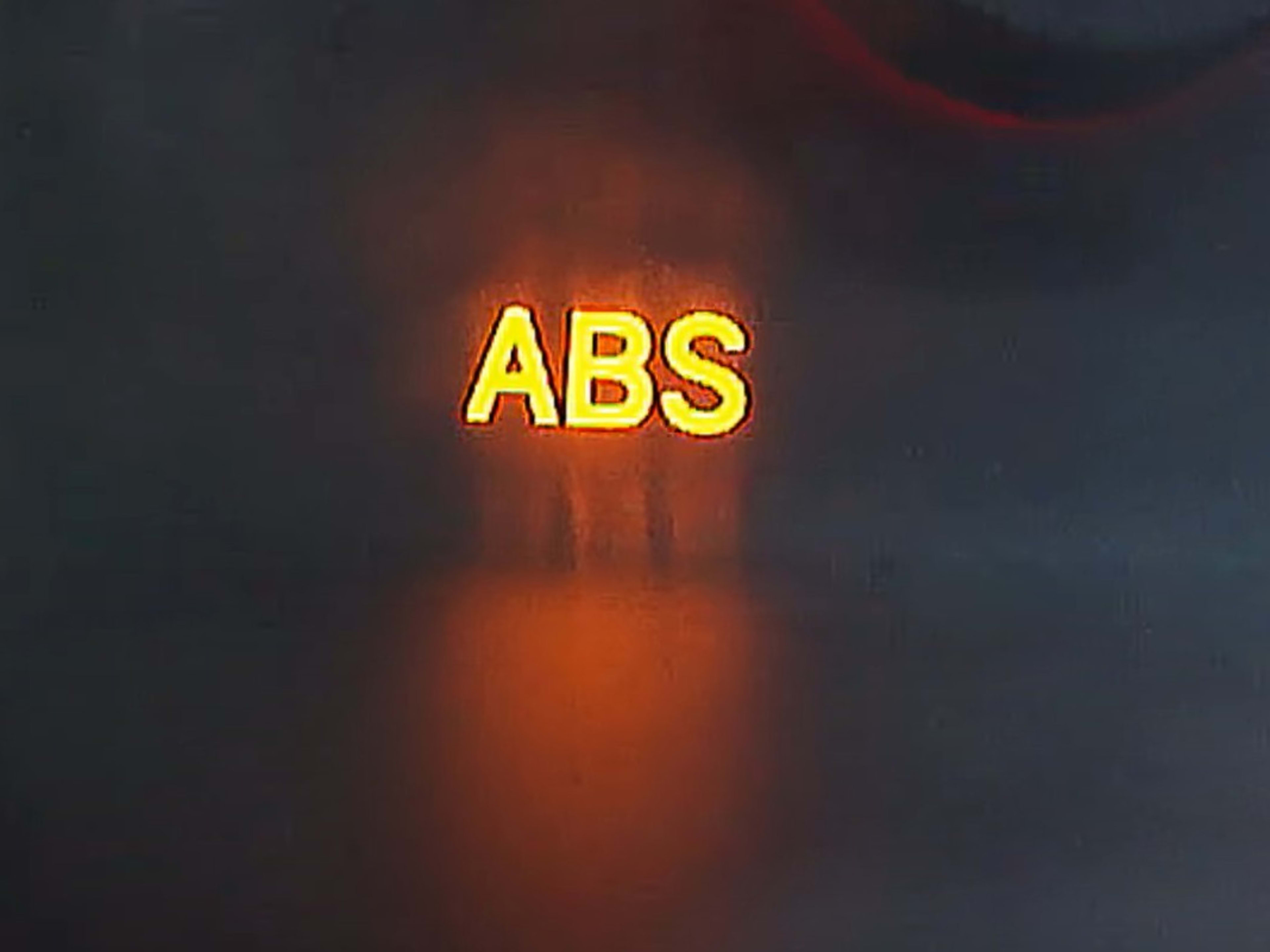
The ABS light on your car dashboard shows a problem with the anti-lock brake system. This system helps keep your wheels from locking during braking.
When the ABS light comes on, it means the system is not working right. Here are common causes that trigger the ABS light.
Faulty Wheel Sensors
Wheel sensors monitor the speed of each wheel. If a sensor is dirty or broken, it sends wrong signals to the ABS system.
Bad sensor data makes the ABS light turn on to warn you of a problem.
Damaged Abs Module
The ABS module controls the entire anti-lock braking system. Damage from water or wear can stop it from working properly.
If the module fails, the ABS light will come on to alert you.
Low Brake Fluid Levels
Brake fluid is needed for the brakes to work well. Low fluid can cause the ABS system to fail or act strangely.
When the fluid is low, the ABS light often turns on as a warning.
Blown Fuse Or Wiring Issues
Fuses protect the ABS system’s electrical parts. A blown fuse can stop the system from working.
Wiring problems, like loose or broken wires, can also cause the ABS light to come on.
Worn Brake Pads
Brake pads wear down with use. Very worn pads can affect the brake system’s performance.
The ABS light may come on if the pads are too thin and need replacement.

Credit: timsquality.com
Risks Of Ignoring The Abs Light
The ABS light on your car’s dashboard shows a problem with the anti-lock braking system. This system helps keep your car safe when you brake hard. Ignoring this light can cause serious issues while driving.
It is important to understand what can happen if the ABS light stays on. This helps you avoid dangerous situations and costly repairs.
Reduced Braking Efficiency
The ABS helps keep your brakes working well, especially on slippery roads. If the ABS light is on, the system may not work right. This can make your brakes less effective.
Without ABS, your wheels might lock up when you brake hard. Locked wheels can cause your car to skid and lose control.
Increased Accident Risk
When the ABS light is on, the risk of accidents rises. The system helps you stop safely in emergencies. Without it, your car may take longer to stop.
Slippery or wet roads become more dangerous. You might not be able to avoid crashes as easily without ABS.
Potential For Costly Repairs
Ignoring the ABS light can lead to bigger problems. The brake system might get damaged more over time. This can increase repair costs.
Fixing the ABS early can save money. Waiting too long may cause other parts to fail and need replacement.
Simple Steps To Diagnose The Problem
The ABS light on your car’s dashboard indicates an issue with the Anti-lock Braking System. Diagnosing it can be easy with a few steps. Follow these steps to find and fix the problem.
Understanding these steps will help you maintain your car’s safety. Let’s look at how to diagnose the ABS light issue.
Check Brake Fluid Level
Start by checking the brake fluid level in your car. Low brake fluid can trigger the ABS light.
Locate the brake fluid reservoir under the hood. Ensure the fluid level is between the minimum and maximum marks.
Inspect Wheel Sensors
Wheel sensors play a vital role in the ABS system. Dirt or damage can cause the ABS light to turn on.
Visually inspect each wheel sensor for dirt or damage. Clean them if necessary or replace if damaged.
Use An Obd-ii Scanner
An OBD-II scanner can read error codes from the car’s computer. This helps identify specific ABS issues.
Connect the scanner to your car’s OBD-II port. Follow the scanner instructions to retrieve any error codes.
Examine Abs Fuses
The ABS system relies on fuses to operate correctly. A blown fuse can cause the ABS light to illuminate.
Locate the fuse box in your car. Check the ABS fuses for any damage and replace if necessary.
Quick Fixes To Turn Off The Abs Light
The ABS light on your car dashboard means there is a problem with the anti-lock braking system. This system helps prevent your wheels from locking during braking.
Fixing the ABS light can be simple. Some quick checks and repairs can turn the light off and keep your brakes working well.
Cleaning Or Replacing Sensors
Dirty or faulty wheel speed sensors often cause the ABS light to come on. These sensors detect wheel speed and send signals to the ABS control unit.
- Locate the sensors near each wheel hub.
- Clean the sensor and its ring with a soft brush and brake cleaner.
- If cleaning does not help, replace the sensor with a new one.
- Check wiring for damage or loose connections.
Refilling Brake Fluid
Low brake fluid can trigger the ABS light. The fluid helps the system work correctly by transferring force to the brakes.
| Brake Fluid Type | Recommended Level |
|---|---|
| DOT 3 | Between MIN and MAX marks on reservoir |
| DOT 4 | Between MIN and MAX marks on reservoir |
| DOT 5 | Check manufacturer’s guide for levels |
Make sure to use the correct brake fluid type for your car.
Resetting The Abs System
Resetting the ABS system can clear the warning light after fixing the issue. This can be done with an OBD2 scanner or by disconnecting the car battery.
- Turn off the engine and unplug the OBD2 scanner.
- Connect the scanner to the car’s OBD2 port.
- Use the scanner to read and clear ABS error codes.
- If no scanner is available, disconnect the battery for 15 minutes.
- Reconnect the battery and start the car to see if the light is off.
Replacing Faulty Fuses
A blown fuse can stop the ABS system from working and light up the ABS warning. Locate and check the fuses linked to the ABS system.
- Find the fuse box in your car, usually near the dashboard or engine bay.
- Look for the ABS fuse using the fuse box cover or car manual.
- Remove the fuse and check if it is blown.
- Replace the fuse with one of the same rating if it is faulty.
- Start the car and check if the ABS light turns off.
When To See A Professional
The ABS light on your car dashboard warns you of problems in the anti-lock braking system. Sometimes, the light turns off after restarting the car. Other times, it stays on. Knowing when to see a professional can keep you safe.
Ignoring the ABS light can cause bigger problems. If the light stays on or other symptoms appear, get help from a mechanic. They can diagnose and fix the issue correctly.
Persistent Abs Light
If the ABS light stays on every time you start the car, it shows a constant problem. This may mean the system cannot control the brakes properly. Driving with the light on can be risky.
A mechanic can read the error codes from your car’s computer. They find the exact problem and fix it. Do not wait too long to get the ABS system checked.
Complex Electrical Issues
The ABS system works with many sensors and wires. Sometimes, electrical problems cause the ABS light to come on. These issues can be hard to find and fix without special tools.
Problems like damaged wiring, bad sensors, or computer faults need a professional mechanic. They have the right equipment to test and repair electrical parts safely.
Brake System Malfunctions
ABS is part of the larger brake system. If parts like the brake fluid, pads, or calipers fail, the ABS light may turn on. These malfunctions reduce your car’s stopping power.
A professional can check the whole brake system. They look for leaks, worn parts, or other damage. Fixing these issues helps keep your brakes working well and your ABS light off.
Credit: axleaddict.com
Preventing Abs Light Issues
The ABS light on your car dashboard shows a problem with the braking system. It is important to fix these issues early.
Taking simple steps can help stop the ABS light from coming on. These steps keep your brakes working well and your car safe.
Regular Brake Maintenance
Check your brakes often to keep them in good shape. Worn brake pads or discs can cause the ABS light to turn on.
Replace brake parts when they get old. This helps your ABS system work correctly and avoid warnings.
Keeping Sensors Clean
ABS sensors detect wheel speed and help stop the car safely. Dirt and debris can block these sensors.
Clean the sensors regularly to keep them clear. Dirty sensors often cause the ABS light to come on.
Timely Fluid Checks
Brake fluid helps your brakes work well. Low or old brake fluid can cause ABS problems.
Check your brake fluid level often. Change the fluid as your car’s manual suggests to prevent ABS issues.
Frequently Asked Questions
What Does Abs Light On Car Mean?
The ABS light indicates a problem with the Anti-lock Braking System. It warns that the system is not working properly. You should have your car checked to ensure safe braking.
Is It Safe To Drive With Abs Light On?
You can drive cautiously, but ABS might not function correctly. This affects braking efficiency in emergencies. Get your ABS system inspected promptly to avoid safety risks.
What Causes Abs Light To Turn On?
Common causes include faulty wheel sensors, low brake fluid, or damaged ABS modules. Regular maintenance can help prevent these issues and keep the ABS system operational.
How To Reset Abs Light On Car?
Resetting often requires a diagnostic tool to clear error codes. Simply disconnecting the battery may not fix the issue. Always fix the underlying problem before resetting the light.
Conclusion
The ABS light on your car signals an important issue. It helps keep your brakes working safely. Ignoring this light can lead to bigger problems. Check your brake system or see a mechanic soon. Staying alert keeps you and others safe on the road.
Remember, small car problems can become costly if left alone. Always pay attention to warning lights. They protect you and your vehicle every day.







