
Have you ever noticed the ABS light glowing on your car’s dashboard and wondered what it really means? That little warning can feel confusing or even alarming if you’re not sure what it signals.
Understanding the ABS light is crucial because it relates directly to your vehicle’s braking system—and your safety on the road. You’ll discover exactly what the ABS light means, why it turns on, and what steps you should take when it does.
Keep reading to stay informed and keep your car running smoothly.

Credit: www.jct600.co.uk
What Abs Light Indicates
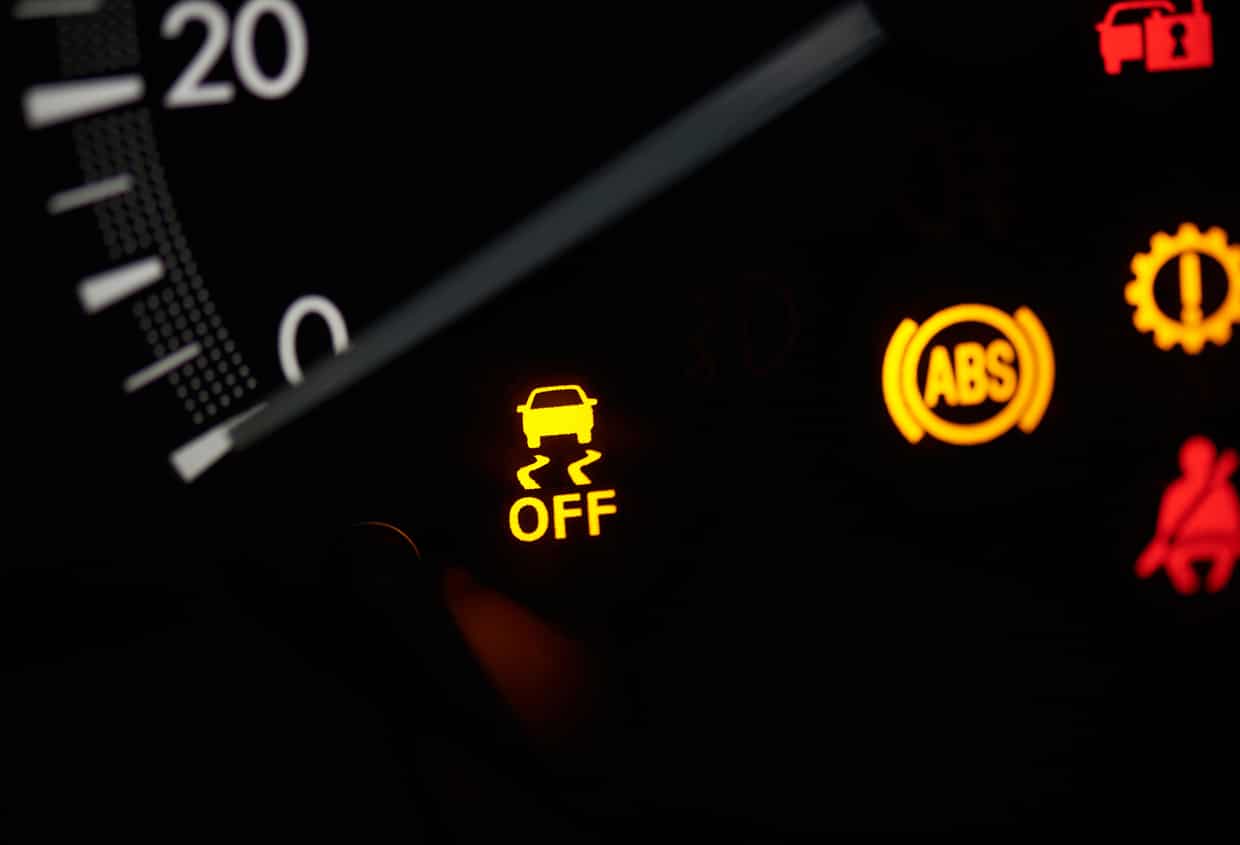
The ABS light is a warning on your car’s dashboard. It shows if there is a problem with the Anti-lock Braking System.
The ABS helps keep your car safe while braking. The light turns on to alert you about a fault.
Role Of Abs In Vehicles
The ABS stops your wheels from locking during hard braking. This helps you keep control of the car.
It works by quickly pumping the brakes to prevent skidding. This makes driving safer on slippery roads.
Common Causes For Abs Light Activation
The ABS light can come on for many reasons. Some problems are easy to fix, while others need a mechanic.
- Faulty wheel speed sensors
- Low brake fluid level
- Damaged ABS control module
- Blown fuse in the ABS circuit
- Wiring problems or loose connections
Credit: www.holtsauto.com
Immediate Steps When Abs Light Comes On
The ABS light on your car’s dashboard warns you about your braking system. It means the Anti-lock Braking System needs attention.
Do not ignore this light. Follow simple checks to keep your brakes safe.
Checking Brake Fluid Levels
Brake fluid is vital for your brake system to work well. Low fluid can cause the ABS light to come on.
- Open the hood and find the brake fluid reservoir.
- Check the fluid level against the marks on the container.
- If fluid is low, add the correct type of brake fluid.
- Close the reservoir tightly after refilling.
- Check for leaks under the car if fluid is very low.
Inspecting Wheel Sensors
Wheel sensors monitor wheel speed and send data to the ABS system. Dirt or damage can cause errors.
| Sensor Issue | What to Do |
| Dirty Sensor | Clean with a soft cloth and brake cleaner |
| Loose Sensor | Tighten the sensor mounting bolts |
| Damaged Sensor | Replace the sensor with a new one |
| Wiring Problem | Check and repair sensor wires |
Risks Of Ignoring Abs Light
The ABS light on your car dashboard warns you about problems with the anti-lock braking system. Ignoring this light can cause serious risks. It is important to understand what can happen if you do not fix ABS issues.
ABS helps keep your car stable during hard braking. If the system fails, your safety may be at risk, especially in bad driving conditions.
Impact On Braking Performance
When the ABS light stays on, the anti-lock braking system may not work. This can affect how your brakes perform in emergencies. Your wheels could lock up, causing loss of control.
- Longer stopping distances on hard braking
- Wheels may lock, leading to skidding
- Reduced ability to steer during braking
- Increased risk of collisions in sudden stops
Safety Concerns On Slippery Roads
ABS is vital on wet, icy, or snowy roads. Without ABS, it becomes harder to control your vehicle on slippery surfaces.
| Road Condition | Risk Without ABS |
| Wet Roads | Higher chance of wheel lock and skid |
| Snowy Roads | Reduced steering control |
| Icy Roads | Increased stopping distance |
Diagnosing Abs Issues
The ABS light in your car tells you when there is a problem with the anti-lock braking system. This system helps keep your car from skidding during hard brakes. Diagnosing ABS issues early can keep you safe on the road.
There are ways to find out why the ABS light is on. Using tools or getting a professional check can help fix the problem fast. Below are two common methods to diagnose ABS problems.
Using An Obd-ii Scanner
An OBD-II scanner reads error codes from your car’s computer. These codes show the exact problem with the ABS system. You can buy or borrow a scanner to check the codes yourself.
- Plug the scanner into the car’s OBD-II port, usually under the dashboard.
- Turn on the car but do not start the engine.
- Use the scanner to read the stored error codes.
- Look up the code meanings in the scanner’s guide or online.
- Clear the codes and see if the ABS light returns after driving.
Professional Inspection Benefits
A professional mechanic can find ABS problems that a scanner might miss. They use special tools and tests to check sensors and wiring. Professionals also know how to fix complex issues safely.
| Benefit | Details |
| Advanced Tools | Access to diagnostic machines beyond basic scanners |
| Expert Knowledge | Experience to spot hidden or rare ABS faults |
| Safety Checks | Full brake system inspection for overall safety |
| Proper Repairs | Correct part replacement and system reset |
Repairing Abs System Problems
The ABS light in your car means there is an issue with the Anti-lock Braking System. This system helps stop your car safely. Fixing ABS problems is important for your safety on the road.
Many ABS problems can be repaired by checking sensors and wiring. Sometimes parts need to be replaced to restore the system.
Common Fixes And Replacements
ABS problems often come from bad wheel speed sensors or damaged wiring. Cleaning or replacing these parts can fix the issue. The ABS control module may also fail and need replacement.
- Clean or replace wheel speed sensors
- Repair damaged wiring and connectors
- Replace ABS control module if faulty
- Fix or replace ABS hydraulic pump
- Check and replace ABS fuse or relay
Cost Considerations
Repair costs depend on the problem and your car model. Sensor repairs are usually less expensive. Control module replacements cost more. Labor charges vary by shop.
- Sensor repair or replacement: $50 to $150
- ABS control module replacement: $300 to $700
- Hydraulic pump repair: $200 to $600
- Labor costs: $80 to $120 per hour
Preventing Abs Light Activation
The ABS light in your car warns of issues with the anti-lock braking system. Keeping it off is important for your safety. Here are some tips to help you prevent ABS light activation.
Regular Maintenance Tips
Regular maintenance can help keep your ABS system in top shape. Follow these tips to prevent ABS light problems.
- Check brake fluid levels regularly
- Inspect brake pads for wear and tear
- Schedule professional brake inspections yearly
- Ensure ABS sensors are clean and free from debris
Driving Habits That Protect Abs
How you drive affects your car’s ABS. Adopt these habits to keep your ABS system healthy.
- Avoid harsh braking whenever possible
- Drive at safe speeds, especially on wet roads
- Keep a safe distance from other vehicles
- Use brakes gently on icy or slippery surfaces

Credit: www.youtube.com
Frequently Asked Questions
What Does The Abs Light In A Car Indicate?
The ABS light signals a problem in the anti-lock braking system. It means the ABS may not function properly, but regular brakes still work.
Is It Safe To Drive With The Abs Light On?
Yes, but cautiously. Your normal brakes work, but ABS won’t prevent wheel lock during hard braking, increasing stopping distance.
What Causes The Abs Light To Turn On?
Common causes include faulty wheel speed sensors, damaged ABS module, low brake fluid, or blown fuses. A diagnostic scan reveals the exact issue.
How Can I Reset The Abs Light In My Car?
You can reset the ABS light using an OBD-II scanner. Clearing fault codes often turns off the light if the problem is fixed.
Conclusion
The ABS light signals a problem with your car’s brake system. Ignoring it can cause safety risks. Check the brake system soon to avoid bigger issues. Regular car maintenance helps keep ABS working well. Stay alert to warning lights for safer driving.
Understanding the ABS light keeps you safe on the road. Simple steps can prevent costly repairs later. Always take warning signs seriously to protect yourself and others.







