
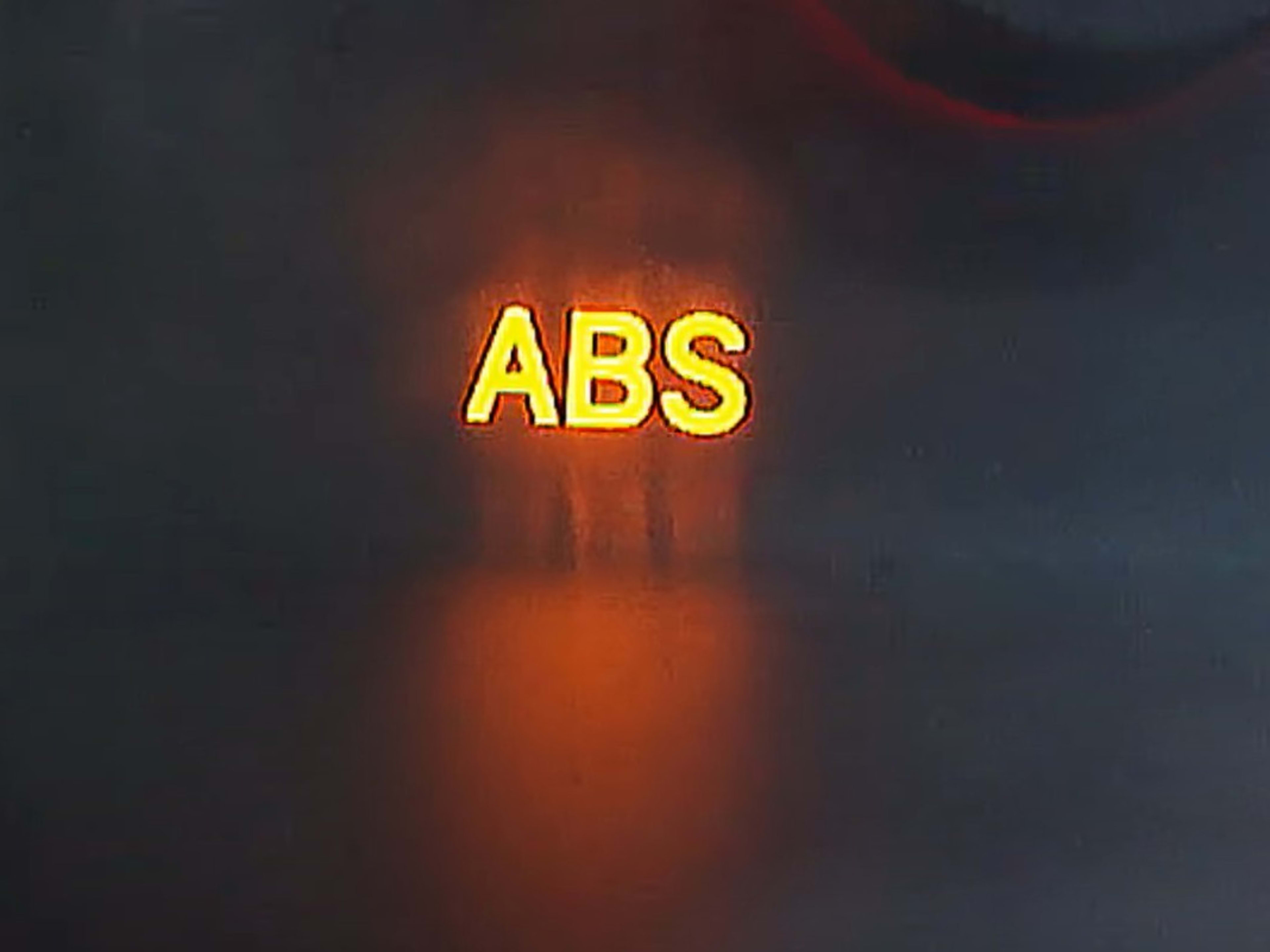
Have you ever noticed the ABS light on your car’s dashboard and wondered what it means? That little warning can feel confusing and even a bit scary.
But understanding why your ABS light is on can save you from unexpected problems and keep your drives safe. You’ll discover exactly what the ABS light signals, why it might come on, and what steps you should take right away.
Keep reading to take control of your car’s safety and avoid costly repairs.
Credit: axleaddict.com
Common Abs Light Causes
The ABS light on your car’s dashboard warns you about the anti-lock braking system. It can turn on for different reasons. Knowing the causes helps you fix the problem quickly.
Some causes are simple to check. Others may need a mechanic’s help. Here are common reasons why the ABS light comes on.
Faulty Wheel Speed Sensors
Wheel speed sensors track how fast each wheel turns. They send this information to the ABS system. Dirt, damage, or wiring problems can cause sensors to fail. A faulty sensor triggers the ABS light.
Low Brake Fluid Levels
Brake fluid helps the brakes work properly. Low fluid can make the ABS light come on. Leaks or worn brake pads can lower the fluid level. Check the brake fluid regularly to avoid issues.
Damaged Abs Module
The ABS module controls the anti-lock brakes. If it gets damaged, the system may stop working. This damage can be from corrosion, water, or electrical faults. A damaged module often causes the ABS light to stay on.
Blown Abs Fuse
The ABS system uses fuses to protect its electrical parts. A blown fuse stops the ABS from working. It also turns on the ABS warning light. Checking and replacing the fuse is a quick fix.
Worn Brake Pads
Brake pads wear out over time. Worn pads can cause low brake fluid and reduce brake performance. This can trigger the ABS light. Regular brake pad checks help keep your brakes safe.
Issues With The Hydraulic Pump
The hydraulic pump supports the ABS by controlling brake pressure. Problems in the pump affect braking and light up the ABS warning. Common pump issues include leaks and motor failure.
- Leaking brake fluid around the pump
- Unusual noises from the pump motor
- Reduced brake responsiveness
- ABS light stays on after starting the car
Diagnosing Abs Light Problems
The ABS light on your car dashboard warns you about issues in the anti-lock braking system. It helps keep your brakes working safely and correctly. Diagnosing the ABS light early can prevent bigger problems.
Here are simple ways to check what causes the ABS light to turn on. You do not need to be a mechanic to follow these steps.
Using An Obd-ii Scanner
An OBD-II scanner reads the error codes from your car’s computer. It tells you why the ABS light is on. You can buy or borrow a scanner from many auto stores.
- Plug the scanner into the car’s OBD-II port under the dashboard.
- Turn on the ignition but do not start the engine.
- Follow the scanner instructions to read ABS codes.
- Write down the codes to look up their meanings.
- Clear the codes after repair and check if the light turns off.
Visual Inspection Tips
Look closely at the brake parts and wiring for damage. A broken wire or dirty sensor can cause the ABS light to turn on.
- Check wheel sensors near each wheel for dirt or cracks.
- Inspect the wiring harness for cuts or loose connections.
- Look for worn or damaged brake pads and rotors.
- Make sure the ABS fuse is not blown in the fuse box.
Checking Brake Fluid
Brake fluid level is important for the ABS system to work right. Low fluid can trigger the ABS light.
| Brake Fluid Check | Action |
|---|---|
| Fluid Level Low | Fill to recommended level |
| Fluid Dirty or Old | Flush and replace brake fluid |
| Fluid Leaks | Find and fix leaks immediately |
Testing Wheel Sensors
Wheel sensors send data to the ABS system. If they fail, the ABS light will turn on. Testing them requires a multimeter or scan tool.
Follow these sensor test tips:
- Remove the sensor from the wheel hub carefully.
- Use a multimeter to check sensor resistance; compare with specs.
- Spin the wheel and watch for signal changes on the scan tool.
- Replace any sensor that shows no or bad signal.
Simple Fixes For Abs Light Issues
The ABS light on your car dashboard warns you about problems with the anti-lock braking system. Fixing these issues can be easy and save you a trip to the mechanic.
This guide covers simple fixes you can try yourself to turn off the ABS light and keep your brakes working well.
Cleaning Wheel Speed Sensors
Wheel speed sensors detect the speed of each wheel and send signals to the ABS. Dirt or debris can block these sensors and cause the ABS light to turn on.
To clean the sensors, remove the wheel and carefully wipe the sensor and its surrounding area. Use a soft cloth and a mild cleaner to avoid damage.
Refilling Brake Fluid
Low brake fluid can trigger the ABS warning light. Check the brake fluid reservoir under the hood to see if the fluid is below the recommended level.
Use the brake fluid type listed in your car manual and fill the reservoir up to the correct mark. Do not overfill or mix fluids.
Replacing Blown Fuses
The ABS system uses fuses to protect its electrical parts. A blown fuse can cause the ABS light to stay on.
Locate the fuse box in your car and check the ABS fuses. Replace any blown fuses with new ones of the same rating.
Resetting The Abs System
Sometimes the ABS light stays on after fixing a problem. Resetting the ABS system can clear the warning light.
You can reset the system by disconnecting the car battery for a few minutes or using an OBD-II scanner to clear error codes.
When To See A Mechanic
The ABS light on your car’s dashboard is important. It shows if there is a problem with your anti-lock braking system.
You should know when to visit a mechanic. This helps keep your brakes safe and working well.
Persistent Abs Light
If the ABS light stays on for a long time, see a mechanic. It means the system has a problem that needs fixing.
Ignoring the light can cause the ABS to stop working. This can make braking unsafe in slippery conditions.
Brake Performance Concerns
Visit a mechanic if your brakes feel weak or slow to respond. The ABS system may not be working right.
Other signs include strange noises or the brake pedal feeling soft. These need a professional check soon.
- Brake pedal feels spongy or soft
- Car pulls to one side when braking
- Strange noises when braking
Abs Module Replacement
The ABS module controls the anti-lock brakes. If it fails, the ABS light will stay on.
A mechanic can test the module. If it is bad, they will replace it to restore safe braking.
Preventing Abs Light Activation
The ABS light on your car’s dashboard warns about problems in the braking system. Keeping this light off helps you stay safe on the road.
Simple care steps can stop the ABS light from turning on. Learn how to maintain your brakes, check fluids, and care for sensors.
Regular Brake Maintenance
Check your brake pads and discs often. Worn parts can cause the ABS light to activate. Clean brake parts to remove dirt and rust.
- Inspect brake pads every 10,000 miles
- Replace worn brake pads promptly
- Keep brake discs free from rust and debris
- Test brakes regularly for smooth stopping
Timely Fluid Checks
Brake fluid keeps your brakes working well. Low or dirty fluid can cause ABS problems. Check fluid levels and quality often.
| Brake Fluid Check | Frequency | Action |
| Fluid Level | Monthly | Top up if low |
| Fluid Quality | Every 2 years | Replace if dirty |
| Leaks | After any brake service | Fix immediately |
Sensor Care Tips
ABS sensors send information to your car’s computer. Dirt or damage can cause false warnings. Keep sensors clean and check wiring.
- Clean sensors with a soft brush to avoid damage
- Inspect sensor wiring for cracks or loose connections
- Replace faulty sensors quickly to prevent errors

Credit: timsquality.com

Credit: gentryautomotiverepairs.com
Frequently Asked Questions
What Does The Abs Light Mean In A Car?
The ABS light indicates a problem with the anti-lock braking system. It warns that ABS might be malfunctioning. Your brakes still work, but ABS safety features may be disabled. Immediate inspection is recommended to ensure safe braking performance.
Why Is My Abs Light Staying On?
The ABS light stays on due to sensor issues, low brake fluid, or wiring faults. It signals the ABS system needs attention. Ignoring it can reduce braking safety. A mechanic should diagnose and fix the underlying problem promptly.
Can I Drive With The Abs Light On?
Yes, you can drive cautiously with the ABS light on. Normal brakes work, but ABS assistance won’t function. Avoid heavy braking and slippery roads until repaired. Have the ABS system checked soon to maintain optimal safety.
How To Reset The Abs Light In My Car?
Resetting the ABS light requires fixing the root issue first. Use an OBD-II scanner to clear error codes after repairs. Disconnecting the battery may reset the light temporarily but won’t fix the problem. Always address the ABS fault before resetting.
Conclusion
The ABS light on your car is a key safety signal. It alerts you to issues in the braking system. Ignoring this light can lead to bigger problems. Regular checks help keep your brakes working well. Fixing ABS problems early keeps driving safe and smooth.
Always pay attention to warning lights on your dashboard. Taking care of your car protects you and others on the road. Stay aware and act quickly if the ABS light turns on.







