
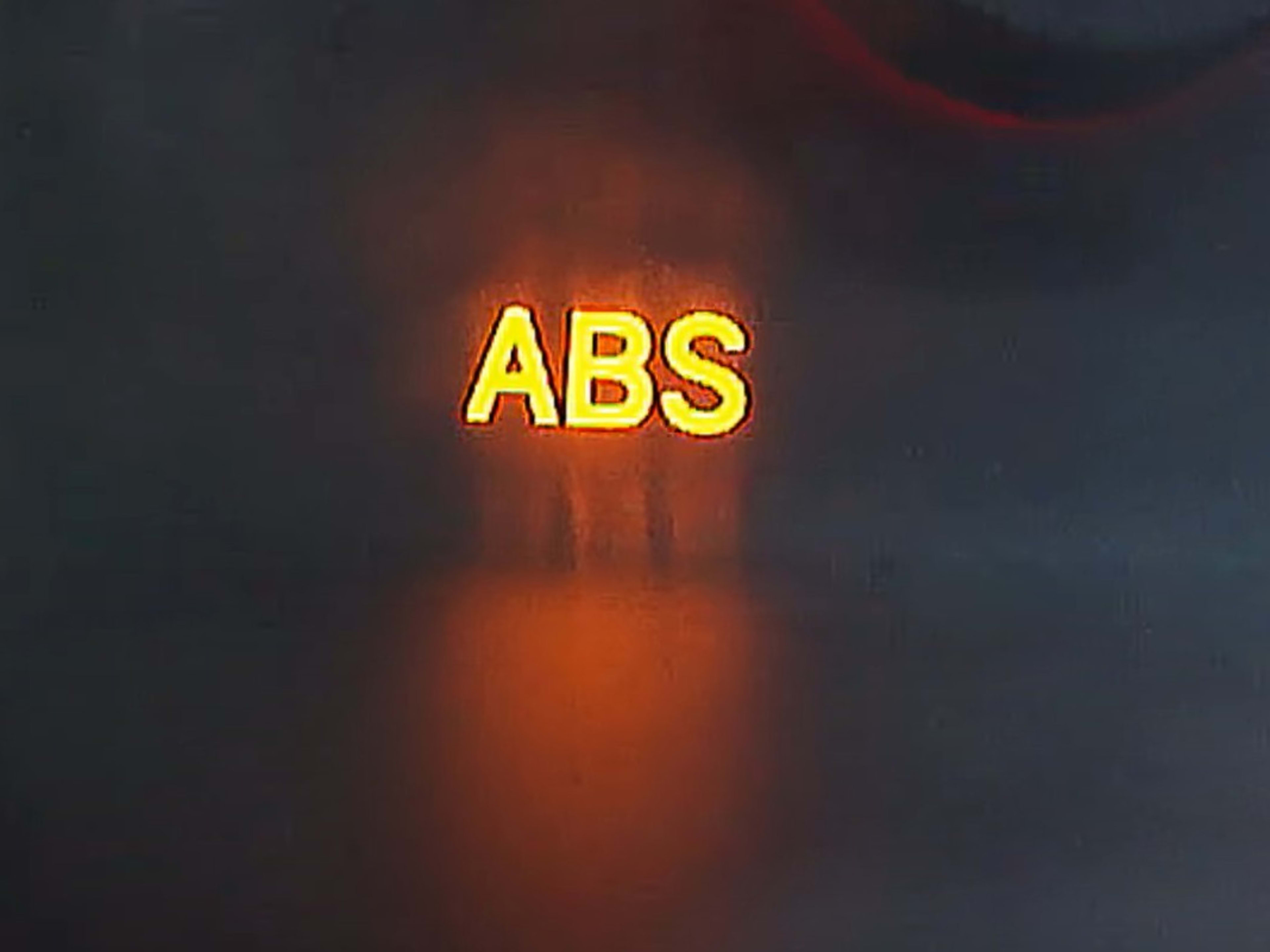
Have you ever noticed the ABS light glowing on your car’s dashboard and wondered what it means? That little warning can feel confusing or even alarming, but understanding it is key to keeping your car safe and running smoothly.
You’ll discover exactly what the ABS car light is telling you, why it matters, and what steps you should take when it appears. By the end, you’ll feel more confident about your car’s health and know how to respond to this important signal.
Keep reading—your safety on the road depends on it.
Credit: axleaddict.com
What Abs Light Means
The ABS light on your dashboard shows the status of the Anti-lock Braking System. It helps you know if the system is working properly or needs attention.
Understanding this light can keep you safe by alerting you to potential brake problems early.
Role Of Abs In Vehicles
ABS prevents your wheels from locking during hard braking. It helps keep control of your vehicle and reduces stopping distance on slippery roads.
The system uses sensors to monitor wheel speed and adjusts brake pressure instantly to maintain traction.
Common Triggers For Abs Light
The ABS light can turn on for many reasons. Some are simple, while others need immediate repair.
- Faulty wheel speed sensors
- Low brake fluid level
- Damaged ABS control module
- Blown ABS fuse
- Wiring problems or loose connections
- Worn brake pads or rotors
| Trigger | Possible Cause | Action Needed |
| ABS light stays on | Sensor or wiring issue | Check sensors and repair wiring |
| ABS light flashes | Intermittent sensor problem | Inspect sensor connections |
| ABS light with brake warning | Low brake fluid | Refill brake fluid and inspect leaks |
Diagnosing Abs Light Problems
The ABS light on your dashboard signals a problem with the anti-lock braking system. It is important to find the cause quickly to keep your car safe. Diagnosing the ABS light helps you know if the issue is serious or simple.
This guide explains two ways to check ABS light problems. Using an OBD-II scanner reads error codes from your car. Visual inspection helps spot obvious problems with the ABS parts.
Using An Obd-ii Scanner
An OBD-II scanner connects to your car’s computer. It reads ABS error codes stored when the light turns on. These codes tell you what part has a problem.
- Plug the scanner into the car’s OBD-II port.
- Turn on the ignition without starting the engine.
- Use the scanner to read ABS trouble codes.
- Write down the codes and look up their meaning.
- Clear the codes and see if the light returns.
Visual Inspection Tips
Look at ABS components to find visible damage or wear. Check sensors, wiring, and the ABS control module. Dirt, broken wires, or loose parts may cause the ABS light.
| Component | What to Check | Signs of Problem |
| Wheel Speed Sensor | Cleanliness and connection | Dirt, corrosion, broken wires |
| ABS Wiring | Insulation and secure clips | Frayed wires, loose connections |
| ABS Control Module | Physical damage and moisture | Cracks, water damage |
| Brake Fluid Level | Fluid level in reservoir | Low fluid level |
Quick Fixes For Abs Light
The ABS light on your car dashboard shows if there is a problem with the anti-lock braking system. Sometimes, the light comes on because of a small issue. You can try some quick fixes before going to a mechanic.
This guide explains how to check and replace fuses and reset the ABS light. These steps are simple and can save you time.
Checking And Replacing Fuses
The ABS system has fuses that protect its electrical parts. A blown fuse can cause the ABS light to turn on. Checking these fuses is easy and fast.
Find the fuse box in your car. It is usually under the dashboard or in the engine bay. Look for the fuse labeled ABS or brakes.
- Turn off the car and remove the key.
- Open the fuse box cover.
- Use the fuse puller to remove the ABS fuse.
- Check if the fuse wire is broken or burnt.
- If the fuse is bad, replace it with one of the same size and rating.
- Close the fuse box and start the car.
- See if the ABS light goes off.
Resetting The Abs Light
The ABS light may stay on even after fixing the problem. Resetting the light can clear the error code from your car’s computer.
You can reset the ABS light by disconnecting the car battery or using a scan tool. Disconnecting the battery resets all electronics but is simple to do.
- Turn off the car and open the hood.
- Use a wrench to disconnect the negative battery cable.
- Wait 15 minutes to let the system reset.
- Reconnect the negative cable and tighten it securely.
- Start the car and check if the ABS light is off.

Credit: simonsautorepairtaunton.com
Common Abs Issues
The ABS car light warns drivers about problems in the anti-lock braking system.
Understanding common causes helps you spot issues early and keep your brakes safe.
Faulty Wheel Speed Sensors
Wheel speed sensors send data to the ABS module. Dirt or damage can cause sensor failure.
- Worn wiring can break the sensor connection.
- Metal debris may block the sensor’s signal.
- Corrosion on the sensor surface reduces accuracy.
- Physical damage from road impact affects sensor function.
Damaged Abs Module
The ABS module controls the brake pressure to prevent wheel lock. Damage here stops ABS from working.
| Cause | Effect |
|---|---|
| Water intrusion | Short circuits and module failure |
| Electrical faults | Loss of ABS control signals |
| Internal wear | Slow or no response from ABS |
Low Brake Fluid Levels
Brake fluid keeps pressure in the braking system. Low fluid can trigger the ABS warning light.
- Leaks in brake lines reduce fluid levels.
- Worn brake pads cause fluid to drop.
- Air in the brake system affects fluid pressure.
When To Seek Professional Help
The ABS car light warns you about problems with your anti-lock braking system. Knowing when to get professional help can keep you safe on the road.
Some ABS issues need quick attention. Others may be less urgent. Learn the signs to act at the right time.
Signs Of Serious Abs Failures
Not every ABS light means a major problem. Watch for these signs that need a mechanic’s check:
- The ABS light stays on after you start your car.
- The brakes lock up during hard stops.
- You hear strange noises when braking.
- The brake pedal feels soft or spongy.
- The car pulls to one side when braking.
Cost Considerations For Repairs
| Repair Type | Average Cost | Notes |
|---|---|---|
| ABS Sensor Replacement | $50 – $200 | Common and less expensive fix |
| ABS Module Repair | $300 – $700 | More complex and costly |
| Brake Fluid Flush | $70 – $120 | Regular maintenance can help |
| Full ABS System Replacement | $1,000+ | Rare but very expensive |
Costs vary by car model and repair shop. Ask for estimates before work begins.
Preventing Abs Light Problems
The Anti-lock Braking System (ABS) light on your car’s dashboard is important. It signals issues with the braking system.
Regular checks and smart driving can help keep this light off. Here are some tips to prevent ABS light problems.
Regular Maintenance Tips
Regular maintenance of your vehicle helps keep the ABS system in good shape. This means fewer chances of the ABS light turning on.
- Check brake fluid levels regularly.
- Inspect brake pads for wear and tear.
- Look for any leaks in the brake lines.
- Visit a mechanic for routine ABS diagnostics.
Safe Driving Habits
Safe driving habits help prevent damage to the ABS system. By driving carefully, you reduce the risk of triggering the ABS light.
- Avoid sudden stops and starts.
- Maintain a safe distance from other vehicles.
- Drive at speeds suitable for road conditions.
- Be cautious on wet or icy roads.

Credit: timsquality.com
Frequently Asked Questions
What Does The Abs Car Light Mean?
The ABS car light indicates an issue with your Anti-lock Braking System. It warns that the system is disabled or malfunctioning, affecting safe braking.
Why Is My Abs Light Staying On?
The ABS light stays on due to sensor faults, low brake fluid, or electrical issues. It requires prompt inspection to ensure braking safety.
Can I Drive With The Abs Light On?
Driving with the ABS light on is possible but risky. Your brakes work normally, but ABS won’t activate during emergencies, increasing skid risk.
How To Reset The Abs Light?
Resetting the ABS light often needs a diagnostic tool to clear error codes. Fixing the underlying problem is crucial before resetting the light.
Conclusion
The ABS car light helps keep your vehicle safe. It shows when the anti-lock brake system needs attention. Don’t ignore this warning light on your dashboard. Regular checks can prevent bigger problems later. Understanding its meaning saves time and money.
Stay alert and maintain your brakes well. Safe driving starts with knowing your car’s signals. Keep the ABS system working for smoother, safer stops. Your safety depends on it.







