
Have you ever wondered if there’s a hidden GPS tracker in your car? Finding one might feel tricky, but it’s easier than you think.
Whether you suspect someone is tracking your movements or you just want peace of mind, this guide will help you spot a GPS tracker quickly and quietly. By the end, you’ll know exactly where to look and what signs to watch for—so you can take back control of your privacy.
Keep reading to discover simple steps that anyone can follow.
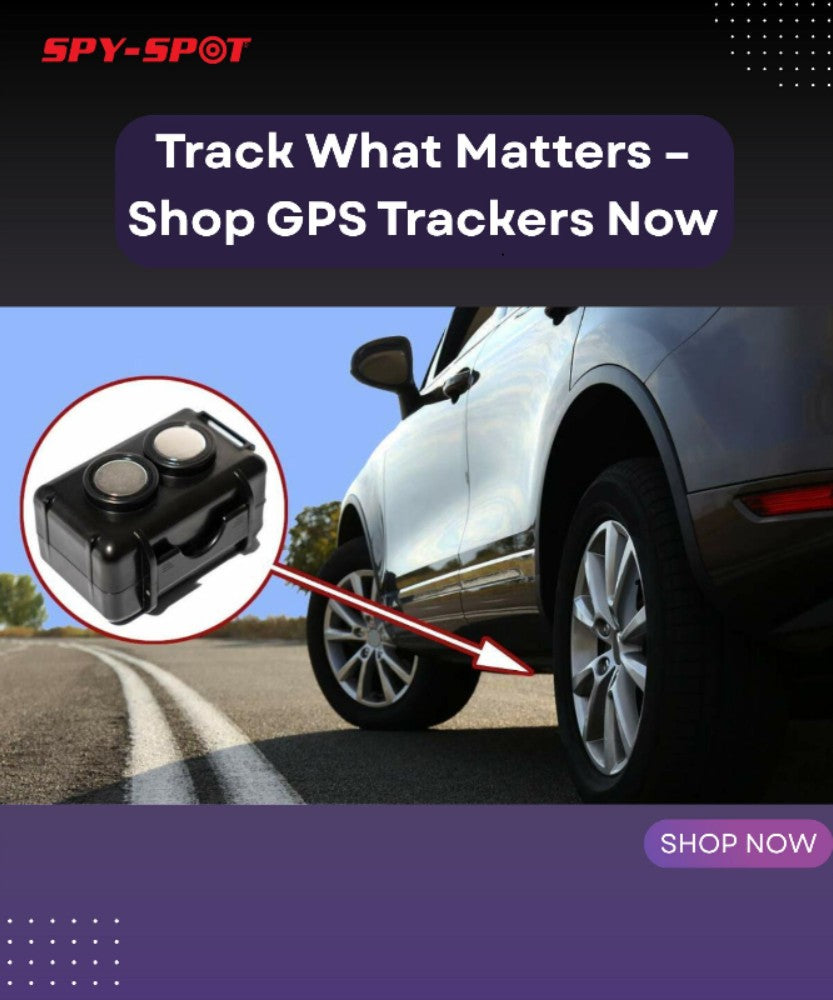
Credit: spy-spot.com
Signs Of A Hidden Gps Tracker
Finding a hidden GPS tracker in your car can be tough. These devices are small and well-hidden. But some signs can help you spot them.
Look carefully around your vehicle. Check for anything unusual or out of place. This guide will help you find common signs of a hidden GPS tracker.
Unusual Wiring Or Devices
Hidden GPS trackers often connect to your car’s power source. Look for extra wires or devices that seem out of place. They might be attached under the dashboard or near the fuse box.
- Loose or extra wires under the dashboard
- Small black boxes or gadgets hidden behind panels
- Unfamiliar devices clipped to the battery or wiring
- Strong glue or tape used to hold strange objects
- Unusual magnets attached to the car’s metal parts
Battery Drain And Interference
A hidden GPS tracker can use your car battery. This may cause the battery to drain faster than usual. You might also hear interference on your car radio or phone calls.
| Symptom | Possible Cause |
|---|---|
| Car battery drains quickly | Tracker drawing power |
| Static or noise on the radio | Tracker signal interference |
| Dropped phone calls inside the vehicle | GPS or cellular signal conflict |
Unexpected Vehicle Behavior
Your car may act strange if a tracker is present. You might notice the engine starting on its own or the car moving without your control. Some trackers have remote control features.
Signs of unexpected behavior include:
- Engine turning on or off without your input
- Car unlocking or locking by itself
- Unexplained lights blinking on the dashboard
- Strange sounds from the vehicle when parked

Credit: blog.eyespysupply.com
Tools Needed For Gps Detection
Finding a GPS tracker in your car requires some special tools. These tools help detect signals or hidden devices inside the vehicle. Knowing what tools to use makes the search easier and faster.
This guide explains three main tools for GPS detection. Each tool works in a different way to help find trackers.
Rf Signal Detectors
RF signal detectors pick up radio frequencies that GPS trackers emit. These devices scan the area around your car. When they find a signal, they alert you with sounds or lights.
- Carry the detector close to the car, inside and outside.
- Look carefully in hidden spots like under seats or inside panels.
- Check for strong signals that may show a tracker’s location.
Mobile Apps For Gps Scanning
Some mobile apps can scan for GPS signals using your phone. These apps detect nearby GPS devices by tracking signal strength. They are easy to use but may need special phones for best results.
| App Name | Features | Device Required |
| GPS Signal Detector | Detects GPS and RF signals | Android Phone |
| Hidden Device Finder | Alerts on unusual signals | iOS and Android |
| Tracker Scanner Pro | Maps detected signals | Android Phone |
Flashlights And Mirrors
Flashlights and mirrors help you see into dark or hard-to-reach places. Shine the light into cracks and under seats. Use a mirror to look behind panels or inside tight areas.
Use this checklist for your search with flashlights and mirrors:
- Turn off the car lights to see better inside.
- Use a bright flashlight for clear visibility.
- Hold a small mirror at different angles to check hidden spots.
- Inspect areas like the dashboard, wheel well, and trunk.
Common Hiding Spots In Vehicles
Finding a GPS tracker in a car can be tricky. These devices are small and placed where people rarely look.
This guide shows common hiding spots to check carefully. Knowing these places helps you find any hidden trackers.
Under The Dashboard
The area under the dashboard is a favorite spot for hiding GPS trackers. It offers many small spaces near wiring and panels.
Check behind the glove box, near the steering column, and under the instrument panel. Trackers may be taped or clipped to wires.
Inside Wheel Wells
Wheel wells have plenty of hidden areas. Trackers can be attached to the inside walls or tucked behind mud flaps.
- Remove dirt and debris to see clearly.
- Use a flashlight to spot small devices.
- Look for unusual wires or boxes.
- Check near suspension parts and brake lines.
Under Seats And Upholstery
Trackers may hide under car seats or inside seat upholstery. Some devices fit into seat rails or under cushions.
| Location | How to Check |
| Under front seats | Look beneath the seat frame and cushions |
| Between seat seams | Use a flashlight and feel for hard objects |
| Seat rails | Inspect for attached devices or wiring |
Engine Compartment And Bumpers
The engine area and bumpers also hide GPS trackers well. These spots protect trackers from weather and being seen.
Common places to check include:
- Inside the engine bay near the battery or fuse box
- Behind bumper covers or inside the grille
- Near the frame rails under the car
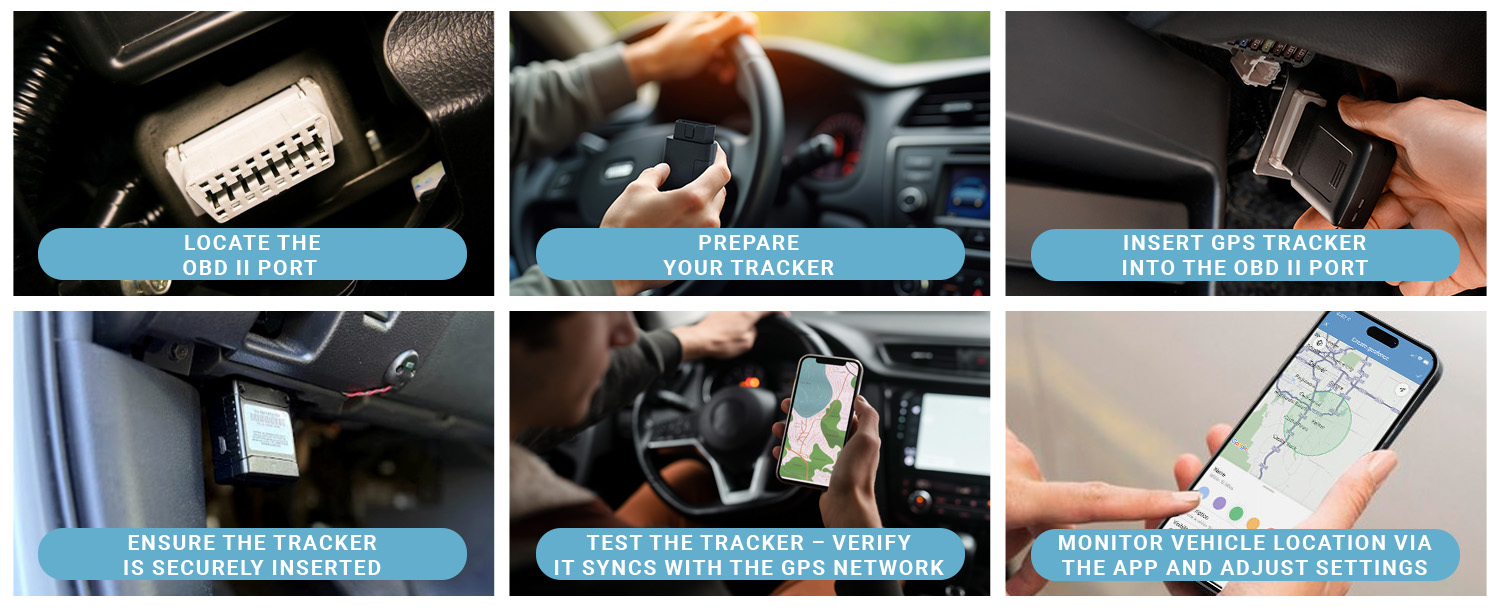
Credit: www.brickhousesecurity.com
Step-by-step Gps Tracker Search
Finding a GPS tracker hidden in your car can protect your privacy. Many people want to check their vehicles for unwanted tracking devices.
This guide shows simple steps to help you find a GPS tracker. You do not need special skills to follow these tips.
Visual Inspection
Look carefully inside and outside your car for unusual objects. GPS trackers are often small and hard to spot.
- Check under the dashboard and seats
- Look inside wheel wells and bumpers
- Inspect the engine compartment and under the car
- Search inside the glove box and trunk
- Use a flashlight to see dark areas clearly
Using An Rf Detector
An RF detector helps find signals sent by GPS trackers. These devices send radio waves to track your car’s location.
Turn on the RF detector and move it around your car slowly. Pay attention to any strong signal alerts. These signals may show the tracker’s location.
Checking For Magnetic Devices
Many GPS trackers attach to cars with magnets. These devices often stick to metal surfaces under the car.
| Common Magnetic Spots | Why Check |
| Underneath the chassis | Easy to hide and hard to see |
| Near the fuel tank | Less likely to be disturbed |
| Behind the bumper | Protected from weather and damage |
| Inside wheel wells | Hidden from plain view |
Testing For Battery Drain
Some GPS trackers draw power from the car battery. You may notice your battery drains faster than usual.
- Turn off your car and all devices
- Disconnect the battery and check voltage with a meter
- Wait 30 minutes, then check voltage again
- If voltage drops significantly, a device may be drawing power
- Search for wiring or devices connected to the battery
What To Do If You Find A Tracker
Finding a GPS tracker on your car can be scary. It means someone may be watching your movements.
You should stay calm and take careful steps to handle the device safely and correctly.
Documenting The Device
Take photos of the tracker without touching it too much. Note its size, shape, and color.
Write down where you found it on your car. This information helps if you report it later.
- Use your phone to take clear pictures
- Record the exact location on the car
- Note any numbers or labels on the device
Removing The Tracker Safely
Do not rush to remove the tracker. It may have wires or strong attachments.
Wear gloves to protect yourself. Use tools if needed to avoid damage to your car.
- Turn off your car to prevent electrical issues
- Gently check how the tracker is fixed
- Carefully detach it without breaking it
- Place the device in a safe container
Reporting To Authorities
Contact your local police to report the tracker. Provide all details and photos you took.
Keep the tracker as evidence. Follow the police instructions for next steps.
- Call the non-emergency police number
- Explain where and how you found the device
- Give copies of your photos and notes
- Do not try to track the device yourself
Preventing Future Gps Tracking
Finding a GPS tracker in your car can be alarming. It’s important to take steps to prevent future tracking. Ensuring your vehicle’s privacy is crucial for peace of mind.
There are several measures you can adopt to protect against unauthorized GPS tracking. Regular checks and safeguarding your vehicle’s privacy are key.
Regular Vehicle Inspections
Regular inspections help you find hidden devices. Check under seats, in the glove box, and around the dashboard. A flashlight can be useful for dark areas.
Pay attention to unfamiliar wires or small gadgets. These could be GPS trackers. Regular checks keep your car secure.
Using Signal Jammers Legally
Signal jammers can block GPS signals. They prevent tracking. Use them legally and understand local laws.
Ensure your device does not interfere with other signals. This keeps you compliant with regulations. Research before buying a jammer.
Securing Your Vehicle’s Privacy
Securing your car enhances privacy. Lock your car when not in use. This reduces the chance of someone planting a tracker.
Consider using a car alarm system. It alerts you to unauthorized access. These measures help protect your privacy.
- Lock doors when leaving the car
- Use a reliable car alarm system
- Park in secure, well-lit areas
Frequently Asked Questions
How Can I Detect A Gps Tracker In My Car?
To detect a GPS tracker, inspect your car carefully. Check hidden areas like under seats, bumpers, and wheel wells. Use a bug detector device to scan for signals. Look for unusual wires or devices attached to your car.
Where Are Gps Trackers Usually Hidden In Vehicles?
GPS trackers are often hidden under the dashboard, inside wheel wells, or beneath the car’s chassis. They may also be placed inside bumpers or attached magnetically to metal parts. Check common hiding spots thoroughly for unfamiliar gadgets.
Can I Find A Gps Tracker Without Special Tools?
Yes, you can find a tracker by visually inspecting your car. Look for small devices or wires not part of your vehicle. However, a bug detector or RF scanner improves accuracy and helps detect hidden trackers emitting signals.
How Do Gps Trackers Work In Cars?
GPS trackers use satellites to determine your car’s location. They send real-time data to a monitoring device or app via cellular networks. This allows owners or third parties to track the vehicle’s movements remotely.
Conclusion
Finding a GPS tracker in your car is possible with careful checking. Start by inspecting common hiding spots like under seats or dashboards. Use a strong magnet or scanner to detect electronic devices. Trust your instincts if something feels unusual or out of place.
Regularly checking helps keep your privacy safe and your car secure. Stay alert and take action quickly if you find anything suspicious. Simple steps can protect you and give peace of mind. Stay informed and stay safe on the road.







