
Your car’s paint is more than just a color—it’s the first line of defense against scratches, fading, and damage. If you want your vehicle to look fresh and new for years, protecting that paint is key.
Imagine driving a shiny car that turns heads everywhere you go. Sounds great, right? But without the right care, your paint can lose its shine faster than you think. You’ll discover simple and effective ways to keep your car’s paint looking flawless.
Ready to give your car the protection it deserves? Let’s dive in.

Credit: www.turtlewax.com
Choosing The Right Car Wash
Protecting your car’s paint starts with how you clean it. Choosing the right car wash helps keep the paint smooth and shiny. Some methods clean better without causing damage.
Not all car washes are equal. Some are gentle and safe, while others can cause scratches or wear down the paint. Learn the differences to keep your car looking great.
Hand Wash Vs. Automatic Wash
Hand washing your car lets you control the cleaning process. You can use soft cloths and gentle soaps. It reduces the risk of scratches from brushes or machines.
Automatic washes are fast and convenient. They use brushes or high-pressure water jets. Some machines may leave swirl marks or small scratches on paint.
- Hand Wash: Gentle, careful, less risk of damage.
- Automatic Wash: Quick, easy, may cause minor scratches.
- Touchless Automatic: Uses high-pressure water only, safer for paint.
- Frequency: Washing too often or too roughly harms paint.
Best Soaps For Paint Protection
Not all soaps clean paint safely. Some contain harsh chemicals that strip wax or damage clear coats. Choose pH-balanced soaps made for cars.
| Soap Type | Effect on Paint | Use Case |
| pH-Balanced Car Soap | Safe, protects wax layer | Regular hand washing |
| Dish Soap | Harsh, removes wax | Not recommended |
| Waterless Wash | Good for light dirt | Quick clean without water |
| Foam Cannon Soap | Protective, gentle | Use with foam gun or pressure washer |
Credit: drtint.com
Proper Washing Techniques
Protecting your car’s paint starts with the right washing methods. Proper washing keeps the paint clean and shiny.
Using correct tools and gentle techniques helps prevent damage like scratches and swirls on the paint surface.
Using Microfiber Cloths
Microfiber cloths are soft and gentle on your car’s paint. They pick up dirt without scratching the surface.
Use clean microfiber cloths to wash and dry your car. Change cloths if they get too dirty during washing.
- Choose high-quality microfiber cloths made for cars
- Use separate cloths for washing and drying
- Wash microfiber cloths after each use to remove dirt
Avoiding Scratches And Swirls
Scratches and swirls damage the paint and make it look dull. Avoid rubbing dirt hard on the surface.
Use a two-bucket wash system to reduce dirt contact. One bucket holds soapy water; the other holds clean water to rinse your cloth.
- Do not use dirty or rough towels
- Wash your car in straight lines, not circles
- Rinse thoroughly before washing to remove loose dirt
- Dry with a clean microfiber cloth gently
Waxing And Sealing
Protecting your car’s paint keeps it looking new and shiny. Waxing and sealing add layers of defense against dirt and weather.
These methods help your car stay clean longer and make washing easier. Both waxes and sealants have their own benefits.
Types Of Wax
There are several types of wax you can use to protect your car’s paint. Each has a different look and lasts for a different time.
- Carnauba Wax:Made from natural palm leaves. It gives a deep shine and a warm glow.
- Synthetic Wax:Made with polymers. It lasts longer and handles harsh weather well.
- Paste Wax:Thick and durable. It takes more effort to apply but protects well.
- Liquid Wax:Easy to apply and quick to dry. It gives a good shine but may not last as long.
- Spray Wax:Fast and simple. It offers light protection and quick touch-ups.
Applying Sealants For Longevity
Sealants form a tough, long-lasting layer over your car paint. They often last longer than wax and resist water and dirt.
| Sealant Type | Durability | Features |
| Polymer Sealants | 6 to 12 months | Strong protection, water resistant |
| Synthetic Sealants | 6 to 9 months | Glossy finish, easy to apply |
| Hybrid Sealants | 9 to 12 months | Mix of wax and polymer, balanced shine and durability |
To apply sealants, clean and dry your car first. Use a foam applicator and spread the sealant in small sections. Let it cure before wiping off.
Paint Protection Films
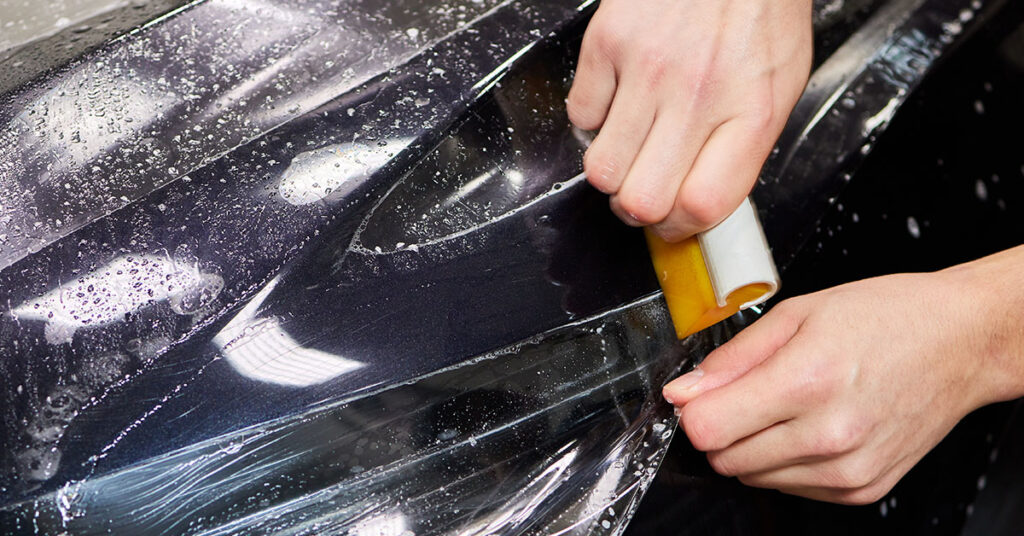
Paint protection films are clear layers applied on car paint. They help keep the paint safe from damage.
These films protect the car from scratches, dirt, and weather effects. They are a smart way to keep your car looking new.
Benefits Of Clear Films
Clear paint protection films offer many benefits for car owners. They keep the paint clean and fresh for a long time.
They help avoid costly repairs and keep the car’s value high. The film is almost invisible and does not change the car’s look.
- Prevents scratches and chips from stones
- Protects paint from UV rays and fading
- Keeps the car clean by repelling dirt
- Maintains the car’s resale value
- Easy to clean and maintain
Installation Tips
Proper installation is key to the film’s performance. Clean the car surface well before applying the film.
Use a professional or follow clear instructions for the best results. Avoid air bubbles and wrinkles during the process.
- Wash and dry the car thoroughly
- Remove any wax or grease from the surface
- Use soapy water to position the film
- Smooth out air bubbles with a squeegee
- Trim edges carefully for a neat finish
Ceramic Coatings
Ceramic coatings provide a protective layer over your car’s paint. This helps to keep your car looking new for a longer time.
These coatings bond with the paint, creating a hard surface. This makes it resistant to scratches and environmental damage.
How Ceramic Coatings Work
Ceramic coatings work by creating a chemical bond with the car’s paint. This bond is strong and protects against many elements.
- Clean the car surface thoroughly before application.
- Apply the ceramic coating evenly over the paint.
- Allow the coating to cure and form a hard layer.
Maintenance After Application
Maintaining your ceramic coating is simple but important. Regular care ensures the coating lasts as long as possible.
- Wash your car regularly to remove dirt and grime.
- Avoid using harsh chemicals that can degrade the coating.
- Use soft cloths or sponges to prevent scratches.
| Maintenance Task | Frequency |
| Regular washing | Once a week |
| Check for damage | Monthly |
| Reapply coating | Every 2 years |
Dealing With Environmental Damage
Car paint faces many challenges from the environment. Protecting it is important for keeping your car looking new. Environmental damage can come from many sources, like bird droppings, tree sap, and UV rays.
Knowing how to handle these threats will help maintain your car’s appearance. Simple steps can make a big difference in protecting your car’s paint.
Preventing Bird Droppings And Tree Sap
Bird droppings and tree sap can harm your car’s paint. They contain substances that can etch the paint if left too long. Quick action is key to preventing damage.
Wash off bird droppings and tree sap as soon as you see them. Use a soft cloth and mild soapy water. Park your car in a garage or under a cover to keep it safe.
- Regularly check your car for bird droppings.
- Use a car cover when parked under trees.
- Wash your car weekly to remove any residues.
Protecting Against Uv Rays
UV rays from the sun can fade and damage your car’s paint. They cause the color to lose its shine over time. Protecting your car from UV rays is crucial.
Waxing your car helps create a barrier against the sun. Use a high-quality car wax every three months. Parking in the shade also helps reduce UV exposure.
- Apply wax for a protective layer on your car.
- Use sunshades when parking outdoors.
- Consider using a UV-resistant car polish.
Regular Maintenance Habits
Protecting your car’s paint requires regular care. Small actions can keep the paint shiny and safe.
Check your car often and fix any paint damage early. This helps avoid bigger problems later.
Routine Inspections
Look over your car’s paint every week. Check for scratches, chips, or dirt that can harm the surface.
- Wash the car gently with soap and water
- Look closely for small scratches or dents
- Check the paint near the wheels and bumpers
- Clean bird droppings and tree sap quickly
- Wax the car every few months to protect the paint
Touch-up Paint Tips
Fix small chips and scratches with touch-up paint. Use the right color and apply carefully.
| Step | Action |
| 1 | Clean the damaged area with water and mild soap |
| 2 | Dry the spot completely |
| 3 | Shake the touch-up paint well before use |
| 4 | Apply the paint in thin layers with a small brush |
| 5 | Let each layer dry before adding another |
| 6 | Finish with a clear coat to seal the paint |

Credit: goldwingautocare.com
Frequently Asked Questions
What Is The Best Way To Protect Car Paint?
Regular washing and waxing are the best ways to protect car paint. Wax adds a protective layer against dirt and UV rays. Use quality car wash products to avoid scratches. Applying a paint sealant offers longer-lasting protection than wax.
How Often Should I Wax My Car Paint?
Wax your car every 3 to 4 months for optimal protection. Frequent waxing maintains the paint’s shine and shields it from weather damage. Avoid over-waxing, which can build up and dull the finish. Seasonal waxing adjusts protection based on environmental exposure.
Can Sunlight Damage Car Paint?
Yes, sunlight can fade and damage car paint over time. UV rays break down paint pigments and cause oxidation. Using wax or ceramic coatings can block UV rays effectively. Parking in shaded areas also helps minimize sun damage.
Is Washing A Car Harmful To Its Paint?
Washing is safe if done correctly with proper techniques and products. Use soft microfiber cloths and gentle car shampoos to avoid scratches. Avoid automatic car washes with harsh brushes. Rinse thoroughly to remove dirt and prevent paint abrasion.
Conclusion
Protecting your car paint keeps your vehicle looking fresh and new. Regular washing removes dirt and prevents damage. Applying wax adds a strong layer of protection. Avoid parking under trees to stop sap and bird droppings. Small scratches can grow if not treated early.
Taking simple steps saves money on costly repairs later. Your car’s shine reflects how well you care for it. Keep the paint safe, and enjoy a beautiful ride every day.







