
Have you ever wondered how some drivers seem to avoid speeding tickets effortlessly? The secret often lies in a simple device called a radar detector.
But what does a radar detector actually do, and how can it help you stay one step ahead on the road? If you want to protect your driving record and save money on fines, understanding this tool is essential. Keep reading to discover how a radar detector works and why it might be the smart addition your car needs.
Credit: www.vortexradar.com
How Radar Detectors Work
Radar detectors help drivers know when police use radar guns. These devices sense radar signals from law enforcement.
They warn drivers to slow down before getting a ticket. Let’s see how they detect and process radar signals.
Detecting Radar Signals
Radar detectors scan the air for radar waves. Police radar guns send out these waves to check car speed.
The detector’s antenna picks up these waves. It works like a radio that listens for specific signals.
Types Of Radar Technology
Police use several radar types to catch speeding drivers. Each type works on different radio frequencies.
- X-band: Older radar type, uses lower frequency.
- K-band: Common radar, higher frequency than X-band.
- Ka-band: Newest radar, highest frequency used by police.
- Laser (LIDAR): Uses light pulses instead of radio waves.
Radar detectors can sense most radar bands. Some models also detect laser signals.
Signal Processing And Alerts
When a radar detector finds a signal, it analyzes the frequency and strength. The device decides if it is a threat.
If the signal matches police radar, the detector alerts the driver. Alerts can be sounds, lights, or vibrations.
- Sound alerts warn with beeps or tones.
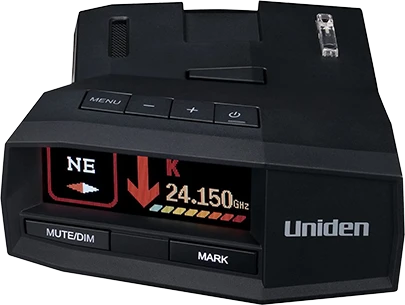
- Visual alerts show radar type and signal strength.
- Vibration alerts let drivers feel warnings discreetly.
Benefits Of Using Radar Detectors
Radar detectors help drivers by alerting them to nearby speed monitoring devices. These devices use radio waves to detect a vehicle’s speed. Using a radar detector can improve your driving experience in several ways.
Drivers can use radar detectors to stay aware of their speed and avoid surprises from law enforcement. This tool offers practical benefits for everyday driving.
Avoiding Speeding Tickets
Radar detectors warn you when police use radar guns nearby. This helps you reduce your speed in time. Avoiding speeding tickets saves money and keeps your driving record clean.
- Receive early alerts of speed traps
- Adjust speed before being noticed
- Lower risk of fines and penalties
- Stay within legal speed limits
Enhancing Driver Awareness
Radar detectors increase your awareness of your surroundings. They alert you about speed checks and other radar signals. This can lead to safer driving habits and less stress on the road.
| Feature | Benefit |
| Radar Alerts | Know about speed traps early |
| Signal Detection | Stay aware of police radar use |
| Visual and Audio Warnings | React quickly to alerts |
Reducing Insurance Costs
Using a radar detector can help you avoid speeding tickets, which often raise insurance rates. Some insurance companies may offer lower rates for drivers with clean records.
Ways radar detectors may lower insurance costs:
- Fewer tickets lead to fewer points on your license
- Clean record may qualify you for discounts
- Improved driving behavior reduces accident risk
Limitations And Challenges
Radar detectors help drivers spot speed monitoring devices. They alert you to nearby radar signals. Still, these devices face some challenges that limit their use.
Understanding these limits can help you use radar detectors better and avoid problems on the road.
False Alarms And Interference
Radar detectors often pick up signals that are not police radars. These false alarms can distract drivers and reduce trust in the device.
- Automatic doors at stores
- Adaptive cruise control systems on other cars
- Traffic sensors embedded in roads
- Other electronic devices emitting radar-like signals
Legal Restrictions By Region
Radar detector laws vary across countries and states. Some places ban their use completely. Others allow them with limits.
| Region | Radar Detector Status |
| United States (most states) | Legal |
| Washington D.C. | Illegal |
| Canada (some provinces) | Illegal |
| Europe (most countries) | Illegal |
| Australia | Illegal |
Technology Limitations
Radar detectors cannot catch all speed monitoring methods. Some police use laser guns that are hard to detect.
- Laser speed detectors give short warning time.
- New radar types may use frequencies outside detector range.
- Radar detectors may fail in bad weather or heavy traffic.
- Some cars have built-in radar jammers that block signals.
Credit: www.vortexradar.com
Features Of Modern Radar Detectors
Radar detectors help drivers detect police radar signals. Modern models have many new features. These features improve safety and convenience.
Below are some key features found in today’s radar detectors. Each one adds useful functions for drivers.
Gps Integration
Many radar detectors include GPS technology. This helps to store locations of speed traps and red light cameras. The device can warn you before you reach these spots.
- Stores known speed trap locations
- Alerts for red light and speed cameras
- Tracks your speed and location
- Updates location data via software
Smartphone Connectivity
Smartphone apps can connect to radar detectors. This connection adds extra features and easier control. You can update settings and check alerts on your phone.
| Feature | Benefit |
| Remote updates | Always have latest radar info |
| App alerts | Get notifications on your phone |
| Settings control | Change modes without touching the detector |
| Community reports | Share and receive radar alerts from other users |
Voice Alerts And Display Options
Voice alerts let the driver keep eyes on the road. The detector announces warnings clearly. Display options show signal strength and radar type.
- Clear voice warnings for different radar bands
- Bright LED or OLED displays
- Customizable alert tones and volume
- Night mode for low light driving
Choosing The Right Radar Detector
Radar detectors help drivers detect speed monitoring devices. They alert you to stay within speed limits. Choosing the right one fits your needs and budget.
Consider several factors before buying. This guide covers budget, vehicle compatibility, and user feedback.
Budget Considerations
Radar detectors come in many price ranges. Higher price often means more features but not always better for everyone.
- Set a clear budget before shopping
- Basic models work well for casual drivers
- Advanced models include GPS and voice alerts
- Check for long-term value, not just price
Compatibility With Vehicle
Not all radar detectors work with every vehicle type. Check the device’s size and power needs.
| Vehicle Type | Recommended Detector Feature |
| Car | Compact size, easy mount |
| Truck | Strong signal range, rugged design |
| Motorcycle | Water-resistant, lightweight |
User Reviews And Ratings
Reading reviews helps you learn real user experiences. Look for common praises or complaints.
Check these points in reviews:
- Detection accuracy and false alarms
- Ease of use and installation
- Customer service and warranty support
Installation And Maintenance Tips
Installing and maintaining a radar detector can help in avoiding speeding tickets. Learn the best practices to keep your device effective and accurate.
Follow these guidelines to ensure your radar detector is always in optimal working condition.
Proper Mounting Locations
Choosing the right location for mounting your radar detector is crucial for its performance. A well-placed detector can efficiently scan for signals.
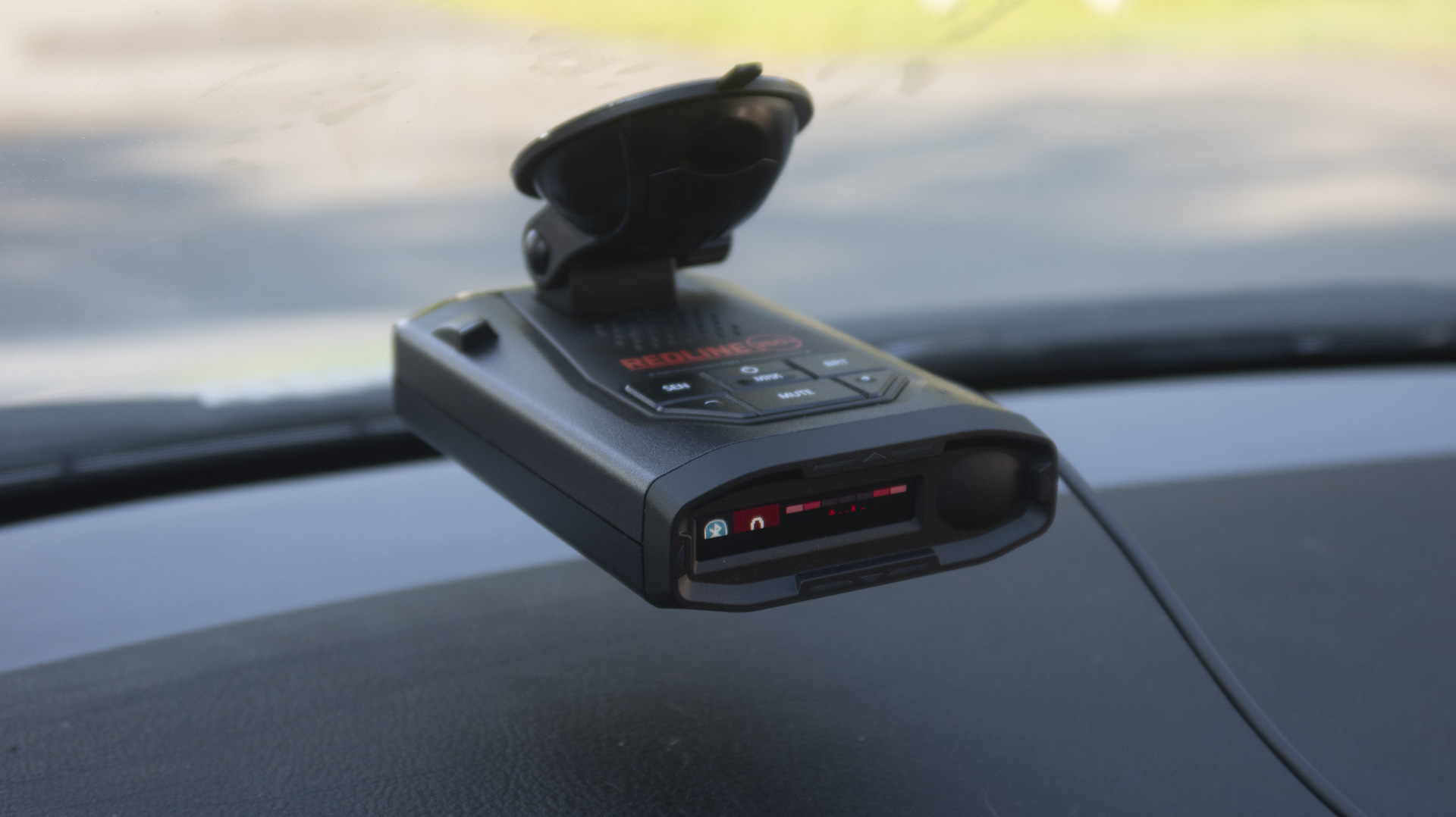
- Mount on the windshield for best line of sight.
- Avoid mounting behind metal objects.
- Ensure the device is level and not tilted.
Software Updates
Keeping your radar detector’s software up-to-date is important. Updates can improve detection capabilities and add new features.
Troubleshooting Common Issues
Even the best devices may encounter issues. Knowing how to troubleshoot can save time and ensure functionality.
| Issue | Solution |
| No power | Check the power connection and fuse. |
| False alerts | Reposition the detector or adjust sensitivity settings. |
| Weak signals | Ensure the detector is not obstructed by objects. |
Legal Aspects Of Radar Detector Use
Radar detectors can help drivers avoid speeding tickets. They are not legal everywhere, so it’s important to know the rules.
Different regions have different laws about radar detectors. Understanding these laws can keep you out of trouble.
Regions Where Detectors Are Allowed
In some places, radar detectors are legal to use. These regions allow drivers to detect speed traps without penalties.
- Most U.S. states allow radar detectors, except Virginia and Washington D.C.
- In Canada, radar detectors are banned in most provinces, but allowed in British Columbia and Alberta.
- In Europe, the legality varies widely, so always check local laws before using one.
Penalties For Illegal Use
Using a radar detector where it is not allowed can lead to fines. It is crucial to be aware of the consequences.
| Region | Penalty |
| Virginia | Fine up to $100 |
| Washington D.C. | Confiscation of device |
| Ontario, Canada | Fine up to $1000 |
Staying Informed On Laws
Laws can change over time. It is important to stay updated on the latest radar detector regulations.
Some apps and websites provide updates on radar detector legality. These resources help you stay informed and avoid penalties.
Credit: www.thedrive.com
Future Trends In Radar Detection
Radar detectors help drivers spot radar signals used by police. They warn about speed checks ahead. New technology will make these devices smarter and more useful.
Radar detection will grow with new features. These changes will improve safety and driving experience. Let’s look at some key trends coming soon.
Integration With Autonomous Vehicles
Radar detectors will work with self-driving cars. They will share data to improve vehicle awareness. This helps cars detect police radar and adjust speed safely.
Integration means better real-time updates. Autonomous vehicles can react faster to radar signals. This supports safer and smoother driving in all conditions.
Advanced Signal Detection
Future radar detectors will detect more types of radar signals. They will use smarter chips and software. This reduces false alerts from other devices.
- Detects new radar bands used by police
- Filters out signals from automatic doors or sensors
- Uses AI to learn and improve detection over time
Enhanced User Interfaces
Radar detectors will have clearer displays and controls. They will show more detailed information in easy ways. Voice alerts and smartphone apps will help drivers stay focused.
- High-resolution screens with color codes
- Simple menus for quick settings
- App integration for alerts and updates
- Voice commands to keep hands on the wheel
Frequently Asked Questions
What Does A Radar Detector Do In A Vehicle?
A radar detector identifies radar signals from police speed guns. It alerts drivers to slow down, helping avoid speeding tickets. The device scans frequencies used by law enforcement to monitor vehicle speed.
How Does A Radar Detector Work Effectively?
Radar detectors scan radio waves emitted by speed enforcement devices. When detected, they alert the driver through sound or visual signals. This early warning allows drivers to adjust their speed before being caught.
Are Radar Detectors Legal To Use While Driving?
Radar detector legality varies by country and state. Some places allow them, while others ban their use. Always check local laws before using a radar detector to avoid fines or legal trouble.
Can Radar Detectors Detect Laser Speed Guns?
Yes, advanced radar detectors can detect laser (LIDAR) speed guns. They sense the specific light pulses emitted by laser speed devices. However, detection range for lasers is shorter than radar signals.
Conclusion
A radar detector helps drivers notice speed radar signals early. It gives time to slow down safely. This tool can reduce the chance of getting speeding tickets. Yet, it does not replace careful and responsible driving. Always follow speed limits and road rules.
Using a radar detector wisely supports safer driving habits. It is a helpful device, but not a guarantee. Drive smart, stay alert, and use tools to assist you. That way, you protect yourself and others on the road.







