
Have you ever wondered what a car detail really includes? You might think it’s just a quick wash or vacuum, but there’s so much more to it.
Your car deserves the best care, and knowing exactly what a detail involves can help you keep it looking new and fresh for longer. You’ll discover all the key steps that make a car detail worth your time and money.
Keep reading to find out how a professional detail can transform your car inside and out.
Exterior Cleaning
Exterior cleaning is a key part of car detailing. It helps keep the car looking fresh and protects the paint.
This process involves many steps to clean and restore the outside of the vehicle.
Washing And Drying
Washing removes dirt, dust, and grime from the car’s surface. It prepares the car for deeper cleaning steps.
Drying stops water spots and protects the paint from damage. Soft towels or air dryers are used.
Clay Bar Treatment
A clay bar removes tiny particles stuck on the paint. These particles do not come off with washing alone.
The clay bar smooths the surface. This makes polishing and waxing easier and more effective.
Polishing And Buffing
Polishing removes light scratches and swirl marks from the paint. It restores shine and clarity.
Buffing uses a machine or cloth to spread polish evenly. This step brightens the paint and smooths the surface.
Waxing And Sealing
Waxing protects the paint from dirt, water, and UV rays. It also adds a glossy finish to the car.
Sealing creates a strong protective layer. It lasts longer than wax and helps keep the car clean.
Interior Detailing
Interior detailing cleans and refreshes the inside of your car. It removes dirt, dust, and stains from all surfaces.
Proper care protects your car’s interior and keeps it looking new. This process covers many key areas.
Vacuuming And Shampooing
Vacuuming removes loose dirt from carpets, seats, and floor mats. Shampooing cleans deep stains and odors.
- Use strong vacuum to reach under seats and corners
- Apply special shampoo for fabric and carpet
- Scrub stains gently with soft brushes
- Dry thoroughly to prevent mold or mildew
Dashboard And Console Care
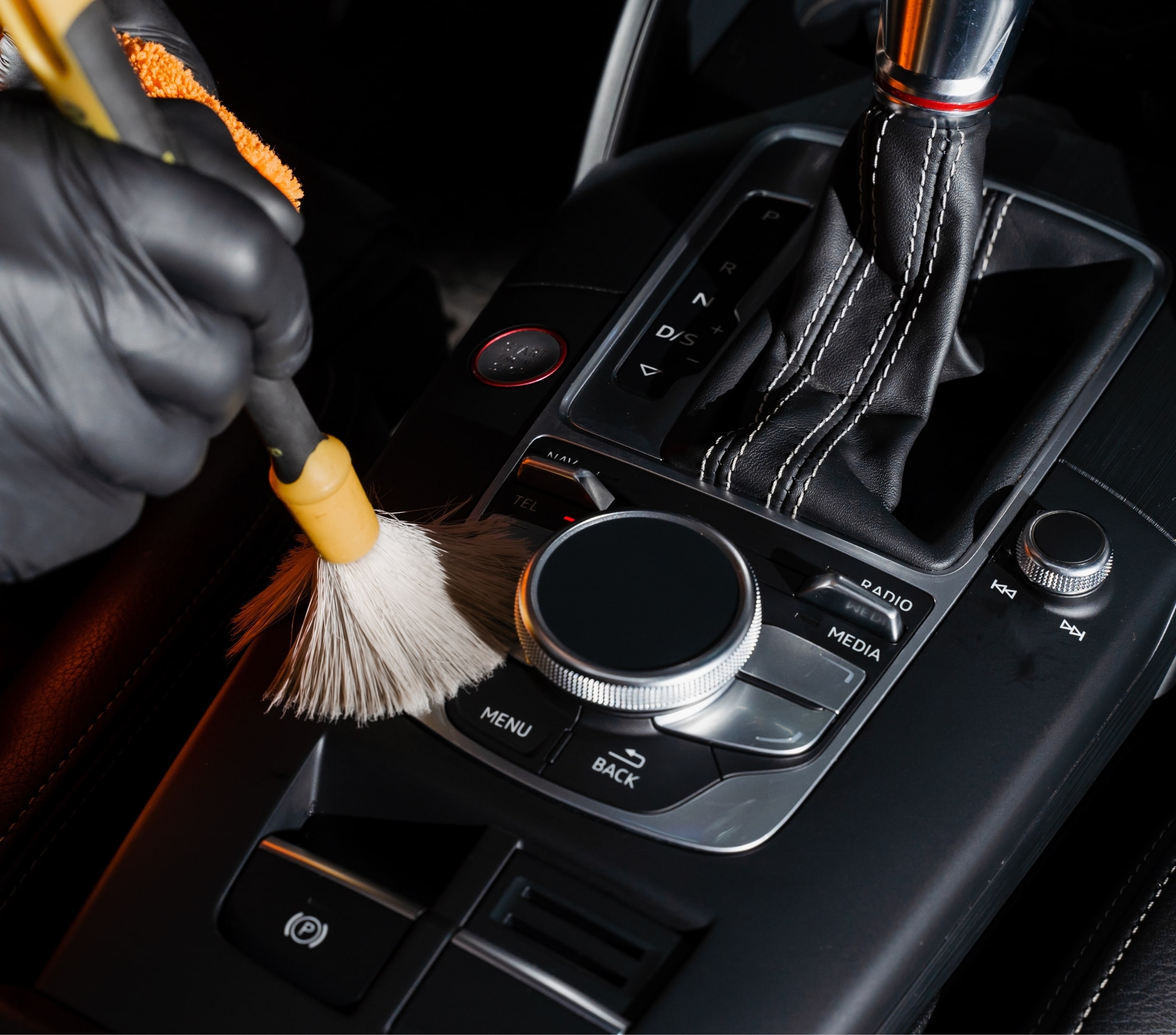
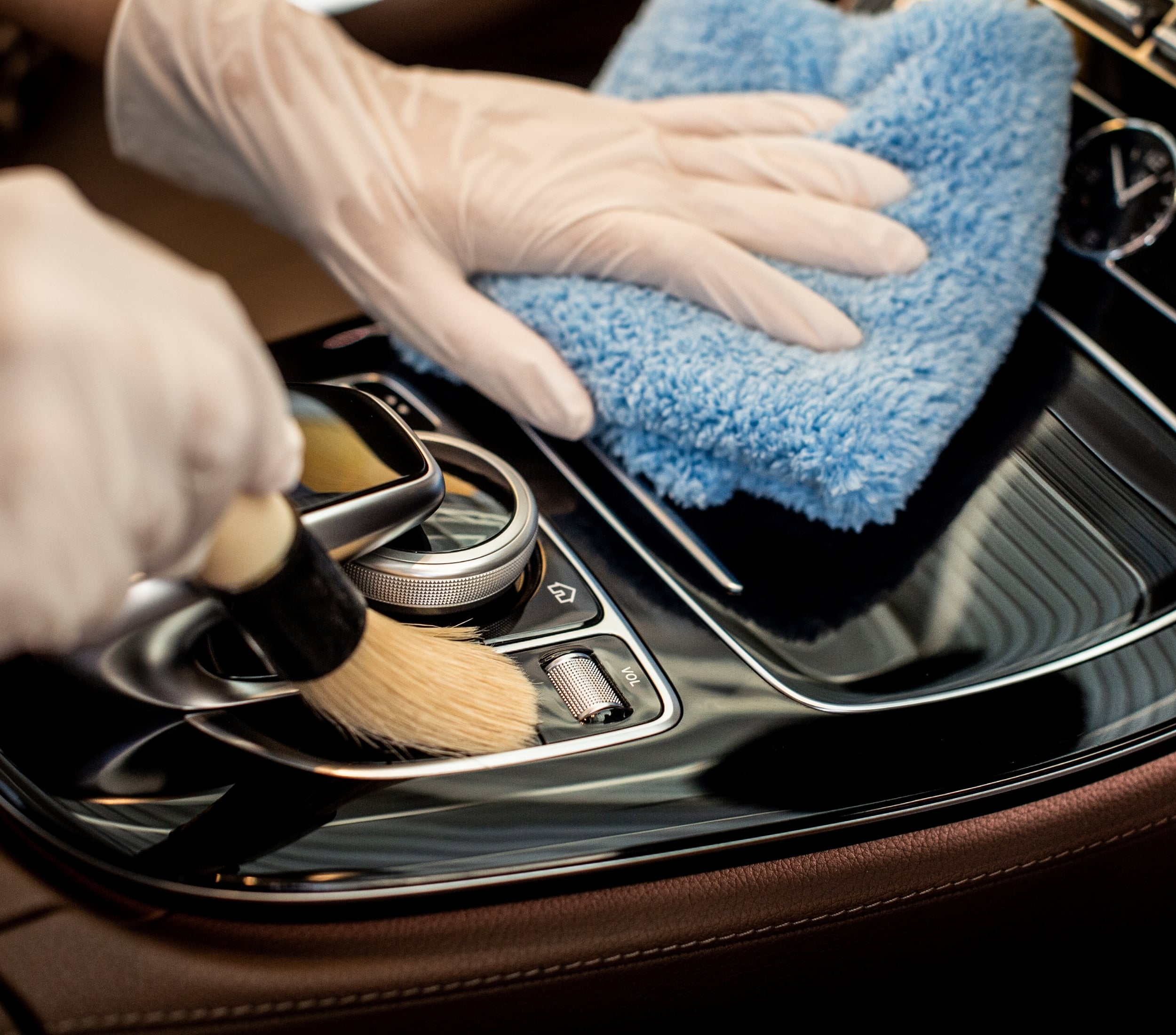
Dust and wipe the dashboard and console to remove grime. Use cleaners safe for plastic and vinyl surfaces.
| Surface | Cleaning Method |
| Dashboard | Soft cloth with mild cleaner |
| Console | Detail brush and wipe |
| Air Vents | Compressed air or brush |
Leather And Upholstery Treatment
Leather needs gentle cleaning and conditioning to stay soft. Fabric seats benefit from stain protection and deodorizing.
Leather care steps:
- Clean with leather-safe cleaner
- Wipe with soft cloth
- Apply conditioner evenly
- Buff to shine
Glass And Mirror Cleaning
Windows and mirrors get spots and smudges. Clean them with glass cleaner and a lint-free cloth.
- Spray cleaner on cloth, not glass
- Wipe in circular motions
- Dry edges to avoid streaks
- Check for spots from inside and outside
Engine Bay Cleaning
Cleaning the engine bay keeps your car running smoothly. It removes dirt, grease, and grime that build up over time.
A clean engine bay also helps spot leaks and prevents damage to parts.
Degreasing And Washing
Degreasing removes oil and grease from engine parts. Washing clears dust and dirt for a fresh look.
- Cover sensitive electrical parts with plastic wrap
- Apply degreaser to oily and dirty areas
- Let the degreaser sit for a few minutes
- Use a brush to scrub tough spots
- Rinse gently with water to avoid damage
- Dry the engine bay with a microfiber towel
Protective Coatings
Protective coatings keep the engine bay clean longer. They guard parts against dirt and corrosion.
| Coating Type | Benefit | Application |
| Silicone Spray | Water repellent | Spray on plastic and rubber parts |
| Protective Wax | Shiny finish | Apply with cloth on metal surfaces |
| Rust Preventive | Stops corrosion | Use on exposed metal areas |
Wheel And Tire Care
Taking care of your wheels and tires is important in a car detail. It makes your vehicle look clean and well-kept.
Proper wheel and tire care helps protect them from damage and wear. It also improves your car’s appearance.
Cleaning And Degreasing
Cleaning wheels and tires removes dirt, brake dust, and grease. This keeps them looking fresh and prevents buildup.
Use a special cleaner made for wheels. Spray it on and scrub with a brush to reach all areas.
- Spray wheel cleaner evenly
- Use a soft brush for delicate parts
- Scrub tires to remove grime
- Rinse thoroughly with water
Tire Dressing
Tire dressing adds shine and protects the rubber. It helps keep tires looking new and prevents cracking.
Apply tire dressing with a foam applicator. Spread it evenly and let it dry for best results.
- Choose a water-based dressing for a natural look
- Use a small amount to avoid dripping
- Cover the entire tire sidewall
- Let the dressing dry before driving
Paint Protection Options
Protecting your car’s paint keeps it looking new longer. Different options offer various levels of protection.
Choosing the right paint protection depends on your needs and budget. Here are common options to consider.
Ceramic Coatings
Ceramic coatings create a hard layer on the paint surface. They protect against dirt, water, and light scratches.
These coatings last longer than wax or sealants. They also make cleaning easier and improve shine.
Paint Protection Films
Paint protection films are clear plastic layers applied to the car’s surface. They guard against chips and scratches.
The film covers vulnerable areas like the front bumper and hood. It helps keep the paint intact after impacts.
- Protects from stone chips and road debris
- Usually invisible when applied properly
- Can be replaced if damaged
Sealants Vs. Waxes
Sealants and waxes both protect paint but work differently. Sealants last longer than wax but may look less shiny.
Waxes give a deep, warm shine but need reapplying often. Sealants are synthetic and form a stronger barrier.
- Sealants: durable, synthetic, last 4-6 months
- Waxes: natural, enhance shine, last 4-6 weeks
- Both protect from UV rays and dirt
Credit: jrekautocare.com
Benefits Of Professional Detailing
Professional car detailing offers many benefits for your vehicle. It enhances appearance and can improve resale value. Regular detailing even helps to extend the life of your car.
Enhanced Appearance
Detailing makes your car look like new. Professionals clean every inch, including hard-to-reach places. This gives your vehicle a fresh and polished look.
- Restores paint shine
- Cleans interior surfaces thoroughly
- Removes dirt and grime
Increased Resale Value
A well-maintained car is more attractive to buyers. Detailing ensures your vehicle is in top condition, which can increase its resale value. A clean car gives a good impression and can help you get a better price.
Prolonged Vehicle Life
Regular detailing protects your car from damage. Cleaning and waxing shield the paint from harsh weather. Interior cleaning prevents wear and tear, making your car last longer.
| Detailing Task | Benefit |
| Waxing | Protects paint |
| Interior cleaning | Prevents damage |
| Engine bay cleaning | Improves performance |
Diy Vs. Professional Detailing
Car detailing involves cleaning and restoring a vehicle to its best condition. You can do this yourself or hire a professional.
Each choice has its own benefits and drawbacks. Let’s explore these aspects to help you decide.
Cost Comparison
Cost is a major factor when choosing between DIY and professional detailing.
- DIY: Often cheaper, as you buy only the materials.
- Professional: Usually more expensive, but may offer package deals.
Time And Effort
Consider how much time and effort you are willing to invest.
| Method | Time Required | Effort Level |
| DIY | Several hours | High |
| Professional | Drop-off and pick-up | Low |
Quality Of Results
The quality of detailing can vary greatly between DIY and professional services.

Credit: ricksreflections.com
Credit: jrekautocare.com
Frequently Asked Questions
What Services Are Included In A Car Detailing Package?
Car detailing typically includes exterior washing, waxing, polishing, and interior vacuuming. It also covers cleaning windows, tires, and engine bays for a complete refresh.
How Long Does A Full Car Detail Take?
A full car detail usually takes 2 to 6 hours depending on the vehicle size and condition. More extensive services may require additional time.
Is Car Detailing Better Than A Regular Car Wash?
Yes, detailing is more thorough. It cleans, restores, and protects every part of the car, unlike a basic wash that only removes surface dirt.
How Often Should I Get My Car Detailed?
Most experts recommend detailing every 4 to 6 months to maintain the car’s appearance and protect its value.
Conclusion
A car detail includes cleaning, polishing, and protecting your vehicle inside and out. It helps keep your car looking new and fresh. Regular detailing can protect paint and prevent damage. It also improves your car’s smell and comfort. Detailing takes time but results are worth it.
A clean car feels better to drive and shows you care. Consider scheduling a detail to keep your vehicle in top shape. Simple steps, big difference.







