
Imagine this: you’re parked, minding your own business, when suddenly a car reverses into your vehicle. What do you do next?
If you have a dash cam, you’re already one step ahead. Your dash cam doesn’t just record the moment—it could be your strongest proof when dealing with insurance or disputes. You’ll discover why having a dash cam matters, how it protects you in accidents like these, and what steps to take if your car is hit from behind.
Keep reading to learn how to turn a stressful situation into one you can handle with confidence.

Credit: sfl.media
Dash Cam Footage Reveals Crash
A car reversed into another vehicle, causing a crash. The incident was caught on a dash cam. This footage helps show what happened clearly.
Dash cams are useful tools for drivers. They record events on the road and can provide proof after accidents.
Key Moments Captured
The dash cam recorded the moments before the crash. It shows the reversing car moving slowly backward. The other car is parked and not moving.
The footage captures the exact time when the cars made contact. It clearly shows the point of impact and the direction of the crash.
- Reversing car moving backward
- Parked car stationary
- Contact point between the two cars
- Driver reactions after impact
Impact And Aftermath
The crash caused visible damage to both cars. The reversing car hit the side of the parked car. Both drivers got out to check the damage.
The dash cam footage helped in understanding the cause of the accident. It also showed that no one was hurt during the crash.
- Damage to the side of parked car
- Reversing car’s rear bumper impact
- Drivers inspecting the crash
- No injuries reported

Credit: www.reddit.com
Common Causes Of Reverse Collisions
Backing up a car can be risky. Many accidents happen when drivers reverse without full attention.
Understanding why reverse collisions occur helps drivers stay safer on the road.
Driver Distraction
Drivers often get distracted by phones, passengers, or other things inside the car. This distraction causes them to miss objects behind their vehicle.
- Using a phone while reversing
- Talking to passengers
- Adjusting the radio or GPS
- Looking away from the rearview mirror
Limited Visibility
Rearview cameras help, but blind spots remain. Small objects, low walls, or children can be hard to see.
| Visibility Issue | Effect on Reversing |
| Blind spots | Objects hidden from mirrors |
| Poor lighting | Hard to see at night or in bad weather |
| Dirty rear window or camera | Obscures view behind the car |
Parking Challenges
Parking in tight spaces or crowded lots makes reversing harder. Drivers may misjudge distance or miss obstacles.
Common parking challenges include:
- Cars parked too close on sides
- Poles, shopping carts, or walls behind
- Sloped or uneven parking spots
- Limited space to turn the steering wheel
Safety Features That Help Prevent Reverse Accidents
Reversing a car can be risky, especially in busy places. Many accidents happen when drivers cannot see behind them well. Safety features help drivers avoid hitting objects or other cars while backing up.
These tools give drivers better views and alerts. They reduce the chance of accidents and keep everyone safer.
Backup Cameras
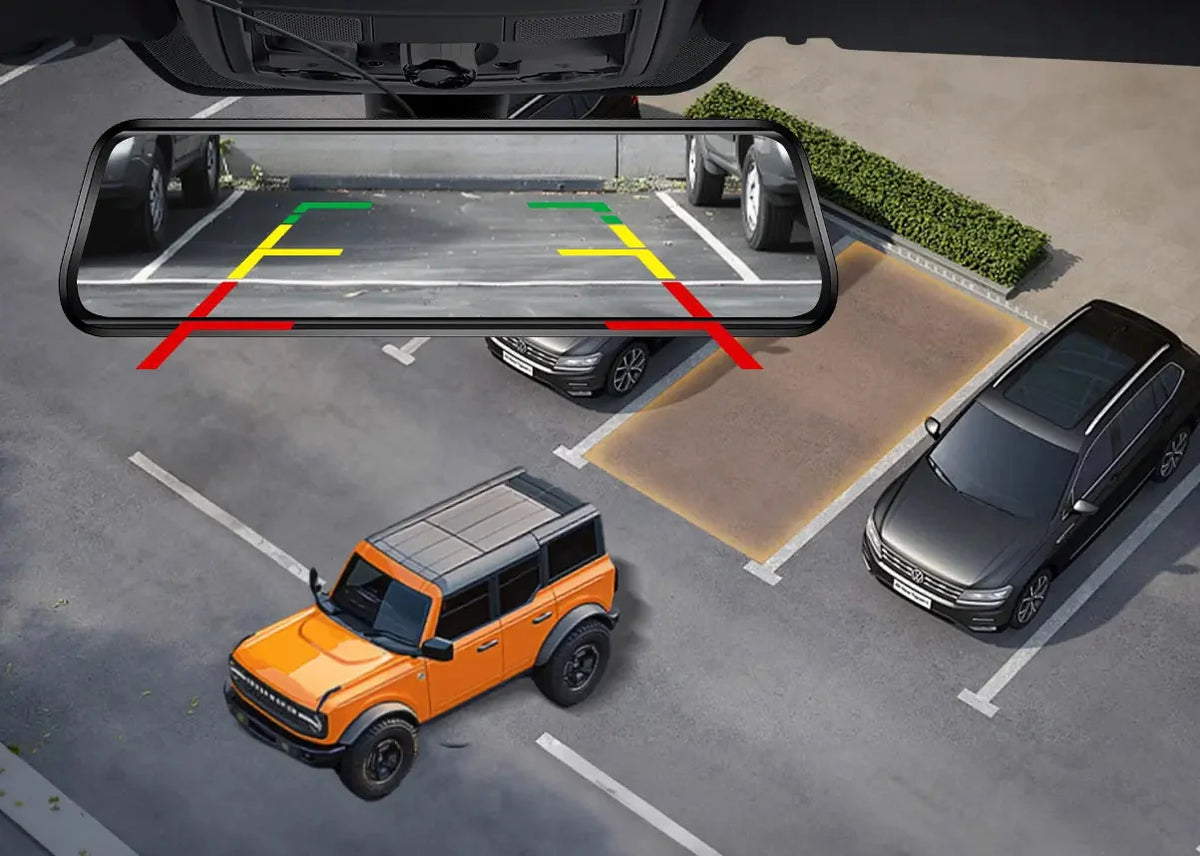
Backup cameras show a live video of the area behind the car. The video appears on a screen inside the vehicle. This helps drivers see blind spots that mirrors miss.
Backup cameras make it easier to spot small objects, pets, or children near the car. They also help drivers park more accurately.
Parking Sensors
Parking sensors use sound waves to detect objects near the rear of the car. They alert drivers with beeps that get faster as the car gets closer to an object.
These sensors warn drivers about obstacles they might not see. This helps prevent collisions during tight parking or reverse maneuvers.
- Detect objects behind the car
- Provide audible alerts
- Help during close parking situations
Automatic Braking Systems
Automatic braking systems stop the car if an obstacle is detected while reversing. They work with sensors and cameras to apply brakes quickly.
This feature prevents accidents by stopping the car before a collision happens. It adds an extra layer of safety for drivers and pedestrians.
Legal And Insurance Implications
Car accidents involving reversing vehicles often lead to legal and insurance questions. Dash cams can offer clear evidence to help resolve these issues.
This article explains how fault is determined, how dash cam footage is used, and what to expect during the claims process.
Determining Fault
Fault in reversing accidents depends on the situation and road laws. Usually, the driver moving backward must be extra careful.
- Check traffic rules for reversing vehicles in your area.
- Look at the position of the vehicles after the accident.
- Review statements from both drivers and witnesses.
- Consider if either driver failed to signal or look properly.
Using Dash Cam Evidence
Dash cam videos provide a clear view of the incident. They help show who was moving and what actions were taken.
| Benefit | Explanation |
| Clear Timeline | Shows exact moments before, during, and after the crash. |
| Objectivity | Provides unbiased footage of the event. |
| Supporting Claims | Helps prove or disprove fault in insurance cases. |
| Legal Use | Accepted as evidence in court proceedings. |
Claims Process
After an accident, follow these steps to file an insurance claim using dash cam evidence.
- Notify your insurance company as soon as possible.
- Submit the dash cam footage along with the claim form.
- Provide any additional documents like police reports.
- Cooperate with the insurance adjuster during the investigation.
- Keep records of all communications and claim updates.
Tips To Avoid Reversing Crashes
Reversing accidents happen often and can cause serious damage. Many crashes occur because drivers do not check their surroundings well. Using a dash cam can help record incidents but does not prevent them.
Following safe reversing tips can protect you and others. Simple habits and the right tools make reversing safer and easier.
Checking Surroundings
Look carefully around your vehicle before you start to reverse. Check mirrors and turn your head to see blind spots. Watch for children, pets, or objects behind your car.
- Walk around your car if needed
- Use side mirrors and rearview mirror
- Turn your head to check blind spots
- Look for moving objects like bicycles or pedestrians
Using Technology Wisely
Dash cams and parking sensors can help you avoid crashes. Use these tools to get extra information, but do not rely on them alone. Stay alert and keep watching as you reverse.
| Technology | Benefit | Limitations |
| Dash Cam | Records video of reversing | Does not warn of obstacles |
| Parking Sensors | Alerts you to nearby objects | Can miss small or low items |
| Rearview Camera | Shows view behind the car | Image may be blurry in bad weather |
Practicing Safe Parking
Park in safe areas and avoid tight spots. Take your time when parking and reversing. Use slow and smooth movements to control your car better.
Here are key safe parking tips:
- Choose well-lit and open spaces
- Keep space between your car and others
- Reverse slowly and watch mirrors
- Stop if unsure and check again
Impact Of Dash Cams On Road Safety
Dash cams are small cameras that record a car’s journey. They help improve road safety in many ways.
These cameras provide evidence during accidents. They also encourage better driving habits.
Deterrent Effect
Dash cams can stop drivers from breaking rules. Drivers know they are being recorded, so they drive safely.
This leads to fewer accidents and safer roads. People are more careful when they know someone is watching.
- Drivers avoid speeding
- Less tailgating occurs
- Fewer sudden lane changes
Accurate Incident Records
Dash cams record clear videos of incidents. This helps police and insurance companies understand what happened.
Accurate records make it easier to decide who is at fault. This speeds up the process of resolving claims.
| Benefit | Details |
| Evidence | Provides clear video of accidents |
| Resolution | Speeds up claim processes |
| Accountability | Ensures fair decisions |
Credit: wolfbox.com
Frequently Asked Questions
What Causes A Car To Reverse Into Another Vehicle?
Common causes include driver distraction, poor visibility, misjudgment of distance, or mechanical issues. Dash cams help identify the exact reason.
How Can Dash Cams Prove Fault In Reverse Collisions?
Dash cams record real-time footage, providing clear evidence of the incident. This helps insurance claims and legal processes by showing who is at fault.
Are Dash Cams Effective In Preventing Reverse Accidents?
Dash cams primarily record incidents; they don’t prevent accidents directly. However, they encourage cautious driving and can deter reckless behavior.
What Should I Do If My Car Is Reversed Into?
Stay calm and collect evidence, including dash cam footage. Exchange information with the other driver and report the incident to authorities and insurers promptly.
Conclusion
Dash cams show what really happens in car accidents. They help prove who caused the crash. Having clear video can save time and stress. Always keep your dash cam recording while driving. It gives you peace of mind on the road.
Small accidents can lead to big problems without proof. Stay safe and protect yourself with a dash cam. It’s a smart tool for every driver today.







