
Are you worried that someone might be tracking your car without your knowledge? Finding a hidden GPS tracker can be tricky, but it’s not impossible.
If you want to take control and protect your privacy, this guide is made just for you. You’ll learn simple, practical steps to spot a GPS tracker quickly and easily. Keep reading to discover how to find that hidden device and keep your car—and your life—safe.
Signs Of A Hidden Gps Tracker
Finding a hidden GPS tracker on your car can protect your privacy and safety. These devices are small and easy to hide. Knowing the signs helps you spot them early.
This guide covers common signs like unusual wires, battery issues, and how to inspect your car carefully.
Unusual Wires Or Devices
Look under your car and inside panels for extra wires or small boxes. These may not belong to your vehicle. Pay attention to wires that do not match the car’s usual setup.
- Loose or hanging wires in odd places
- Small black boxes attached to the frame
- Devices near the battery or under the seats
- Anything taped or clamped to the car’s body
Battery Drain And Signal Issues
A hidden GPS tracker uses power from your car battery. You may notice the battery drains faster than usual. Also, your phone or radio might have signal problems if a tracker interferes with signals.
| Symptom | Possible Cause |
| Quick battery drain | Tracker drawing power |
| Weaker phone signals | Tracker blocking signals |
| Radio noise or interference | Tracker signal overlap |
Physical Inspection Tips
Check common hiding spots carefully. Use a flashlight and a mirror for hard-to-see areas. Be gentle to avoid damage.
- Look inside wheel wells and under bumpers
- Check behind the dashboard and under seats
- Inspect the engine bay and under the car mats
- Use a magnet to find metal devices hidden in tight spots
- Listen for unusual sounds like beeping or humming

Credit: spacehawkgps.com
Tools To Detect Gps Trackers
Finding a hidden GPS tracker on a car requires the right tools. These tools help you detect signals or devices placed on your vehicle.
This guide covers three useful tools: GPS detectors, smartphone apps, and radio frequency scanners. Each tool works differently to find trackers.
Using A Gps Detector
A GPS detector scans for active tracking devices by searching for GPS signals. You can use a handheld detector to check around the car.
These devices alert you with lights or sounds if a GPS signal is nearby. They are effective for finding trackers hidden in small spaces.
Smartphone Apps For Detection
Some smartphone apps can help detect GPS trackers. These apps scan for unusual signals or Bluetooth devices close to your phone.
- Scan for unknown Bluetooth devices near your car
- Check for GPS apps running in the background
- Use signal strength meters to find strong GPS signals
- Get alerts for suspicious activity on your phone
Radio Frequency Scanners
Radio frequency (RF) scanners detect signals sent by GPS trackers. These devices scan a range of frequencies to find transmitting devices.
| Frequency Range | Common Use |
| 800-950 MHz | Vehicle trackers |
| 1.2-1.5 GHz | Satellite GPS signals |
| 2.4 GHz | Bluetooth trackers |
| 5.8 GHz | Wi-Fi signals |
Common Gps Tracker Locations
GPS trackers are small devices people use to track a car’s location. They are often hidden well to avoid detection. Knowing common spots helps you find one if you think a car has a tracker.
These devices can be placed in many parts of a car. Some spots are easier to check than others. Here are common places to look for a GPS tracker.
Under The Car
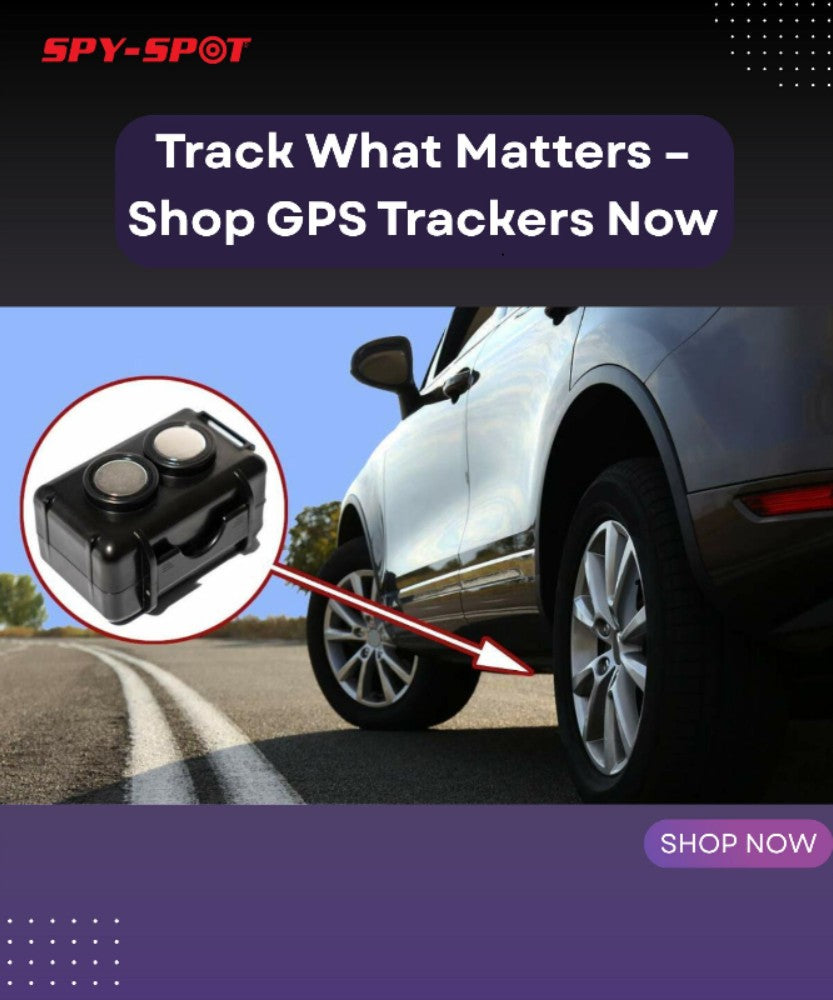
Many GPS trackers are placed under the car. This spot keeps the device hidden from plain view. The tracker often sticks to the metal parts under the vehicle.
Look near the frame, exhaust pipe, or gas tank area. Trackers use magnets to attach to these metal parts. Use a flashlight to see better in dark areas.
Inside The Dashboard
The dashboard hides many car parts and wires. This makes it a good place to hide a GPS tracker. It can be tucked behind the radio or instrument panel.
To check here, remove panels carefully. Look for unusual boxes or wires that do not belong. A GPS tracker may connect to the car’s power source inside the dashboard.
Behind Bumpers And Panels
Bumpers and side panels hide small devices well. A tracker can be taped or fastened behind these parts. This spot hides the device from view and protects it from weather.
Check behind front and rear bumpers by gently feeling for strange objects. Panels near the wheels or under doors can also hold trackers.
In The Wheel Wells
Wheel wells are the curved spaces above tires. These areas are dark and shielded. Trackers placed here stay out of sight and stay protected from rain and dirt.
Look inside the wheel wells for small boxes or wires. Use a flashlight and inspect both front and back wheel wells carefully.

Credit: spytec.com
Steps To Remove A Gps Tracker
Finding and removing a GPS tracker from your car can protect your privacy. This guide will help you remove the device safely and correctly.
Follow these steps carefully to avoid damage to your vehicle or the tracker. Use simple tools and stay cautious at all times.
Safety Precautions
Always wear gloves and eye protection before working around your car’s wiring. Some trackers may have sharp edges or electrical parts.
Make sure the car is parked in a safe and well-lit area. Keep children and pets away from the work area.
- Wear safety gloves and glasses
- Work in a well-lit, safe place
- Keep others away from the vehicle
Disconnecting Power Sources
Before removing the GPS tracker, disconnect the car battery to stop power to the device. This avoids short circuits and shocks.
Use a wrench to remove the negative terminal cable from the battery. Wait for a few minutes to let the power drain completely.
- Turn off the car engine
- Use a wrench to loosen battery terminals
- Remove the negative battery cable first
- Wait a few minutes before touching wires
Handling And Disposal
Handle the GPS tracker carefully after removal. Some parts may contain batteries or electronics that need special disposal.
Do not throw the device in the trash. Take it to an electronics recycling center or follow local rules for disposal.
- Handle the device with care
- Do not damage internal batteries
- Recycle electronics properly
- Follow local disposal laws
Preventing Future Tracking
Finding a GPS tracker on your car is only the first step. You need to act to stop future tracking attempts. Taking simple precautions can protect your privacy and keep your car safe.
This guide covers easy ways to check your vehicle, use protective tools, and understand legal limits.
Regular Vehicle Checks
Look under your car, inside wheel wells, and near the battery for strange devices. Check inside the glove box and under seats. Trackers are often small and hidden.
- Inspect wiring for unusual connections
- Listen for buzzing sounds from hidden devices
- Use a flashlight to spot reflective surfaces
- Check any new or loose parts carefully
Using Gps Jammers And Shields
GPS jammers block signals from trackers. Shields create a barrier that stops signals from reaching the device. Both protect your location from being tracked.
| Device Type | Function | Limitations |
| GPS Jammer | Blocks GPS signals | Illegal in some places, may affect other devices |
| GPS Shield | Blocks signals to a specific area | Must cover entire vehicle area |
Legal Considerations
Know the laws about GPS trackers and jammers in your region. Some tools may be illegal to use. Removing trackers without permission can cause legal problems.
- Check local laws before using jammers or shields
- Report unauthorized trackers to authorities
- Consult a lawyer if you find a tracker on your vehicle
- Respect privacy and property rights
Credit: spy-spot.com
Frequently Asked Questions
How Can I Detect A Gps Tracker On My Car?
To detect a GPS tracker, visually inspect your car for unusual devices. Use a GPS signal detector or scan for hidden wires. Check common hiding spots like under bumpers, wheel wells, or inside the dashboard. Professional help can also ensure thorough detection.
Where Are Gps Trackers Usually Hidden On Cars?
GPS trackers are often hidden under bumpers, inside wheel wells, beneath the dashboard, or within the car’s engine bay. They may also be placed near the rear lights or inside the trunk. These locations provide easy access to power and concealment.
Can A Smartphone Help Find A Gps Tracker?
Yes, a smartphone can help find GPS trackers by detecting Bluetooth or radio signals. Use apps designed to scan for suspicious devices emitting signals. However, some trackers use frequencies smartphones cannot detect, so professional equipment may be more effective.
How Do Gps Trackers Work On Vehicles?
GPS trackers use satellite signals to determine a vehicle’s location. They transmit this data via cellular networks to a monitoring app or website. This allows real-time tracking of the car’s movements and routes, often for security or fleet management.
Conclusion
Finding a GPS tracker on a car can feel tricky. Start by checking common hiding spots carefully. Use a strong magnet or a GPS detector tool. Don’t forget to look under the car and inside the wheel wells. Trust your instincts if something feels out of place.
Regularly inspect your vehicle for peace of mind. Staying aware helps protect your privacy and safety. Taking these simple steps keeps you in control of your car’s security.







