
Have you ever wondered what a car detail really means and why it matters for your vehicle? If you want your car to look and feel like new, understanding car detailing is the key.
It’s more than just a quick wash—it’s a deep, thorough cleaning and care that protects your investment and boosts your driving experience. Keep reading, and you’ll discover exactly what goes into a car detail and how it can make a big difference for your ride.
Car Detailing Basics
Car detailing is a thorough cleaning and restoration of a vehicle. It keeps the car looking new and protects its parts.
Detailing covers the outside, inside, and engine areas. It uses special tools and products for the best results.
Exterior Detailing
Exterior detailing cleans and protects the car’s outside surfaces. It removes dirt, grime, and stains from paint and windows.
This process includes washing, polishing, and waxing. These steps help keep the paint shiny and safe from damage.
- Wash the car to remove loose dirt
- Clay bar treatment to get deep contaminants
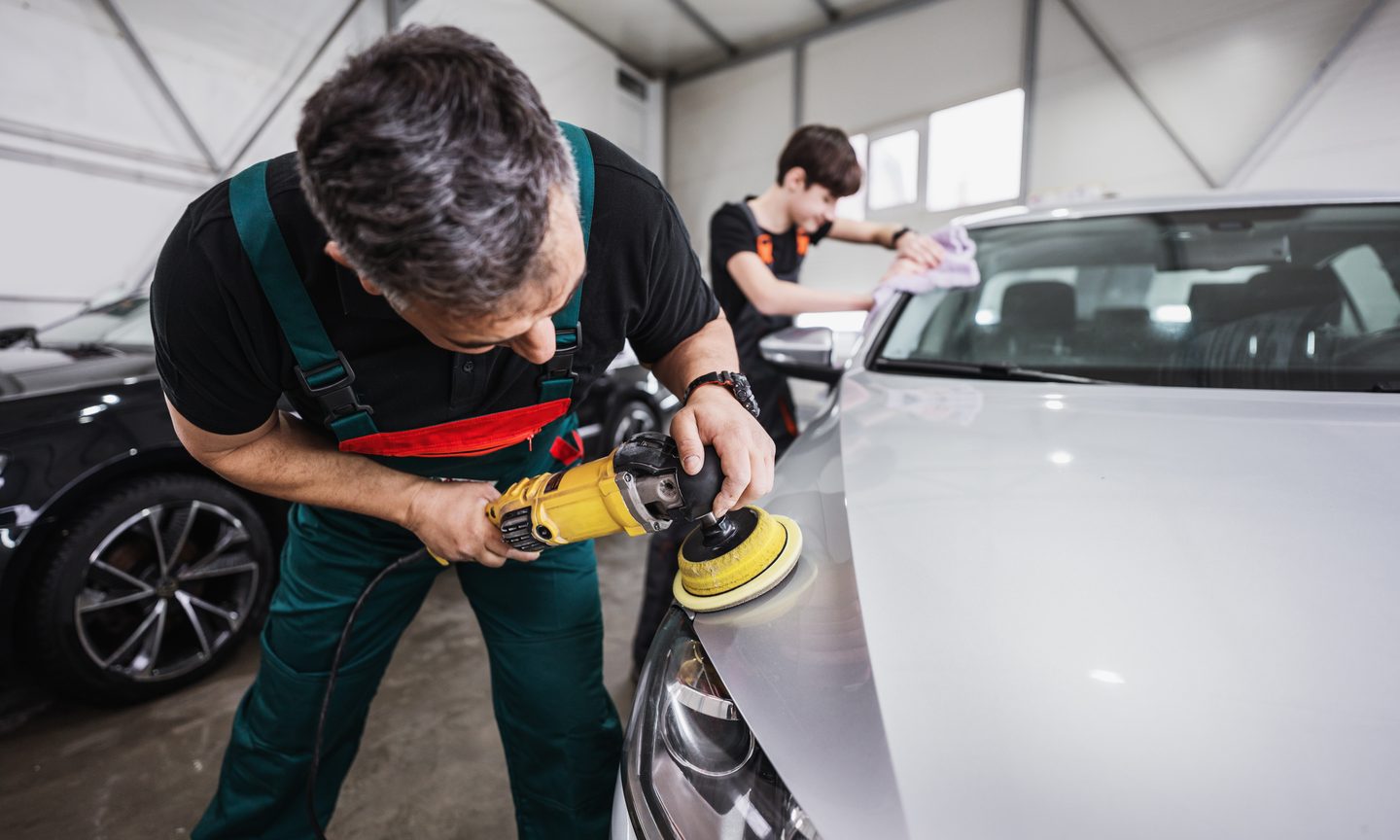
- Polish to fix small scratches and swirls
- Wax or sealant to protect the paint
- Clean tires and rims for a finished look
Interior Detailing
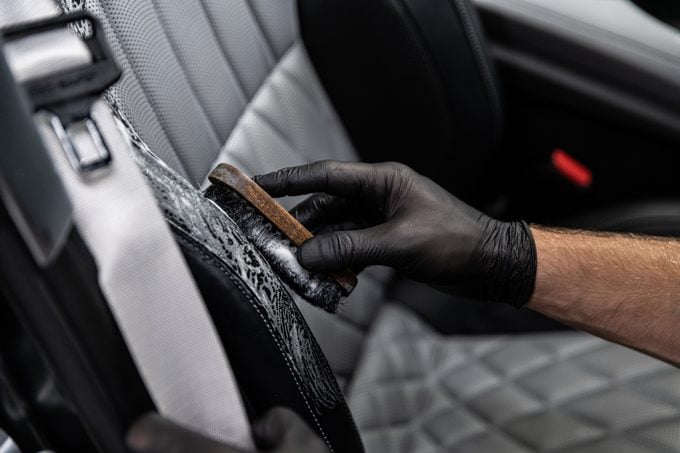
Interior detailing cleans inside the car. It removes dust, stains, and odors from seats, carpets, and surfaces.
This process uses vacuuming, shampooing, and wiping. It keeps the car comfortable and fresh for passengers.
- Vacuum seats, floor mats, and carpets
- Shampoo upholstery and carpets if stained
- Wipe dashboard, doors, and console
- Clean windows from the inside
- Use air fresheners to remove bad smells
Engine Bay Cleaning
Engine bay cleaning removes dirt and grease from under the hood. It helps the engine run cooler and look neat.
Detailers cover sensitive parts before washing. They use gentle cleaners and water to avoid damage.
- Cover electrical parts and air intake
- Use a degreaser to break down grease
- Rinse carefully with low-pressure water
- Dry the engine with cloth or air blower
- Check for leaks or damaged parts after cleaning
Credit: www.familyhandyman.com
Benefits Of Car Detailing
Car detailing is a thorough cleaning and restoration process. It improves the look and condition of your vehicle.
Detailing helps keep your car clean inside and out. It also protects the paint and parts from damage.
Enhances Appearance
Car detailing removes dirt, stains, and grime from the surface. It makes your car shine like new again.
- Removes dust and dirt from hard-to-reach areas
- Polishes the paint to restore color and gloss
- Clears foggy headlights and shiny windows
- Deep cleans carpets and upholstery
Protects Paint
Detailing adds a protective layer on the paint. This layer guards against scratches and sun damage.
| Protection Type | Benefit |
| Wax Coating | Prevents water spots and dirt buildup |
| Sealant | Blocks UV rays and oxidation |
| Clay Bar Treatment | Removes embedded contaminants |
Improves Resale Value
A well-detailed car looks cared for and newer. This can increase its resale price.
- First impression: Clean cars attract more buyers
- Maintenance: Regular detailing prevents damage
- Documentation: Detailed records show proper care
- Market value: Better condition means higher price
Essential Tools And Products
Car detailing requires the right tools and products to clean and protect your vehicle. These items help maintain the car’s appearance and value.
Below are key categories of tools used in car detailing: cleaning supplies, polishing equipment, and protective coatings.
Cleaning Supplies
Cleaning supplies remove dirt, dust, and grime from the car’s surface. They prepare the car for polishing and coating.
- Car wash soap that is gentle on paint
- Microfiber towels for wiping and drying
- Soft brushes for wheels and tires
- Vacuum cleaners for interior cleaning
- Glass cleaner for windows and mirrors
Polishing Equipment
Polishing equipment smooths the car’s paint and removes minor scratches. It restores shine and prepares the surface for protection.
| Tool | Purpose |
| Dual-action polisher | Safe and easy paint correction |
| Foam pads | Apply polish evenly |
| Polishing compounds | Remove scratches and swirl marks |
| Microfiber buffing cloths | Finish polishing without scratches |
Protective Coatings
Protective coatings guard the car’s paint from damage. They keep the surface glossy and shield it from dirt and UV rays.
Common types of protective coatings include:
- Wax – a natural product that adds shine and water resistance
- Sealant – a synthetic product that lasts longer than wax
- Ceramic coating – a durable layer that bonds to paint
Step-by-step Detailing Process
Car detailing cleans and protects every part of a vehicle. It improves the car’s look and helps keep it in good shape.
The process has several steps, each focusing on a specific area. Following these steps gives the car a fresh and polished finish.
Washing And Drying
Start by rinsing the car to remove loose dirt. Use a gentle car shampoo and a soft sponge to wash the surface.
After washing, dry the car with a clean microfiber towel. This prevents water spots from forming on the paint.
Claying And Polishing
A clay bar removes tiny particles stuck on the paint. This step makes the surface very smooth to the touch.
Polishing follows claying to fix small scratches and dull areas. It restores the car’s shine and smoothness.
Sealing And Waxing
Sealing protects the paint by forming a hard barrier. It keeps dirt and water from harming the surface.
Waxing adds a glossy finish and extra protection. It also makes the car easier to clean next time.
Interior Vacuuming And Conditioning
Vacuum all inside areas to remove dust and crumbs. Pay attention to seats, carpets, and floor mats.
Condition leather and plastic parts to keep them soft and prevent cracking. Use products made for car interiors.
Common Mistakes To Avoid
Car detailing keeps your vehicle clean and protected. Many people make mistakes that reduce the quality of their work.
Knowing what to avoid helps you get better results and keeps your car safe.
Using Harsh Chemicals
Harsh chemicals can damage your car’s paint and surfaces. Some cleaners contain strong acids or bases that wear away the finish.
Use products made for cars and check labels before applying. Gentle cleaners protect your paint and trim better.
- Avoid bleach or ammonia-based products
- Use pH-balanced car shampoos
- Test new products on a small area first
Skipping Preparation Steps
Preparation is key to a good detail. Skipping washing or drying can trap dirt under wax or polish.
Clean your car fully before polishing or applying protectants. This helps products work better and last longer.
- Wash and dry the car thoroughly
- Clay bar to remove embedded dirt
- Inspect for scratches or damage before polishing
Neglecting Regular Maintenance
Detailing once is not enough. Dirt and grime build up quickly and can harm your car’s surface.
Regular cleaning and protection keep your vehicle looking new and protect its value.
- Wash your car every two weeks
- Apply wax every few months
- Clean interior surfaces regularly
Credit: www.nerdwallet.com
Diy Vs Professional Detailing
Car detailing keeps your vehicle looking new and well-maintained. You can choose to do it yourself or hire professionals.
Both options have their benefits and drawbacks. Let’s explore the differences.
Cost Comparison
DIY detailing is usually cheaper. You buy your own supplies and equipment.
- Initial cost for supplies is low
- Long-term maintenance can add up
- Professional services have higher upfront costs
Time And Effort
Doing it yourself takes time. You need to learn techniques and set aside hours for detailing.
| Task | DIY Time | Professional Time |
| Washing | 1-2 hours | 30 minutes |
| Waxing | 2-3 hours | 1 hour |
| Interior Cleaning | 1-2 hours | 45 minutes |
Quality Differences
Professionals often deliver better results. They have access to advanced tools and expertise.
Maintaining Your Car’s Shine
Keeping your car shiny makes it look new and well-cared-for. Regular maintenance is key to preserving its luster.
Learn simple tips to wash, protect, and care for your car. These steps will help maintain its shine all year round.
Regular Washing Tips
Washing your car regularly removes dirt and grime. It prevents damage to the paint surface.
- Wash your car every two weeks.
- Use a soft sponge and mild soap.
- Rinse with clean water to avoid soap spots.
Protective Measures
Protecting your car’s paint is crucial for maintaining its shine. Use protective products to shield it from the elements.
- Apply wax every three months.
- Use a car cover when not in use.
- Park in shaded areas to reduce sun damage.
Seasonal Care
Different seasons can affect your car’s appearance. Adjust your care routine to keep it shiny throughout the year.
- In winter, remove salt to prevent rust.
- In summer, wash off bug splatter promptly.
- Before fall, apply a fresh coat of wax.

Credit: cleanmycar.ca
Frequently Asked Questions
What Is Car Detailing And Why Is It Important?
Car detailing is thorough cleaning and restoration of a vehicle. It enhances appearance, protects paint, and maintains value. Detailing removes dirt, grime, and minor scratches. It also cleans interiors deeply, improving comfort and hygiene.
How Often Should I Get My Car Detailed?
Most experts recommend detailing every 4 to 6 months. Frequent detailing preserves your car’s paint and interior. It prevents damage from dirt, salt, and UV rays. Regular detailing keeps your vehicle looking new longer.
What Services Are Included In A Car Detail?
Car detailing typically includes exterior washing, waxing, and polishing. Interior cleaning covers vacuuming, shampooing carpets, and cleaning surfaces. Some packages offer engine cleaning and paint correction. Services vary depending on the detailer’s offerings.
Can Car Detailing Remove Scratches And Stains?
Yes, detailing can reduce minor scratches and stains. Professionals use polishing compounds to smooth paint surfaces. Interior stains can be removed with special cleaners. However, deep scratches may require more extensive repairs.
Conclusion
Car detailing keeps your vehicle clean inside and out. It helps protect your car’s paint and materials. Regular detailing can make your car look newer longer. It also improves your driving comfort and experience. Detailing is more than just washing your car.
It includes deep cleaning and restoring small areas. This care saves money by preventing damage over time. Choose detailing to keep your car fresh and shiny. Simple steps can make a big difference. Your car deserves this kind of attention and care.







