
You’ve just had your car repaired, and it looks almost brand new. But wait—cleaning it properly after body repair is key to keeping that fresh look and protecting your investment.
If you rush or use the wrong methods, you could damage the paint or leave behind harmful residues. You’ll discover simple, effective steps to clean your car safely and make it shine like it just rolled off the lot. Ready to learn how to care for your car the right way?
Let’s dive in.

Credit: www.youtube.com
Prepare The Car For Cleaning
Cleaning a car after body repair needs good preparation. This helps protect the new paint and finish.
Proper preparation removes dust and leftover materials. It makes the cleaning process easier and safer.
Remove Dust And Debris
After body repair, the car often has dust and debris on its surface. Removing these particles stops scratches during cleaning.
Use a soft brush or microfiber cloth to gently clear dust from the car. Avoid pressing too hard to protect the fresh paint.
- Start from the roof and work downwards
- Brush away loose dirt on windows and panels
- Use compressed air for hard-to-reach spots
- Wipe with a clean microfiber cloth
Check For Residual Repair Materials
Look closely for leftover repair materials like masking tape, glue, or filler. These can damage the paint if left on during cleaning.
Carefully remove any tape or plastic coverings. Use a gentle adhesive remover if sticky residue remains. Avoid harsh chemicals that harm the finish.
- Inspect edges and seams for tape or plastic
- Peel off masking tape slowly and evenly
- Use adhesive remover on sticky spots
- Check for filler dust and wipe it off

Credit: scottsdalecollisionaz.com
Choose The Right Cleaning Products
Cleaning your car after body repair requires careful product selection. The right products protect new paint and finishes.
Using gentle and safe cleaning items helps keep your car looking fresh without damage.
Select Gentle Car Wash Soap
Choose car wash soaps made for delicate surfaces. These soaps clean dirt without stripping wax or paint.
- Look for pH-balanced formulas
- Avoid soaps with strong detergents
- Use products labeled safe for fresh paint
- Test soap on a small area first
Avoid Harsh Chemicals
Harsh chemicals can harm new paint and bodywork. Avoid cleaners with ammonia, bleach, or strong acids.
| Chemical | Effect on Fresh Paint |
| Ammonia | May cause discoloration |
| Bleach | Can erode clear coat |
| Strong Acids | Damage paint surface |
| Harsh Detergents | Remove protective wax |
Wash The Car Properly
Cleaning your car after body repair is important to keep the finish smooth. Proper washing removes dust and dirt without damaging the paint.
Use gentle techniques and the right tools to protect the repaired areas. This helps the car look its best.
Use Two-bucket Method
The two-bucket method reduces the chance of scratching the paint. One bucket holds soapy water, and the other has clean water for rinsing.
Dip your wash mitt in the soapy water, clean a section, then rinse the mitt in the clean water. This keeps dirt from going back on the car.
- Bucket 1: Use car shampoo and water
- Bucket 2: Use clean water for rinsing mitt
- Wash the car section by section
- Rinse the mitt often to avoid scratches
Rinse Thoroughly
After washing, rinse the car well to remove all soap and dirt. Soap left on the surface can cause marks or damage.
Use a hose with low pressure or a bucket of clean water. Make sure to rinse all parts, including hard-to-reach areas.
- Use gentle water flow to avoid damage
- Rinse from top to bottom
- Check for soap spots and rinse again if needed
- Dry the car with a soft cloth after rinsing
Dry The Surface Carefully
After body repair, drying your car’s surface carefully is important. It helps keep the new paint and finish safe.
Proper drying prevents damage like water spots or streaks. Use the right tools and methods for best results.
Use Microfiber Towels
Microfiber towels are soft and absorbent. They dry the surface without scratching the paint or leaving lint behind.
- Choose clean, dry microfiber towels.
- Gently blot or wipe the surface instead of rubbing hard.
- Use several towels if needed to avoid spreading dirt.
- Wash towels regularly to keep them effective.
Prevent Water Spots
Water spots form when minerals in water dry on the surface. They can damage paint and clear coat over time.
| Tip | Reason |
| Dry car quickly after washing | Reduces time for minerals to settle |
| Use clean towels | Prevents adding dirt that causes spots |
| Dry in shade or cool area | Slows water evaporation for better drying |
| Apply a quick detailer spray | Helps remove leftover water and protects paint |
Inspect The Repair Area
Cleaning your car after body repair needs care. Start by inspecting the repaired area closely. Look carefully to spot any problems.
This inspection helps you find issues early. Fixing them now keeps your car looking good longer.
Look For Imperfections
Check the repair area for dents, scratches, or uneven surfaces. Use good light and feel the surface with your hand. Small flaws can hide under dirt or dust.
- Use a flashlight to see details clearly.
- Run your fingers gently over the paint.
- Look for color mismatches or rough spots.
- Inspect from different angles to catch all flaws.
Address Paint Or Clear Coat Issues
Paint problems can spoil the repair look. Check for bubbles, peeling, or dull areas. Clear coat damage causes uneven shine and weak protection.
| Issue | Signs | Action |
| Paint bubbles | Small raised spots | Clean gently and consult a specialist |
| Peeling paint | Edges lifting away | Avoid washing and get professional help |
| Dull clear coat | Less shine than surrounding areas | Use a polish suitable for clear coats |
| Scratches in clear coat | Visible lines or marks | Buff lightly with fine rubbing compound |
Apply Finishing Touches
After repairing your car, it’s important to clean it properly. Applying finishing touches makes it look new and shiny again.
These steps help protect the paint and enhance the car’s appearance. Let’s focus on polishing and waxing for the best results.
Polish For Shine
Polishing your car adds a bright shine. It helps remove minor scratches and smooths the paint surface.
Use a soft cloth and apply the polish in circular motions. This ensures an even distribution and enhances the car’s gloss.
- Choose a quality car polish
- Apply in small sections
- Buff with a clean microfiber cloth
Wax For Protection
Waxing protects the car’s paint from dirt and weather. It creates a barrier that keeps the car looking new longer.
Apply a thin layer of wax with a sponge. Let it dry, then buff it off with a clean cloth to reveal a smooth finish.
- Use a non-abrasive wax
- Work in shaded areas
- Ensure complete coverage
Maintain The Finish Over Time
After a car has been through body repair, it is important to keep the new finish looking good. This means taking care of it properly. Regular cleaning and careful handling help maintain the car’s appearance.
Follow simple steps to ensure the repaired areas stay in great condition. Pay attention to how you wash and handle the car to avoid damage.
Regular Washing Tips
Washing your car regularly helps keep it clean and shiny. Use the right products to protect the finish.
Avoid using harsh chemicals that can harm the paint. Choose a mild car soap and a soft sponge or cloth.
- Wash the car in the shade to prevent spots
- Rinse off dirt before using soap
- Dry with a clean, soft towel
Avoiding Damage To Repaired Areas
Repaired areas need special care to avoid damage. Be gentle when cleaning these parts.
Do not use abrasive materials that can scratch the surface. Handle the repaired areas with care.
- Use a soft cloth to clean repaired spots
- Avoid pressure washing the repaired areas
- Check for any signs of damage regularly
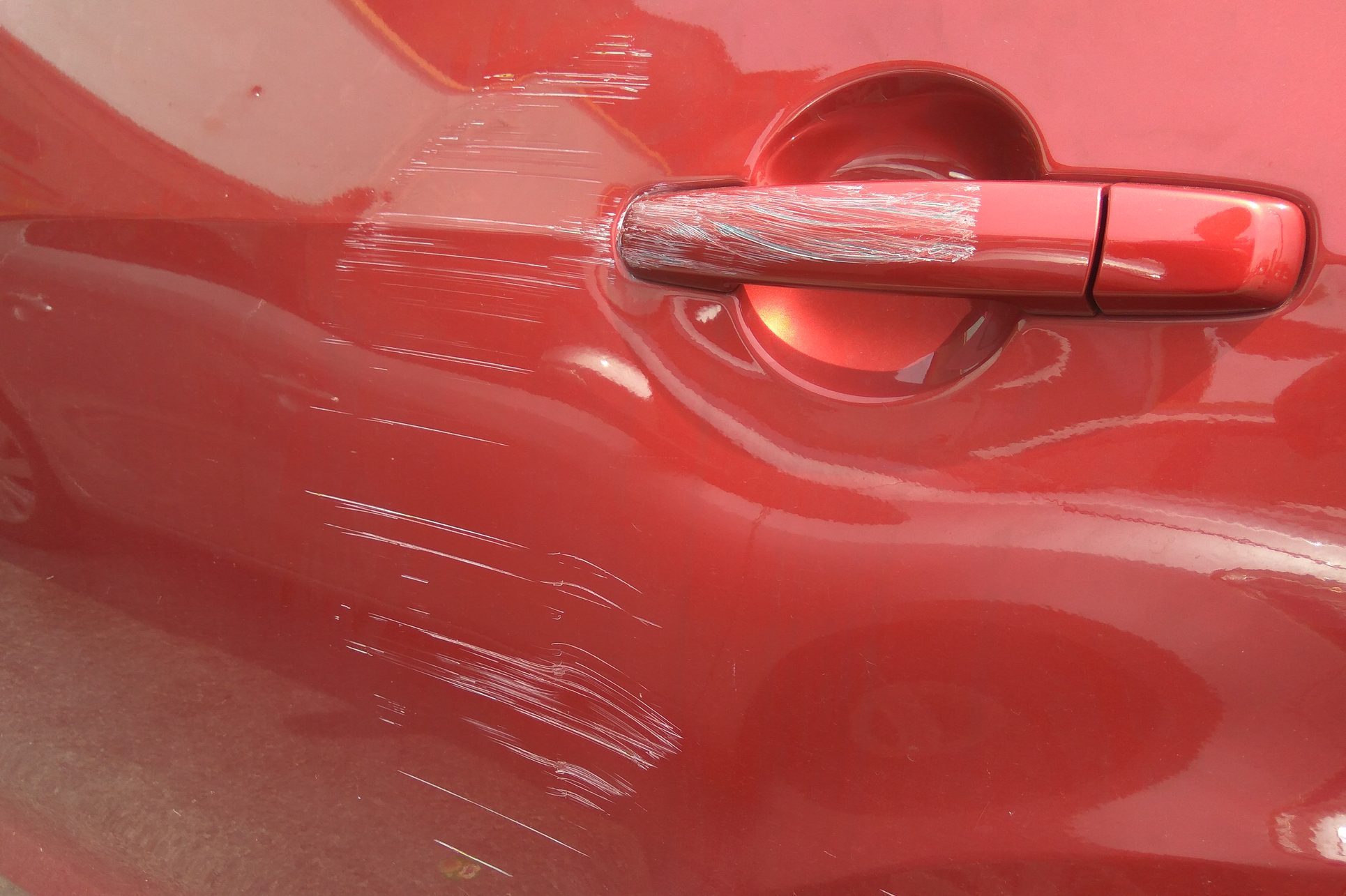
Credit: www.familyhandyman.com
Frequently Asked Questions
How Soon Should I Clean My Car After Body Repair?
Clean your car at least 24 hours after body repair. This ensures the paint and finishes have fully cured. Early cleaning prevents dust and debris from damaging the fresh paint. Use gentle cleaning methods to protect the repaired area.
What Cleaning Products Are Best After Body Repair?
Use mild car shampoos and pH-balanced cleaners for post-repair cleaning. Avoid harsh chemicals or abrasive cleaners that can harm new paint. Microfiber cloths and soft sponges help maintain the smooth finish. Always rinse thoroughly to remove all residues.
Can I Use Pressure Washers After Body Repair?
Use low-pressure washers cautiously after body repair. High pressure can damage fresh paint or sealants. Maintain at least a 12-inch distance and avoid direct spraying on seams. Gentle rinsing is best to protect the repair quality.
Should I Avoid Waxing After Body Repair?
Avoid waxing your car for at least 30 days post-repair. This allows the paint to fully harden and bond. Premature waxing can cause uneven finishes or damage. After the curing period, waxing helps protect and enhance the repaired paint.
Conclusion
Cleaning your car after body repair helps keep it looking great. Gentle washing removes dust and debris without harming new paint. Use soft cloths and mild soap for best results. Dry the car carefully to avoid water spots. Regular care protects your repair work and extends its life.
Take time to clean well. Your car will thank you with a fresh, smooth finish. Simple steps make a big difference in car care. Keep your vehicle shining and ready for the road.







