
Have you noticed those annoying scratches on your car and wondered if they could just disappear? You might be surprised to learn that detailing your car could be the solution you’re looking for.
But can detailing really remove scratches, or is it just a clever myth? If you want to restore your car’s shine and make those imperfections less visible, keep reading. This article will reveal exactly what detailing can do for your car’s scratches—and what it can’t.
You’ll discover simple, effective ways to bring back your car’s smooth, flawless look without spending a fortune.
How Scratches Affect Your Car
Scratches on a car can change how it looks. They can make the car seem older or not well cared for.
Even small scratches can lower your car’s value. It is important to know about different scratches.
Types Of Scratches
Scratches come in several types. Each type affects the car differently and needs different care.
- Surface scratches: These are light and only affect the clear coat.
- Medium scratches: These reach the paint layer but not the metal.
- Deep scratches: These go through the paint and clear coat to the metal.
Impact On Appearance And Value
Scratches make your car look less shiny and new. They can cause rust if not fixed fast.
| Scratch Type | Appearance Effect | Value Impact |
| Surface | Minor dull spots | Low impact |
| Medium | Visible lines and marks | Moderate impact |
| Deep | Large visible damage | High impact |

Credit: www.reddit.com
What Car Detailing Involves
Car detailing is a thorough cleaning and restoration process. It aims to make a car look new inside and out.
Detailing includes cleaning, polishing, and protecting all parts of a vehicle. This can help reduce the appearance of scratches.
Key Detailing Steps
Detailing starts with washing the car to remove dirt and grime. Then, the surface is polished to smooth out scratches.
After polishing, a protective layer is applied to keep the car shiny. Interior cleaning and conditioning are also part of the process.
- Washing and drying the car
- Claying to remove embedded dirt
- Polishing to reduce scratches
- Applying wax or sealant for protection
- Cleaning and conditioning the interior
Products Used In Detailing
Detailers use special soaps and cleaners that are gentle on paint. Polishing compounds help remove fine scratches.
Waxes and sealants protect the paint from damage. Interior products clean and protect surfaces like leather and plastic.
- Car wash soap
- Clay bars
- Polishing compounds
- Wax or paint sealant
- Glass cleaner
- Leather and fabric cleaners
- Interior protectants
Can Detailing Remove Scratches?
Car detailing can improve the look of minor scratches on your vehicle. It cleans and polishes the paint to reduce scratch visibility.
Not all scratches can be fully removed by detailing. The success depends on the scratch depth and the detailing process used.
Scratch Depth And Detailing Limits
Scratches vary in depth. Some only affect the clear coat, while others go deeper into the paint or metal.
Detailing works best on light scratches that are only on the clear coat layer. Deep scratches may need more repair.
- Clear coat scratches: often removable with detailing
- Base coat scratches: harder to fix by polishing alone
- Primer or metal scratches: require repainting or filling
How Polishing Works
Polishing removes a thin layer of clear coat to smooth the surface. This helps hide light scratches.
Detailers use polishing compounds and machines to gently buff the paint. This restores shine and reduces scratch marks.
- Apply polishing compound to the scratched area
- Use a buffer or polishing pad to rub the surface
- Remove fine scratches and swirl marks
- Finish with a wax or sealant for protection

Credit: detailingexperts.ca
Expert Tips For Scratch Removal
Car scratches can make your vehicle look old and worn out. Detailing can help reduce or remove these scratches.
Knowing how to remove scratches safely is important to protect your car’s paint.
Choosing The Right Compound
Different scratch depths need different compounds. Mild scratches use light polishing compounds. Deep scratches need heavier rubbing compounds.
Pick a compound that matches your scratch type to avoid damage.
- Light polish for surface scratches
- Rubbing compound for deeper scratches
- Finishing polish to restore shine
Proper Application Techniques
Apply compound with clean cloth or polishing pad. Use small, circular motions to work on the scratch.
Do not press too hard. Let the compound do the work to avoid paint damage.
- Clean area before application
- Use moderate speed on buffer
- Wipe off excess compound after polishing
When To Seek Professional Help
If scratches are very deep or cover large areas, it is best to consult a professional.
Professionals have tools and experience to fix tough scratches safely.
- Deep scratches exposing metal
- Scratches over clear coat layer
- Large or multiple scratches
Maintenance After Scratch Removal
Removing scratches from your car can make it look new again. After this, you need to take care of the paint. Proper maintenance helps protect your car’s finish for a long time.
Maintaining the car after scratch removal involves using protective coatings and following regular care routines. These steps keep your car shiny and prevent new damage.
Protective Coatings
Applying protective coatings seals your car’s paint. These coatings guard against dirt, water, and UV rays. They also make cleaning easier and reduce the risk of new scratches.
- Use wax or sealants to cover the paint surface.
- Consider ceramic coatings for longer-lasting protection.
- Apply coatings in a clean, dry environment for best results.
- Reapply coatings as recommended by the product instructions.
Regular Care Tips
Regular care keeps your car’s surface smooth and clean. Simple habits help avoid new scratches and protect the paint after repair.
| Care Tip | Details |
| Wash Often | Use gentle soap and soft cloths to clean the car. |
| Dry Properly | Use microfiber towels to avoid water spots and swirl marks. |
| Park Smart | Choose shaded or covered spots to reduce sun damage. |
| Inspect Regularly | Check for new scratches or chips and fix them quickly. |
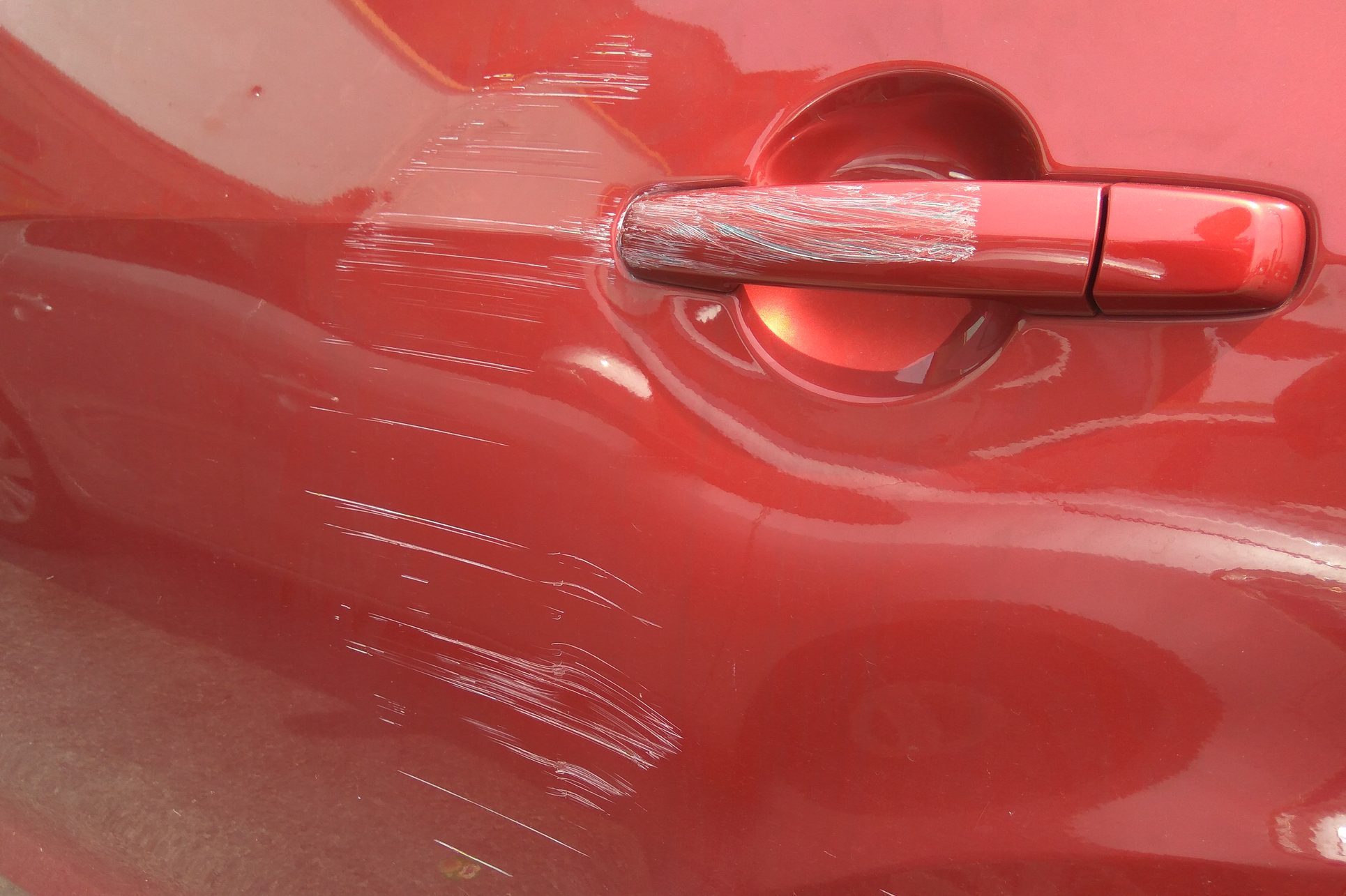
Credit: www.familyhandyman.com
Frequently Asked Questions
Can Detailing Remove All Types Of Car Scratches?
Detailing can remove light surface scratches and swirl marks. However, deep scratches often need professional repair or repainting for complete removal.
How Does Car Detailing Help With Scratch Removal?
Detailing uses polishing compounds and buffing techniques to smooth out minor scratches. This process restores the paint’s shine and reduces visible imperfections effectively.
Is Professional Detailing Better For Removing Car Scratches?
Yes, professionals use specialized tools and products that provide better results. They can assess scratch depth and apply appropriate techniques for removal.
Can Diy Detailing Kits Remove Car Scratches Effectively?
DIY kits work well for minor scratches but may not fully remove deep ones. Proper technique and product choice are essential for safe and effective results.
Conclusion
Detailing a car can help reduce the look of light scratches. It cleans and polishes the paint, making it shine. Deep scratches may need extra care or professional repair. Regular detailing keeps your car looking fresh and protects the surface.
Small scratches can fade with the right products and techniques. Taking care of your car’s finish adds value and pride. Simple steps can make a big difference in appearance. Remember, good maintenance keeps your car looking its best longer.







