
Have you ever seen the term “Ka” pop up on your radar detector and wondered what it really means? If you’re trying to stay safe on the road and avoid unexpected speeding tickets, understanding this simple term can make a big difference.
Knowing what “Ka” stands for and how it works will help you use your radar detector more effectively. Keep reading, because by the end of this article, you’ll have a clear grasp of “Ka” and be one step closer to smarter, stress-free driving.
Credit: www.rdforum.org
Ka Band Basics
The Ka band is a specific radar frequency used by police radar guns. It helps detect vehicle speed from a distance.
Radar detectors often alert drivers when they sense signals in the Ka band. This helps drivers stay aware of speed checks.
Frequency Range
The Ka band operates between 33.4 GHz and 36.0 GHz. This is a higher frequency than other radar bands.
These frequencies allow radar guns to send and receive signals with high accuracy and speed.
- Lower Ka band: 33.4 GHz to 34.0 GHz
- Middle Ka band: 34.0 GHz to 35.0 GHz
- Upper Ka band: 35.0 GHz to 36.0 GHz
Why It Matters In Radar Detection
The Ka band is common for police radar, so detecting it is important for drivers. It helps warn about speed traps early.
This band’s higher frequency means radar signals travel well and are harder to block. This makes detection reliable.
- Ka band signals cover longer distances
- They can detect fast-moving vehicles accurately
- Detectors alert drivers to avoid speeding tickets
Ka Band Vs Other Bands
Radar detectors use different frequency bands to detect police radar. The Ka band is one of the most common bands used today. It often gives faster and more accurate alerts than other bands.
This article compares the Ka band with the K band and the X band. Understanding these differences helps you know what to expect from your radar detector.
Comparison With K Band
The K band has been used for a long time by police radar. It operates at a lower frequency than the Ka band. This means it can cover a wider area but is less precise.
The Ka band is newer and works on higher frequencies. It detects radar signals earlier and with more detail. Police now use Ka band radar more often than K band.
- K band frequency: 24.0 to 24.25 GHz
- Ka band frequency: 33.4 to 36.0 GHz
- Ka band detects faster and more accurately
- K band covers a wider range but less detail
Comparison With X Band
The X band is one of the oldest radar bands. It uses a much lower frequency than Ka band. X band radar is less common now because it covers a large area but is easy to detect.
Ka band radar is more compact and harder to spot early. It gives more precise speed readings. Many police departments replaced X band radar with Ka band for these reasons.
- X band frequency: 8.0 to 12.0 GHz
- Ka band frequency: 33.4 to 36.0 GHz
- X band covers wide area but less precise
- Ka band is more accurate and less common to false alert
How Radar Detectors Use Ka Band
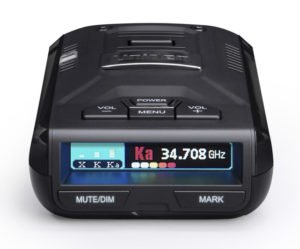
The Ka band is a range of radio frequencies used by many police radar guns. Radar detectors scan this band to warn drivers about speed checks. Detecting Ka signals helps drivers stay aware of speed enforcement ahead.
Radar detectors use special technology to find Ka band signals. They analyze these signals to decide if a police radar is nearby. This helps drivers get early alerts.
Detection Technology
Radar detectors have antennas that pick up radio waves in the Ka band. These antennas can sense weak signals from police radar guns. This lets the detector find radar from far away.
The device scans the Ka band frequencies constantly. It listens for specific signal patterns used by radar guns. When it detects these patterns, it sends an alert to the driver.
- Antennas capture Ka band radio waves
- Continuous scanning watches for radar signals
- Pattern recognition identifies police radar
- Alerts warn drivers about nearby speed checks
Signal Processing
After receiving Ka band signals, the radar detector processes the data. It filters out signals that are not from police radar. This reduces false alarms from other devices.
The detector uses algorithms to check signal strength and frequency. It compares this information to known radar signatures. This helps confirm if the signal is a real police radar.
- Filters remove non-police signals
- Algorithms analyze signal frequency and strength
- Comparison to known radar helps accuracy
- Reduces false alerts for the driver

Credit: www.amazon.com
Common Sources Of Ka Band Signals
Ka band signals are used by many radar detectors to catch speed monitoring devices. These signals have a high frequency that helps police detect fast-moving vehicles.
Understanding where Ka band signals come from can help drivers know when their radar detector is alerting them for real reasons or false alarms.
Police Radar Guns
Police use Ka band radar guns to check how fast cars are going. These guns send out Ka signals that radar detectors can pick up from far away.
When a radar detector senses Ka band signals, it usually means a police radar gun is nearby. This helps drivers slow down before they get a ticket.
- Ka band frequency is about 33.4 to 36 GHz
- Used for speed detection by many police forces
- Signals are narrow and focused towards vehicles
- Radar guns can work from long distances
False Alarms
Not all Ka band signals come from police radar guns. Some come from other sources that create false alarms on radar detectors.
Common false alarms include automatic doors, traffic sensors, and some microwave devices. These can confuse radar detectors by sending similar Ka band signals.
- Automatic door openers at stores
- Traffic light sensors at intersections
- Some home security and microwave devices
- Other non-police Ka band transmitters
Benefits Of Ka Band Detection
Radar detectors use different frequency bands to detect signals. The Ka band is one of the most common frequencies used by law enforcement. Detecting this band helps drivers stay aware of radar signals ahead.
Understanding the benefits of Ka band detection can help you choose the right radar detector. It improves your chances to spot radar signals early and react safely.
Accuracy
The Ka band offers high accuracy in detecting police radar. It is less likely to give false alerts from other devices. This means you get precise warnings only when real radar signals are nearby.
- Detects radar signals with minimal false alarms
- Pinpoints the direction of the radar source
- Works well in urban and rural settings
Range
Ka band radar detectors can sense signals from a good distance. This gives drivers enough time to slow down or adjust their speed safely. The range depends on the radar device and environmental factors.
| Factor | Effect on Range |
| Radar Power | Stronger signals increase detection distance |
| Detector Quality | Higher quality detectors sense signals farther |
| Obstacles | Buildings and trees can reduce range |
| Weather | Rain and fog may weaken radar signals |
Limitations And Challenges
Ka band is a frequency used by radar detectors. It helps drivers avoid speed traps. But it has limitations and challenges.
Understanding these issues is important for users. It helps them make better decisions while driving.
Interference Issues
Interference can affect radar detectors. Many devices use similar frequencies. This includes automatic doors and other cars.
False alerts can occur due to interference. This makes it hard to trust the radar detector’s warnings.
- Automatic doors can trigger false alerts
- Other vehicles’ systems may cause interference
- Urban areas have more interference sources
Detection Delays
Detection delays are another challenge. Radar detectors may not always alert in time. This is due to the speed of Ka band signals.
Drivers need quick alerts to adjust their speed. Delays reduce the effectiveness of radar detectors.
| Challenge | Impact |
| Slow response | Late speed adjustments |
| Signal speed | Reduced warning time |
Tips For Optimizing Ka Band Radar Detectors
Radar detectors help drivers by alerting them to radar speed traps. The Ka band is one of the most common radar frequencies used by law enforcement.
Optimizing your Ka band radar detector can improve its accuracy and efficiency. Below are some tips on how to best set up your device.
Placement In Vehicle
Where you place your radar detector in your vehicle can affect its performance. It needs a clear view of the road ahead.
- Mount it high on the windshield for better range.
- Avoid placing it behind tinted windows.
- Ensure it is level and facing straight.
- Do not block it with metal objects.
Settings Adjustment
Adjusting settings can help you avoid false alerts and increase sensitivity. Customize your detector to suit your driving environment.
| Setting | Description |
| City Mode | Reduces false alerts in urban areas. |
| Highway Mode | Maximizes range for open roads. |
| Mute Button | Silences alerts quickly. |
| Sensitivity | Adjusts range for better performance. |
Credit: www.vortexradar.com
Frequently Asked Questions
What Does Ka Mean On A Radar Detector?
Ka refers to a specific radar frequency band used by police for speed detection. It ranges from 33. 4 to 36 GHz. Radar detectors alert drivers when Ka signals are detected, helping them avoid speeding tickets.
How Is Ka Different From Other Radar Bands?
Ka band operates at higher frequencies than X or K bands. This makes Ka radar signals more precise and harder to detect. Most modern speed enforcement uses Ka band for accuracy and reliability.
Why Is Ka Band Important For Radar Detectors?
Ka band is widely used by law enforcement. Detecting Ka signals ensures your radar detector alerts you to the most common radar guns. This improves your chances of avoiding speeding fines.
Can Radar Detectors Detect All Ka Signals?
Most radar detectors can detect Ka band signals effectively. However, detection range varies by model and environment. High-quality detectors provide earlier alerts to Ka radar guns.
Conclusion
Ka on a radar detector means a specific radar frequency. It helps detect police radar guns used for speed checks. Knowing this can keep drivers alert and safer on the road. Radar detectors show Ka signals to warn about nearby speed traps.
Understanding Ka helps you respond quickly and avoid tickets. Stay aware of your surroundings and drive responsibly. This simple knowledge can make your driving experience less stressful.







