
Are you relying on a radar detector to stay one step ahead of speed traps? You might wonder if the police can actually spot your device.
The idea of having your radar detector detected can be unsettling, especially when you think it could lead to a ticket or worse. You’ll discover how radar detectors work, whether they can really be detected by law enforcement, and what that means for you on the road.
Keep reading to find out the truth that could save you from unexpected fines.
Credit: www.vortexradar.com
How Radar Detectors Work
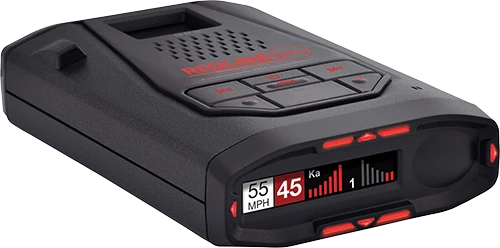
Radar detectors help drivers by sensing radar signals from police speed guns. They alert the driver to slow down before being caught.
These devices use special technology to find radar waves in the air. Then, they send a warning sound or light.
Basic Technology Behind Radar Detectors
Radar detectors have antennas that catch radar signals. Inside, there is a radio receiver that scans for these signals.
When the device finds a signal, it processes the data and alerts the driver. Some detectors use digital signal processing for accuracy.
- Antennas pick up radar waves
- Radio receivers scan different radar bands
- Signal processors identify police radar
- Alerts notify the driver quickly
Types Of Radar Signals Detected
Radar detectors catch several radar frequencies used by police. They can detect signals from common speed guns.
The main radar bands are X, K, and Ka. Each band has different ranges and uses.
- X Band:Oldest and least used, lower frequency radar
- K Band:More common, medium frequency radar
- Ka Band:Most used today, higher frequency radar
- Laser (LIDAR):Light-based speed detection, harder to detect
Police Technology To Detect Radar Detectors
Radar detectors help drivers find speed traps. Police use special tools to find these detectors. These tools are called radar detector detectors.
Radar detector detectors find signals that radar detectors send out. Police use this technology to catch drivers using radar detectors.
Radar Detector Detectors (rdds)
Radar detector detectors, or RDDs, find the radio waves sent by radar detectors. Radar detectors work by scanning radar signals. This scanning sends out signals that RDDs can detect.
Police use RDDs to spot radar detectors inside cars. If the RDD finds a signal, officers may pull over the driver. This technology helps police enforce laws against radar detector use.
Common Models Used By Law Enforcement
Police use several common RDD models. These devices are reliable and easy to use. They detect radar detectors in many types of vehicles.
- VG-2 Interceptor: One of the first popular RDDs. Detects early radar detectors.
- Spectre III: More advanced, can find newer radar detectors.
- Spectre Elite: Detects even the latest radar detectors with low signals.
- RadarPatrol: A modern RDD used by some police departments.
Effectiveness Of Radar Detector Detection
Radar detectors are devices used to alert drivers about police radar signals. Police use radar detector detectors to find these devices. The effectiveness of these police tools varies based on many factors.
Detecting a radar detector is not always easy. It depends on the technology used by both the driver and the police. Understanding these details helps explain how well radar detector detection works.
Limitations Of Radar Detector Detectors
Radar detector detectors do not always find every radar detector. Some radar detectors use technology that hides their signals well. This makes it hard for police to detect them.
Also, some detectors only work at close range. If the police are too far, they may miss the radar detector signal. This limits how useful these detectors are in some cases.
- Radar detectors with low signal emissions are hard to detect
- Police detectors have limited range
- New radar detector models may avoid detection
- Environmental factors can block signals
Factors Affecting Detection Success
Several factors affect if a radar detector will be found by police. The type of radar detector and its technology matters. Some newer models are designed to be stealthy.
The distance between the police and the driver also changes detection chances. Police need to be close enough to pick up signals. Roads, buildings, and weather can affect detection too.
- Radar detector model and design
- Distance between police and driver
- Physical barriers like walls or trees
- Weather conditions such as rain or fog
Legal Status Of Radar Detectors
Radar detectors are devices that alert drivers about speed detection tools used by police. The legal status of these devices differs worldwide.
Some places allow radar detectors, while others ban or restrict their use. Knowing local laws is important before using one.
Laws By Region And Country
In the United States, radar detector laws vary by state. Most states allow them in private vehicles but ban them in commercial trucks.
Canada also has mixed rules. Radar detectors are legal in some provinces but illegal in others like Ontario and Quebec.
- United States:Legal in most states for private cars, banned in commercial vehicles.
- Canada:Illegal in Ontario, Quebec, and some other provinces.
- Europe:Many countries like France and Germany ban radar detectors.
- Australia:Radar detectors are mostly illegal nationwide.
- Asia:Rules vary, but many countries restrict or ban radar detectors.
Penalties For Using Radar Detectors
Penalties for using radar detectors depend on local laws. Some places impose fines, while others add points to your driving record.
In some regions, police can seize or confiscate radar detectors if they are illegal. Repeat offenses may lead to higher fines or license suspension.
- Fines range from small amounts to several hundred dollars.
- Points may be added to your driving license record.
- Confiscation of the radar detector is possible.
- Repeat violations can cause harsher penalties.
Ways To Avoid Detection
Radar detectors help drivers avoid speeding tickets. Police can find some detectors using special tools. It is important to know how to avoid detection.
This guide explains ways to reduce the chance of your radar detector being found by police.
Stealth Radar Detectors
Stealth radar detectors are made to be harder for police to detect. They use technology that lowers their signal output. This makes it tough for police radar detector detectors to find them.
Some stealth detectors use special filters to avoid triggering police scanner tools. They also have smaller antennas to reduce signals. These features help keep the detector hidden.
Use Of Jammers And Their Risks
Radar jammers try to block police radar signals. They send out signals that confuse police radar guns. This can stop police from getting a speed reading.
Using jammers is risky. They are illegal in many places. Police can see jammers with special tools. Getting caught can lead to big fines or legal trouble.
Credit: www.vortexradar.com
Future Trends In Radar And Detection Technology
Radar detectors are devices used by drivers to detect if their speed is being monitored by police. As technology evolves, both radar systems and radar detectors are seeing advancements. This can affect how effective these devices are in the future.
Understanding the future of radar and detection technology helps drivers stay informed. It also helps them comply with traffic laws more effectively.
Advancements In Radar Systems
Radar systems used by police are becoming more advanced. New technology allows them to detect speed more accurately. This makes it harder for drivers to avoid detection.
Some police radars can now detect the presence of radar detectors. This is because they emit a small signal that can be picked up by the radar system.
- Improved accuracy in speed measurement
- Ability to detect radar detectors
- Use of multiple frequency bands
Innovations In Detector Technology
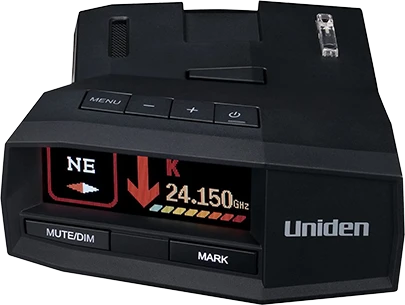
Radar detector technology is also improving. New models are designed to be stealthier. This means they are less likely to be detected by police radar systems.
Manufacturers are adding features that help drivers stay aware of new radar systems. Some detectors can alert drivers to the presence of newer police radars.
- Stealth technology reduces detection risk
- Alerts for new radar frequencies
- Integration with GPS for location-based alerts

Credit: www.amazon.ca
Frequently Asked Questions
Can Police Detect Radar Detectors In Vehicles?
Yes, police can detect some radar detectors using special scanner devices. These devices identify signals emitted by radar detectors. However, not all radar detectors are easily detected, especially newer models with stealth technology designed to avoid detection.
Are All Radar Detectors Illegal To Use?
Radar detector legality varies by location. In some states and countries, using radar detectors is illegal, while others permit them. Always check local laws before using a radar detector to avoid fines or penalties.
How Do Police Find Hidden Radar Detectors?
Police use electronic detection devices called radar detector detectors (RDDs). These devices pick up emissions from radar detectors. Hidden or shielded detectors may be harder to find, but advanced RDDs can still locate most types.
Does Using A Radar Detector Guarantee Avoiding Speeding Tickets?
No, radar detectors do not guarantee avoiding tickets. They alert drivers to radar signals, but police use other methods like LIDAR and pacing. Safe driving and obeying speed limits remain the best ways to avoid tickets.
Conclusion
Radar detectors can sometimes be spotted by police using special tools. Police use radar detector detectors to find these devices in cars. Not all radar detectors are easy to detect, but newer models try to avoid this. Still, using a radar detector does not guarantee you won’t get a ticket.
It’s best to drive safely and follow speed limits. Staying aware and cautious helps you avoid trouble on the road. Remember, no device replaces careful and responsible driving. Stay safe and informed to protect yourself.







