
When was the last time you gave your car a deep, thorough clean? If you’re like most people, you probably focus on quick washes and overlook the small details that make your car truly shine.
Detail cleaning a car isn’t just about making it look good—it’s about protecting your investment, improving your driving experience, and even boosting your confidence every time you get behind the wheel. You’ll discover simple steps and expert tips to transform your car from just clean to flawlessly detailed.
Ready to see your car in a whole new light? Keep reading, and let’s dive into the art of detail cleaning your car.
Preparing Your Car For Detailing
Detailing your car keeps it looking clean and fresh. Proper preparation helps the process go smoothly.
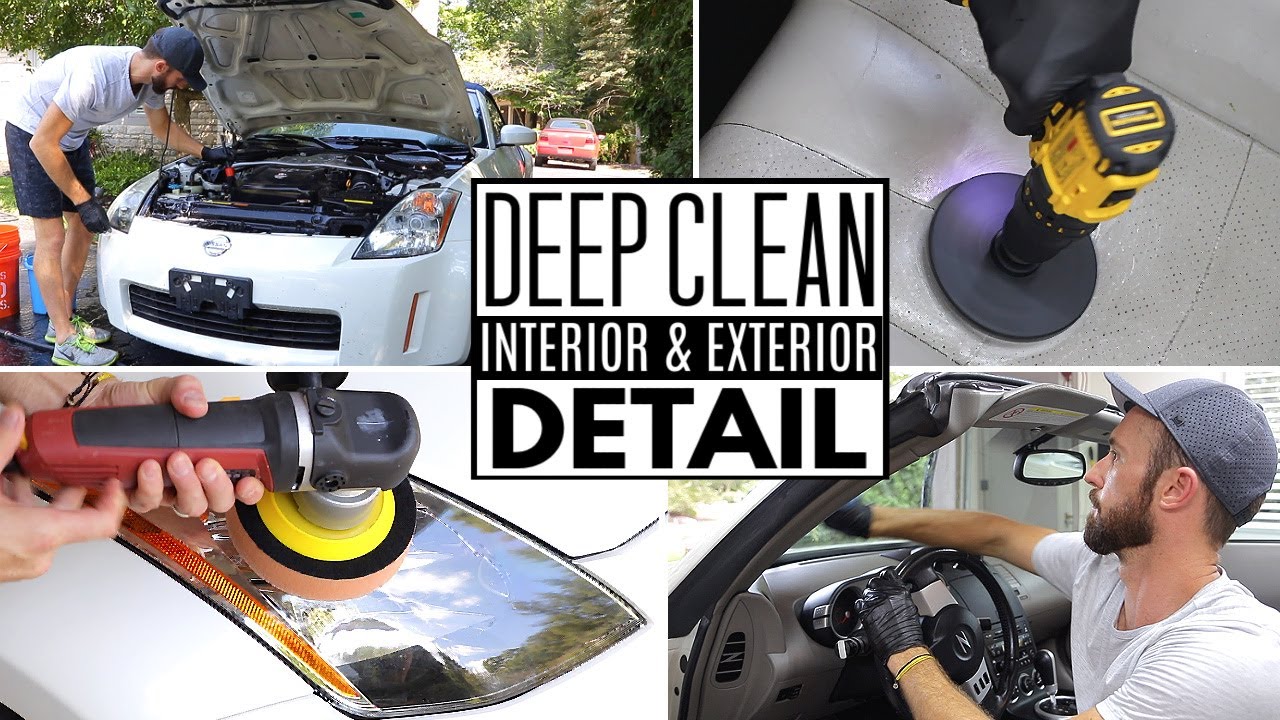
Before you begin, gather supplies, choose a good location, and check your car carefully.
Gathering Essential Supplies
Having the right tools makes detailing easier. Prepare all items before starting.
- Car wash soap
- Microfiber towels
- Buckets for washing and rinsing
- Clay bar for surface cleaning
- Detailing brushes
- Vacuum cleaner
- Glass cleaner
- Wax or sealant
Choosing The Right Location
Select a shaded spot to avoid water spots. The surface should be flat and clean.
- Driveway with shade
- Garage with open doors
- Covered carport
- Direct sunlight areas
- Near trees with sap or leaves
- Uneven or muddy ground
Pre-wash Inspection
Look over your car for damage and dirt before washing. Note spots that need extra care.
| Inspection Item | What to Check |
| Paint | Scratches, chips, swirl marks |
| Windows | Water spots, cracks, dirt |
| Tires and Wheels | Brake dust, mud, scratches |
| Interior | Stains, dust, trash |
Credit: www.youtube.com
Washing Techniques For A Flawless Finish
Cleaning your car carefully helps keep its shine and protect the paint. Using the right washing methods removes dirt without causing scratches.
Below are key techniques to wash your car and get a smooth, clean finish every time.
Using The Two-bucket Method
The two-bucket method keeps your wash water clean and reduces swirl marks on the paint. One bucket holds soapy water, and the other holds clean water to rinse your mitt.
- Dip your wash mitt in the soapy bucket and wash a small section of the car.
- Rinse the mitt in the clean water bucket to remove dirt.
- Return the mitt to the soapy bucket to get suds again.
- Repeat this process until the whole car is clean.
Selecting The Best Car Shampoo
Choosing the right shampoo is important to protect your car’s finish. Look for shampoos that are gentle and designed for automotive paint.
| Type of Shampoo | Benefits |
| pH-balanced | Safe for wax and sealant |
| Foaming | Clings to dirt for easier cleaning |
| Eco-friendly | Biodegradable and safe for environment |
| Heavy-duty | Removes tough grime and grease |
Cleaning Wheels And Tires
Wheels and tires need special care because they collect brake dust and road grime. Use a dedicated wheel cleaner to avoid damage.
- Spray wheel cleaner and let it sit for a few minutes.
- Use a soft brush to scrub the rims and tires.
- Rinse thoroughly with water to remove all cleaner.
- Dry wheels and tires with a microfiber towel.
Claying And Decontamination
Claying a car removes stubborn surface contaminants that washing alone cannot fix. It helps restore smoothness and shine to the paint.
Decontamination prepares the car’s surface for polishing or waxing by eliminating bonded dirt and impurities.
Removing Surface Contaminants
Surface contaminants include things like tree sap, tar, brake dust, and industrial fallout. These can stick to the paint and cause damage over time.
- Iron particles from brake dust
- Road tar and sap spots
- Bird droppings and bug residue
- Oxidation and pollution deposits
Selecting The Right Clay Bar
Choose a clay bar based on your car’s paint condition and the type of contaminants. Softer clay suits light contamination, while firmer clay handles tougher spots.
| Clay Bar Type | Use Case | Texture |
| Light Clay | Light contamination | Soft and smooth |
| Medium Clay | Moderate contamination | Balanced firmness |
| Heavy Clay | Heavy contamination | Firm and abrasive |
Proper Claying Techniques
Use gentle, even strokes when claying. Keep the clay lubricated to avoid scratching the paint. Work in small sections for best results.
- Wash and dry the car before claying
- Spray lubricant on the paint surface
- Gently rub the clay bar back and forth
- Check the clay for dirt and fold it often
- Wipe the area clean after claying each section
Polishing For Paint Perfection
Polishing your car’s paint brings out its shine and smoothness. It removes small scratches and surface defects. Proper polishing keeps your car looking fresh and cared for.
This guide covers key tips on hand and machine polishing, types of polishes, and common mistakes to avoid. Follow these steps to improve your car’s finish safely.
Choosing Between Hand And Machine Polishing
Hand polishing is gentle and good for small areas or light defects. Machine polishing works faster and handles deeper scratches well. Choose based on your skill and the car’s needs.
- Hand polishing uses a foam or microfiber applicator by hand.
- Machine polishing requires a dual-action or rotary polisher tool.
- Machine polishing gives more consistent results on large surfaces.
- Hand polishing reduces the risk of paint damage if done slowly.
- Machine polishing can remove more paint if not used carefully.
Types Of Polishes And Compounds
Polishes and compounds differ by their abrasiveness. Use the right type to avoid harming your car’s paint. Below is a simple table showing common types and their uses.
| Type | Abrasion Level | Use |
|---|---|---|
| Compound | High | Removes deep scratches and oxidation |
| Polish | Medium | Refines paint surface and removes light scratches |
| Finishing Polish | Low | Enhances shine and smoothness |
Avoiding Common Polishing Mistakes
Polishing mistakes can damage paint or waste time. Watch out for these common errors to keep your car’s surface safe.
- Using too much polish causes streaks and uneven finish.
- Applying high pressure can burn the paint layer.
- Skipping cleaning before polishing traps dirt and scratches paint.
- Polishing in direct sunlight dries polish too fast and harms paint.
- Not changing pads or cleaning tools spreads contaminants.
Protecting The Paint
Keeping your car’s paint safe is key to its look and value. Dirt, sun, and water can damage the paint over time. Proper care helps keep your car shiny and new.
Many products protect paint. Choosing the right one depends on how long you want protection and how much work you want to do.
Applying Wax Vs. Sealant
Wax and sealant both protect paint but work differently. Wax is natural and gives a warm shine. Sealant is synthetic and lasts longer.
| Feature | Wax | Sealant |
| Origin | Natural ingredients | Synthetic chemicals |
| Shine | Warm and rich | Glossy and slick |
| Durability | 4 to 6 weeks | 2 to 6 months |
| Application | Needs frequent reapplication | Less frequent application |
| Protection | Good against water and dirt | Strong against UV and chemicals |
Using Ceramic Coatings
Ceramic coatings add a hard layer over the paint. This layer protects against scratches, dirt, and chemicals. It also makes cleaning easier.
- Lasts up to several years
- Needs professional or careful DIY application
- Creates a very glossy finish
- Resists water and dirt strongly
- Requires curing time after application
Maintenance Tips For Longevity
Keeping paint protection strong means good care. Clean your car often and use gentle products. Avoid harsh chemicals that can break down coatings.
- Wash your car with pH-neutral soap
- Dry with a soft microfiber towel
- Remove bird droppings quickly
- Apply a fresh layer of wax or sealant every few months
- Check ceramic coatings yearly for damage
- Park in shaded or covered areas when possible

Credit: www.youtube.com
Detailing The Interior
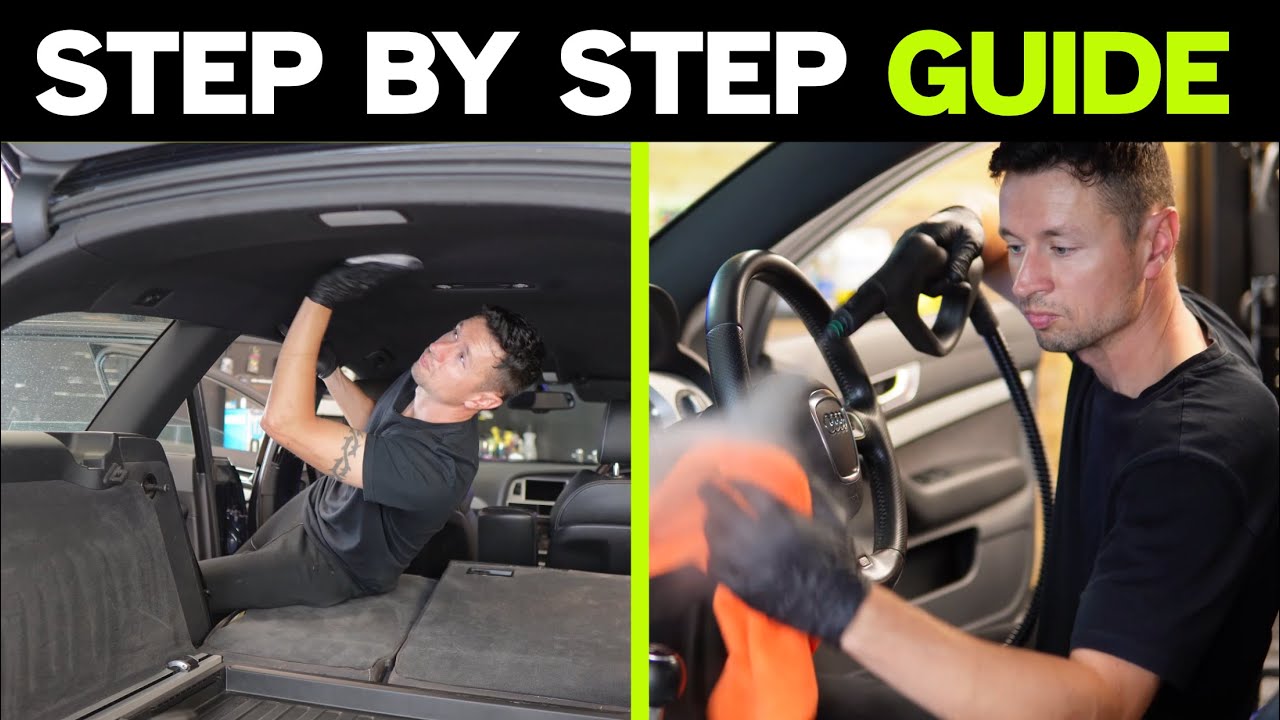
Detailing the interior of a car makes it feel new and clean. It involves thorough cleaning and attention to detail.
From vacuuming to refreshing the dashboard, each step is important. Let’s explore how to do it effectively.
Vacuuming And Carpet Cleaning
Vacuuming removes dirt and debris from carpets and seats. It is the first step to a clean car interior.
- Remove all floor mats and shake them outside the car.
- Use a vacuum with a hose attachment for corners and tight spots.
- Vacuum the seats, paying special attention to seams and folds.
- Finish by vacuuming the floor mats before placing them back.
Cleaning Leather And Upholstery
Leather and upholstery need special care to stay fresh and undamaged. Use the right products to clean them.
| Material | Cleaning Product |
| Leather | Leather cleaner and conditioner |
| Fabric Upholstery | Fabric cleaner and stain remover |
| Vinyl | All-purpose cleaner |
Refreshing The Dashboard And Vents
The dashboard and vents collect dust easily. Keeping them clean improves air quality inside the car.
Use a microfiber cloth to dust the dashboard. For vents, a small brush helps reach inside. Consider using an air freshener to add a pleasant scent.
Windows And Mirrors
Detail cleaning a car’s windows and mirrors is important. Clean windows improve visibility and safety. Mirrors need regular cleaning for a clear view.
Choose the right tools and techniques for the best results. A streak-free finish is key for clear glass surfaces.
Choosing Streak-free Cleaners
Select cleaners that are designed for glass. These products leave no streaks. They provide a clear view while driving.
Avoid cleaners with ammonia. They can damage window tints. Look for eco-friendly options for a safe clean.
- Opt for alcohol-based cleaners
- Check labels for ammonia-free formulas
- Choose biodegradable products for the environment
Techniques For A Crystal Clear Shine
Use a microfiber cloth to wipe windows. These cloths prevent scratches and lint. Clean with circular motions for even coverage.
Begin from the top and move downwards. This prevents drips from dirtying cleaned areas. Pay extra attention to edges and corners.
- Use separate cloths for windows and mirrors
- Buff with a dry cloth for extra shine
- Inspect from different angles to catch missed spots
Credit: www.youtube.com
Final Touches
Detail cleaning a car is almost done. The final touches make it look its best. These steps add shine and protect surfaces.
Taking time with the last details helps keep your car looking clean longer. It also shows care and pride.
Dressing Tires And Trim
Use a tire dressing to make tires shine. It also protects them from cracking and fading.
Apply trim dressing to plastic and rubber parts outside. This restores color and keeps them from drying out.
- Clean tires before applying dressing
- Use a small applicator for even coverage
- Let dressing dry to avoid sling on roads
- Apply trim dressing with a microfiber cloth
Checking For Missed Spots
Look carefully over the entire car. Check for dirt or smudges you missed before.
Use a bright light or sunlight to see spots clearly. Wipe off any dust or fingerprints found.
- Inspect door jambs and handles
- Check under mirrors and trim
- Look at glass for streaks
- Examine interior surfaces for dust
Tips For Regular Upkeep
Keep your car looking clean by doing small tasks often. This prevents heavy dirt buildup.
Simple habits can save time and keep your car fresh between deep cleanings.
- Wipe tires and trim weekly
- Use a quick detail spray after rain
- Clean windows regularly inside and out
- Vacuum the interior often
- Keep cleaning cloths handy for spills
Frequently Asked Questions
What Is The Best Way To Detail Clean A Car?
Start with washing the exterior using quality soap and mitts. Clean wheels and tires thoroughly. Vacuum and wipe the interior surfaces. Use specialized cleaners for leather or fabric. Finish with waxing to protect the paint. Detailing ensures a deep, complete clean inside and out.
How Often Should I Detail Clean My Car?
Detail cleaning is recommended every 3 to 6 months. This frequency keeps your car looking new and protects surfaces. Regular detailing prevents dirt buildup, stains, and damage. However, adjust based on your driving conditions and climate for optimal care.
What Tools Are Needed For Car Detail Cleaning?
Essential tools include microfiber towels, sponges, brushes, and vacuum cleaners. Use car-specific soaps, interior cleaners, and wax. Detailing kits often include applicators and clay bars. Proper tools ensure effective cleaning without damaging your vehicle’s surfaces.
Can I Detail Clean My Car At Home?
Yes, you can detail clean your car at home with the right tools. Follow step-by-step instructions for washing, interior cleaning, and waxing. Home detailing saves money and allows personalized care. However, professional services offer deeper cleaning and specialized treatments.
Conclusion
Detail cleaning a car keeps it looking fresh and new. It protects your investment and boosts comfort. Regular cleaning removes dirt, dust, and grime that harm paint and interiors. Taking time for each part makes a big difference. Clean cars also feel better to drive.
Simple tools and products work well if used right. Make cleaning a habit to enjoy a shiny, well-kept car every day. Small efforts lead to great results and long-lasting beauty.







