
Have you ever wondered what goes into making a car look brand new again? When you hear the term “car detailing,” you might picture a quick wash or a simple vacuum.
But there’s much more to it. Detailing your car is about restoring its shine, protecting its surfaces, and making every inch look flawless. If you want to know exactly what is included in detailing a car and why it matters for your vehicle’s appearance and value, keep reading.
This guide will reveal the key steps and secrets professionals use to transform your ride inside and out.
Credit: www.baltimoredetail.com
Exterior Cleaning
Cleaning the outside of a car is important to keep it looking good. It also helps protect the paint and finish.
Exterior cleaning removes dirt, dust, and other things that can damage the car over time.
Washing Techniques
Washing a car uses water, soap, and soft cloths or sponges. This removes loose dirt and grime.
Use two buckets: one with soapy water and one with clean water to rinse the sponge. This stops dirt from scratching the paint.
- Start washing from the top of the car
- Use gentle pressure on the surface
- Rinse often to avoid soap drying on the car
- Dry with a soft microfiber towel
Decontamination Process
Decontamination removes stubborn dirt that washing cannot clean. It includes tar, sap, and iron particles.
Special cleaners and tools help break down these contaminants. This keeps the surface smooth and clean.
- Apply iron remover to dissolve metal particles
- Use tar remover for sticky spots
- Rinse the car thoroughly after each treatment
Clay Bar Treatment
A clay bar cleans the paint by removing tiny contaminants stuck to the surface. It makes the paint feel smooth.
Use a lubricant spray to glide the clay bar over the paint. This avoids scratching during the process.
- Break off a small piece of clay
- Spray lubricant on a section of the car
- Gently rub the clay on the surface
- Wipe off residue with a clean microfiber cloth
Paint Correction
Paint correction is a key part of car detailing. It fixes surface flaws on your car’s paint.
It helps restore the shine and smoothness of your vehicle’s finish.
Scratch Removal
Scratches make your car look old and damaged. Scratch removal involves removing or reducing these marks.
Detailers use special compounds and tools to gently smooth out scratches without harming the paint.
Swirl Mark Elimination
Swirl marks are tiny scratches from washing or drying your car. They cause dull spots on the paint.
- Use soft polishing pads to avoid new marks
- Apply fine polish to remove swirl marks
- Work in small sections for even results
- Finish with a clean microfiber cloth
Polishing Methods
| Method | Description | Best For |
|---|---|---|
| Hand Polishing | Using hands and polish compounds | Light scratches and small areas |
| Machine Polishing | Using rotary or dual-action polishers | Deeper scratches and large surfaces |
| Compound Polishing | Using abrasive compounds to remove defects | Heavy scratches and oxidation |
Protective Coatings
Protective coatings help keep a car’s surface safe from damage. They add a layer that guards against dirt, water, and sunlight.
These coatings also make cleaning easier and keep the paint looking fresh longer.
Wax Application
Wax is a natural or synthetic product that creates a thin protective layer on the car’s paint. It adds shine and repels water.
- Wax protects against light scratches and UV rays.
- It needs to be applied every few months.
- Wax gives the car a glossy finish.
Sealants
Sealants are synthetic products that last longer than wax. They form a strong, protective barrier on the paint.
| Feature | Wax | Sealant |
| Durability | 2-3 months | 4-6 months |
| Shine | High | Moderate |
| Protection | Good | Better |
| Application | Easy | Moderate |
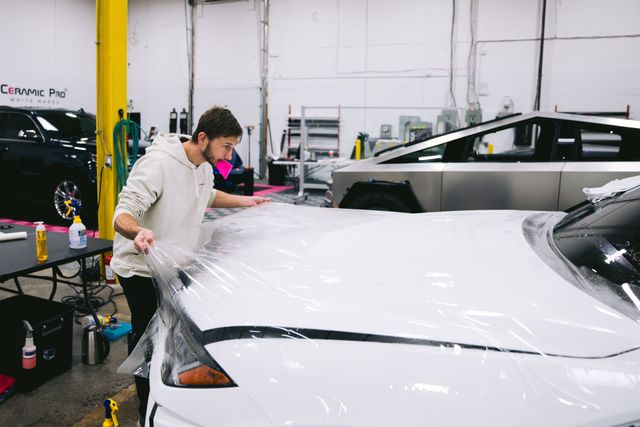
Ceramic Coatings
Ceramic coatings are liquid polymers that bond to the paint surface. They offer long-term protection and a strong shine.
Key benefits of ceramic coatings:
- Resist chemicals and dirt
- Lasts up to several years
- Creates a hydrophobic surface
- Protects against minor scratches
Credit: www.youtube.com
Wheels And Tires
Wheels and tires are key parts of a car’s look. Cleaning them well helps keep the car safe and attractive.
Detailing these parts takes care and the right products to remove dirt and protect them from damage.
Cleaning And Degreasing
Cleaning wheels and tires starts with removing dirt, brake dust, and grease. Use a strong cleaner that lifts grime without harming surfaces.
- Rinse wheels and tires with water
- Apply degreaser and let it sit
- Scrub with a soft brush to reach tight spots
- Rinse off all cleaner residue
Tire Dressing
Tire dressing protects rubber and gives a fresh look. It also stops tires from cracking and fading in sunlight.
| Type | Purpose | Finish |
| Water-Based | Protects and shines | Natural look |
| Silicone-Based | Enhances shine and water resistance | Glossy finish |
| Spray | Easy to apply | Varies |
Wheel Polishing
Polishing wheels removes light scratches and restores shine. Use a wheel polish and a soft cloth or buffer for best results.
Tips for polishing wheels:
- Clean wheels thoroughly first
- Apply polish in small sections
- Buff with a microfiber cloth
- Repeat if needed for deeper scratches
Glass And Mirrors
Cleaning the glass and mirrors is a key part of car detailing. Clear glass improves driving safety and the car’s look.
Detailing removes dirt, smudges, and water spots from windows and mirrors. This helps keep them clear and shiny.
Cleaning Techniques
Use a glass cleaner made for cars to avoid streaks. Clean both inside and outside surfaces carefully.
Microfiber cloths work best to wipe the glass without scratching it. Use a circular motion to remove grime.
- Spray cleaner on the cloth, not directly on glass
- Wipe windows top to bottom
- Use a dry cloth to remove leftover moisture
- Clean mirrors with the same method
Water Repellent Treatments
Water repellent treatments help water bead and roll off glass surfaces. This improves visibility during rain.
Apply the treatment on clean, dry glass. Let it dry and buff with a soft cloth for best results.
- Use small amounts to avoid streaks
- Apply evenly across all glass surfaces
- Renew treatment every few months
- Check manufacturer instructions for best use
Interior Detailing
Detailing the interior of a car involves thorough cleaning and restoration. It enhances the car’s appearance and ensures a pleasant driving experience.
Focusing on the interior means paying attention to every nook and cranny. This includes cleaning seats, consoles, and dashboards.
Vacuuming And Dusting
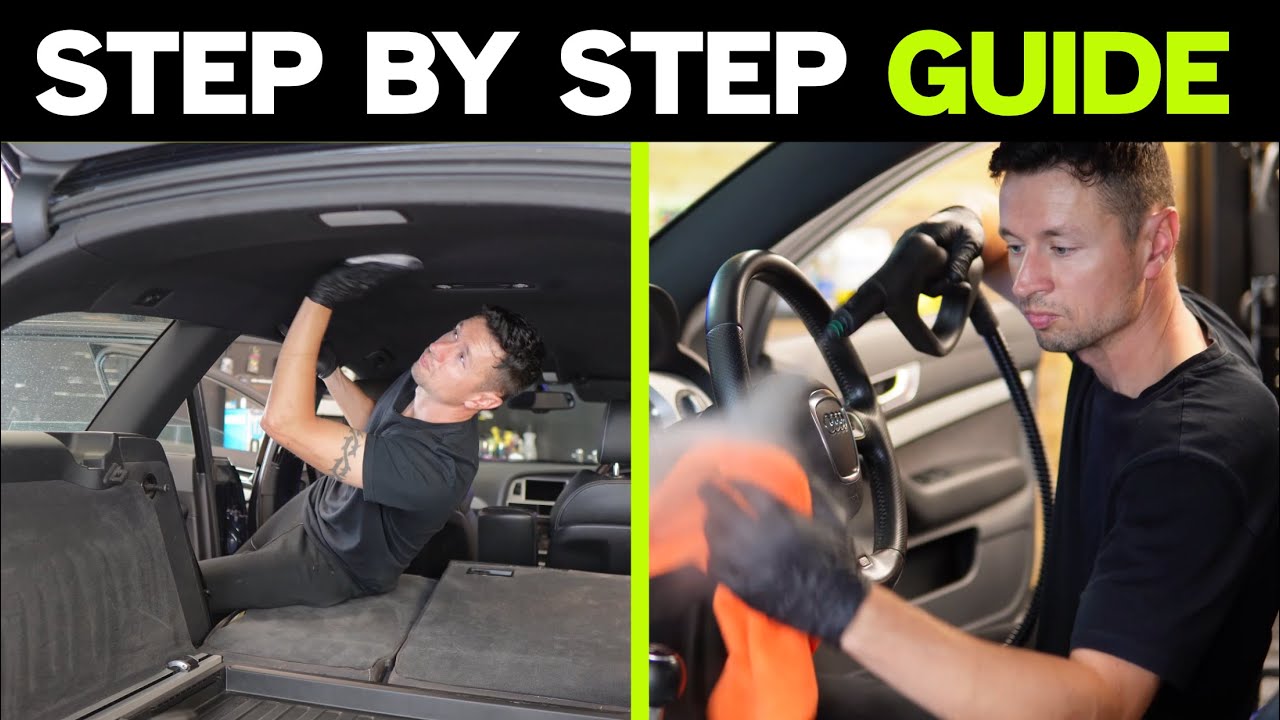
Vacuuming removes dirt and debris from the car’s floor, seats, and trunk. Dusting helps clean surfaces like the dashboard and air vents.
- Use a vacuum with attachments for corners and tight spaces.
- Dust with microfiber cloths to capture particles effectively.
- Clean air vents with a small brush to remove accumulated dust.
Upholstery Cleaning
Upholstery cleaning is crucial for maintaining the car’s interior fabric. It keeps seats fresh and free from stains.
Consider the type of upholstery:
- Fabric: Use a fabric cleaner or foam.
- Leather: Apply leather conditioner to prevent cracking.
Dashboard And Console Care
The dashboard and console are focal points of the car’s interior. Regular cleaning prevents dust buildup and maintains their appearance.
| Surface | Cleaning Product |
| Dashboard | Non-greasy cleaner |
| Console | Multi-surface cleaner |
| Buttons | Soft brush for crevices |
Engine Bay Cleaning
Cleaning the engine bay is an important part of car detailing. It helps maintain the car’s performance and appearance.
This process involves removing dirt and grime from the engine and surrounding components. It also includes applying protective products to keep the engine looking fresh.
Degreasing
Degreasing is the first step in cleaning the engine bay. It involves using special products to break down oil and grease.
These products help in removing stubborn residues that can build up over time. A clean engine bay improves the overall look of the car.
- Apply degreaser to dirty areas
- Let it sit for a few minutes
- Rinse thoroughly with water
Protective Dressing
After cleaning, it’s important to use a protective dressing. This helps to shield the engine components from dust and corrosion.
Protective dressing also enhances the visual appeal of the engine bay. It leaves a clean and glossy finish.
- Apply dressing to plastic and rubber parts
- Use a clean cloth to spread evenly
- Ensure all surfaces are covered

Credit: cleanmycar.ca
Tools And Products
Detailing a car means cleaning it inside and out very carefully. You need the right tools and products to do this well.
Using good tools and cleaning products helps protect the car’s surface. It also makes the car look shiny and new.
Essential Detailing Tools
Car detailing requires certain tools to reach every part of the vehicle. These tools help clean dirt and dust safely and thoroughly.
- Microfiber cloths for wiping and drying without scratching
- Foam applicator pads for applying wax and polish
- Detailing brushes for cleaning small parts and vents
- Pressure washer or hose with spray nozzle for rinsing
- Vacuum cleaner to remove dirt from seats and carpets
- Clay bar to remove tough contaminants from paint
Recommended Cleaning Products
Choosing the right cleaning products is important for a good finish. Products should clean well and protect the car’s paint and interior.
- Car shampoo designed for gentle but effective washing
- Wheel cleaner to remove brake dust and grime
- Glass cleaner for streak-free windows and mirrors
- All-purpose cleaner for plastic and vinyl surfaces
- Wax or sealant to protect and shine the car’s paint
- Leather conditioner to keep seats soft and crack-free
Frequently Asked Questions
What Services Are Included In Car Detailing?
Car detailing includes exterior washing, waxing, polishing, and paint correction. Interior services involve vacuuming, shampooing carpets, cleaning upholstery, and dashboard polishing. It restores the car’s appearance, protects surfaces, and enhances resale value. Detailing goes beyond a basic car wash for thorough cleaning and protection.
How Long Does A Full Car Detailing Take?
A full car detailing usually takes 2 to 6 hours. The duration depends on car size, condition, and service complexity. More thorough details with paint correction or deep interior cleaning may take longer. Scheduling in advance is recommended to ensure availability.
Why Is Car Detailing Important For Vehicle Maintenance?
Car detailing protects paint, prevents rust, and maintains interior cleanliness. It helps preserve the vehicle’s value by reducing wear and tear. Regular detailing removes dirt, grime, and contaminants that cause damage over time. It also improves driving comfort and appearance.
Can Car Detailing Remove Scratches And Stains?
Yes, detailing can reduce or remove minor scratches and stains. Paint correction techniques smooth out surface imperfections. Interior shampooing and spot treatments eliminate stains from fabrics and carpets. However, deep scratches or severe stains may require professional repair.
Conclusion
Detailing a car covers cleaning, polishing, and protecting both inside and outside. It helps keep your car looking fresh and new. Regular detailing removes dirt, dust, and stains that damage paint and fabric. It also improves your car’s value and comfort.
Taking care of your vehicle this way saves money in the long run. Detailing is more than just washing; it’s about preserving your car’s beauty. A clean car feels better to drive and shows you care. Simple steps make a big difference in your car’s life.







