
Your car’s paint is more than just a color—it’s the first line of defense against damage and the key to keeping your vehicle looking new. But the sun’s harsh rays can quickly dull that shine and cause lasting harm.
If you want to keep your car looking fresh and protect your investment, learning how to shield your paint from the sun is a must. You’ll discover simple, effective ways to guard your car’s finish and maintain that showroom glow.
Keep reading—your car will thank you.
Sun Damage Effects
The sun can harm your car’s paint over time. UV rays cause many problems on the surface.
Understanding sun damage helps you protect your car better. Let’s look at key effects.
Fading And Discoloration
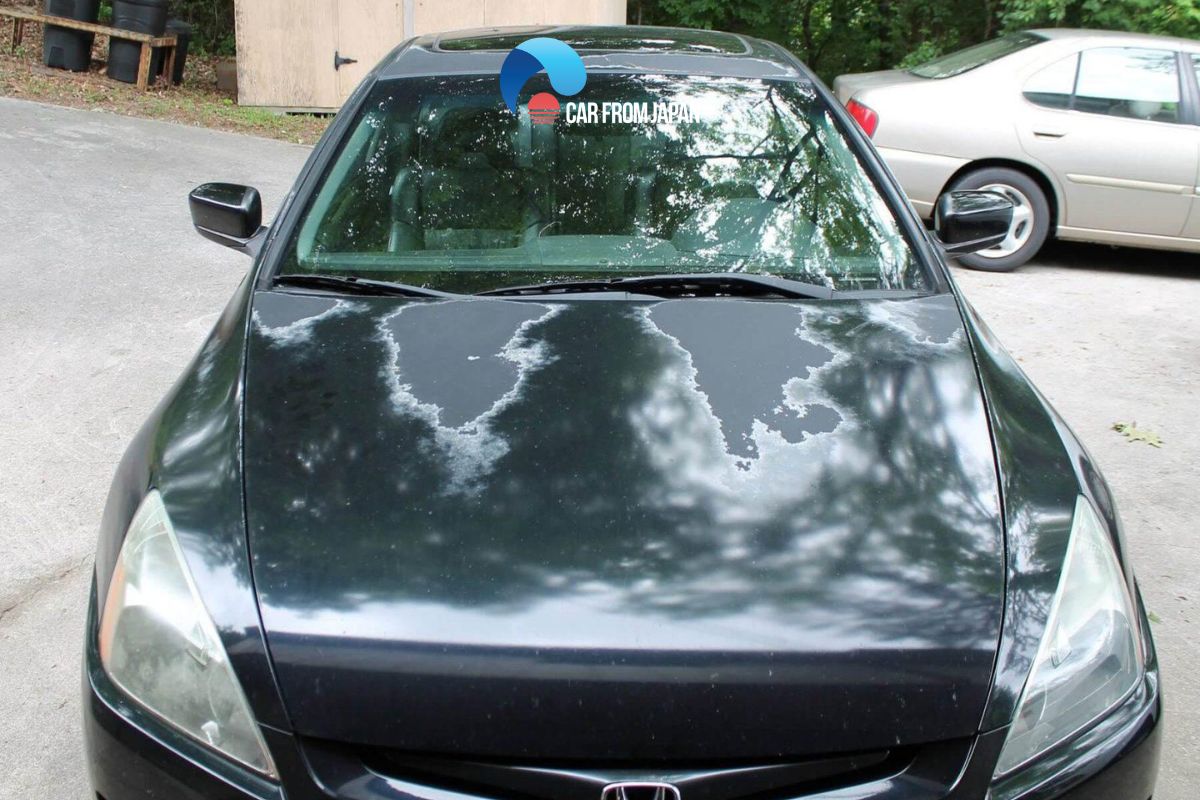
Sunlight causes car paint to lose its original color. This leads to fading and dullness.
Discoloration happens when UV rays break down paint pigments. The car looks old and worn.
Clear Coat Degradation
The clear coat protects the paint beneath it. Sun exposure can make this layer weak.
When the clear coat breaks down, the paint loses shine. It also becomes more vulnerable to damage.
- Loss of gloss and shine
- Increased paint vulnerability
- More dirt and grime stick to the surface
Paint Cracking
Extreme heat from the sun can cause paint to crack. Cracks let moisture reach the metal.
Paint cracking leads to rust and more serious damage. This lowers your car’s value and look.
Regular Washing Routine
Keeping your car clean helps protect its paint from sun damage. Dirt and dust can wear down the paint over time. A regular washing routine keeps the surface fresh and shielded.
Washing your car properly also removes harmful contaminants. These can cause fading or discoloration if left on the paint. A good routine reduces these risks.
Choosing The Right Soap
Use a soap made for cars, not household cleaners. Car soaps are gentle and protect wax coatings. Harsh soaps can strip away protection and dull the paint.
- Pick pH-balanced car shampoo
- Avoid dish detergents or bleach
- Choose soaps that add shine and protection
- Look for products labeled safe for clear coats
Frequency Of Washing
Wash your car often enough to keep dirt from building up. The ideal frequency depends on your location and weather. More dirt means more washing.
| Environment | Wash Frequency |
| Urban area with pollution | Every 1-2 weeks |
| Rural or dusty area | Every week |
| Coastal area with salt air | Once a week or more |
| Garage kept car | Every 2-3 weeks |
Proper Drying Techniques
Dry your car after washing to stop water spots. Use a soft towel or microfiber cloth. Avoid letting your car air dry in the sun.
- Use clean, soft microfiber towels
- Pat dry instead of rubbing hard
- Work in shade if possible
- Dry windows and mirrors carefully
Waxing And Sealants
Protecting your car paint from the sun is important. Waxing and sealants create a shield against harmful rays. They keep your car looking shiny and new.
Both waxing and sealants offer protection, but they work in different ways. Knowing their benefits helps you choose the right option for your car.
Benefits Of Waxing
Waxing adds a layer of protection to your car’s paint. It repels water and dust. It also helps prevent fading from sun exposure. Wax makes the car surface smooth and shiny.
- Protects paint from UV rays
- Prevents water spots and dirt buildup
- Enhances shine and color depth
- Makes cleaning easier
- Can hide minor scratches
Types Of Sealants
Sealants are synthetic products that protect car paint longer than wax. They form a hard, glossy layer. Sealants last longer but may not give the same warmth as wax.
| Sealant Type | Durability | Finish |
| Polymer Sealants | 6 to 12 months | Glossy and smooth |
| Carnauba Sealants | 3 to 6 months | Warm and natural shine |
| Hybrid Sealants | 6 to 9 months | Combination of gloss and warmth |
Application Tips
Applying wax or sealant properly helps protect your paint well. Clean the car first. Use small amounts and spread evenly. Let it dry before buffing.
- Wash and dry your car completely
- Use a clean applicator pad
- Apply wax or sealant in thin layers
- Allow it to haze or dry as instructed
- Buff with a soft cloth for shine
- Repeat every few months for best protection
Credit: carfromjapan.com
Using Paint Protection Film
Paint protection film is a clear layer that covers your car’s paint. It helps stop damage from the sun and other elements.
This film keeps your car looking new by blocking harmful UV rays. It also protects against scratches and dirt.
How It Works
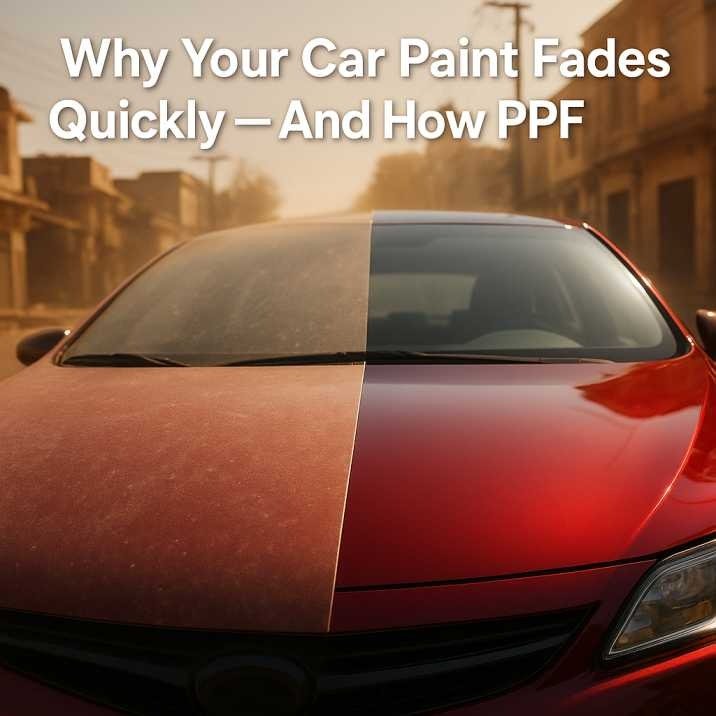
The film acts like a shield over your car’s paint. It absorbs UV rays that cause fading and discoloration.
The film also has a tough surface that stops small scratches and chips. It keeps the paint underneath safe.
Installation Process
First, the car surface must be cleaned thoroughly. This removes dirt and grease for good film adhesion.
Next, the film is carefully applied to the car. Experts use tools to smooth out bubbles and wrinkles.
- Clean the car surface well
- Cut the film to the right size
- Apply film slowly and evenly
- Remove air bubbles with a squeegee
- Let the film set and cure
Maintenance
Wash your car gently to keep the film clear and strong. Use mild soap and soft cloths.
Check the film regularly for damage. Small tears can let UV rays reach the paint.
- Avoid harsh chemicals and abrasive tools
- Hand wash the car for best results
- Dry the film with a soft towel
- Fix any damage quickly
Ceramic Coatings
Ceramic coatings offer a robust way to protect your car’s paint from the sun. They create a hard shell that deflects harmful UV rays.
Unlike traditional methods, ceramic coatings bond with the paint for long-lasting protection. They keep your car looking shiny and new.
Advantages Over Wax
Ceramic coatings last longer than wax and require less maintenance. They provide a higher level of protection against environmental damage.
- Ceramic coatings can last for years.
- They offer better resistance to scratches.
- They are more effective against UV damage.
Diy Vs Professional Application
Applying ceramic coatings can be a DIY project, but professional application often yields better results. Experts have the tools and skills needed.
| DIY Application | Professional Application |
| Lower cost | Higher quality |
| Time-consuming | Quick process |
| Risk of errors | Expert precision |
Longevity
Ceramic coatings can last for several years with proper care. They are more durable than traditional wax and sealants.

Credit: carfromjapan.com
Parking Strategies
Protecting your car paint from the sun is important. The sun can cause fading and damage over time. Choosing the right parking strategy can help keep your car looking new.
There are several ways to shield your car from harmful UV rays. These methods will help maintain the car’s appearance and value.
Shade Options
Parking in the shade is a simple way to protect your car. Look for natural or man-made shade options.
- Park under trees to block direct sunlight
- Use covered parking areas when available
- Look for buildings that cast long shadows
Car Covers
Car covers provide a physical barrier against the sun. They are portable and easy to use.
Choose a cover that fits your car well. Make sure it is made from UV-resistant materials.
Garage Benefits
Parking in a garage is the best way to protect your car. It shields the car from sun, rain, and other elements.
Garages also offer added security for your vehicle. They can help prevent theft and vandalism.
- Complete protection from weather
- Enhanced security for your car
- Less exposure to dust and debris
Additional Protective Tips
Sun damage can fade and harm your car’s paint. Taking extra steps helps keep it bright and strong.
Below are tips you can use to protect your car paint from the sun’s harmful rays.
Window Tinting
Window tinting blocks UV rays from entering your car. This lowers heat inside and helps protect your paint from sun damage.
- Choose high-quality tint with UV protection.
- Make sure tint follows local laws and regulations.
- Professional installation ensures the best results.
Using Sunshades
Sunshades are easy to use and reduce direct sunlight on your car’s interior and paint.
| Type of Sunshade | Benefits |
| Foldable Reflective | Blocks heat and UV rays effectively |
| Mesh Sunshade | Allows airflow, reduces heat build-up |
| Custom Fit | Fits windows perfectly, best protection |
Avoiding Harsh Chemicals
Harsh chemicals can strip your car paint and make it dull. Use gentle cleaners made for cars.
- Read labels to avoid strong acids or alkalis.
- Use pH-balanced car soaps and waxes.
- Rinse your car thoroughly after washing.
- Test new products on a small area first.
Credit: autozcrave.com
Frequently Asked Questions
How Does Sun Damage Car Paint?
Sunlight contains UV rays that break down paint molecules. This causes fading, cracking, and peeling over time. Protecting paint from sun exposure preserves color and gloss longer.
What Products Protect Car Paint From Sun?
Use UV-protective waxes, sealants, or ceramic coatings. These form a barrier that blocks harmful rays and prevents oxidation. Regular application ensures continuous protection and maintains shine.
Is Parking In Shade Enough To Protect Paint?
Parking in shade reduces direct sunlight but doesn’t fully block UV rays. Shade helps but combining it with protective coatings offers better defense against sun damage.
How Often Should I Wax My Car For Sun Protection?
Wax your car every 2-3 months to maintain a protective layer. Frequent waxing shields paint from UV rays and environmental contaminants that cause damage.
Conclusion
Protecting your car’s paint from the sun takes simple steps. Use shade or covers whenever you park outside. Regular washing removes dirt and keeps paint fresh. Apply wax often to add a strong shield. Small efforts now save you from costly repairs later.
A little care goes a long way for your car. Keep your paint bright and your car looking new. Sun damage won’t stand a chance with these tips. Your car deserves this easy protection every day.







