
You just drove your new car off the lot, and that fresh paint shines like a dream. But have you thought about how to keep it looking that way?
Protecting your new car’s paint is easier than you think, and the benefits go beyond just good looks. When you take the right steps now, you save money, avoid frustration, and enjoy your car’s showroom finish for years. Ready to learn the simple secrets that will keep your car’s paint flawless?
Keep reading, because your new car deserves the best care possible.
Prepare The Surface
Protecting new car paint starts with a clean surface. Dirt and grime can stop protectants from sticking well.
Careful preparation helps keep your car paint looking fresh and shiny for a long time.
Clean Before Applying
Wash your car thoroughly before applying any paint protection. Use mild soap and water to remove dust and dirt.
Dry the surface with a clean microfiber cloth to avoid water spots and streaks.
Remove Contaminants
Even after washing, some contaminants remain on the paint. These include tar, tree sap, and industrial fallout.
Use a safe automotive solvent or cleaner to remove these stubborn spots before protecting the paint.
- Check for sticky or rough spots on the paint
- Apply contaminant remover as instructed
- Wipe off with a clean cloth
Use Clay Bar Treatment
Clay bar treatment smooths the paint by removing fine particles stuck on the surface.
Lubricate the paint with a spray and gently rub the clay bar in small sections.
- Work slowly to avoid scratching the paint
- Fold the clay to expose a clean side
- Wipe off residue with a microfiber cloth
Credit: 48detailing.com
Choose The Right Products
Protecting your new car’s paint keeps it shiny and fresh. Picking the right products helps you avoid damage.
Use quality items made for your car’s finish. This makes your paint last longer and look better.
Select Quality Wax
Car wax adds a protective layer on your paint. It blocks dirt, water, and UV rays that can harm the surface.
Choose wax with natural carnauba or synthetic ingredients. These types give good shine and protection.
- Carnauba wax offers deep shine
- Synthetic wax lasts longer
- Apply wax every few months
- Follow instructions for best results
Consider Paint Sealants
Paint sealants create a hard, protective coating on your car’s paint. They guard against chemicals and scratches.
Sealants last longer than wax and keep your car cleaner. They are easy to apply and maintain.
- Use synthetic sealants for durability
- Sealants protect from acid rain and dirt
- Reapply sealants every six months
- Combine sealants with wax for best care
Opt For Ceramic Coatings
Ceramic coatings bond with the paint for strong, long-lasting protection. They resist water, dirt, and scratches well.
Ceramic coatings keep your car cleaner and make washing easier. They usually last one to three years.
- Requires clean, polished paint before applying
- Professional application gives best results
- Protects from UV rays and chemical stains
- Needs less frequent maintenance
Apply Protective Layers
Protecting your new car’s paint keeps it shiny and fresh. Applying protective layers stops dirt and damage.
Use the right methods for wax, sealants, and ceramic coatings. Each layer adds strength to the paint.
Wax Application Techniques
Wax adds a thin, protective layer to your car’s paint. It enhances shine and repels water.
- Wash and dry the car before applying wax.
- Use a foam applicator or soft cloth to spread wax evenly.
- Apply wax in small sections to avoid streaks.
- Let the wax haze over, then buff with a clean microfiber towel.
Sealant Application Tips
Sealants provide longer protection than wax. They form a strong, synthetic shield on the paint.
| Tip | Reason |
| Apply on cool, dry paint | Helps sealant bond properly |
| Use foam or microfiber applicator | Ensures even coverage |
| Allow sealant to cure fully | Maximizes durability |
| Buff gently after curing | Removes residue, improves shine |
Ceramic Coating Process
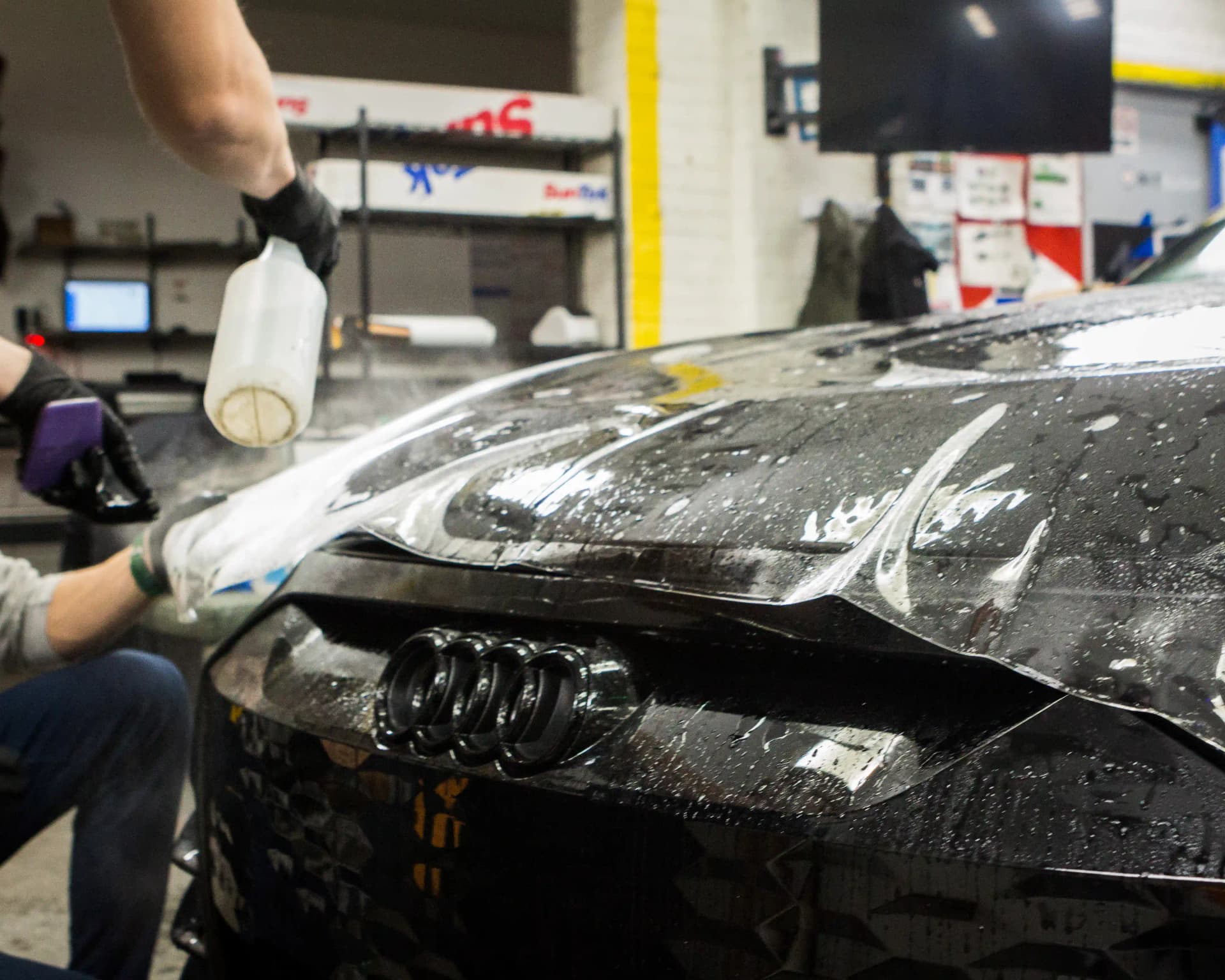
Ceramic coatings create a hard, clear layer that protects paint from scratches and chemicals.
Follow these key steps for ceramic coating:
- Wash and decontaminate the car’s surface carefully.
- Apply the coating using a soft applicator pad in small sections.
- Allow the coating to bond for the recommended time.
- Wipe off excess with a clean microfiber cloth.
- Let the coating cure fully for several hours or days.
Credit: carrectly.com
Maintain The Finish
Protecting your new car’s paint keeps it looking fresh and shiny. Simple care steps help maintain the smooth finish.
Regular attention prevents damage and preserves the value of your vehicle. Follow these tips to keep your paint in top shape.
Regular Washing Tips
Wash your car often to remove dirt and grime. Use soft cloths or sponges to avoid scratches.
- Rinse the car with water before washing
- Use mild car shampoo instead of dish soap
- Wash in the shade to prevent water spots
- Dry with a clean microfiber towel
Avoid Harsh Chemicals
Strong chemicals can harm your car’s paint and clear coat. Choose products made for automotive finishes.
| Harsh Chemicals | Effect on Paint |
| Household cleaners | Strip protective wax |
| Ammonia-based products | Cause discoloration |
| Acidic cleaners | Damage clear coat |
| Strong solvents | Remove paint layers |
Inspect For Damage
Check your car’s paint regularly for chips or scratches. Early repair stops rust and further damage.
Look closely at these areas:
- Door edges and handles
- Bumper corners
- Wheel wells
- Hood and roof
Protect Against Environmental Damage
New car paint looks great but faces many environmental threats. Dirt, sun, and rain can harm the paint finish. Protecting your car keeps it looking fresh and shiny.
Simple care steps help shield your paint from damage caused by weather and road conditions. This guide covers key ways to keep your car paint safe.
Shield From Uv Rays
Sunlight can fade and weaken car paint. UV rays break down the paint’s protective layers. Using protective coatings helps block these harmful rays. Park your car in shaded areas when possible.
- Apply a UV-resistant wax or sealant
- Use a car cover if parking outdoors
- Wash your car regularly to remove dirt that traps heat
- Choose parking spots with shade to reduce sun exposure
Prevent Water Spots
Water spots form when minerals in water dry on your car’s surface. These spots can stain and dull the paint. Dry your car after rain or washing to stop spots from forming.
| Cause | Effect | Prevention |
| Hard water droplets | White spots on paint | Dry car quickly with a microfiber cloth |
| Rain mixed with dust | Stains and rough texture | Wash car regularly and dry thoroughly |
| Poor drying technique | Water marks remain | Use soft cloth and blot gently |
Guard Against Road Debris
Small stones and debris can chip and scratch your paint. These damages let dirt and moisture reach the metal underneath. Protect your car by driving carefully and using protective films.
Tips to protect paint from road debris:
- Keep a safe distance from other vehicles
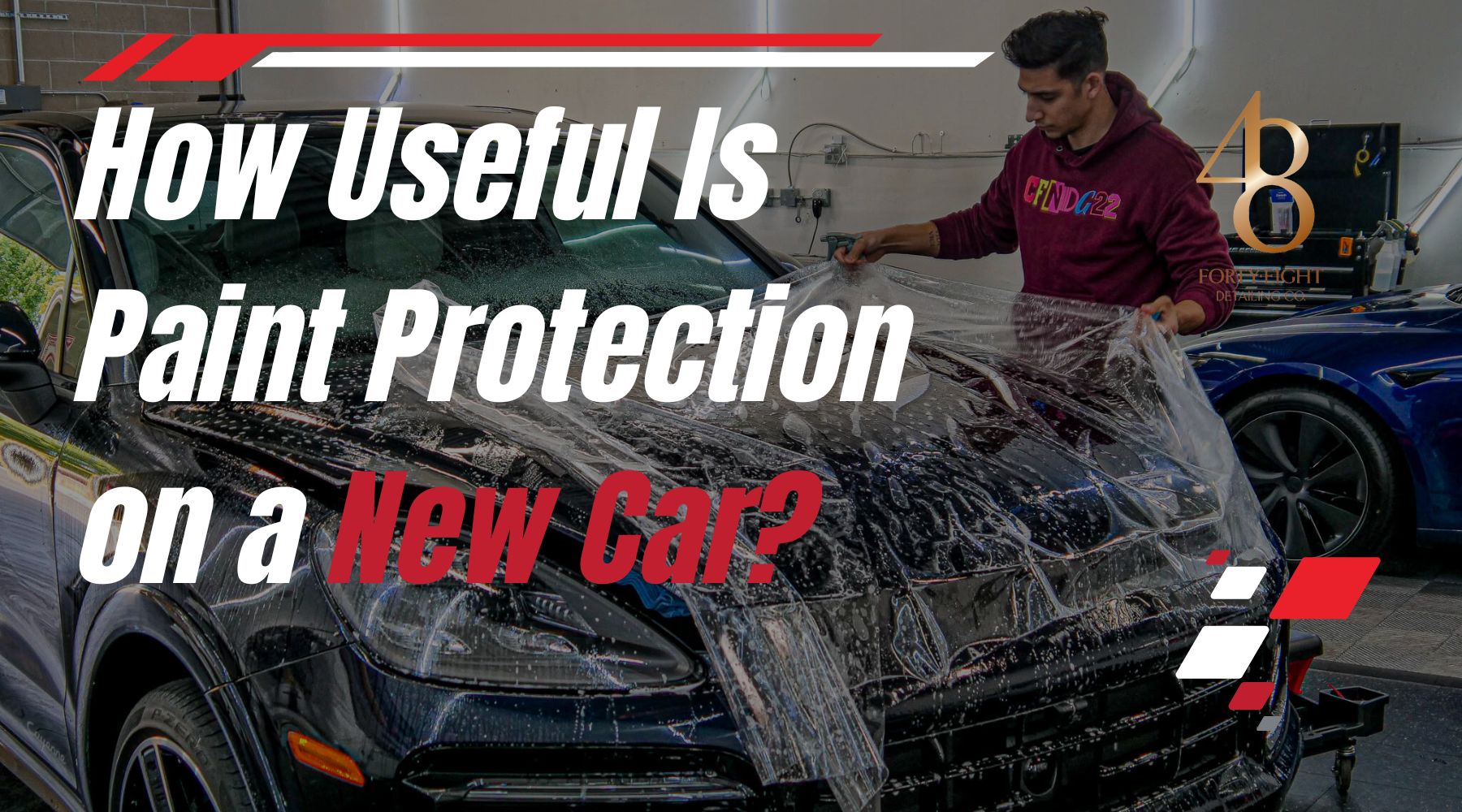
- Install clear paint protection film on vulnerable areas
- Avoid gravel roads or drive slowly on rough surfaces
- Check your car regularly for chips and repair them promptly
Storage And Handling
Protecting your new car’s paint is important. Proper storage and handling help maintain its shine.
Learn how to store and handle your car to keep its paint looking new.
Use Car Covers
A car cover shields your car from dust and sunlight. It prevents scratches and fading.
Choose a cover that fits your car well. This ensures full protection.
- Covers protect against bird droppings
- They guard against tree sap
- Keep the car dry in rain
Park In Shaded Areas
Sunlight can damage car paint over time. Parking in shaded spots helps.
Shade reduces the heat your car absorbs. This keeps the paint cool.
- Find spots under trees or buildings
- Use parking garages when possible
- Avoid parking in direct sunlight
Handle With Care
Be careful when touching your car. Avoid using rough materials that can scratch.
Use soft cloths for cleaning. This prevents damage to the paint surface.
- Use gentle cleaning products
- Avoid harsh chemicals
- Wash your car regularly
Credit: carheroz.com
Frequently Asked Questions
How Can I Protect My New Car Paint From Scratches?
Use a high-quality paint sealant or ceramic coating. These create a durable barrier against scratches and environmental damage. Regular washing and avoiding abrasive materials also help maintain the paint’s integrity and shine.
What Is The Best Way To Wash A New Car Paint?
Use the two-bucket method with pH-neutral car shampoo. Avoid automatic car washes with harsh brushes. Dry with a microfiber towel to prevent swirl marks and preserve the paint’s finish.
How Often Should I Wax My New Car Paint?
Wax your car every three months for optimal protection. Wax adds a protective layer against UV rays and contaminants, keeping the paint shiny and safe. Frequent waxing maintains the paint’s durability and appearance.
Does Parking Location Affect New Car Paint Protection?
Yes, parking in shaded or covered areas protects paint from UV damage. Avoid parking under trees to prevent sap and bird droppings. Covered parking reduces exposure to environmental elements that degrade paint.
Conclusion
Protecting your new car’s paint keeps it looking fresh and bright. Regular washing removes dirt that can cause damage. Applying wax or sealant adds a strong shield against scratches and sun. Parking in the shade helps avoid fading from harsh sunlight.
Small efforts daily save you money on repairs later. Keep your car’s shine long by following these simple steps. Enjoy the pride of a clean, well-kept vehicle every day. Taking care now means your car stays beautiful for years.







