
Your car seats take a lot of wear and tear every day. Dirt, spills, and stains can make them look old and worn out fast.
But cleaning your car seats doesn’t have to be a hassle. Imagine sliding into a fresh, spotless seat every time you get in your car. You’ll discover simple and effective ways to clean your car seats, whether they’re fabric, leather, or vinyl.
Keep reading, and you’ll learn easy tips that save you time and money while making your car feel like new again.
Choosing The Right Cleaner
Cleaning car seats needs the right products. Using wrong cleaners can damage the material.
Knowing your seat type helps pick a safe and effective cleaner. This guide explains key choices.
Types Of Car Seat Materials
Car seats come in different materials. Common types include fabric, leather, and vinyl. Each type needs special care.
Best Cleaners For Fabric Seats
Fabric seats are soft but can absorb stains. Use cleaners that lift dirt without soaking the fabric.
- Foam upholstery cleaner
- Mild detergent mixed with water
- Special fabric stain removers
- Vacuum before and after cleaning
Best Cleaners For Leather Seats
| Cleaner Type | Why Use It |
| Leather conditioner | Keeps leather soft and prevents cracks |
| pH-balanced leather cleaner | Removes dirt without harming leather |
| Microfiber cloth | Gently cleans without scratching |
Always test leather cleaners on a small spot first. Avoid harsh chemicals that dry the leather.
Diy Cleaning Solutions
Simple home mixtures can clean seats safely. Use these recipes based on seat type:
- For fabric: Mix equal parts water and white vinegar.
- For leather: Blend 1 cup water with 1 tablespoon olive oil and 1 tablespoon vinegar.
- Apply with a soft cloth and wipe gently.
- Test in a hidden area before full use.

Credit: www.youtube.com
Preparation Before Cleaning
Cleaning car seats starts with good preparation. This step helps avoid damage and makes cleaning easier.
Before you begin, gather the right tools and check your cleaners. This ensures a smooth cleaning process.
Gathering Necessary Supplies
Collect all items needed to clean your car seats well. Having everything ready saves time and effort.
- Vacuum cleaner with brush attachment
- Soft cloths or microfiber towels
- Gentle upholstery cleaner or mild soap
- Spray bottle with water
- Soft-bristled brush
- Bucket for mixing cleaning solutions
- Gloves to protect your hands
Vacuuming And Removing Debris
Start by vacuuming the seats to remove dirt and crumbs. This step stops dirt from spreading while cleaning.
| Vacuuming Tips | Why It Matters |
|---|---|
| Use brush attachment | Protects seat fabric from damage |
| Vacuum seams and crevices | Removes hidden debris |
| Move seats forward and back | Allows full access to all areas |
Spot Testing Cleaners
Test any cleaner on a small hidden area of the seat first. This check stops stains or damage before full cleaning.
- Apply a small amount of cleaner
- Wait 5 minutes to observe changes
- Look for discoloration or fabric damage
- If safe, proceed with cleaning the whole seat
- If not safe, try a different cleaner
Cleaning Fabric Seats
Fabric car seats need regular cleaning to stay fresh and last longer. Dirt, stains, and odors can build up over time. You can keep your seats looking good with simple cleaning steps.
This guide shows how to clean fabric seats using the right products and techniques. It covers using fabric cleaners, removing stains, and dealing with odors.
Using A Fabric Cleaner
Start by choosing a cleaner made for fabric seats. Test it on a small hidden area first. Spray the cleaner evenly over the seat surface. Let it sit for a few minutes to break down dirt.
Use a soft brush or cloth to scrub gently. Avoid soaking the fabric. Wipe off with a clean, damp cloth. Let the seat dry completely before using the car.
Removing Stains And Spots
Act quickly to remove stains. Blot the stain with a clean cloth to absorb excess liquid. Avoid rubbing, as it can spread the stain.
- Mix water with mild detergent for light stains.
- Use a fabric stain remover for tough spots.
- Apply the solution and let it sit for 5-10 minutes.
- Gently scrub with a soft brush.
- Blot with a clean, damp cloth to remove residue.
Dealing With Odors
Odors can come from food, pets, or smoke. To freshen fabric seats, sprinkle baking soda evenly over the surface. Let it sit for 15 to 30 minutes to absorb smells.
Vacuum the baking soda thoroughly. For persistent odors, use a fabric-safe deodorizer spray following product instructions.
| Odor Source | Cleaning Tip |
| Food spills | Clean spills quickly and use baking soda |
| Pet smells | Use fabric deodorizer and vacuum often |
| Smoke | Air out car and apply odor neutralizer spray |

Credit: www.youtube.com
Cleaning Leather Seats
Leather car seats look elegant and feel comfortable. Cleaning them regularly keeps them fresh and lasts longer.
Use gentle products and soft cloths to avoid damage. Follow these steps to clean and care for your leather seats.
Applying Leather Cleaner
Choose a cleaner made for leather surfaces. Avoid harsh chemicals that can dry out the leather.
Use a soft cloth or sponge to apply the cleaner. Work in small sections and rub gently to remove dirt.
- Test the cleaner on a hidden spot first
- Apply the cleaner in circular motions
- Wipe off excess cleaner with a clean cloth
Conditioning Leather Seats
Leather conditioner keeps the material soft and prevents drying. Use it after cleaning the seats.
Apply conditioner evenly with a clean cloth. Let it soak in for a few minutes, then buff the seats gently.
- Choose a conditioner designed for car leather
- Use a small amount to avoid sticky residue
- Condition seats every 3-6 months for best results
Preventing Cracks And Fading
Protect your leather seats from sun damage and wear. This helps stop cracks and color fading.
Park in shade or use sunshades. Clean and condition seats regularly to keep them healthy.
- Avoid sharp objects that can scratch the leather
- Keep seats dry and clean
- Use seat covers if needed for extra protection
Deep Cleaning Techniques
Cleaning car seats deeply removes dirt, stains, and odors. It helps keep your car fresh and nice.
Use proper tools and methods to clean seats without damage. Deep cleaning can last longer than quick wipes.
Steam Cleaning
Steam cleaning uses hot steam to lift dirt and kill germs. It works well on fabric and leather seats.
Steam reaches deep layers without soaking the seat. It loosens grime and helps remove stains easily.
- Use a steam cleaner designed for upholstery
- Move the steam nozzle slowly over the seat
- Do not hold steam too close to avoid damage
- Wipe the seat with a clean cloth after steaming
Using Upholstery Machines
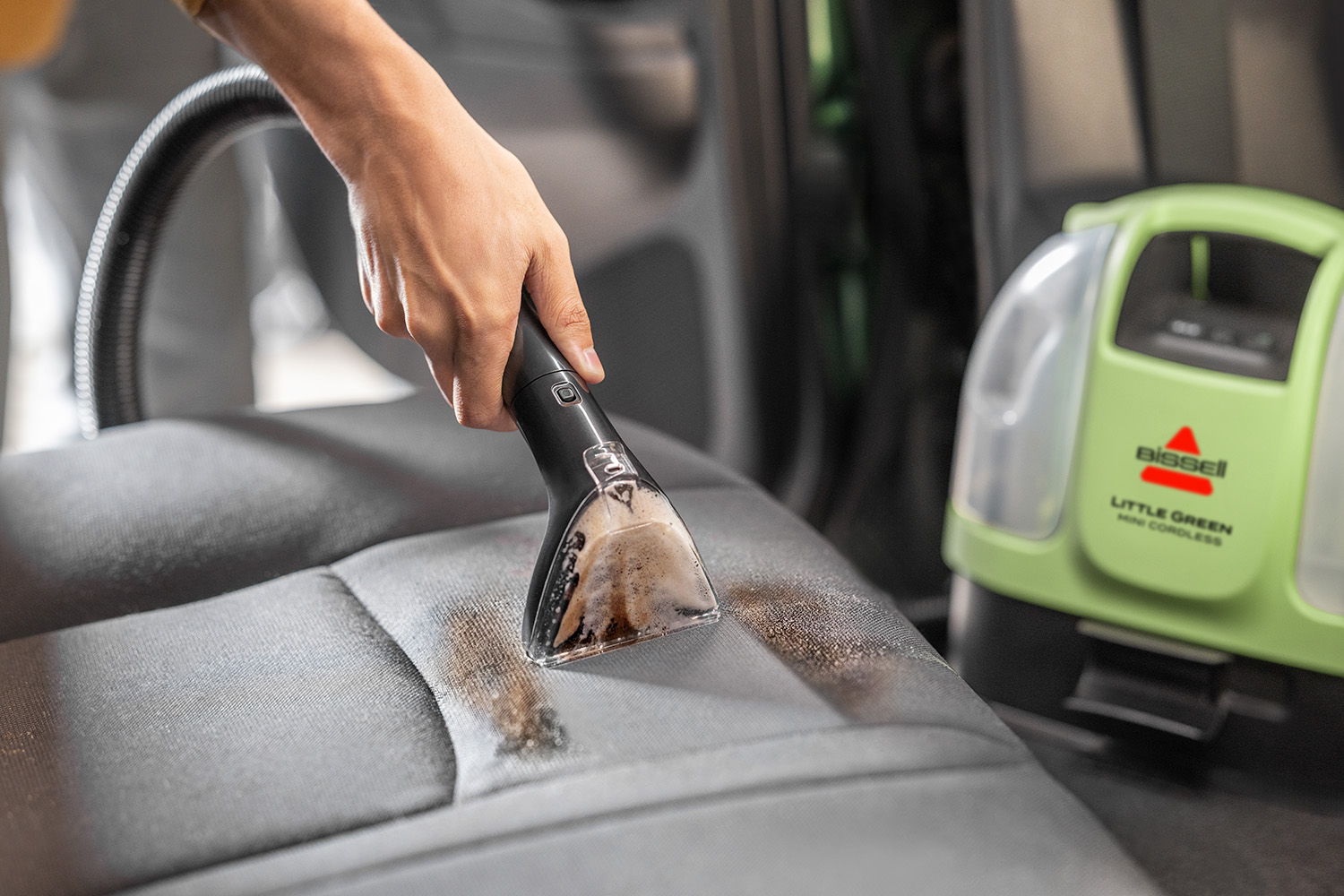
Upholstery machines spray cleaner and suction dirt out of seats. They work well on tough stains and deep dirt.
These machines clean faster than hand scrubbing. They help remove dust, food crumbs, and pet hair effectively.
- Choose a machine with strong suction power
- Use recommended cleaning solutions for car seats
- Work in sections for better results
- Rinse and repeat if seats are very dirty
Drying Methods
Drying car seats fast stops mold and bad smells. Airflow helps seats dry after cleaning.
Use fans or open windows to increase air circulation. Avoid direct sunlight on leather to prevent cracks.
- Use a fan or car blower for faster drying
- Leave car doors open if safe to do so
- Pat seats with a dry cloth to remove excess water
- Keep windows slightly open to improve airflow
Maintenance Tips
Keeping car seats clean extends their life. Regular care prevents stains and odors.
Follow these simple steps to maintain fresh and tidy car seats. Protect your investment with easy methods.
Regular Cleaning Schedule
Clean car seats weekly to avoid dirt build-up. Use a soft brush or vacuum to remove debris.
Wipe seats with a damp cloth. Use mild soap if needed. Avoid harsh chemicals.
- Vacuum seats regularly
- Use damp cloth weekly
- Apply mild soap for stains
Protective Treatments
Apply protective treatments for extra care. They shield seats from spills and stains.
Use fabric protectors for cloth seats. Leather conditioners keep leather soft and prevent cracking.
- Fabric protector for cloth
- Leather conditioner for leather
- Reapply every few months
Quick Fixes For Spills
Act fast when spills happen. Blot the spill with a clean cloth immediately.
Use baking soda to absorb liquids. Let it sit for a few minutes, then vacuum.
- Blot spills immediately
- Use baking soda for liquid spills
- Vacuum after treating
Credit: www.bissell.com
Frequently Asked Questions
How Often Should Car Seats Be Cleaned?
Car seats should be cleaned every 3 to 6 months. Regular cleaning prevents stains, odors, and wear. For heavy use or spills, clean immediately to maintain the seat’s appearance and hygiene.
What Is The Best Cleaner For Car Seats?
Use a cleaner designed for your seat material. Fabric seats need upholstery cleaner; leather seats require leather cleaner. Always test the cleaner on a small area first to avoid damage.
Can I Use Household Products To Clean Car Seats?
Some household products like mild soap can work on fabric seats. Avoid harsh chemicals or bleach as they can damage the material. Leather seats need specialized cleaners for best results.
How Do I Remove Tough Stains From Car Seats?
Blot stains immediately with a clean cloth. Use a mixture of water and mild soap or a specialized stain remover. Gently scrub and rinse, then allow to air dry fully.
Conclusion
Cleaning car seats does not have to be hard or time-consuming. Use simple steps and the right products for best results. Regular cleaning keeps your seats fresh and free from stains. Always test cleaners on small spots first. Dry seats well to avoid bad smells or damage.
A clean car seat makes driving more comfortable and pleasant. Try these tips to keep your car looking its best every day. Small effort, big difference.







