
How often should you wash your car? It might seem like a simple question, but the answer can make a big difference in keeping your car looking great and lasting longer.
Dirt, dust, and grime don’t just make your car look dull—they can also damage the paint and lead to costly repairs down the road. You want your car to shine every time you step outside, right? You’ll discover the best washing schedule tailored to your lifestyle and environment.
Keep reading to learn how to protect your investment and make your car turn heads wherever you go.
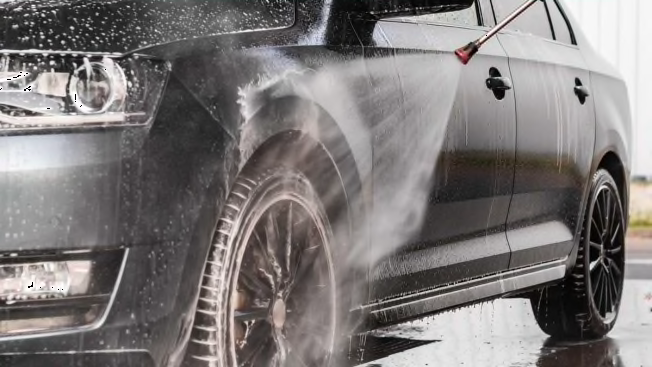
Credit: www.consumerreports.org
Factors Affecting Wash Frequency
Knowing how often to wash your car depends on many factors. Dirt, dust, and grime build up at different rates. Some conditions require more frequent cleaning than others.
This guide explains key factors that affect how often you should wash your car. Understanding these will help keep your car clean and protected.
Climate Impact
The weather and climate where you live change how quickly your car gets dirty. Rain, snow, and sun all affect your car’s surface.
- Rain can leave water spots and dirt on your car.
- Snow and ice bring salt that causes rust and damage.
- Hot sun fades paint and makes dirt stick more easily.
- Dusty or windy areas cover your car in grime faster.
Driving Conditions
How and where you drive matters. Your car gets dirtier with rough roads and heavy traffic.
| Driving Condition | Effect on Wash Frequency |
| City Driving | More frequent washes due to dust and pollution |
| Highway Driving | Less frequent washes but bugs and tar need removal |
| Off-Road | Frequent washes to remove mud and debris |
| Rainy Roads | Washes needed to clear salt and grime |
Parking Environment
Where you park affects how dirty your car gets. Shade, trees, and pollution all play a part.
Common parking factors include:
- Parking under trees can drop sap, bird droppings, and leaves.
- Parking in open sunlight speeds up paint fading and dust buildup.
- Parking near busy roads increases exposure to dirt and exhaust.
- Covered parking protects your car and lowers wash frequency.

Credit: www.msn.com
Benefits Of Regular Washing
Washing your car regularly helps keep it clean and safe. Dirt, dust, and grime can damage your vehicle over time.
Regular washing also makes your car look nicer and lasts longer. It is a simple way to protect your investment.
Protecting Paint And Finish
Washing removes dirt and chemicals that can harm the paint. This keeps the color bright and fresh.
Without washing, dirt can cause scratches and dull the shine. Clean paint looks new and lasts longer.
Preventing Rust And Corrosion
Salt, mud, and moisture can cause rust on your car’s metal parts. Washing removes these harmful substances.
Rust weakens the car’s body and can be costly to fix. Regular cleaning helps stop rust from starting.
Enhancing Vehicle Value
A clean car looks well cared for and lasts longer. This can increase its resale or trade-in value.
Buyers prefer cars without dirt, rust, or paint damage. Washing keeps your car attractive to buyers.
Signs Your Car Needs A Wash
Keeping your car clean is important for its look and health. Dirt can build up fast and harm the paint. Knowing when your car needs a wash helps keep it in good shape.
Look for clear signs on your car that show it needs cleaning. These signs can tell you when it is time to wash your car.
Visible Dirt And Grime
When you see dirt, dust, or mud on your car’s surface, it needs a wash. Dirt can stick to the paint and make your car look old.
Grime can also hide scratches or damage. Washing removes dirt and helps protect the paint from damage.
Water Spot Formation
Water spots appear when drops dry on your car’s surface. These spots leave marks that look like stains. They can harm the paint if left too long.
Spotting water marks means you should wash your car soon. Cleaning will remove the spots and keep your paint smooth.
Unpleasant Odors
Bad smells inside the car can show dirt or spills. Odors often come from food, trash, or moisture. These smells mean your car needs cleaning.
Washing the outside and cleaning the inside will help remove these odors. A fresh car feels nicer to ride in.

Credit: www.brilliatech.com
Recommended Washing Frequency
Keeping your car clean is important for its appearance and protection. The right washing schedule depends on how you use your car and the conditions it faces.
Understanding when to wash your car helps keep the paint safe and the vehicle looking fresh. This guide covers common situations and advice for washing frequency.
Daily Drivers
Cars used every day need regular washing to remove dirt, dust, and grime. Washing once every two weeks works well for most daily drivers.
- Wash more often if you park outside or drive on dusty roads.
- Use quick rinses between full washes to avoid buildup.
- Check for bird droppings or tree sap and clean them quickly.
Seasonal Adjustments
Seasons affect how often you should wash your car. Winter and rainy seasons need more attention due to salt, mud, and water spots.
| Season | Recommended Washing Frequency |
| Spring | Every 2 weeks |
| Summer | Every 2 weeks |
| Fall | Every 1-2 weeks |
| Winter | Once a week or more |
Special Situations
Certain conditions require extra washing to protect your car’s finish. These include road salt, heavy pollution, or after long trips.
Consider washing your car more often if:
- You drive on salted roads during winter.
- Your car is exposed to industrial pollution or construction dust.
- You have recently traveled on muddy or gravel roads.
- Your vehicle is parked under trees that drop sap or pollen.
Best Washing Techniques
Keeping your car clean protects its paint and keeps it looking good. Using the right washing techniques helps avoid damage.
Follow simple steps with proper tools and soap. This guide covers the best ways to wash your car safely.
Choosing The Right Soap
Use a soap made for cars, not household detergents. Car soaps are gentle and remove dirt without stripping wax.
- Pick pH-balanced car wash soaps
- Avoid dish soap or bleach
- Choose soap that creates foam to lift dirt
- Use concentrated formulas to save soap
Proper Washing Tools
Use soft and clean tools to avoid scratches on your car’s paint. Rinse tools often to remove trapped dirt.
| Tool | Purpose |
| Microfiber Wash Mitt | Gently lifts dirt without scratching |
| Two Buckets | One for soap, one for rinse water |
| Soft Bristle Brush | Clean wheels and tires |
| Hose with Spray Nozzle | Rinse car evenly |
Drying And Waxing Tips
Dry your car quickly after washing to stop water spots. Use a soft towel or chamois cloth.
- Use a microfiber drying towel to blot water
- Do not air dry, it leaves spots
- Apply wax after drying to protect paint
- Buff wax with a soft cloth for shine
Professional Vs Diy Washing
Keeping your car clean is important for its appearance and longevity. You can choose to wash it yourself or use professional services.
Each option has its benefits and drawbacks, so let’s explore them to help you decide.
Pros Of Professional Services
Professional car washes offer convenience and expertise. They have the right tools and products to clean your car thoroughly.
- High-quality cleaning equipment and products
- Time-saving and convenient
- Extra services like waxing and detailing
Diy Advantages And Tips
Washing your car yourself can be satisfying and cost-effective. You have control over the cleaning process and products used.
Tips for DIY car washing:
- Use a gentle car soap, not household detergents
- Rinse thoroughly to avoid soap residue
- Dry with a microfiber towel to prevent water spots
Cost Considerations
The cost of washing your car can vary. Professional services may be more expensive, but they offer added benefits.
| Option | Estimated Cost |
| Professional Wash | $10 – $30 per wash |
| DIY Wash | $5 – $10 per wash |
Frequently Asked Questions
How Often Should I Wash My Car For Best Results?
Washing your car every two weeks is ideal. It removes dirt, grime, and contaminants. Frequent washing prevents paint damage and rust. Adjust frequency based on weather and driving conditions. Regular cleaning keeps your car looking fresh and protects its value.
Does Weather Affect How Often To Wash A Car?
Yes, weather impacts washing frequency. Rain, snow, and salty roads increase dirt buildup. In winter, wash more often to remove salt and prevent rust. In dry seasons, less frequent washing may suffice. Always clean after harsh weather to maintain your car’s finish.
Can Washing My Car Too Often Cause Damage?
Washing too often can harm your car’s paint. Excessive scrubbing may wear down protective wax layers. Use gentle cleaning products and soft cloths to prevent scratches. Washing every one to two weeks balances cleanliness and paint protection well.
Is Hand Washing Better Than Automatic Car Washes?
Hand washing is gentler and allows attention to detail. Automatic car washes may cause minor scratches from brushes. However, modern touchless car washes are safer. Choose hand washing for delicate finishes and automatic washes for convenience and speed.
Conclusion
Washing your car regularly keeps it clean and protects the paint. Dirt and grime can damage your vehicle over time. Try to wash your car every two weeks or after bad weather. This helps avoid buildup and keeps your car looking fresh.
Remember, clean cars last longer and hold value better. A little care goes a long way in keeping your car nice. Simple steps make a big difference in the long run.







