
Have you ever wondered if waxing your car really protects its paint? You spend hours cleaning and polishing, but does waxing make a real difference?
Imagine driving a car that shines brilliantly and stays smooth for months. That’s exactly what good waxing promises. But is it just about looks, or does it guard your paint from damage too? If you want to keep your car looking new and avoid costly repairs, understanding how waxing works is key.
Keep reading to discover the truth about waxing and why it might be the best thing you do for your car’s paint.
How Waxing Shields Car Paint
Waxing your car adds a layer of protection to the paint. It helps keep the surface smooth and shiny.
This protective layer stops dirt, water, and sun damage from hurting the paint. Regular waxing keeps the car looking new.
Creating A Protective Barrier
Wax forms a thin shield over the car’s paint. This barrier protects against scratches and small chips.
The wax layer also prevents dirt and dust from sticking to the paint. This makes washing the car easier.
Repelling Water And Contaminants
Wax makes the car’s surface water-repellent. Water beads up and rolls off quickly.
This helps stop water spots and stains. It also blocks harmful contaminants like bird droppings and tree sap.
- Water beads off easily
- Reduces water spots
- Prevents stains from contaminants
Preventing Uv Damage
Sunlight can fade and dull car paint over time. Wax protects the paint from harmful UV rays.
The wax layer slows down color fading and keeps the paint bright. This helps maintain the car’s appearance.

Credit: carfromjapan.com
Types Of Car Wax
Waxing a car helps protect its paint from dirt, sun, and water. Different types of waxes offer various benefits and protection levels.
Choosing the right wax depends on your needs and how much time you want to spend waxing your car.
Natural Vs Synthetic Waxes
Natural waxes come from carnauba, a plant-based ingredient. They give a deep shine and a warm look to the car paint.
Synthetic waxes are made from polymers. They last longer and protect better against harsh weather and dirt.
- Natural wax: shiny finish, shorter protection time
- Synthetic wax: durable, easier to apply
- Some waxes combine both for shine and protection
Paste, Liquid, And Spray Options
Paste wax is thick and solid. It gives a strong protective layer but takes more time to apply and remove.
Liquid wax is easier to spread and removes faster. It works well for regular waxing and quick shine.
Spray wax offers the fastest application. It is best for touch-ups and quick protection but may not last as long.
- Paste: strong protection, takes longer
- Liquid: easy to apply, good for regular use
- Spray: very fast, best for quick touch-ups
Benefits Beyond Protection
Waxing a car does more than just protect its paint. It improves how the car looks and feels. Many car owners wax their cars to keep them looking fresh and clean.
Wax forms a smooth layer on the car’s surface. This layer helps with shine, cleaning, and preventing small damage. Let’s explore these benefits.
Enhancing Shine And Gloss
Wax adds a glossy finish to the car’s paint. It makes the colors look deeper and brighter. This shine gives the car a polished and new appearance.
The wax fills tiny gaps on the paint, creating a smooth surface. Light reflects evenly, which increases the gloss. This effect lasts for weeks after waxing.
Easing Dirt Removal
A waxed surface is smoother, so dirt and grime do not stick well. This makes cleaning the car easier and quicker. You will spend less time washing.
Dirt and water slide off the wax layer. It also helps prevent stains from bird droppings and tree sap. Wax keeps the car cleaner for longer periods.
Reducing Scratches And Swirls
Wax creates a thin barrier between the paint and outside elements. This layer lowers the risk of small scratches from dust and brushes.
It also reduces swirl marks caused by washing and drying. Wax protects the paint by softening contact with rough surfaces. This keeps your car looking smooth.
Frequency And Application Tips
Waxing your car helps protect its paint from dirt and damage. Knowing how often to wax and how to apply it correctly keeps your car looking good.
This guide covers when to wax your car, steps for effective waxing, and common mistakes to avoid.
When To Wax Your Car
Wax your car every three months to keep the paint safe. If you park outside a lot, wax more often. Waxing after washing removes water spots and adds shine.
- Wax at least four times a year for best protection.
- Check your car’s paint for dullness or water spots.
- Wax after washing and drying the car fully.
- Avoid waxing in direct sunlight or on a hot surface.
Steps For Effective Waxing
Follow these steps to apply wax evenly and protect your paint well.
- Wash your car to remove dirt and grime.
- Dry the car completely with a soft cloth.
- Apply wax in small, circular motions using an applicator pad.
- Let the wax dry until it looks hazy.
- Buff the wax off with a clean microfiber cloth for shine.
Common Mistakes To Avoid
| Mistake | Effect |
| Waxing on a hot surface | Wax dries too fast and unevenly |
| Applying too much wax | Leaves residue and streaks |
| Not washing car first | Traps dirt under wax, damaging paint |
| Using dirty cloths | Causes scratches and dull finish |
Avoid these errors to keep your car’s paint smooth and protected.
Comparing Wax With Other Paint Protectants
Waxing a car helps protect its paint by adding a thin layer on the surface. It improves shine and repels water. Many car owners wonder how wax compares to other protectants.
This guide compares wax with sealants and ceramic coatings. Each product offers different levels of protection and durability.
Sealants Vs Wax
Sealants are synthetic products that protect car paint longer than wax. They create a hard, plastic-like layer on the paint.
Wax is natural and softer. It lasts a few weeks, while sealants can last several months.
- Wax gives a warm, deep shine.
- Sealants offer stronger protection from dirt and UV rays.
- Sealants are easier to apply and last longer.
- Wax needs more frequent reapplication.
Ceramic Coatings Overview
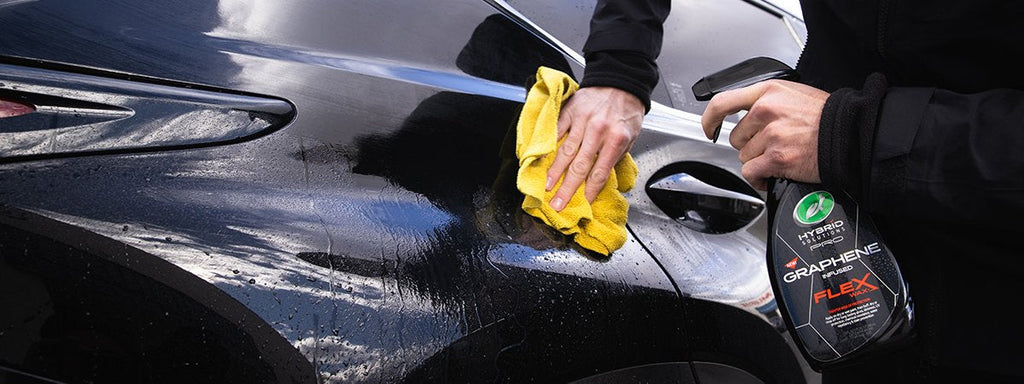
Ceramic coatings are liquid polymers that bond to the car paint. They offer very strong protection against scratches, chemicals, and dirt.
These coatings last for years and make cleaning easier. They are more expensive and need professional application in most cases.
- Provide long-term paint protection.
- Resist water, dirt, and stains.
- Create a glossy, slick surface.
- Require careful preparation before application.
Credit: www.turtlewax.com
Signs Wax Is Wearing Off
Waxing your car can protect its paint and make it shine. But over time, wax wears off, losing its protective qualities.
Knowing the signs that wax is wearing off helps you maintain your car’s paint. Here are some key indicators to watch for.
Water Beading Tests
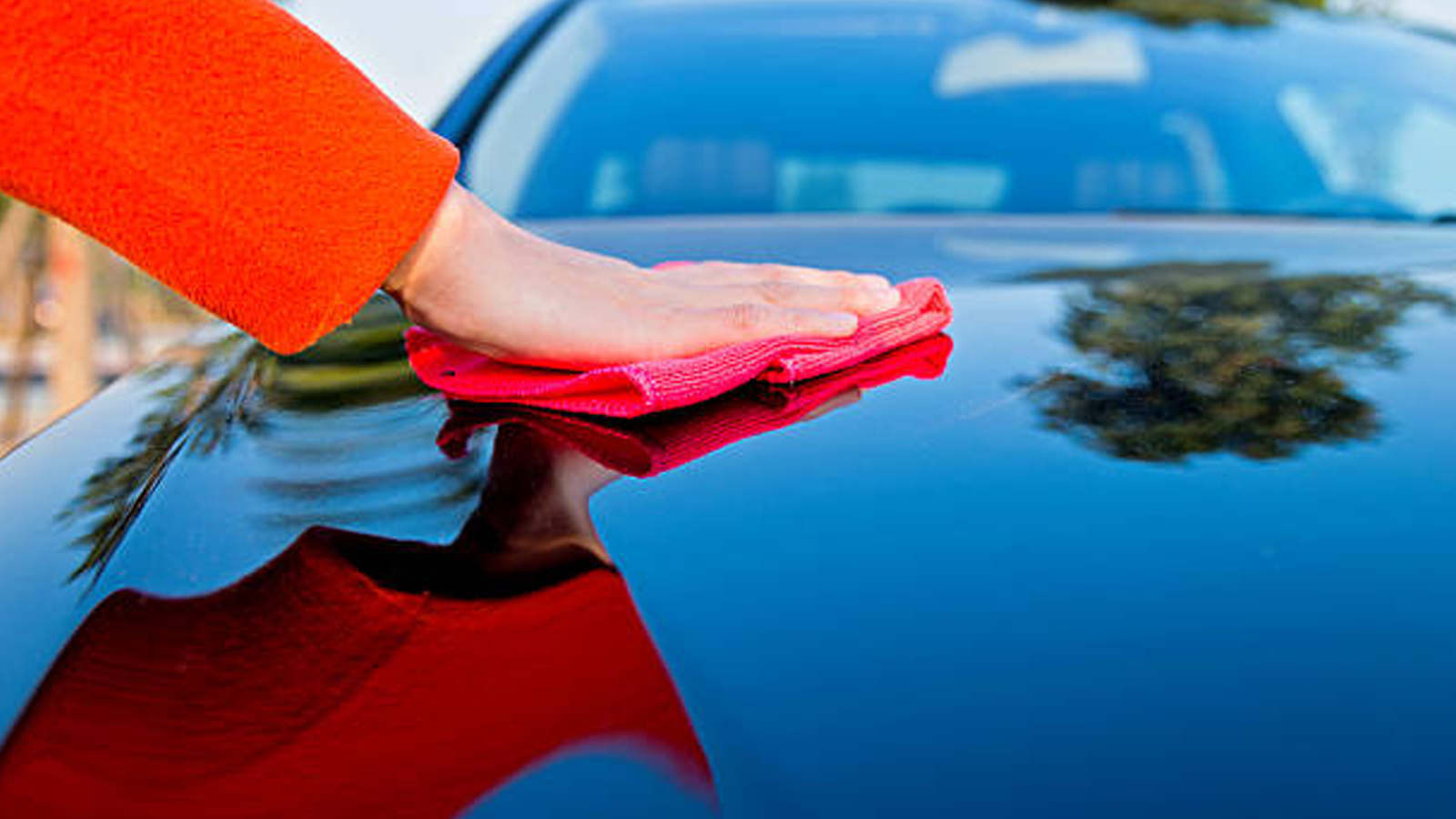
Water beading is a sign that wax is present. When wax is intact, water forms beads on the car’s surface.
Dullness And Surface Feel
Wax makes a car’s surface smooth and shiny. When wax wears off, the paint looks dull and feels rough.
- Check your car in bright sunlight.
- Run your fingers over the surface.
- Note any rough patches or dull areas.
Credit: www.chemicalguys.com
Frequently Asked Questions
Does Waxing A Car Protect The Paint From Damage?
Yes, waxing creates a protective barrier on the paint. It shields against UV rays, dirt, and minor scratches. This helps maintain the car’s shine and prevents fading over time.
How Often Should I Wax My Car For Protection?
For optimal protection, wax your car every 3 to 4 months. Regular waxing ensures continuous defense against environmental elements and keeps the paint looking fresh.
Can Waxing Prevent Paint Oxidation On My Car?
Waxing delays paint oxidation by sealing the surface. It blocks oxygen and moisture, which cause the paint to deteriorate. This extends the paint’s lifespan and maintains its gloss.
Is Waxing Better Than Polishing For Paint Protection?
Waxing adds a protective layer, while polishing removes imperfections. Both are important, but waxing specifically protects paint from external damage and enhances shine.
Conclusion
Waxing a car adds a strong layer of protection to the paint. It helps block dirt, water, and harmful sun rays. Regular waxing keeps the paint shiny and smooth. It also makes cleaning easier and prevents small scratches. Skipping wax leaves paint open to damage and fading.
A simple wax job can save money on repairs later. Protect your car’s look by waxing it often. It’s a small step with big benefits. Keep your paint fresh and bright for years.







