
Your leather car seats add a touch of luxury and comfort to every drive. But keeping them clean can feel tricky and time-consuming.
What if you could restore that fresh, new look without spending hours or using harsh chemicals? You’ll discover the best way to clean leather car seats quickly and safely. By following simple steps, you’ll protect your seats from damage and keep your car looking its best for years to come.
Ready to make your leather seats shine like new? Let’s dive in.
Choosing The Right Cleaning Products
Cleaning leather car seats needs care and the right products. Using the wrong cleaner can damage the leather.
Choosing safe and effective cleaning solutions helps keep your seats soft and looking new.
Leather Cleaners Vs. Homemade Solutions
Leather cleaners are made for car seats. They clean well and protect leather. Homemade solutions use common items like vinegar or soap.
Store-bought cleaners often have ingredients that keep leather soft. Homemade mixes might dry out the leather if used too much.
- Leather cleaners are tested for safety on leather
- Homemade solutions are cheaper and easy to make
- Homemade cleaners can be harsh if not mixed right
- Leather cleaners usually include conditioners
Avoiding Harsh Chemicals
Harsh chemicals can dry and crack leather. Avoid cleaners with bleach, ammonia, or strong acids.
Choose gentle products that clean without stripping natural oils from leather.
- Stay away from bleach and ammonia
- Avoid products with high alcohol content
- Do not use strong acids or alkaline cleaners
- Pick cleaners labeled safe for leather
Recommended Brands And Ingredients
Look for brands that focus on leather care. Ingredients like glycerin and natural oils help keep leather soft.
Avoid products with too many chemicals or harsh fragrances. Simple, clear labels are better.
- Leather conditioners with glycerin or lanolin
- Cleaners containing natural oils like coconut or jojoba
- pH-balanced products made for leather
- Brands known for car leather care and safety
Preparing Your Car Seats For Cleaning
Cleaning leather car seats needs good preparation. This helps protect the leather and gets the best results.
Start by removing dirt and dust. Then check the cleaner on a small spot. Gather all tools before you clean.
Vacuuming Dirt And Debris
Use a vacuum cleaner to remove dirt and crumbs from the seats. This stops dirt from scratching the leather.
Vacuum all seat areas, including seams and crevices. Use a soft brush attachment to avoid damage.
Testing Cleaners On Small Areas
Before using any cleaner, test it on a hidden part of the seat. This ensures it won’t damage or stain the leather.
Wait a few minutes after applying the cleaner. Check for any color change or damage before full use.
Gathering Necessary Tools
Collect all tools before starting to clean. This saves time and helps you work better.
- Vacuum cleaner with soft brush
- Leather cleaner or mild soap
- Soft microfiber cloths
- Small bowl of water
- Soft-bristled brush
- Leather conditioner (optional)
Step-by-step Cleaning Process
Cleaning leather car seats keeps them looking fresh and lasts longer. Use gentle methods to avoid damage. Follow the steps below for the best results.
Each step targets dirt and stains without harming the leather. Take your time and use the right tools for a smooth clean.
Applying Cleaner Gently
Choose a leather cleaner suitable for your seat type. Apply a small amount on a soft cloth. Dab the cleaner gently on the leather surface. Avoid soaking the leather to prevent damage.
- Test cleaner on a hidden spot first
- Use a soft cloth to apply
- Work in small sections
- Do not scrub hard
- Let cleaner sit for a few minutes
Using Soft Brushes And Cloths
Soft brushes help remove dirt from creases and seams. Use gentle circular motions to avoid scratching. Follow with a microfiber cloth to lift dirt and cleaner residue.
| Tool | Purpose | Tip |
|---|---|---|
| Soft-bristled brush | Clean seams and textured areas | Use light pressure only |
| Microfiber cloth | Wipe dirt and cleaner off | Use clean, dry cloth |
Wiping Off Residue
After cleaning, remove any leftover cleaner to avoid buildup. Use a clean damp cloth to wipe the seats. Dry the leather with a soft towel to finish.
- Use a damp cloth, not wet
- Wipe gently in circular motions
- Dry seats completely with a soft towel
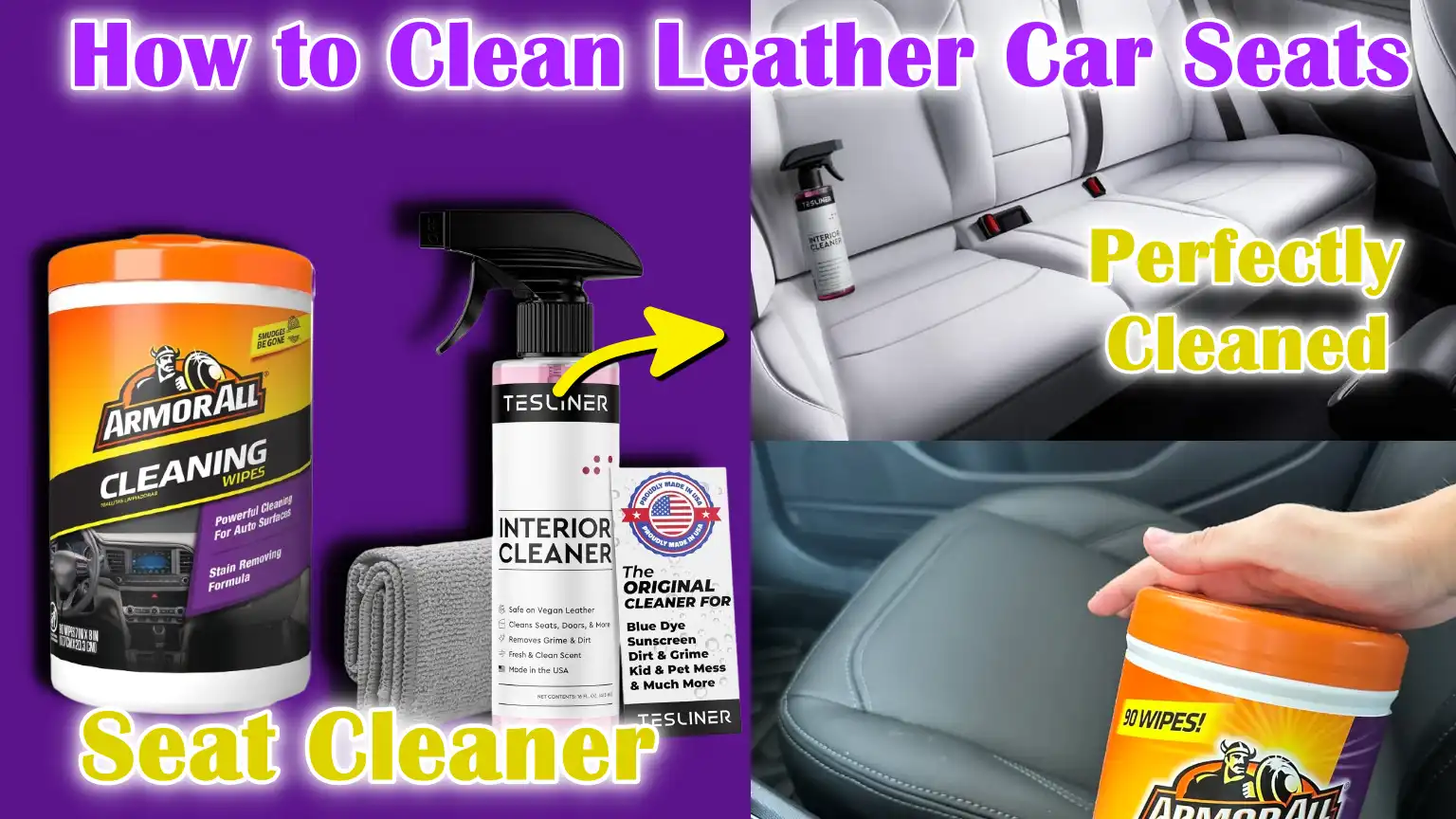
Credit: dondodicarcustoms.com
Conditioning Leather For Longevity
Leather car seats add style and comfort to your vehicle. Keeping them clean and conditioned helps them last longer.
Conditioning your leather seats stops cracks and keeps the leather soft. It protects your seats from damage.
Benefits Of Leather Conditioners
Leather conditioners restore moisture to dry leather. They prevent the leather from cracking and fading.
Conditioners also create a protective layer. This helps resist stains and dirt buildup over time.
- Keeps leather soft and supple
- Prevents cracks and splits
- Protects against stains and dirt
- Maintains the leather’s natural shine
- Extends the life of your car seats
How To Apply Conditioner Properly
Start by cleaning your leather seats with a gentle cleaner. Make sure the seats are dry before conditioning.
Apply a small amount of conditioner on a soft cloth. Rub it gently in circular motions over the leather surface.
- Use a clean microfiber cloth
- Apply conditioner evenly on all areas
- Focus on cracks and creases
- Let the conditioner absorb for 10-15 minutes
- Wipe off any extra conditioner with a dry cloth
Frequency Of Conditioning
Condition leather seats every three to six months. This keeps the leather healthy and protected.
If you live in a hot or dry area, condition more often. Cold or humid climates need less frequent conditioning.
- Every 3 months in dry or hot climates
- Every 6 months in mild climates
- More often if seats look dry or cracked
- After cleaning leather thoroughly
Preventing Damage And Stains
Leather car seats need care to stay clean and last long. Dirt, stains, and sun can harm the leather. You can protect your seats by using simple methods.
This guide covers regular maintenance, sun protection, and quick spill cleanup. These tips help keep your leather seats looking new.
Regular Maintenance Tips
Clean your leather seats often to remove dust and dirt. Use soft cloths and mild cleaners made for leather. Avoid harsh chemicals that dry out the leather.
- Vacuum seats gently to remove loose dirt.
- Use a damp microfiber cloth for wiping surfaces.
- Apply leather conditioner every few months to keep leather soft.
- Test any cleaner on a small seat area first.
- Do not use too much water to avoid damage.
Protecting From Sun And Heat
Sunlight and heat cause leather to crack and fade. Protect your seats by blocking direct sun and cooling the car’s interior.
| Protection Method | Description |
| Use Sunshades | Place sunshades on the windshield and windows to block UV rays. |
| Park in Shade | Always park your car under trees or covered areas. |
| Use Window Tint | Install window tint to reduce heat and sun exposure. |
| Ventilate Interior | Open windows slightly to let hot air escape when parked. |
Dealing With Spills Quickly
Spills can leave stains and damage leather if not cleaned fast. Act quickly to protect your seats.
- Blot spills immediately with a clean cloth.
- Do not rub; rubbing spreads the stain.
- Use a leather cleaner suited for your seat type.
- Dry the area gently after cleaning.
- Repeat cleaning if the stain remains.
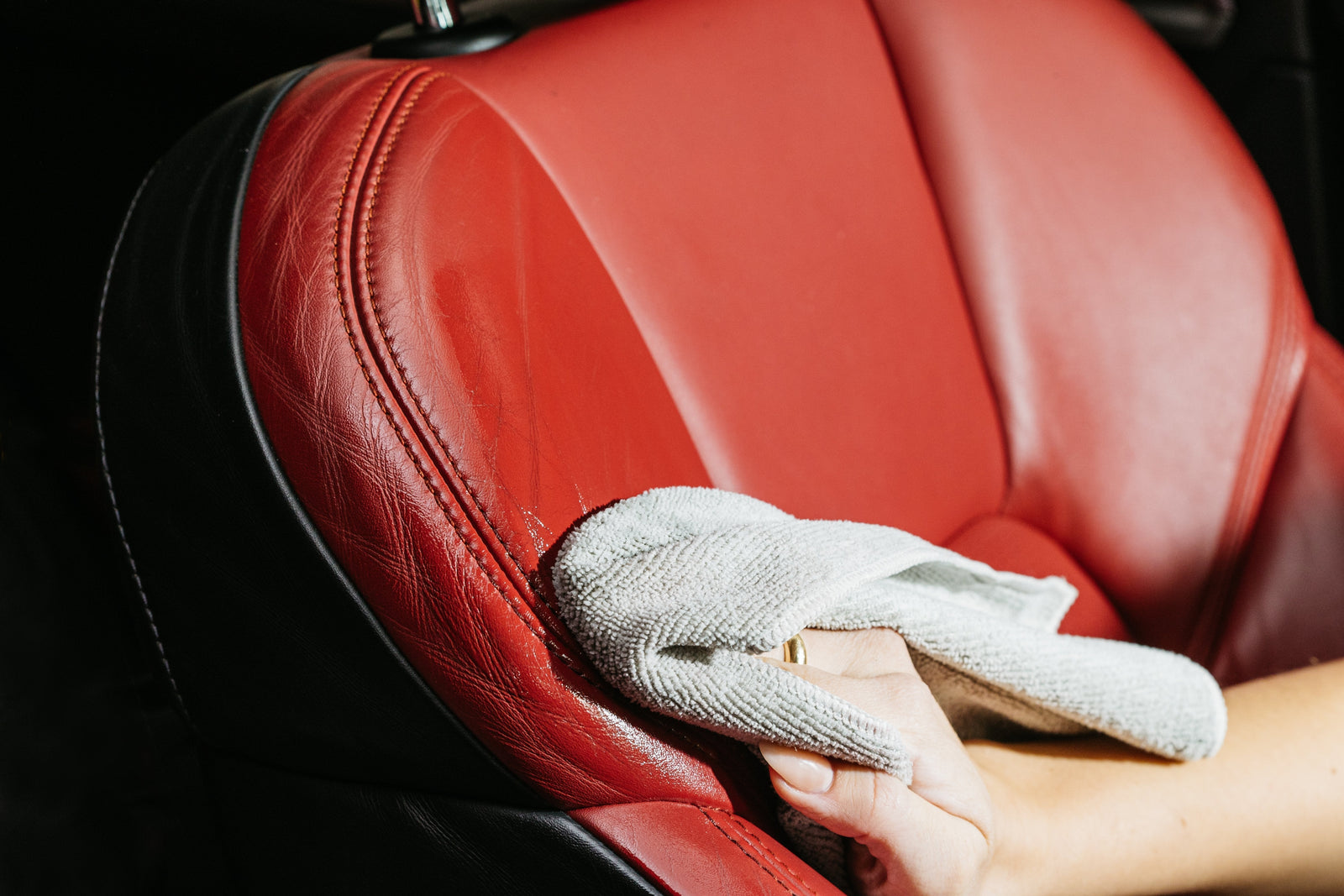
Credit: www.leatherhoney.com
Troubleshooting Common Issues
Leather car seats add luxury to your vehicle. Keeping them clean is important. Here, we address common issues you may face.
Understanding these problems helps maintain your car seats. Let’s explore solutions for tough stains, cracks, and fading.
Removing Tough Stains
Stains can spoil the look of your leather seats. Use gentle, leather-friendly cleaners for best results.
- Test the cleaner on a hidden area first
- Use a soft cloth to apply the cleaner
- Gently rub the stain in a circular motion
- Wipe with a clean, damp cloth
Fixing Cracks And Fading
Cracks and fading can make seats look old. Leather conditioners help restore their appearance.
When To Seek Professional Help
Sometimes, DIY methods may not be enough. Knowing when to get professional help is key.
| Issue | Professional Solution |
| Deep Cracks | Leather repair service |
| Severe Stains | Specialized cleaning |
| Extensive Fading | Professional re-dyeing |
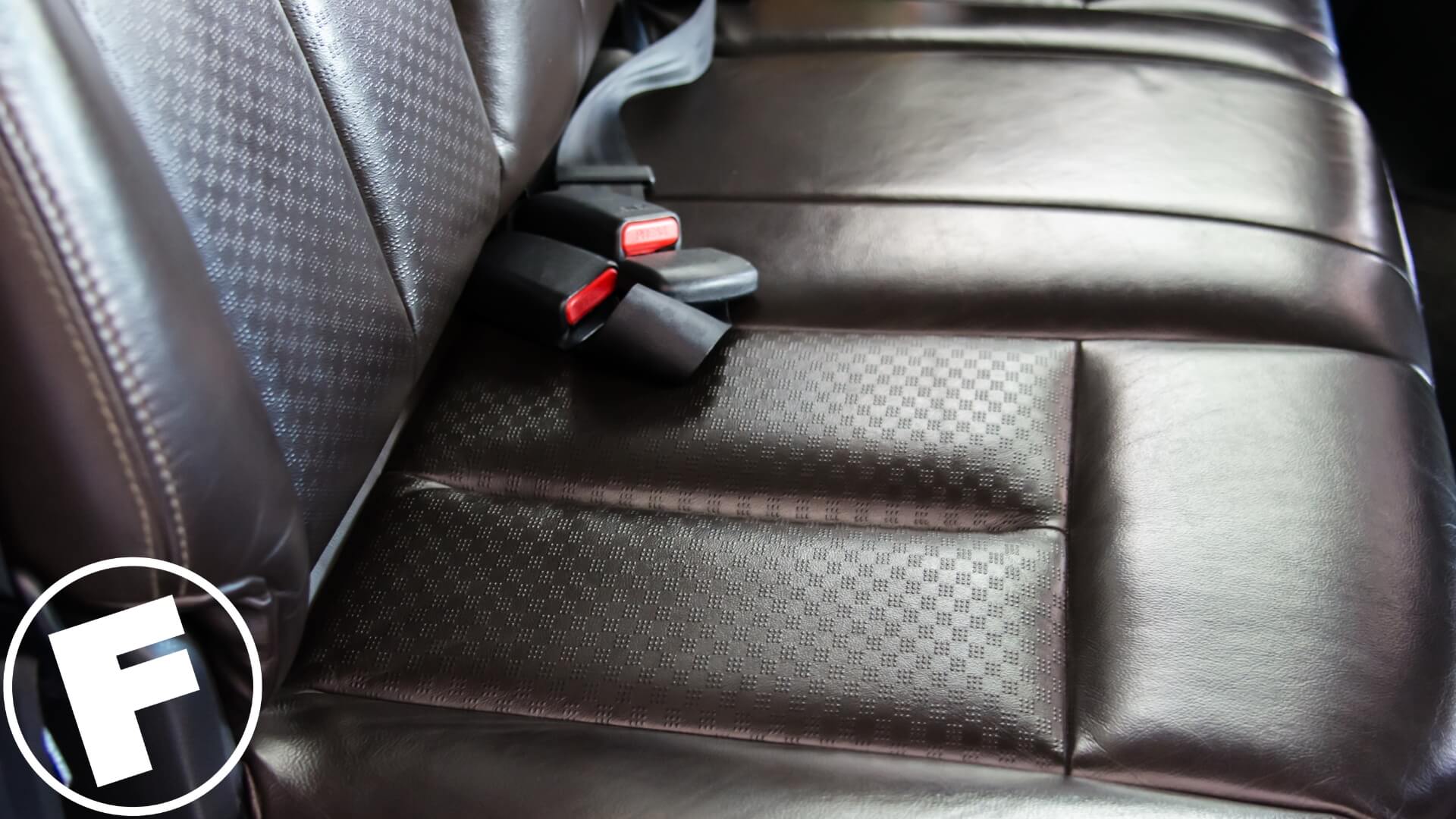
Credit: www.fibrenew.com
Frequently Asked Questions
How Often Should I Clean Leather Car Seats?
Clean leather car seats every 3 to 6 months. Frequent cleaning prevents dirt buildup and maintains leather’s softness. Regular care prolongs the seat’s life and keeps the interior looking fresh and new.
What Is The Best Cleaner For Leather Car Seats?
Use a pH-balanced leather cleaner designed for automotive seats. Avoid harsh chemicals like bleach or ammonia. Gentle cleaners remove dirt without damaging or drying out the leather, ensuring a safe and effective clean.
Can I Use Household Products On Leather Car Seats?
Household products can harm leather by causing stains or dryness. Always use cleaners specifically made for leather car seats. This ensures the leather remains conditioned, soft, and free from damage or discoloration.
How Do I Protect Leather Seats After Cleaning?
Apply a leather conditioner after cleaning to restore moisture. This prevents cracking, fading, and keeps the leather supple. Regular conditioning extends the seat’s lifespan and enhances its appearance.
Conclusion
Cleaning leather car seats takes care and the right steps. Use gentle cleaners made for leather. Avoid harsh chemicals that can damage the material. Clean regularly to keep seats soft and fresh. Dry seats well after cleaning to prevent cracks.
Protect leather with conditioner to maintain its shine. Small efforts keep your car looking great longer. A clean car seat feels good and lasts more. Simple care makes a big difference in leather’s life. Try these tips and enjoy your fresh car interior.







