
Your car’s paint is more than just its color—it’s the first line of defense against scratches, fading, and damage. But how often do you think about protecting it?
If you want your vehicle to look new and shine bright for years, you need simple, effective ways to shield your paint. You’ll discover easy tips and tricks that anyone can use to keep their car’s paint flawless. Ready to learn how to protect your car’s paint and turn heads everywhere you go?
Keep reading—you won’t want to miss this.
Credit: 48detailing.com
Choose The Right Wash Techniques
Protecting your car paint starts with using the right wash techniques. Cleaning your car carefully keeps the paint shiny and free from damage.
Choosing the correct products and methods will help avoid scratches and fading. This guide covers simple ways to wash your car safely.
Use Ph-balanced Car Shampoo
Use car shampoo that is pH-balanced to protect the paint. These shampoos clean dirt without stripping the wax or paint layers.
Regular soap or detergents can be too harsh and cause fading or damage. Always pick a shampoo made for cars with gentle ingredients.
Avoid Dish Soap And Harsh Chemicals
Dish soap and strong chemicals remove dirt but also strip protective wax and paint. They can cause the paint to dry out and crack.
- Do not use dishwashing soap on your car
- Avoid bleach and ammonia-based cleaners
- Stay away from harsh solvents or degreasers
- Choose products labeled safe for automotive paint
Employ Two-bucket Method
The two-bucket method reduces scratches during washing. One bucket holds soapy water, the other clean water to rinse your sponge or mitt.
| Bucket | Purpose |
|---|---|
| Bucket 1 | Soapy water to wash the car surface |
| Bucket 2 | Clean water to rinse dirt off the sponge |
Dip your mitt in the soapy water, wash a section, then rinse it in the clean water. This method keeps dirt from scratching the paint.
Credit: 48detailing.com
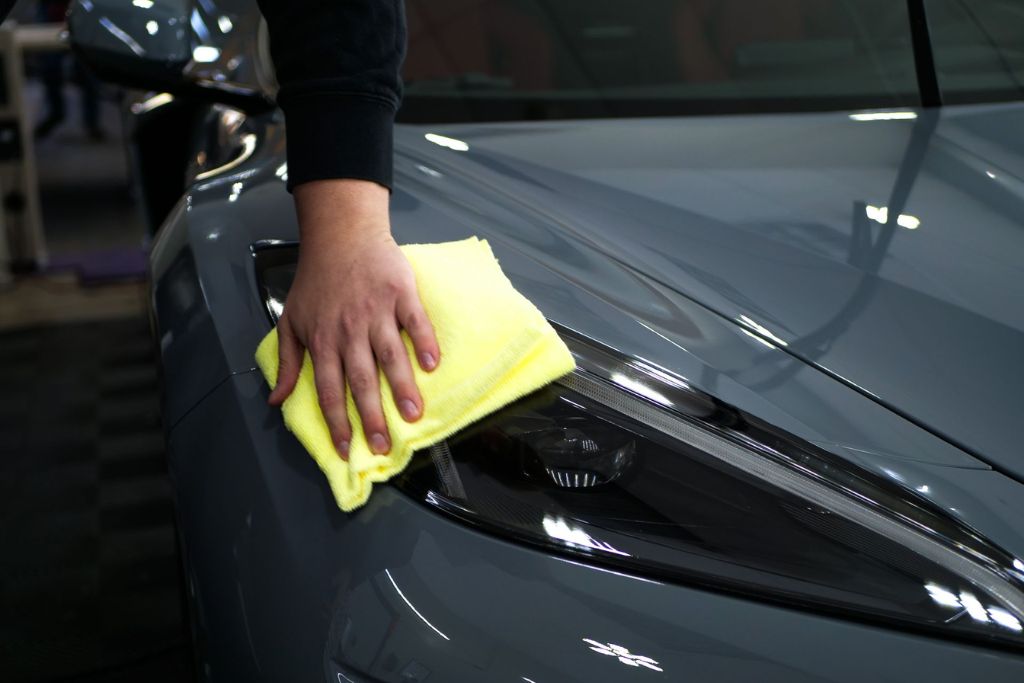
Dry Your Car Properly
Drying your car correctly keeps the paint safe from damage. Water left on the surface can cause spots and stains.
Using the right tools and methods helps protect the shine and color of your car.
Use Microfiber Towels
Microfiber towels are soft and absorbent. They remove water without scratching the paint.
- Choose clean, dry microfiber towels only for drying.
- Gently pat or blot the surface to absorb water.
- Avoid rubbing too hard to prevent swirl marks.
- Use multiple towels if your car is large.
- Wash towels after use to keep them effective.
Avoid Air Drying
Letting your car air dry can cause water spots. These spots form from minerals left behind as water evaporates.
| Drying Method | Effect on Car Paint |
| Air Drying | Leaves water spots and stains |
| Microfiber Towels | Protects paint and removes water safely |
Apply Protective Coatings
Protecting your car’s paint helps keep it looking new. Coatings form a barrier against dirt, water, and sun.
Different coatings offer different levels of protection. Choose one based on how long you want the paint to stay safe.
Wax For Short-term Protection
Wax is a natural or synthetic product that adds shine and a thin protective layer. It protects paint from dust and light rain.
Wax lasts about a month. You need to apply it often to keep the paint safe and shiny.
- Easy to apply
- Gives glossy finish
- Protects against UV rays and dirt
- Needs reapplication every 3 to 4 weeks
Sealants For Durable Shield
Sealants are synthetic products that create a strong, long-lasting layer. They protect paint better than wax.
Sealants last from 3 to 6 months. They resist water, dirt, and some chemicals well.
- Easy to apply and remove
- Gives a smooth, shiny look
- Lasts longer than wax
- Protects from acid rain and bird droppings
Ceramic Coatings For Advanced Defense
Ceramic coatings are liquid polymers that bond with the paint surface. They create a hard, protective shell.
These coatings last several years. They resist scratches, chemicals, and extreme weather better than wax or sealants.
- Requires professional or careful DIY application
- Provides a glossy, deep shine
- Protects against UV rays and oxidation
- Repels water and dirt strongly
- Lasts 2 to 5 years or more

Credit: www.youtube.com
Park Smartly
Protecting your car paint is important to keep your vehicle looking good. One easy way to do this is by parking smartly. Where and how you park can stop damage from sun, dirt, and other risks.
Small parking choices help keep your car paint safe and shiny for a long time.
Seek Shade Whenever Possible
Parking in shaded areas protects your car paint from harsh sunlight. Sunlight can fade paint colors and cause cracks over time. Shade helps keep the paint cool and safe.
Look for covered parking spots or shaded areas near buildings. This simple step can slow down paint damage caused by heat and UV rays.
Avoid Parking Under Trees
Parking under trees may seem like a good idea for shade. But trees drop sap, leaves, and bird droppings. These can stain or damage your car paint.
Tree sap is sticky and hard to remove. Bird droppings are acidic and can eat into paint. Falling leaves can cause scratches when they blow onto your car.
- Tree sap can leave sticky marks
- Bird droppings cause paint stains
- Leaves may scratch the surface
- Cleaning sap or droppings takes time
Use Car Covers
Car covers add a strong layer of protection for your vehicle. They shield paint from dust, dirt, sun, and small scratches. Covers are useful if you park outside for many hours.
Choose a cover that fits your car well. A tight cover stops dirt and prevents damage from wind. Using a cover keeps the paint clean and safe from weather effects.
- Protects from sun and UV rays
- Keeps dust and dirt off paint
- Reduces risk of scratches
- Easy to use and store
Handle Scratches And Chips Quickly
Car paint can get scratched or chipped from daily use. Fixing these issues fast protects the paint and stops rust.
Small scratches and chips may look minor but can cause big damage if left untreated. Use the right methods to repair them.
Use Touch-up Paint
Touch-up paint is an easy way to cover small scratches and chips. It matches your car’s color and prevents rust from forming.
- Clean the damaged area with soap and water.
- Dry the spot completely before applying paint.
- Use a fine brush to apply touch-up paint carefully.
- Let the paint dry fully before touching or washing the car.
- Repeat if needed for better coverage.
Consider Professional Repair
For deep scratches or large chips, professional repair is best. Experts can restore the paint properly and prevent further damage.
| Damage Type | Recommended Action | Cost Range |
| Small scratches or chips | Touch-up paint at home | Low |
| Deep scratches or large chips | Professional paint repair | Medium to High |
| Rust or paint peeling | Full panel repaint | High |
Regular Maintenance Tips
Keeping your car’s paint in top shape requires regular care. Simple maintenance can protect the paint and make your vehicle look new.
These tips will help you maintain your car’s paint with ease. Follow them to ensure lasting shine and protection.
Inspect Paint Condition Often
Check your car’s paint for scratches and chips regularly. Quick repairs prevent further damage and rust.
- Look for scratches after washing your car
- Examine door edges and bumpers for chips
- Check under direct sunlight for hidden spots
Schedule Routine Detailing
Detailing helps keep the paint glossy and protected. Regular appointments with a professional can extend your car’s life.
| Service | Frequency |
| Waxing | Every 3 months |
| Polishing | Twice a year |
| Paint sealant | Annually |
Frequently Asked Questions
How Often Should I Wash My Car To Protect Paint?
Washing your car every two weeks helps remove dirt and contaminants. Regular cleaning prevents paint damage and keeps the surface smooth. Use gentle car shampoos and avoid harsh chemicals for best results.
What Products Best Protect Car Paint From Damage?
Use high-quality wax or paint sealants to shield your car. These products create a protective layer against UV rays, dirt, and moisture. Regular application enhances paint durability and maintains a glossy finish.
Is Waxing Necessary For Car Paint Protection?
Yes, waxing adds a protective barrier that repels dirt and UV damage. It also enhances shine and smoothness. Applying wax every three months is ideal for long-lasting paint protection.
Can Parking Location Affect My Car’s Paint Condition?
Absolutely, parking in shaded or covered areas reduces sun exposure and fading. Avoid parking under trees to prevent sap and bird droppings. Proper parking habits prolong your paint’s lifespan.
Conclusion
Protecting your car’s paint keeps it looking fresh and new longer. Regular washing removes dirt and grime that can damage paint. Using wax adds a strong layer of protection against sun and rain. Parking in shade helps prevent fading and cracking.
Small scratches can be fixed quickly to avoid bigger problems. Simple care steps make a big difference in your car’s appearance. Keep your car’s paint strong and shiny with these easy tips. Your car will thank you with a better look and higher value.







