
Your safety on the road starts with your tires. Worn-out tread can lead to dangerous driving conditions, especially in wet or slippery weather.
But how do you know when your tire tread is too low? Checking it might sound complicated, but it’s easier than you think—and you can do it right at home. You’ll discover simple, quick methods to check your tire tread depth yourself.
By the end, you’ll have the confidence to keep your tires in good shape and drive safer every time you hit the road. Keep reading to learn how!

Credit: www.youtube.com
Importance Of Tire Tread Depth
Tire tread depth is the measurement of the grooves on a tire. It helps your car grip the road well.
Checking tread depth at home keeps you safe and avoids costly repairs later.
Safety And Performance Impact
Good tread depth helps your tires hold the road better. It improves braking and steering.
Tires with low tread can slip on wet or icy roads. This increases the chance of accidents.
- Better grip on wet roads
- Shorter braking distance
- Improved handling and control
- Less risk of hydroplaning
Legal Requirements
Many places have laws about tire tread depth. Driving with worn tires can lead to fines.
The legal minimum tread depth is usually 2/32 of an inch. Check local rules to be sure.
- Most states require at least 2/32 inch tread
- Tires below legal depth may fail safety inspections
- Keeping legal tread avoids fines and penalties
Tools Needed For Measuring
Checking tire tread depth at home is easy. You only need simple tools to measure it well.
Using the right tool helps you see if your tires are safe for driving.
Using A Tread Depth Gauge
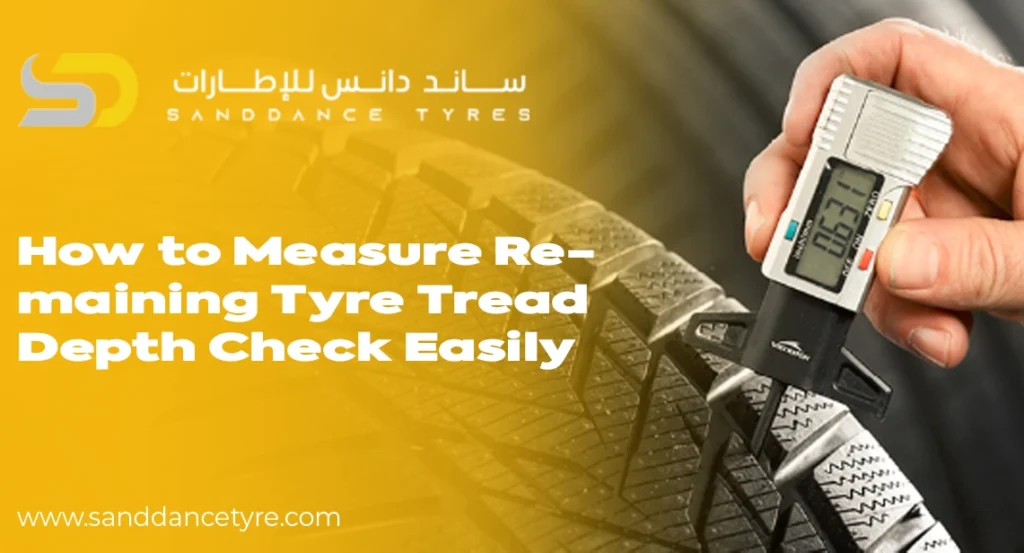
A tread depth gauge is a small tool made for measuring tire tread. It gives the most accurate reading.
To use it, insert the gauge into the tire groove. Press the base flat on the tread. Then read the number on the scale.
- Tread depth gauges are cheap and easy to find online or in stores.
- They measure tread depth in 32nds of an inch or millimeters.
- A reading below 2/32 inch means you should replace the tire.
Alternative Household Items
You can use some common household items if you do not have a tread depth gauge. These tools help estimate tread depth.
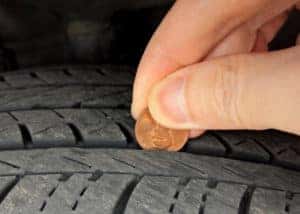
One popular item is a penny or a quarter coin. Insert it into the tire groove to check the tread.
- Place a penny into the tread with Lincoln’s head down. If you see all of Lincoln’s head, tread is too low.
- Use a quarter with Washington’s head down. If the tread touches Washington’s head, you have more than 4/32 inch tread.
- A ruler or a small measuring tape can also measure tread depth in millimeters.
Step-by-step Measurement Process
Checking tire tread depth helps keep your car safe. You can do this easily at home with simple tools. Follow these steps to measure your tire tread depth correctly.
This guide shows you how to find the main grooves, place the measuring tool, and understand the numbers you see.
Locate The Main Tread Grooves
Look at the tire surface to find deep lines that run around the tire. These are the main tread grooves. They help water escape and keep grip on the road.
Choose a groove that looks clear and not worn down. Avoid measuring near the tire edges or sidewalls.
Insert The Measuring Tool Correctly
Use a tread depth gauge or a ruler marked in millimeters or 32nds of an inch. Place the tool straight into the groove you found earlier.
Push the tool down until it touches the bottom of the groove. Make sure the tool is vertical for an accurate reading.
Read And Interpret The Measurement
Look at the number shown on your measuring tool. This number tells how deep the tread is. Tires need enough tread to keep you safe on wet roads.
- Above 6/32 inch (5 mm): Good tread depth
- Between 4/32 and 6/32 inch (3 to 5 mm): Check often
- Below 4/32 inch (3 mm): Replace your tires soon
Signs Of Worn Tread To Watch For
Tire tread wears down over time from driving. Checking tread depth helps keep you safe on the road.
Worn tread can cause poor traction and increase the risk of accidents. Look for these signs to know when to check.
Tread Wear Indicators
Most tires have built-in tread wear indicators. These are small raised bars inside the grooves.
If the tread is level with these bars, the tire is worn out and needs replacement.
- Tread wear indicators appear across the tire width
- They show when tread depth is 2/32 inch or less
- Checking these bars is a quick way to assess tire health
Uneven Tread Wear Patterns
Uneven tread wear shows when tires wear more on one side or in patches. This can reduce tire life.
Common causes include poor alignment, wrong tire pressure, or suspension problems.
- Wear on one edge may mean bad alignment
- Center wear often means overinflated tires
- Edge wear suggests underinflated tires
- Patchy wear points to suspension issues
When To Replace Your Tires
Checking your tire tread depth is important for safety. Tires with worn tread lose grip on the road.
Knowing when to replace your tires helps you avoid accidents and improves driving comfort.
Minimum Safe Tread Depth
The legal minimum tread depth is 2/32 of an inch. Below this, tires are unsafe to use.
- Use a tread depth gauge or a penny to measure depth.
- Insert the penny into the tread with Lincoln’s head upside down.
- If you see the top of Lincoln’s head, the tread is too low.
- Replace tires if tread is under the minimum depth.
Additional Factors For Replacement
| Factor | Details |
| Uneven Wear | Caused by poor alignment or inflation. |
| Sidewall Damage | Cracks, cuts, or bulges mean replacement. |
| Age | Tires over 6 years old may weaken. |
| Vibration | Excessive shaking can signal tire problems. |
Check these factors often to keep your tires safe and reliable.
Credit: sanddancetyre.com
Tips For Maintaining Tire Health
Keeping your tires in good shape is important for safety. Regular checks can help you avoid problems.
Follow these steps to make sure your tires stay in top condition. This can help extend the life of your tires.
Regular Inspections
Inspect your tires for damage and check the tread depth. This helps to ensure safe driving.
- Look for cuts or punctures
- Check for uneven wear
- Use a penny to check tread depth
- Examine sidewalls for cracks
Proper Tire Inflation
Proper inflation keeps your tires performing well. It also improves fuel efficiency.
Use a tire gauge to check pressure. Inflate tires to the recommended PSI.
Rotation And Alignment
Tires wear more evenly if you rotate them regularly. Alignment helps in maintaining control of the vehicle.
| Service | Frequency |
| Rotation | Every 6,000 miles |
| Alignment | Once a year |
Credit: www.toyotaofnorthcharlotte.com
Frequently Asked Questions
How Do I Measure Tire Tread Depth At Home?
Use a tread depth gauge or a penny test. Insert the tool into tire grooves to check depth. Replace tires if depth is below 2/32 inch for safety and better traction.
Why Is Checking Tire Tread Depth Important?
Proper tread depth ensures good traction and prevents hydroplaning. It improves braking and handling, especially in wet or slippery conditions. Regular checks help maintain safety and extend tire life.
What Tools Do I Need To Check Tire Tread Depth?
You can use a tread depth gauge, a coin (penny or quarter), or a ruler. These tools help you measure the depth of grooves accurately and easily at home.
How Often Should I Check Tire Tread Depth?
Check your tire tread depth at least once a month and before long trips. Frequent inspections help detect wear early and ensure safe driving conditions.
Conclusion
Checking your tire tread depth at home keeps you safe on the road. It helps you know when to replace your tires. Use a simple tool or the penny test for quick checks. Regularly checking prevents accidents and saves money on repairs.
Make it a habit every month or before long trips. Your tires wear down over time, so stay aware. Safe driving starts with good tire care. Keep your vehicle ready and your family protected. Small steps make a big difference.







