
Is your car pulling to one side or your tires wearing out too fast? Uneven wheel alignment can cause these problems and make driving unsafe.
But you don’t have to spend a lot of money or visit a mechanic to fix it. In this guide, you’ll learn simple, step-by-step ways to check and correct your wheel alignment right at home. Keep reading to save money, improve your car’s performance, and drive with confidence again.
Credit: www.bimmerfest.com
Signs Of Uneven Wheel Alignment
Uneven wheel alignment can cause many problems while driving. It affects how your car handles and wears down tires.
Knowing the signs helps you fix alignment issues early. This prevents costly repairs and improves safety.
Tire Wear Patterns
Uneven wheel alignment causes tires to wear in strange ways. You may see more wear on one side of the tire.
- Inner or outer edges wear faster than the center
- Feathered or scalloped tread surfaces
- One tire looks more worn compared to others
- Patchy or uneven tread depth across the tire
Steering Wheel Issues
The steering wheel can show signs of poor alignment. It might not sit straight when you drive straight.
- Steering wheel is off-center
- Steering feels loose or sloppy
- Hard to keep the wheel steady
- Wheel vibrates or shakes at certain speeds
Vehicle Pulling
If your vehicle pulls to one side, it often means the wheels are misaligned.
| Symptom | Possible Cause |
| Pulls left | Left wheel alignment off |
| Pulls right | Right wheel alignment off |
| Pulls while braking | Brake or alignment issue |
| Pulls on smooth roads | Alignment problem |
Vibration And Noise
Misaligned wheels can cause vibrations and strange noises when driving.
Watch for these signs:
- Shaking in the steering wheel
- Unusual humming or grinding sounds
- Vibrations felt through the seat or floor
- Noise changes with speed or road surface
Tools Needed For Diy Alignment
Fixing uneven wheel alignment at home needs the right tools. These tools help you check and adjust your wheels accurately.
Using proper tools ensures your car drives straight and tires wear evenly. Here is what you need to get started.
Basic Tools Checklist
Start with some simple tools to measure and adjust your wheels. These are easy to find and use at home.
- Jack and Jack Stands: To lift and secure your car safely.
- Measuring Tape or Ruler: To measure distances between wheels.
- String or Fishing Line: To create a reference line for alignment.
- Wrench Set: To loosen and tighten nuts and bolts on suspension parts.
- Level Tool: To check if your car is on a flat surface.
Using Alignment Gauges
Alignment gauges help measure camber, caster, and toe angles. These tools give more precise results than basic tools.
There are simple and digital alignment gauges you can use. They attach to your wheels and show angle measurements.
- Camber Gauge: Measures the tilt of the wheel inward or outward.
- Caster Gauge: Checks the wheel’s forward or backward tilt.
- Toe Gauge: Measures how much the wheels point inward or outward.
- Digital Angle Finder: Displays exact angles for easy reading.
Safety Equipment
Safety is important when working on your car. Use the right equipment to protect yourself and your vehicle.
Safe work means fewer accidents and better results for your wheel alignment job.
- Protective Gloves: Keep your hands safe from sharp parts and dirt.
- Safety Glasses: Protect your eyes from debris and dust.
- Wheel Chocks: Prevent the car from rolling while lifted.
- Flat, Stable Surface: Work on a level driveway or garage floor.
Preparing Your Vehicle
Fixing uneven wheel alignment starts with preparing your vehicle properly. This helps you get accurate results and saves time.
Take some simple steps before you begin to ensure your vehicle is ready for alignment checks and adjustments.
Park On A Level Surface
Find a flat, level surface to park your car. This keeps your vehicle stable and helps you measure alignment correctly.
A driveway, garage floor, or flat parking lot works well. Avoid hills or uneven ground that can affect the wheel position.
Check Tire Pressure
Make sure all tires have the right air pressure. Low or uneven pressure can cause poor alignment and affect driving.
Use a tire pressure gauge to check each tire. Inflate or deflate tires to match the pressure listed on the driver’s door sticker.
- Check pressure when tires are cold
- Use a reliable tire pressure gauge
- Adjust pressure to the manufacturer’s recommendation
Inspect Suspension Components
Look at the suspension parts like shocks, struts, and control arms. Worn parts can cause uneven wheel alignment.
Check for damage, rust, or loose bolts. Replace any broken or worn components before adjusting the alignment.
- Look for cracks or bends in suspension parts
- Check if bolts and nuts are tight
- Listen for unusual noises when moving the wheels
Measuring Wheel Alignment
Checking your wheel alignment helps your car drive straight and saves tire wear.
You can measure alignment at home with simple tools and clear steps.
Checking Camber
Camber is the tilt of the wheel from top to bottom. It affects how tires touch the road.
Use a level and a ruler to check camber. Place the level vertically against the wheel rim.
- Check if the top of the wheel leans inward or outward.
- Measure the distance between the level and the wheel at the top and bottom.
- Compare these measurements to your car’s manual camber specs.
Checking Toe
Toe means how much the wheels point inward or outward when seen from above.
| Tool | Purpose |
| String or tape | Wrap around wheels to measure distance |
| Ruler or tape measure | Measure gap between front and back of wheels |
| Calculator | Calculate toe angle if needed |
Measure the distance between the front edges and back edges of the front tires.
If the front distance is smaller, wheels toe-in. If larger, wheels toe-out.
Checking Caster
Caster is the angle of the steering axis from side view. It affects steering stability.
To check caster:
- Park your car on a level surface.
- Use a carpenter’s level on the wheel hub or suspension arm.
- Measure the angle between the steering axis and vertical line.
- Compare with the recommended caster angle in your manual.
Adjusting Wheel Alignment
Uneven wheel alignment can cause poor handling and tire wear. You can fix it at home with the right tools. This guide covers how to adjust the main alignment angles.
Check your vehicle manual before starting. Keep safety in mind and use jack stands to secure the car.
Adjusting Toe Angle
Toe angle is the direction your wheels point relative to the car’s centerline. Too much toe-in or toe-out affects steering and tire wear.
- Lift the front of the car and secure it safely.
- Measure the distance between the front edges of the front tires.
- Measure the distance between the rear edges of the front tires.
- Compare both measurements to find the toe angle.
- Loosen the tie rod ends to adjust the toe.
- Turn the tie rod to move the wheels inward or outward.
- Tighten the tie rod ends after adjustment.
Adjusting Camber Angle
Camber angle is the tilt of the wheels inward or outward from the top. Bad camber causes uneven tire wear on edges.
| Camber Type | Effect on Tires |
|---|---|
| Positive Camber | Wears outer edges |
| Negative Camber | Wears inner edges |
| Neutral Camber | Even tire wear |
To adjust camber, use camber bolts or adjustable control arms if your car has them. Loosen the bolts, move the wheel tilt, then tighten bolts again.
Adjusting Caster Angle
Caster angle is the tilt of the steering axis forward or backward. It affects steering stability and returnability.
- Raise the front wheels off the ground.
- Locate the caster adjustment bolts on the suspension.
- Loosen the bolts to allow movement.
- Move the suspension forward or backward to adjust caster.
- Tighten the bolts securely after adjustment.
- Test drive to feel steering response.
Test Driving And Final Checks
Ensuring your car’s wheels are properly aligned is crucial for safety and performance. Test driving and final checks help confirm alignment adjustments.
After making adjustments at home, these steps ensure your vehicle handles well on the road. Follow the sections below to complete the process.
Assessing Handling
Take your car for a short drive. Pay attention to how it handles during turns and straight driving. Look for any pulling to one side.
- Drive on a flat, straight road to test straight-line stability.
- Turn the steering wheel to see if it returns to center smoothly.
- Listen for unusual noises during turns.
Rechecking Alignment
After the initial test drive, check the alignment again. This ensures that any adjustments made are correct and effective.
| Alignment Tool | Recommended Usage |
| String | For quick checks |
| Laser | For accurate measurements |
Tire Wear Monitoring
Inspect your tires for uneven wear. This can indicate alignment issues. Regular monitoring helps prevent further problems.
- Check for bald spots on tires.
- Look for uneven tread depth.
- Examine sidewalls for damage.
When To Seek Professional Help
Fixing wheel alignment at home can save money. Sometimes, professional help is needed for complex issues. Knowing when to call an expert is important for safety.
Here are some situations where professional assistance is recommended. These include complex suspension issues, persistent alignment problems, and safety concerns.
Complex Suspension Issues
Suspension systems have many parts. These include springs, shocks, and struts. If these parts are damaged, alignment may not be possible at home. Professionals have tools and knowledge to fix these issues.
Complex suspension issues can also affect driving. If you notice unusual noises or uneven tire wear, it may indicate a problem. A professional can diagnose and fix these issues safely.
Persistent Alignment Problems
Sometimes, alignment problems keep returning. This can happen even after adjustments. If your car pulls to one side or the steering wheel is off-center, seek expert help.
Persistent problems might mean there is an underlying issue. Professionals can identify hidden problems. They ensure the alignment is correct and stays correct.
Safety Concerns
Safety is the most important reason to seek help. If you feel unsafe driving, don’t risk it. Problems like steering wheel vibration or loose steering can be dangerous.
Professional technicians ensure your car is safe to drive. They use specialized equipment to perform precise alignments. This gives you peace of mind on the road.
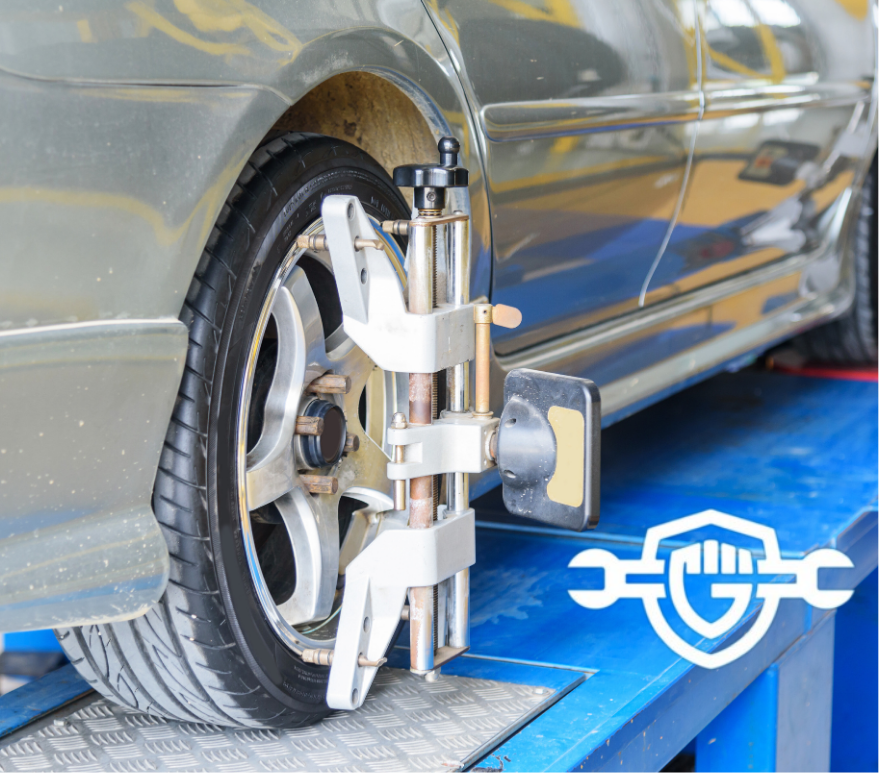
Credit: www.greatwater360autocare.com

Credit: quicktrickalignment.com
Frequently Asked Questions
How Do I Check Wheel Alignment At Home?
To check wheel alignment, park on a flat surface. Use a tape measure to compare distances between wheels. Look for uneven tire wear or steering wheel pulling. These signs indicate misalignment needing adjustment or professional inspection.
Can I Fix Uneven Wheel Alignment Myself?
Basic alignment fixes like adjusting toe settings can be done at home. However, precise alignment often requires special tools. For safety and accuracy, consider professional service if problems persist or worsen.
What Tools Do I Need For Wheel Alignment?
You’ll need a tape measure, a wrench, and alignment gauges or camber/caster tools. A helper can assist with measurements. Proper tools ensure more accurate adjustments and better results.
How Often Should I Check Wheel Alignment?
Check wheel alignment every 6,000 miles or after hitting potholes or curbs. Regular checks prevent uneven tire wear and improve vehicle handling, ensuring safety and longer tire life.
Conclusion
Fixing uneven wheel alignment at home saves time and money. Basic tools and careful steps make the job simple. Check each wheel’s angle and adjust slowly. Keep safety in mind throughout the process. Regular alignment helps your car drive straight and lasts longer.
Small efforts now prevent bigger problems later. Try these tips to keep your wheels balanced and smooth. Your car will feel better, and tires will wear evenly. Stay patient, follow instructions, and enjoy a safer ride.







