
Have you ever looked at your tire and wondered what all those letters and numbers mean? Understanding how to read DOT tire codes is easier than you think—and it can save you money, keep you safe, and help you make smarter decisions about your vehicle.
In this guide, you’ll learn exactly what those mysterious codes reveal about your tire’s age, quality, and safety. Keep reading, and you’ll gain the confidence to check your tires like a pro and avoid costly mistakes on the road.

Credit: www.avantay.ca
What Are Dot Tire Codes
DOT tire codes are numbers and letters found on tires. They tell you important details about the tire.
These codes help drivers check tire age, safety, and where the tire was made.
The Meaning Of Dot
DOT stands for the Department of Transportation. This department sets rules for tire safety in the United States.
Tires with DOT codes meet these safety standards and pass inspections.
Where To Find Dot Codes
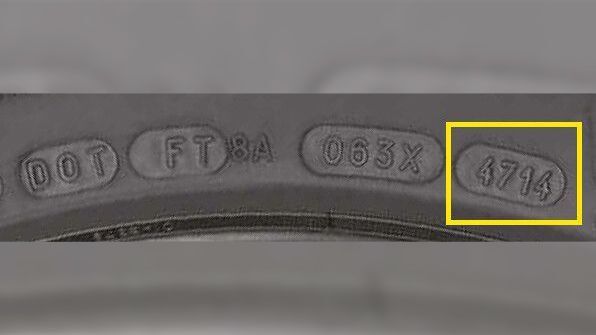
DOT codes are on the tire’s sidewall. Look for a long set of letters and numbers starting with “DOT”.
The code is usually near the rim or on the outer edge of the tire.
What The Dot Code Shows
Each part of the DOT code gives specific information. It includes the plant, tire size, and production date.
- Plant code: Where the tire was made
- Tire size code: Size and type of tire
- Production week and year: When the tire was made
Why Dot Codes Matter
DOT codes help you know if a tire is safe to use. Old tires can be dangerous.
These codes also help with recalls and warranty claims.
Credit: www.michelin.ca
Finding The Dot Code On Tires
The DOT code is a set of letters and numbers on tires. It shows important information about the tire.
Finding the DOT code helps you check the tire’s age and safety. It is usually on the tire’s sidewall.
Look Along The Sidewall
Check the sidewall of the tire for a long string starting with “DOT”. This is the DOT code.
The sidewall is the flat part between the tread and the rim. The code is easy to find there.
Check Both Sides Of The Tire
Sometimes the DOT code is on the inner side of the tire. You may need to look inside the wheel well.
If you cannot find it outside, try to see the tire from inside the car or use a flashlight.
Identify The Dot Code Format
The DOT code starts with the letters “DOT” followed by numbers and letters. It ends with a date code.
The last four digits show the week and year the tire was made. This helps you know the tire’s age.
- First two digits: Week of manufacture (01 to 52)
- Last two digits: Year of manufacture (e.g., 23 for 2023)
Decoding The Manufacturer Information
Understanding tire codes can help you know more about your tires. These codes give information about the manufacturer and tire size.
Learning to read these codes can ensure you choose the right tires for your vehicle. Let’s break down the key parts of the dot tire code.
Manufacturer And Plant Code
The first part of the tire code shows the manufacturer and plant code. This tells where the tire was made and by whom.
Each manufacturer has a unique code. This helps track the tire’s origin in case of recalls or quality checks.
- The first two characters represent the plant code.
- The next two to three characters show the manufacturer’s code.
Tire Size Details
Tire size details are also part of the code. This tells you the tire’s dimensions and specifications.
The size includes the width, aspect ratio, and diameter. This ensures the tire fits your vehicle properly.
| Width | Measurement of tire’s width in millimeters |
| Aspect Ratio | Ratio of height to width |
| Diameter | Diameter of the wheel in inches |
Identifying The Tire’s Age
Every tire has a code that shows when it was made. This code helps you know the tire’s age. Knowing the age is important for safety and performance.
In this guide, you will learn how to read the week and year code on tires. You will also understand why the tire’s age matters.
Understanding The Week And Year Code
Tires have a DOT code on the sidewall. The last four digits show the week and year of manufacture. The first two digits are the week. The last two digits are the year.
| Code Example | Meaning |
|---|---|
| 2319 | Made in the 23rd week of 2019 |
| 4518 | Made in the 45th week of 2018 |
| 0117 | Made in the 1st week of 2017 |
Why Tire Age Matters
Tire rubber breaks down over time. Even if the tire looks fine, old tires can be unsafe. Using tires past their safe age can cause accidents.
- Tires older than six years may lose strength.
- Cracks can form and cause air leaks.
- Older tires have less grip on the road.
- Manufacturers often recommend replacing tires after 10 years.
Recognizing Safety Recalls And Defects
Tire safety is crucial for any vehicle. Understanding dot tire codes helps identify recalls and defects.
These codes provide vital information. They tell you the tire’s age and manufacturing details.
Understanding The Dot Code
The DOT code is a series of numbers and letters on the tire sidewall. It shows the tire’s manufacture date and location.
- The first two letters indicate the plant code.
- The next two numbers show tire size.
- The last four numbers represent the week and year of production.
Checking For Recalls
Recalls happen if tires have defects. Regular checks can prevent accidents.
Recognizing Tire Defects
Look for common signs of tire defects. These include cracks, bulges, and uneven tread wear.
| Defect | Sign |
| Cracks | Visible lines on sidewalls |
| Bulges | Swelling on tire surface |
| Uneven Wear | Different tread depths |
Staying Informed
Stay up-to-date on tire safety. Follow news and updates from trusted automotive sources.
Regular checks and staying informed can protect you and your vehicle.
Tips For Regular Tire Inspection
Regular tire checks help keep your vehicle safe. They also improve driving comfort and save money on repairs.
Inspect tires often. Look closely for any signs of damage or air pressure loss.
Checking For Wear And Tear
Look at your tire tread depth and surface for cracks or cuts. Uneven wear can mean misalignment or bad suspension.
- Use a tread depth gauge to measure tire tread.
- Check for bulges or blisters on sidewalls.
- Look for nails, stones, or sharp objects stuck in the tire.
- Examine tires for any dry rot or cracking.
- Compare tread wear on all tires to spot uneven patterns.
Monitoring Tire Pressure
Proper tire pressure improves fuel efficiency and tire life. Check pressure when tires are cold for accurate readings.
| Pressure Check Tips | Why It Matters |
| Use a reliable pressure gauge | Ensures accurate measurement |
| Check pressure monthly | Prevents slow leaks and damage |
| Inflate to manufacturer’s recommended PSI | Improves safety and tire wear |
| Don’t forget the spare tire | Ready for emergencies |
When To Replace Tires
Tires wear out over time and need replacement for safety. Reading the DOT tire codes helps know the tire’s age.
Old or worn tires can cause accidents. Check the codes to decide when to change your tires.
Check The Tire Age
The DOT code shows the tire’s manufacturing week and year. Tires older than six years should be replaced.
Even if the tread looks good, old rubber can crack and fail. Use the date code to find tire age.
- Look for the last four digits on the DOT code
- First two digits: week of manufacture
- Last two digits: year of manufacture
- Example: “2318” means 23rd week of 2018
Inspect Tread Depth
Tire tread wears down from use. Replace tires if tread is below 2/32 inch.
Low tread reduces grip and increases crash risk, especially on wet roads.
- Use a tread depth gauge or penny test
- If the top of Lincoln’s head is visible, tread is too low
- Replace tires immediately if tread is worn out
Look For Damage And Cracks
Check tires for cracks, cuts, or bulges. These signs mean the tire is unsafe.
Damage can lead to sudden tire failure and accidents. Replace damaged tires right away.
- Inspect sidewalls for cracks or splits
- Look for bulges or bubbles
- Replace tires with visible damage
Consider Mileage And Usage
Tires have a typical lifespan of 25,000 to 50,000 miles. Replace tires after this range.
Heavy use or rough roads can shorten tire life. Replace tires sooner if needed.
- Check tire manufacturer’s mileage rating
- Replace tires after recommended mileage
- Replace earlier if tire condition is poor

Credit: www.tomorrowstechnician.com
Frequently Asked Questions
What Does Dot Tire Code Represent?
DOT tire code indicates a tire’s compliance with U. S. safety standards. It also reveals the manufacturer, plant code, and tire size. Additionally, it includes the tire’s production date, which is crucial for assessing tire age and safety.
How To Find Tire Manufacturing Date In Dot Code?
The last four digits of the DOT code show the tire’s manufacturing week and year. For example, “2319” means the tire was made in the 23rd week of 2019. This helps determine tire freshness and usability.
Why Is Tire Age Important From Dot Code?
Tire age impacts safety and performance. Older tires may crack or lose grip, increasing accident risk. Checking the DOT code ensures your tires are within the recommended usage period, usually under six years.
Can Dot Code Help Identify Tire Recalls?
Yes, the DOT code is essential for identifying recalled tires. Manufacturers use this code to specify affected production batches. Always check your tire’s DOT code against recall lists for safety.
Conclusion
Reading DOT tire codes helps you know your tire’s age and safety. Always check these codes before buying or using tires. This small step keeps your vehicle safer on the road. Understanding tire codes is easy with practice and attention.
Keep your tires in good shape by learning to read their labels. Stay informed and drive with confidence every time you hit the road. It’s a simple skill that makes a big difference.







