
Your tires are the only part of your vehicle touching the road. When they overheat, it can lead to dangerous blowouts and costly repairs.
But what if you could easily avoid this risk? Understanding how to prevent your tires from overheating not only keeps you safe but also saves you money and stress. You’ll discover simple, practical steps that make a big difference in tire health.
Keep reading to protect your ride and enjoy smoother, safer drives every time.
Causes Of Tire Overheating
Tires can get very hot during driving. This heat can damage them and cause safety risks.
Understanding what makes tires overheat helps you avoid problems on the road.
Excessive Speed
Driving too fast increases the friction between tires and the road. This friction creates heat. The faster you go, the more heat builds up in the tires.
Underinflation
When tires have low air pressure, they flex more as you drive. This extra movement causes the tires to heat up. Underinflated tires wear out faster and risk failure.
Heavy Loads
Carrying heavy loads puts extra pressure on your tires. This pressure causes the tires to heat up faster than usual. Overheating can cause tire damage or blowouts.
| Load Weight | Effect on Tires |
| Light (under 500 lbs) | Minimal heat increase |
| Medium (500-1000 lbs) | Moderate heat increase |
| Heavy (over 1000 lbs) | High heat increase and risk |
Harsh Driving Conditions
Driving on rough or hot roads can raise tire temperatures. Sharp turns, sudden stops, and uneven surfaces stress tires and create heat.
- Driving on gravel or dirt roads
- Stopping and starting often in traffic
- Taking sharp corners at speed
- Driving in very hot weather
Signs Of Overheated Tires
Tires can get too hot while driving. Overheating can damage them. It is important to spot signs early. This helps keep you safe on the road.
Look for changes in the tire’s shape, smell, and pressure. Also check the tread for any damage. These signs show the tire is too hot.
Tire Bulges And Blisters
Bulges or blisters on tires show weak spots. Heat makes the tire’s internal structure break down. You may see round bumps on the sidewall or tread.
- Bulges look like soft bubbles on the tire
- Blisters may appear as small raised areas
- Both are signs of heat damage inside the tire
- Driving with bulges is unsafe and can cause a blowout
Unusual Tire Smell
Hot tires may give off a strong, burning smell. This odor comes from the rubber overheating. It is different from the normal tire scent.
If you smell something sharp or burnt near your tires, stop and check them. This smell shows the tires are too hot and need rest or repair.
Reduced Tire Pressure
Overheated tires can lose air pressure quickly. Heat makes the air inside expand and escape through tiny holes. This lowers tire pressure.
| Normal Pressure | Overheated Tire Pressure | Effect |
| 32 PSI | Below 28 PSI | Less grip, higher risk of damage |
| 35 PSI | Below 30 PSI | Uneven wear, poor handling |
Visible Tread Damage
Heat can cause the tire tread to crack or peel. Overheated tires may show cuts, chunks missing, or worn spots. These damages reduce tire safety.
Check your tires often for these tread problems:
- Cracks across the tread or sidewall
- Pieces of tread coming off
- Uneven wear patterns
- Exposed cords under the rubber
Proper Tire Inflation
Keeping your tires properly inflated helps prevent overheating. Tires with the right air pressure last longer and perform better. Checking and adjusting tire pressure is simple but important.
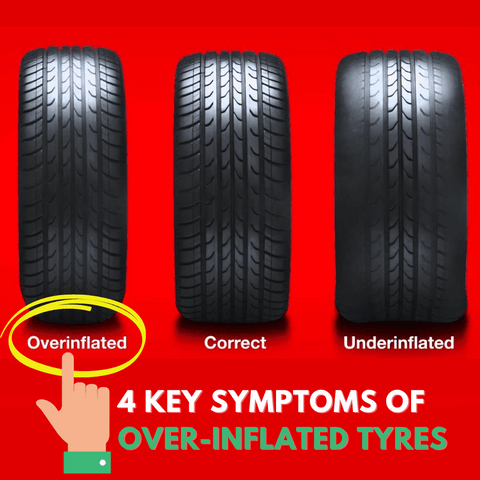
Underinflated or overinflated tires can cause uneven wear and heat buildup. Proper inflation keeps your tires safe and efficient on the road.
Checking Tire Pressure Regularly
Check your tire pressure at least once a month and before long trips. Use a reliable tire pressure gauge for best results. Cold tires give the most accurate reading.
- Remove the valve cap from the tire
- Press the gauge firmly onto the valve stem
- Read the pressure level on the gauge
- Compare it to the recommended pressure
- Adjust the air if needed
Using Recommended Psi
Every vehicle has a recommended tire pressure measured in PSI (pounds per square inch). This number is found in the owner’s manual or on a sticker inside the driver’s door.
| Location | Where to Find Recommended PSI |
| Owner’s Manual | Check the section about tires |
| Driver’s Door Sticker | Inside the door frame or door edge |
| Fuel Door | Sometimes listed on the fuel cap or door |
Use the recommended PSI to fill your tires. Do not use the maximum PSI printed on the tire sidewall. That number is the tire’s limit, not the ideal pressure.
Adjusting For Load And Weather
Tire pressure changes with the load in your vehicle and outside temperature. Adjust your tire pressure to keep it safe and stable.
- If carrying heavy loads, increase tire pressure slightly as recommended by the vehicle manual.
- In cold weather, tire pressure may drop. Check and add air more often.
- In hot weather, tires can expand, so avoid overinflating to prevent overheating.
Safe Driving Habits
Tires can get very hot if you drive carelessly. Overheating causes tire damage and can lead to accidents.
Safe driving habits help keep tires cool. This protects your tires and improves your safety on the road.
Avoiding High Speeds
Driving at high speeds makes tires heat up quickly. The faster you go, the more friction tires create with the road.
Keeping your speed moderate helps tires stay cooler. It also gives you more control and time to react.
Gentle Braking And Acceleration
Hard braking and fast acceleration increase tire temperature. Sudden changes in speed cause more friction and heat.
Use smooth, gentle pressure on the brake and gas pedals. This keeps tires from overheating and lasts longer.
- Press pedals softly
- Avoid quick stops and starts
- Plan ahead to reduce sudden braking
Taking Breaks On Long Trips
Long drives cause tires to heat up over time. Taking breaks lets tires cool down before you continue.
Stop every couple of hours to check your tires. Let your vehicle rest and avoid continuous long driving without breaks.
- Stop every 2-3 hours
- Check tire temperature and pressure
- Walk around the car to inspect tires
Regular Tire Maintenance
Keeping your tires in good shape helps stop them from getting too hot. Hot tires can wear out fast and cause problems on the road. Regular maintenance keeps tires safe and lasts longer.
Check your tires often and follow simple steps. This helps avoid overheating and keeps your drive smooth.
Tire Rotation And Balancing
Rotating tires means moving them to different spots on your car. This spreads out the wear evenly. Balancing tires stops vibrations and keeps them rolling smoothly.
Rotate tires every 5,000 to 8,000 miles. Balance tires if you feel shaking when driving. Both help prevent extra heat from uneven wear or imbalance.
Inspecting For Damage
Look at your tires for cuts, cracks, or bulges. Damage can cause heat to build up inside the tire. Check tires before long trips and after rough roads.
- Check sidewalls and tread for cracks or holes
- Look for objects stuck in the tire
- Notice any bulges or bumps on the tire surface
Replacing Worn Tires
Old tires with low tread wear out faster and get hotter. Replace tires when tread depth is below 2/32 inch. New tires help keep your car safe and cool.
- Use a tread depth gauge to measure tire tread
- Replace tires if tread is uneven or very thin
- Check tire age; replace tires older than six years
Credit: www.bfgoodrichtires.com
Choosing The Right Tires
Tires play a crucial role in keeping your vehicle safe. Choosing the right tires can prevent overheating.
Consider several factors to select the best tires for your needs. This helps in maintaining tire performance.
Selecting Tires For Your Vehicle
Always pick tires that match your vehicle’s specifications. Check the owner’s manual for guidance.
Properly fitted tires ensure safety and efficiency. This reduces the risk of overheating.
- Check tire size recommendations
- Consider load capacity
- Look for speed rating
Considering Weather Conditions
Weather affects how tires perform. Choose tires that suit the climate you drive in most often.
Proper tires help in managing heat build-up. This is essential in preventing tire overheating.
- Use winter tires for snowy conditions
- Select all-season tires for varied climates
- Consider summer tires for hot weather
Using High-quality Tire Brands
Opt for high-quality tire brands for better performance. They offer durability and safety.
Good brands use advanced technology. This can help in reducing the chances of overheating.
- Research brand reputation
- Read user reviews
- Consider tire warranties
Additional Safety Tips
Keeping your tires safe is important for a smooth ride. Tires that overheat can cause problems. Here are some tips to prevent this.
Follow these guidelines to ensure your tires stay at the right temperature. This helps avoid accidents and keeps you safe on the road.
Monitoring Tire Temperature
Check tire temperature regularly. A simple tool can help you do this. You will know if your tires are getting too hot.
Keep a close watch on your tires during long trips. This can prevent overheating and keep your journey safe.
- Use a tire thermometer
- Check temperature every 100 miles
- Look for unusual heat
Avoiding Overloading
Do not overload your vehicle. Too much weight can make tires hot. Check your car’s weight limit in the manual.
Remove unnecessary items from your car. This lightens the load and helps your tires stay cool.
- Know your car’s weight limit
- Weigh heavy items before loading
- Distribute weight evenly
Using Tire Pressure Monitoring Systems
A tire pressure monitoring system (TPMS) is useful. It alerts you when tire pressure is low or high. This helps prevent overheating.
Install a TPMS if your car does not have one. It keeps track of your tire pressure and keeps you informed.
- Check TPMS alerts often
- Maintain proper tire pressure
- Replace old sensors

Credit: collisiondocsandiego.com
Credit: riiroo.com
Frequently Asked Questions
How Can I Stop My Tires From Overheating?
To prevent tire overheating, maintain proper tire pressure and avoid overloading your vehicle. Drive at moderate speeds and take breaks on long trips to cool down tires.
What Causes Tires To Overheat Quickly?
Tires overheat due to underinflation, excessive speed, heavy loads, or harsh driving conditions. These factors increase friction and heat buildup, reducing tire life and safety.
How Often Should I Check Tire Pressure To Avoid Overheating?
Check tire pressure monthly and before long trips. Proper inflation ensures even heat distribution and reduces the risk of overheating and tire failure.
Does Tire Type Affect Overheating Risk?
Yes, tire type impacts heat resistance. High-quality tires with better heat dispersion materials handle heat better, reducing overheating risks during extended or intense driving.
Conclusion
Preventing tire overheating keeps you safe on the road. Check tire pressure often to avoid heat build-up. Avoid driving too fast, especially in hot weather. Carry out regular tire inspections for any damage or wear. Use the right tires for your vehicle and conditions.
Simple actions save money and prevent accidents. Stay alert and care for your tires daily. Safe driving starts with well-maintained tires. Keep your tires cool, and enjoy a smoother ride.







