
When icy roads turn your daily drive into a risky challenge, having the right winter tires can make all the difference. You want tires that grip the slippery surface, keep you safe, and give you confidence every time you hit the road.
But with so many options out there, how do you choose the best winter tires for your car? In this guide, you’ll discover clear, simple tips to pick tires that match your needs and keep you in control when the temperature drops.
Keep reading to learn how to protect yourself and your loved ones this winter.
Credit: www.humberviewgm.com
Why Winter Tires Matter
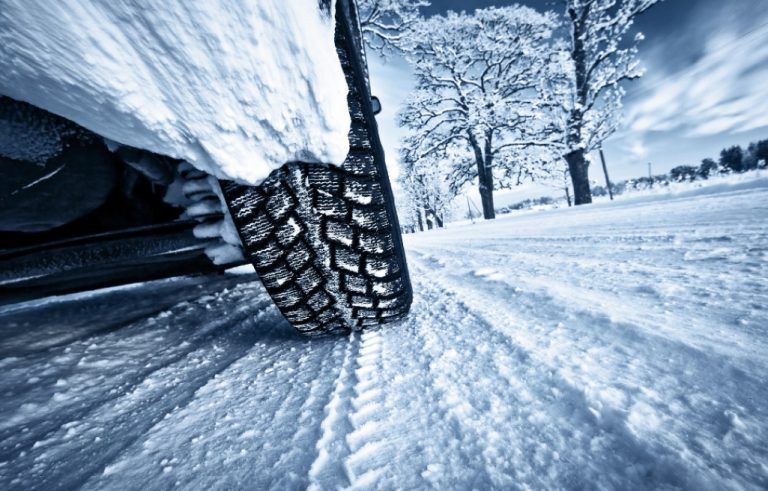
Driving on icy roads is risky without the right tires. Winter tires help keep control and stop safely.
These tires work better in cold weather. They protect you and your passengers from accidents.
Impact On Safety
Winter tires improve traction on ice and snow. They reduce the chance of slipping and sliding.
- Better grip on icy surfaces
- Shorter stopping distances
- Improved handling in cold weather
- More control on snowy roads
- Enhanced braking performance
Differences From All-season Tires
| Feature | Winter Tires | All-Season Tires |
| Tread Design | Deeper and more flexible | Smoother for dry roads |
| Rubber Compound | Stays soft in cold | Hardens in cold |
| Performance on Ice | High grip | Low grip |
| Best Temperature | Below 7°C (45°F) | Above 7°C (45°F) |
| Snow Handling | Excellent | Moderate |
Credit: burtbrothers.com
Key Features For Icy Roads
Choosing the right winter tires for icy roads is crucial for safety. Tires must have special features that keep your car steady and stop well.
Look for tires designed to handle ice. These tires use unique materials and designs to improve grip and control.
Tread Patterns
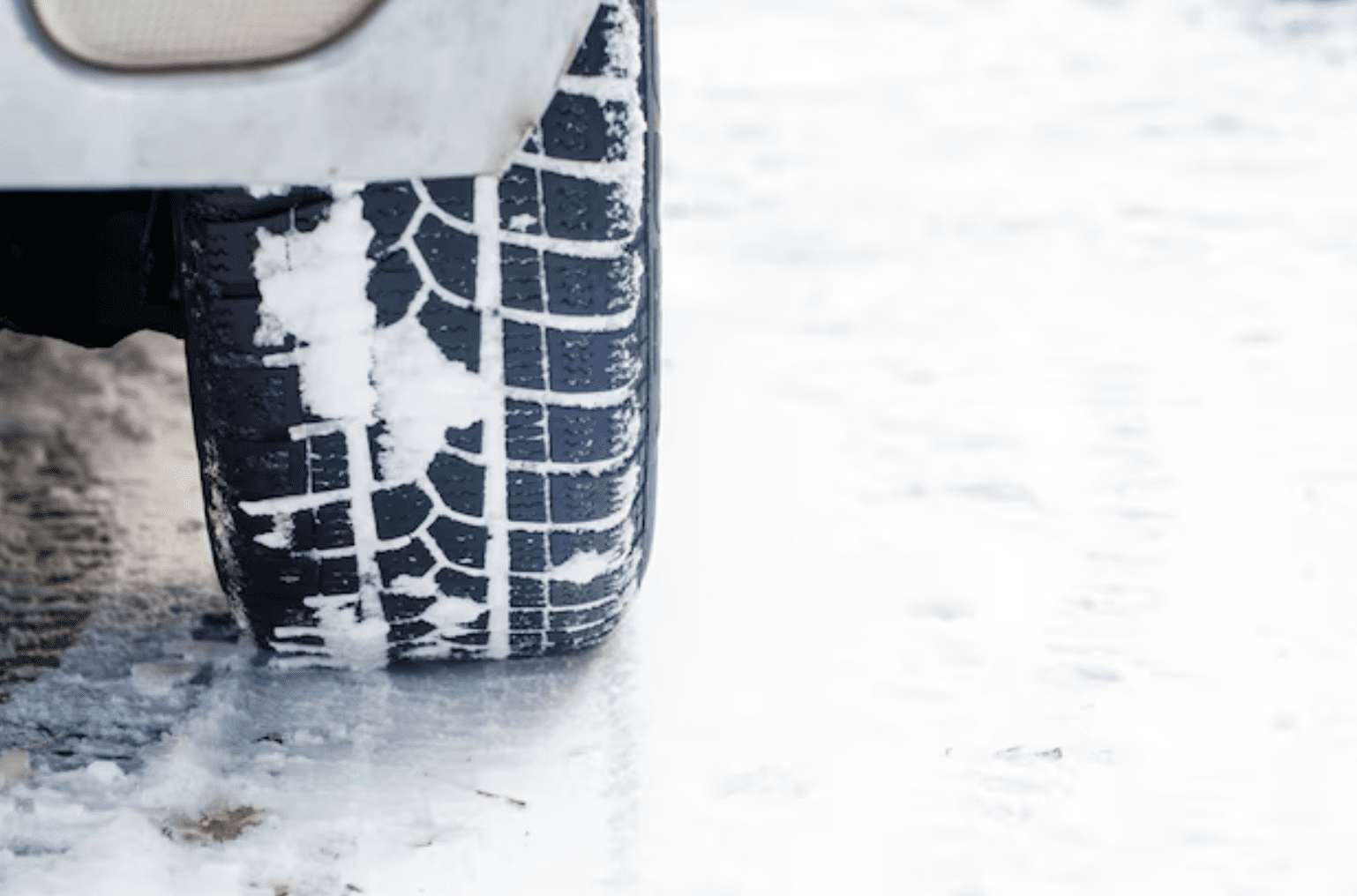
Tread patterns help tires grip ice by channeling water and snow away. Deeper grooves and more sipes increase traction.
- Wide grooves remove slush and water
- Many small sipes create extra biting edges
- Directional patterns improve straight-line control
- Blocky designs enhance braking on ice
Rubber Compounds
Winter tires use soft rubber compounds that stay flexible in cold weather. This flexibility helps tires grip icy surfaces better.
| Rubber Type | Benefit |
| Silica-enriched | Improves grip on ice and wet roads |
| Low-temperature flexible | Prevents hardening in cold |
| Durable mix | Lasts through winter conditions |
Studded Vs. Non-studded
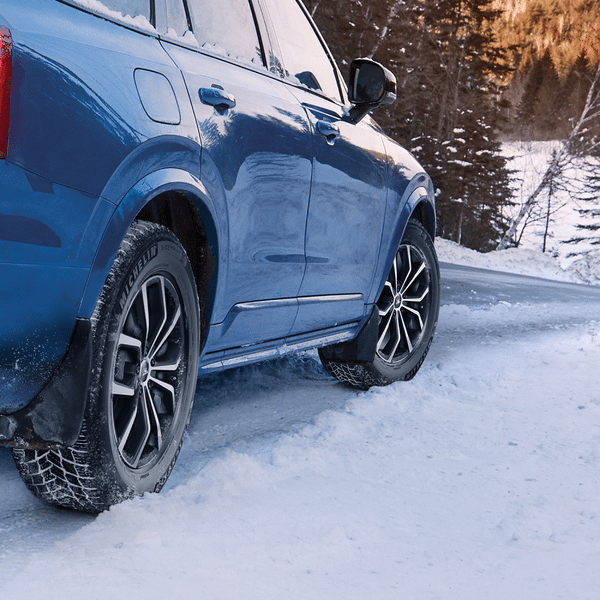
Studded tires have small metal studs that dig into ice for extra traction. Non-studded tires rely on tread design and rubber to grip.
- Studded tires excel on thick ice but can be noisy
- Non-studded tires work well on packed snow and light ice
- Check local laws about studded tire use
- Non-studded tires often last longer on dry roads
Size And Fit Considerations
Choosing the right winter tires for icy roads means paying close attention to size and fit. Properly sized tires help your vehicle perform well in winter conditions.
Incorrect tire size can reduce safety and cause damage. Always check your vehicle’s specifications before buying.
Matching Vehicle Specifications
Your vehicle’s manual lists the exact tire sizes that fit your car. It is important to follow these recommendations to keep your car safe and stable on icy roads.
- Look for the tire size on the sidewall of your current tires.
- Match the tire’s width, aspect ratio, and diameter to your vehicle’s specs.
- Consider the load index and speed rating recommended by the manufacturer.
- Use the same size for all four tires to maintain balance.
Importance Of Proper Sizing
Proper tire size ensures good handling and braking on ice. Tires that are too big or small can cause problems like poor traction or uneven wear.
| Issue | Effect |
| Tire Too Large | May rub against wheel wells, reduce fuel efficiency |
| Tire Too Small | Less grip, increased stopping distance |
| Wrong Load Index | Risk of tire failure under weight |
| Incorrect Speed Rating | Unsafe at higher speeds |
Performance Ratings To Check
Choosing the right winter tires is important for safe driving on icy roads. Checking the performance ratings helps you pick tires that work well in cold and slippery conditions.
These ratings show how well tires perform in traction, temperature, and wear. They guide you to the best choice for your vehicle and weather.
Traction Ratings
Traction ratings tell how well a tire grips the road. For icy roads, good traction means better control and shorter stops.
Look for tires with high traction ratings on ice and snow. This rating is often shown as a letter grade or symbol on the tire label.
- Higher traction rating means better grip
- Check for snowflake or mountain symbols
- Good traction reduces slipping and sliding
Temperature Range
Winter tires must perform well in low temperatures. The temperature range rating shows the tire’s best working conditions.
Choose tires rated for cold weather. These tires stay flexible and keep grip even when it is very cold outside.
- Check the minimum temperature on the label
- Tires that stay soft in cold give better traction
- Hard tires in cold lose grip quickly
Wear Indicators
Wear indicators show how much tread is left on a tire. Deep tread is important for icy road safety.
Choose tires with clear wear indicators. Replace tires when the tread is low to keep good traction on ice.
- Look for built-in tread wear bars
- Replace tires before tread wears below recommended depth
- Good tread helps channel snow and water away
Top Brands And Models
Choosing the right winter tires for icy roads is very important. Good tires keep you safe and help your car stop on ice.
Many brands make tires for ice and snow. Knowing the best brands and models helps you pick the right ones.
Popular Choices For Ice
Some tires are known for good ice grip. They use special rubber and tread designs to stay sticky on ice.
- Bridgestone Blizzak WS90: Great ice traction and control.
- Michelin X-Ice Snow: Long-lasting and safe on icy roads.
- Nokian Hakkapeliitta R3: Made for harsh ice and snow conditions.
- Continental VikingContact 7: Strong grip and good handling on ice.
- Goodyear Ultra Grip Ice WRT: Good braking on ice and snow.
Budget Vs. Premium Options
Winter tires come in many prices. Budget tires are cheaper but may wear faster or have less ice grip.
Premium tires cost more. They offer better safety, longer life, and improved ice traction.
| Type | Pros | Cons |
|---|---|---|
| Budget Tires | Lower cost, good for light winter use | Less durable, weaker ice grip |
| Premium Tires | Better safety, longer life, strong ice traction | Higher price |
Installation And Maintenance Tips
Choosing the right winter tires is important for icy roads. Installing them correctly and maintaining them can keep you safe. Follow these simple tips to ensure your tires are ready for winter.
Proper care and installation will extend the life of your winter tires. This guide provides key tips for mounting, storage, and regular checks.
Proper Mounting Techniques
Mounting your winter tires correctly is crucial. Incorrect installation can lead to accidents. Always ensure they are fitted by a professional.
Check the tire pressure regularly. Properly inflated tires grip the road better. This reduces the risk of skidding on ice.
- Use a torque wrench to tighten lug nuts
- Follow the vehicle’s manual for proper pressure
- Ensure the tread pattern faces the right direction
Storage During Off-season
Store your winter tires properly when not in use. This helps maintain their condition. Keep them in a cool, dry place away from sunlight.
Consider using tire bags to protect them from dust and dirt. Stack them vertically if possible to avoid deforming the rubber.
- Clean tires before storage
- Store in a dark, cool place
- Use tire bags for protection
Regular Inspections
Inspect your winter tires regularly. Look for signs of wear and tear. Early detection of issues can prevent accidents.
Check the tread depth often. Tires with low tread can lose traction on icy roads. Replace them if needed to ensure safety.
- Check for cracks or bulges
- Measure tread depth regularly
- Look for uneven wear patterns
Legal And Safety Regulations
Choosing the right winter tires for icy roads is crucial. Laws and safety rules help keep drivers safe.
Understanding these regulations helps in making informed decisions. This guide covers key points to consider.
Regional Requirements
Different areas have their own rules for winter tires. Knowing these can prevent fines and ensure safety.
- Some regions mandate snow tires during winter months.
- Studded tires are allowed in certain areas but banned in others.
- Chains might be required in mountainous regions.
- Check local laws before purchasing tires.
When To Replace Tires
Replacing winter tires at the right time is important for safety. Here are some signs that indicate it’s time for a change.
| Sign | Action Needed |
| Tread depth less than 4mm | Replace tires |
| Cracks on tire surface | Inspect and consider replacement |
| Uneven wear | Check alignment and replace if needed |
| Age over 6 years | Consider replacing |
Credit: www.michelin.ca
Frequently Asked Questions
What Makes Winter Tires Suitable For Icy Roads?
Winter tires have special rubber compounds that stay flexible in cold weather. Their deep treads and unique patterns improve grip on ice and snow, enhancing safety and control during winter driving.
How To Identify Quality Winter Tires For Icy Conditions?
Look for the mountain snowflake symbol on the tire sidewall. Check for deep tread depth, good reviews, and trusted brands. Quality tires ensure better traction and durability on icy roads.
When Should I Switch To Winter Tires For Icy Roads?
Install winter tires when temperatures consistently drop below 45°F (7°C). This ensures optimal grip and safety on icy and snowy surfaces during cold months.
Are Studded Tires Better For Icy Road Traction?
Studded tires provide extra grip on ice by using metal studs. However, they may be noisy and restricted in some areas. Consider local laws and road conditions before choosing studded tires.
Conclusion
Choosing the right winter tires keeps you safe on icy roads. Check the tire size and tread type carefully. Always pick tires made for cold weather and ice. Good winter tires help your car stop and turn better. Remember to replace old tires before winter starts.
Drive slowly and stay alert when roads are icy. Safe driving begins with smart tire choices and care. Stay prepared and enjoy winter driving with confidence.







