
Your tires face more than just rough roads—they battle the harsh effects of UV rays every day. If you’ve noticed cracks, fading, or a rough texture on your tires, UV damage might be to blame.
Protecting your tires from the sun isn’t just about looks; it’s about safety and saving money in the long run. You’ll discover simple yet effective ways to shield your tires from UV damage and keep them strong and reliable. Keep reading to learn how easy it is to extend the life of your tires and drive with confidence.
Effects Of Uv On Tires
Ultraviolet (UV) rays from the sun can harm your tires over time. Tires exposed to sunlight lose their strength and flexibility.
Protecting tires from UV damage helps keep them safe and lasts longer.
How Uv Rays Damage Tires
UV rays break down the rubber and chemicals in tires. This causes cracks and weak spots on the tire surface.
- Rubber becomes dry and brittle
- Cracks form on sidewalls and treads
- Loss of elasticity reduces grip on roads
- Fading of tire color makes aging visible
- Overall tire strength decreases, increasing risk of failure
Signs Of Uv Damage
Check your tires often for these signs to spot UV damage early.
| Sign | Description |
| Cracks | Small fissures appear on sidewalls and tread |
| Discoloration | Tires turn gray or faded from black |
| Dryness | Rubber feels hard instead of flexible |
| Uneven Wear | Tires wear out faster in some areas |
| Bulges or Blisters | Raised spots show tire damage and weakness |
Credit: www.fresh-layer.com
Choosing Uv-resistant Tires
UV rays from the sun can damage tires over time. Choosing tires that resist UV damage can make them last longer. This protects your safety and saves money.
UV-resistant tires use special materials and designs. These features help stop cracks and fading caused by sunlight. Pick tires with these qualities for better durability.
Materials That Resist Uv
Tires made with certain materials handle UV rays better. These materials slow down tire aging and keep rubber strong. Look for tires with these components.
- Carbon black: Protects tires by absorbing UV rays
- Silica: Adds strength and reduces damage from sunlight
- Special rubber compounds: Designed to resist cracking
- Antioxidants and waxes: Help block UV light inside the tire
Brands Known For Durability
Some tire brands focus on making UV-resistant models. These brands use advanced materials and tests to ensure long tire life. Choosing these brands can reduce UV damage risks.
- Michelin: Uses strong compounds that protect against sun damage
- Bridgestone: Known for durable tires with UV protection
- Goodyear: Offers tires with special rubber to resist cracking
- Pirelli: Designs tires that maintain strength under sunlight
Proper Tire Maintenance
Tires face damage from sunlight and UV rays. Proper care keeps them safe and lasts longer.
Cleaning and protecting tires helps prevent cracks and fading from the sun’s heat.
Regular Cleaning Techniques
Cleaning tires regularly removes dirt and grime that can speed up damage. Use gentle tools and cleaners to avoid harming the tire surface.
- Rinse tires with water to remove loose dirt
- Use a soft brush to scrub the tires gently
- Apply mild soap or tire cleaner for tough grime
- Rinse thoroughly to avoid soap residue
- Dry tires with a clean cloth before applying protection
Using Protective Tire Dressings
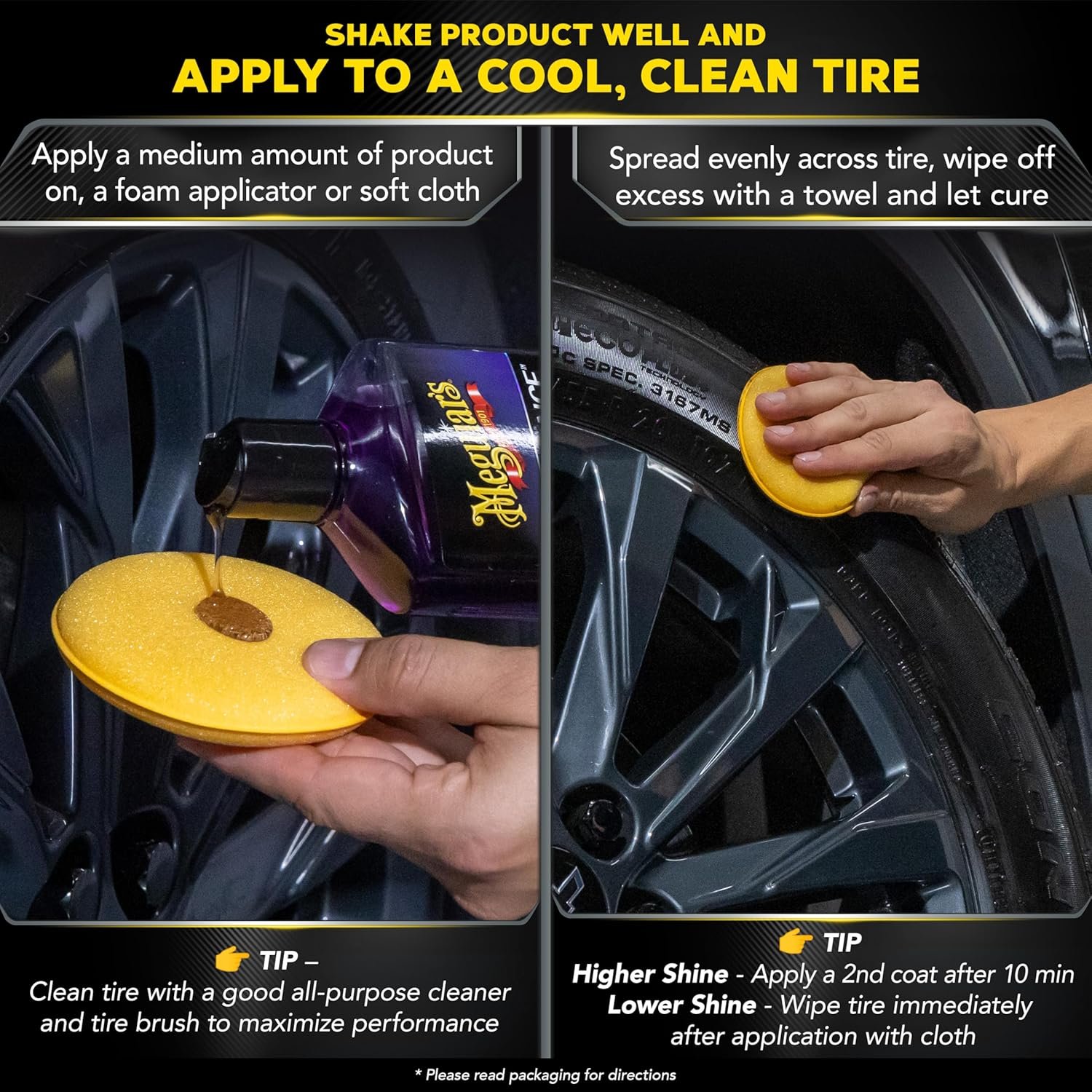
Tire dressings add a layer that blocks UV rays and keeps tires looking new. Choose water-based products for safe use.
| Type of Dressing | Benefits | Application Tips |
| Water-Based | Non-greasy, UV protection | Apply with foam applicator, let dry |
| Silicone-Based | Shiny look, repels water | Use sparingly, avoid tire spinning |
| Gel | Thick coating, long-lasting | Spread evenly, avoid overuse |

Credit: www.amazon.in
Storage Tips To Minimize Uv Exposure
Tires can get damaged if they stay in the sun too long. UV rays make rubber dry and crack. Protecting tires from UV helps them last longer.
Good storage stops UV rays from hurting tires. Use the right place and cover tires well. This guide shows how to store tires safely.
Indoor Vs Outdoor Storage
Indoor storage is best to keep tires safe from UV light. A cool, dark room stops sun damage. Tires last longer inside.
Outdoor storage exposes tires to sun and weather. Use shade or covers to lower UV damage. Outdoor spots need extra care.
- Indoor: keeps tires dry and cool
- Indoor: no direct sunlight
- Outdoor: tires need shade or covers
- Outdoor: watch for heat and rain
Covering Tires Effectively
Use tire covers or thick cloth to block UV rays. Covers keep sunlight and dust away. Make sure covers fit well.
Plastic sheets can trap heat and harm tires. Choose breathable covers to stop heat build-up. Check covers often for damage.
- Use thick, UV-resistant tire covers
- Choose breathable materials to avoid heat
- Secure covers tightly to prevent movement
- Check covers regularly for wear
Additional Protective Measures
Tires face damage from sunlight over time. UV rays can cause cracks and dry out rubber.
Using extra protection helps your tires last longer and stay safe on the road.
Parking Strategies To Avoid Sunlight
Park your vehicle in shaded areas to reduce sun exposure. Shade lowers heat and UV damage.
If no shade is available, try to park indoors or use a car cover. This blocks harmful rays from reaching tires.
- Choose covered parking lots or garages
- Park near trees or buildings for shade
- Use tire covers or full car covers
- Turn tires away from direct sunlight
Routine Inspections For Early Detection
Check your tires often for cracks, dryness, or discoloration. Early detection stops damage from getting worse.
Look for small cuts or splits in the rubber. These signs show UV damage and need attention.
- Inspect tires every two weeks
- Use a flashlight to see cracks clearly
- Feel the tire surface for dryness
- Replace tires if damage is severe

Credit: www.amazon.com
Frequently Asked Questions
How Does Uv Damage Affect Tire Lifespan?
UV rays cause tire rubber to dry and crack, reducing tire durability. This leads to premature aging and unsafe driving conditions. Protecting tires from UV exposure helps maintain their flexibility and extends their usable life.
What Products Best Protect Tires From Uv Damage?
Use tire protectants containing UV inhibitors and conditioners. These products create a barrier against harmful rays and prevent drying. Regular application helps maintain tire appearance and prevents cracking caused by sun exposure.
How Often Should I Apply Tire Protectant?
Apply tire protectant every 2 to 4 weeks for optimal protection. Frequency depends on climate and exposure to sunlight. Consistent use prevents UV damage and keeps tires looking new longer.
Can Parking Location Reduce Tire Uv Damage?
Yes, parking in shaded or covered areas limits UV exposure. Avoid direct sunlight for extended periods to protect tires. Using garage or car covers further reduces harmful effects of UV rays.
Conclusion
Protecting tires from UV damage keeps them safe and long-lasting. Store tires in shaded or covered places whenever possible. Regular cleaning removes harmful dirt and chemicals. Use tire protectants to add a layer of defense. Check tires often for cracks or fading signs.
Good care saves money and improves safety. Small efforts now prevent big problems later. Your tires will stay strong and look better. Simple steps make a big difference in tire health. Keep your ride smooth by guarding tires from the sun.







