
If you drive an AWD car, you might not realize how crucial tire matching really is. But here’s the truth: mismatched tires can affect your car’s performance, safety, and even lead to expensive repairs.
Imagine your car struggling on slippery roads or wearing out unevenly because the tires don’t work together. You want smooth rides, better control, and peace of mind every time you hit the road. Keep reading to discover why matching your tires isn’t just a good idea—it’s essential for your AWD car’s health and your safety.
Tire Matching Basics
Tire matching means using tires that are the same size and type on your car. This is very important for cars with all-wheel drive (AWD).
AWD cars need tires that work well together. This helps the car drive smoothly and stay safe.
What Is Tire Matching?
Tire matching is choosing tires that have the same size, tread, and wear. This keeps the wheels turning at the same speed.
If tires are different, it can cause problems with the car’s system. Matching tires helps avoid these issues.
- Same size means width, height, and diameter match
- Tread pattern should be similar on all tires
- Tires should have similar wear and age
Why It Matters For Awd
AWD cars send power to all four wheels. If tires are not matched, the wheels turn at different speeds.
This difference can damage the AWD system and cause poor handling. Matching tires helps keep the car stable and safe.
- Prevents damage to the AWD drivetrain
- Improves traction and control on the road
- Helps the car respond well in bad weather
- Extends the life of tires and car parts
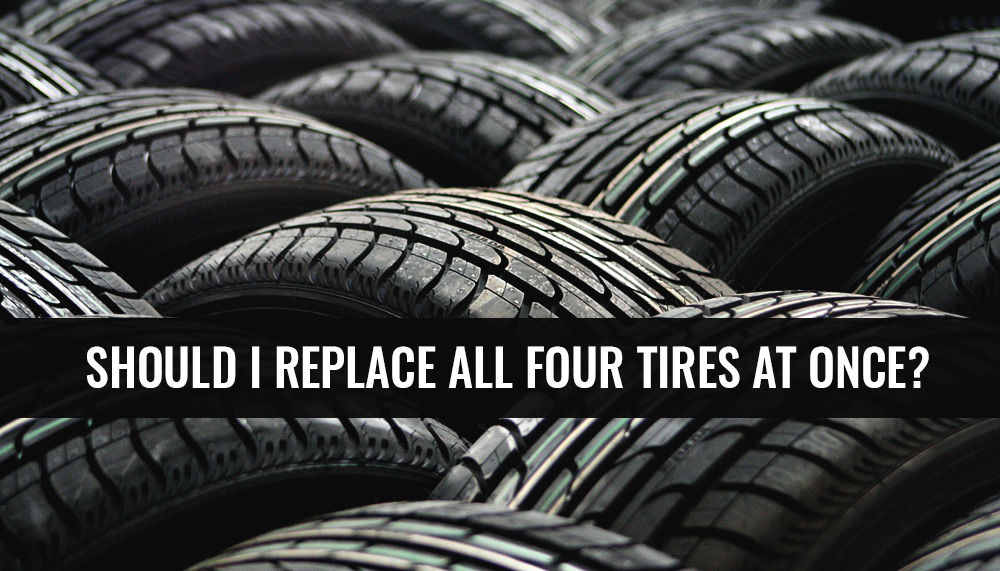
Credit: www.ronmacgillivraychev.com
Impact On Awd Performance
Tire matching is very important for all-wheel drive (AWD) cars. The tires must work together to keep the car safe and running well.
If tires are different sizes or types, the AWD system may not work as it should. This can cause problems with the car’s performance and safety.
Traction And Handling
AWD cars use all four tires to move the car and keep control. When tires are matched, the car grips the road better. This helps the driver steer and stop safely.
- Matched tires give even grip on all wheels.
- Uneven tires can cause slipping or pulling.
- Good traction helps in rain, snow, and rough roads.
- Proper tire matching reduces wear on the AWD system.
Fuel Efficiency Effects
Mismatched tires can make the AWD system work harder. This extra work uses more fuel. Matching tires helps the car run smoothly and saves fuel.
| Tire Condition | Fuel Use |
| All tires matched | Lower fuel consumption |
| Tires differ in size or wear | Higher fuel consumption |
| Uneven tread depth | Increased engine effort |
Safety Concerns
Tire matching is very important for all-wheel drive (AWD) cars. Using tires that are not the same can cause safety problems. It can affect how the car drives and how safe it is on the road.
AWD cars need tires with the same size, tread, and wear. This helps keep the car balanced and working well. Let’s look at why tire matching matters for safety.
Avoiding Drivetrain Damage
Different tire sizes or wear can cause the drivetrain to work harder. This can lead to damage and costly repairs. The car’s system tries to balance power between wheels. Mismatched tires make this uneven and cause strain.
- Unequal tire circumference causes extra stress on the drivetrain.
- The AWD system may lock or slip to compensate for differences.
- Parts like the transfer case and differential wear out faster.
- Repairing drivetrain damage can be expensive and time-consuming.
Preventing Accidents
Mismatched tires reduce traction and control. This can lead to accidents, especially in wet or slippery conditions. Proper tire matching helps keep the car stable and responsive.
| Safety Factor | Effect of Mismatched Tires |
| Traction | Reduced grip on road surfaces |
| Handling | Poor vehicle control and response |
| Braking | Longer stopping distances |
| Stability | Increased risk of skidding or slipping |
Signs Of Poor Tire Matching
Tire matching is important for all-wheel-drive (AWD) cars. Poor matching can cause problems that affect safety and performance.
Knowing the signs of poor tire matching helps you fix issues early. This keeps your car running smoothly.
Uneven Tire Wear
When tires do not match well, they wear out unevenly. This means some tires lose tread faster than others.
- One tire may have more wear on the edges.
- Another tire might wear more in the center.
- Uneven wear can lead to poor grip on the road.
- It reduces the life of your tires.
- It can cause handling problems while driving.
Vibrations And Noise
Bad tire matching often causes vibrations inside the car. You may feel these vibrations in the steering wheel or seat.
| Cause | Effect |
| Different tire sizes | Car shakes at high speed |
| Uneven tread patterns | Loud noise when driving |
| Unequal tire pressure | Vibrations felt on rough roads |
| Mismatched tire brands | Unusual sounds during turns |
Choosing The Right Tires
Tire matching is very important for all-wheel drive (AWD) cars. The right tires keep the car safe and working well.
Choosing tires that fit your AWD car helps with control, traction, and tire life. It also protects your car’s drivetrain.
Matching Tire Size And Tread
All tires on an AWD car should be the same size. Different sizes can cause problems with the car’s system.
The tread pattern also needs to match. Different treads wear unevenly and reduce grip on the road.
- Use tires with the exact size recommended by the car maker
- Keep the tread depth close on all tires
- Replace tires in sets to keep even wear
Considering Tire Age And Brand
Tire age matters because old tires lose grip and can crack. Always check the manufacturing date before buying.
Using tires from the same brand helps keep performance consistent. Different brands may handle differently.
- Check tire age using the DOT code on the sidewall
- Buy tires from the same brand and model for all four wheels
- Avoid mixing new tires with very old tires
Credit: www.nerdwallet.com
Maintenance Tips
Proper tire matching is key for AWD cars. It ensures a balanced drive and reduces wear.
Following a few simple steps helps maintain the performance of your vehicle.
Regular Tire Rotation
Tire rotation keeps wear even across all tires. It extends tire life and maintains stability.
| Rotation Pattern | Frequency |
| Front to rear, same side | Every 6,000 miles |
| Cross pattern | Every 8,000 miles |
Monitoring Tire Pressure
Checking tire pressure is crucial for safety and fuel efficiency. It also helps prevent premature wear.
- Use a reliable tire gauge.
- Check pressure when tires are cold.
- Adjust to the recommended PSI.

Credit: simonsautorepairtaunton.com
Frequently Asked Questions
Why Is Tire Matching Crucial For Awd Cars?
Tire matching ensures uniform traction across all wheels in AWD cars. This prevents drivetrain stress and improves handling and safety. Mismatched tires can cause uneven wear and costly repairs, making tire matching essential for optimal performance and longevity.
How Does Tire Mismatch Affect Awd Vehicle Performance?
Tire mismatch disrupts the AWD system’s balance, causing poor traction and stability. This leads to uneven tire wear, increased fuel consumption, and potential damage to the drivetrain. Proper tire matching maintains smooth operation and enhances driving safety.
Can Mismatched Tires Damage Awd Systems?
Yes, mismatched tires can cause drivetrain strain and component failure in AWD systems. Differences in tire size or tread depth create imbalance, forcing the system to work harder. This increases wear and repair costs, highlighting the importance of consistent tire matching.
How Often Should Awd Tires Be Replaced Together?
AWD tires should be replaced simultaneously or matched in pairs to maintain balance. Replacing all four tires ensures consistent traction and avoids drivetrain damage. Regularly check tire condition and rotate to extend lifespan and performance.
Conclusion
Tire matching keeps AWD cars safe and working well. Different tires can cause damage and poor handling. Matched tires help balance power on all wheels. This leads to better grip and control on roads. It also extends tire life and saves money.
Always check tire size, tread, and wear before buying. Proper tire care means smoother drives and fewer repairs. Safe driving starts with the right tires on your AWD car. Don’t ignore this small but important detail. It makes a big difference in performance and safety.







