
When it comes to your vehicle’s safety, one small detail can make a huge difference: the torque on your wheel lugs. You might think tightening your lug nuts is simple, but getting the right amount of force is crucial.
Too loose, and your wheels could wobble or even come off. Too tight, and you risk damaging your wheel or brake system. Understanding the importance of proper wheel lug torque isn’t just for mechanics—it’s something you need to know to keep your car safe and running smoothly.
Keep reading, and you’ll discover why this little step matters more than you think.
Role Of Wheel Lug Torque
Wheel lug torque is the tightness of the nuts that hold a wheel in place. It is important to get the right amount of torque. Too loose or too tight can cause problems.
Proper wheel lug torque keeps the wheel secure and helps the vehicle work well. It also affects safety and performance on the road.
Safety Implications
Correct lug torque stops wheels from coming loose while driving. Loose wheels can cause accidents or damage to the vehicle.
Too much torque can break the studs or damage the wheel. This can lead to dangerous situations on the road.
- Loose lug nuts may cause wheel wobble
- Over-tightened lug nuts can crack or strip threads
- Proper torque ensures safe and stable driving
Impact On Vehicle Performance
Right wheel lug torque helps keep the wheel balanced. This improves handling and ride comfort.
Wrong torque can cause uneven tire wear and damage suspension parts. It can also affect fuel efficiency.
- Proper torque keeps tires wearing evenly
- Helps maintain smooth steering and braking
- Prevents damage to wheel bearings and suspension
Credit: www.keystoneforums.com
Consequences Of Incorrect Torque
Applying the correct torque to wheel lugs is crucial for vehicle safety. Wrong torque settings can cause serious problems.
This article explains risks linked to both over-tightening and under-tightening wheel lugs.
Over-tightening Risks
Too much torque can damage the wheel and its components. Over-tightened lugs may also cause uneven stress.
- Stripped threads on lug bolts or nuts
- Warped brake rotors due to excess pressure
- Cracked or damaged wheels from stress
- Difficulty removing lugs for future tire changes
- Increased risk of lug nut failure during driving
Under-tightening Dangers
Too little torque can cause lugs to loosen. Loose lugs create safety hazards on the road.
| Problem | Result |
| Loose wheel | Wheel wobbling and vibration |
| Wheel detachment | Loss of control and accidents |
| Damaged studs | Need for costly repairs |
| Brake rotor movement | Reduced braking efficiency |
Recommended Torque Specifications
Proper wheel lug torque is very important for safety. Too much or too little torque can cause problems.
Following the right torque keeps wheels secure and helps avoid damage or accidents.
Manufacturer Guidelines
Each vehicle maker sets the correct torque for wheel lugs. These numbers are based on tests.
Always check the owner’s manual or official sources for the right torque values for your vehicle.
- Use the torque specs listed by the manufacturer only.
- Different vehicles need different torque settings.
- Incorrect torque can cause wheel damage or looseness.
Tools For Accurate Measurement
Using the right tools helps apply the exact torque. This prevents errors in tightening wheel lugs.
Torque wrenches are the best tools to measure and control the force used on lugs.
- Click torque wrenches give a clear signal at the set torque.
- Dial torque wrenches show the torque on a gauge.
- Digital torque wrenches provide precise readings and alerts.
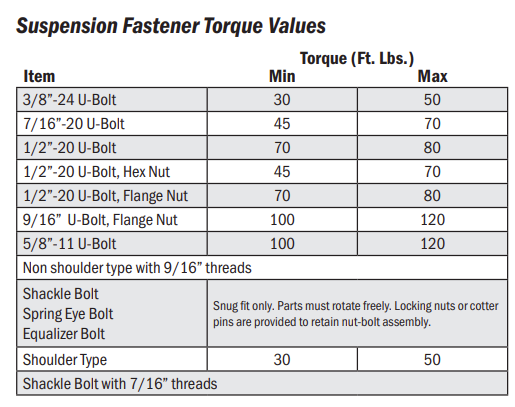
Credit: www.trailersafetyweek.com
Step-by-step Torque Procedure
Proper wheel lug torque keeps your wheels safe and secure. It prevents damage and accidents caused by loose or overtightened lug nuts.
Follow this step-by-step guide to torque your wheel lug nuts correctly. Each step is important to ensure even pressure and safe driving.
Preparing The Wheel And Lug Nuts
Before torqueing, clean the wheel and lug nuts. Dirt or rust can affect the torque and cause uneven tightening.
- Remove any dirt or debris from the wheel hub surface
- Check lug nuts for damage or wear
- Apply a small amount of anti-seize lubricant if recommended by the manufacturer
- Hand-tighten lug nuts to start
Using A Torque Wrench Correctly
Using a torque wrench ensures lug nuts get the exact tightness needed. Follow these tips for best results.
- Set the torque wrench to the manufacturer’s specified torque value
- Use the correct size socket that fits the lug nuts snugly
- Apply steady pressure until the wrench clicks or indicates the set torque
- Do not use a torque wrench to loosen nuts
Torque Sequence For Lug Nuts
Follow the correct torque sequence to apply even pressure on the wheel. This helps prevent warping or damage.
| Position | Sequence Number |
| Top Lug Nut | 1 |
| Bottom Lug Nut | 4 |
| Left Lug Nut | 2 |
| Right Lug Nut | 5 |
| Middle Lug Nut (if present) | 3 |
Signs Of Improper Lug Torque
Proper wheel lug torque is important for safe driving. If the lug nuts are too loose or too tight, it can cause problems.
Knowing the signs of improper lug torque helps you fix issues before they get worse.
Visual Indicators
One sign of bad lug torque is visible damage around the wheel area. You might see gaps between the wheel and hub or rust marks near the lug nuts.
Check the wheel studs and nuts for cracks or wear. Loose lug nuts can cause the wheel to wobble or move.
- Gaps between wheel and hub
- Rust or dirt marks near lug nuts
- Cracked or damaged lug nuts
- Wheel wobbling when parked
Handling And Noise Issues
Improper lug torque affects how the car handles. You may feel the steering pull or the car shake when driving.
Strange noises like clunking or clicking near the wheels can also mean lug nuts are not tight enough or too tight.
- Steering pulls to one side
- Vibrations while driving
- Clunking or clicking sounds
- Loose feeling in the wheel
Credit: ftp.spaceneedle.com
Maintenance Tips For Lug Nuts
Proper wheel lug torque ensures your vehicle’s safety. Maintaining the correct torque prevents wheel issues and keeps your ride smooth.
Regular checks and proper maintenance of lug nuts are crucial. Let’s explore essential tips to keep your wheels secure.
Regular Torque Checks
Checking the torque on your lug nuts regularly is vital. It helps in preventing wheel detachment and other related problems.
- Use a reliable torque wrench for accuracy.
- Follow the vehicle manufacturer’s specifications.
- Check torque after driving a few miles post-installation.
Replacing Damaged Components
If you notice any damage to lug nuts or wheel studs, replace them immediately. Damaged components can compromise wheel security.
| Component | When to Replace |
| Lug Nuts | If threads are worn or stripped |
| Wheel Studs | If bent or cracked |
| Torque Wrench | When it gives inconsistent readings |
Frequently Asked Questions
Why Is Proper Wheel Lug Torque Important?
Proper wheel lug torque ensures wheel safety and prevents loosening. It maintains even pressure, reducing risk of accidents and wheel damage. Correct torque improves vehicle performance and extends the lifespan of wheel components.
What Happens If Wheel Lug Torque Is Too Low?
Low lug torque can cause wheel nuts to loosen. This leads to vibrations, wheel wobble, and potential wheel detachment. It compromises vehicle safety and increases the risk of accidents.
Can Over-tightening Wheel Lug Nuts Cause Damage?
Yes, over-tightening can strip threads or damage studs. It may warp brake rotors and cause uneven tire wear. Proper torque prevents such mechanical issues and ensures safe driving.
How Often Should Wheel Lug Torque Be Checked?
Wheel lug torque should be checked after every tire change or rotation. Regular checks prevent loosening and ensure consistent safety. It’s vital during seasonal tire swaps or after long trips.
Conclusion
Proper wheel lug torque keeps your wheels safe and secure. Tighten lug nuts to the right level. Too loose can cause accidents. Too tight can damage parts. Check torque regularly, especially after tire changes. Use a torque wrench for accuracy.
This simple step helps prevent wheel problems. It also improves driving safety and vehicle performance. Always follow your vehicle’s torque specifications. Your safety depends on it. Simple, but important.







