
When it comes to choosing wheels for your vehicle, you might find yourself stuck between alloy wheels and steel wheels. But which one is really better for you?
Understanding the difference can save you money, improve your car’s performance, and even boost its look. You’ll discover the key benefits and drawbacks of both options. By the end, you’ll know exactly which wheels fit your needs and style perfectly.
Ready to make a smarter, more confident choice? Let’s dive in.
Material Composition
Alloy wheels and steel wheels differ mainly in the materials used to make them. The material affects the wheel’s weight, strength, and appearance.
Understanding what each wheel is made of helps you choose the right one for your vehicle and needs.
What Makes Alloy Wheels
Alloy wheels are made from a mix of metals. The main metals are aluminum or magnesium combined with other elements.
This mix makes the wheels lighter than steel ones. They also look shiny and stylish.
- Aluminum is the most common metal used
- Magnesium alloys are lighter but cost more
- Other metals improve strength and durability
What Makes Steel Wheels
Steel wheels are made from strong steel metal. The steel is usually stamped and shaped into wheel forms.
These wheels are heavier but very tough. They usually have a simple, plain look.
- Made from carbon steel or alloy steel
- Steel is heavier than aluminum or magnesium
- Steel wheels resist damage from impacts

Credit: www.reddit.com
Design And Appearance
Alloy wheels and steel wheels look very different. Their design affects how a car looks. Many people choose wheels based on style.
Alloy wheels often have modern and sleek designs. Steel wheels usually have a simpler and more basic look.
Styles And Finishes
Alloy wheels come in many styles. They can have thin spokes, thick spokes, or even complex patterns. This makes cars look sportier or more elegant.
Steel wheels have fewer style options. They mostly have a plain, solid design. They often have small holes or simple cutouts for ventilation.
- Alloy wheels: intricate, sharp, and varied patterns
- Steel wheels: basic shapes with fewer details
- Alloy finishes: polished, painted, or machined
- Steel finishes: usually painted black or silver
Customization Options
Alloy wheels offer many customization choices. You can select different colors, finishes, and designs. This helps match your car’s look exactly.
Steel wheels have limited customization. They mostly come in standard colors. Some people add plastic covers to improve their look.
- Alloy wheels: multiple colors and finishes
- Alloy wheels: custom spoke patterns and sizes
- Steel wheels: usually only black or silver paint
- Steel wheels: plastic wheel covers for style
Performance Factors
Alloy wheels and steel wheels differ in how they affect a vehicle’s performance. These differences matter for driving experience and safety.
Two key areas to consider are weight and handling, plus durability and strength. Each type has its own advantages and drawbacks.
Weight And Handling
Alloy wheels are usually lighter than steel wheels. This lower weight helps improve handling and fuel efficiency.
- Alloy wheels reduce unsprung weight, which improves suspension response.
- Lighter wheels allow better acceleration and braking.
- Steel wheels add more weight, which can lower fuel economy.
- Heavier wheels may make steering feel less sharp.
Durability And Strength
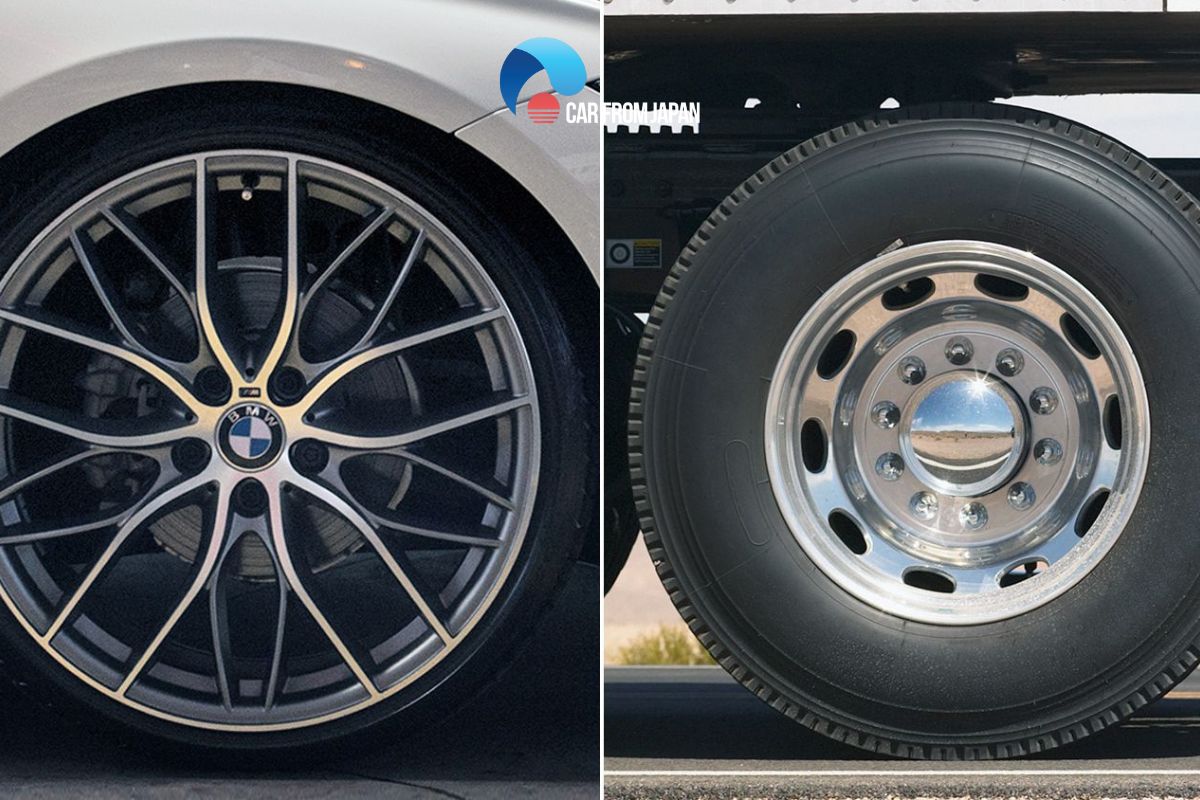
| Wheel Type | Durability | Strength | Common Use |
| Steel Wheels | Very durable against impacts and rough roads. | High strength; can bend but rarely crack. | Often used on trucks and winter vehicles. |
| Alloy Wheels | Less durable; more prone to cosmetic damage. | Strong but can crack under severe impact. | Common on sports and luxury cars for performance. |
Credit: carfromjapan.com
Cost Differences
Choosing between alloy wheels and steel wheels affects your budget. The costs vary in buying and upkeep.
Understanding these cost differences helps you make smart decisions for your vehicle.
Initial Purchase Price
Steel wheels usually cost less than alloy wheels at the store. They are simpler to make and use cheaper materials.
Alloy wheels are made from lighter metals and need more work to produce. This raises their price.
- Steel wheels are budget-friendly for new purchases.
- Alloy wheels cost more but look stylish and weigh less.
- Price difference can affect your total buying cost.
Maintenance Expenses
Steel wheels are strong but can rust over time. They may need painting or repair to stay good.
Alloy wheels do not rust easily but can crack or bend from road damage. Fixing them can be costly.
- Steel wheels often need rust protection and repainting.
- Alloy wheels may require expensive repairs if damaged.
- Regular checks help lower long-term maintenance costs.
Weather And Road Conditions
Choosing between alloy wheels and steel wheels depends on weather and road conditions. These factors affect wheel performance and durability.
Alloy wheels and steel wheels behave differently in rain, snow, and rough roads. Understanding these differences helps you pick the right wheels.
Resistance To Corrosion
Steel wheels are more likely to rust over time. Salt and moisture cause corrosion on steel surfaces.
Alloy wheels resist rust better because they use metals like aluminum. They handle wet and salty conditions well.
- Steel wheels can corrode if paint chips or scratches.
- Alloy wheels have natural resistance to rust and corrosion.
- Corrosion reduces steel wheel strength faster than alloy wheels.
Suitability For Winter Driving
Steel wheels are strong and handle winter road impacts well. They work better on rough, icy roads.
Alloy wheels are lighter but can crack on rough winter roads. They may not be the best for deep snow or ice.
- Steel wheels resist damage from potholes and ice.
- Alloy wheels improve fuel efficiency on dry roads.
- Steel wheels are easier to repair if bent in winter.
Repair And Replacement
Alloy wheels and steel wheels each have their benefits. Understanding how they differ in repair and replacement is important. This guide will help you make informed decisions.
Both types of wheels offer unique challenges and solutions. Learn how ease of repair and availability of spare parts affect your choice.
Ease Of Repair
Repairing wheels can depend on the material. Alloy wheels are usually lighter but may crack easily. Steel wheels are heavier and more durable.
- Alloy wheels can often be repaired but may need specialists.
- Steel wheels are easier to fix, often with simple tools.
- Some dents in steel wheels can be hammered out.
- Alloy wheels may need welding or replacement if cracked.
Availability Of Spare Parts
Finding spare parts can be crucial for quick repairs. It varies between alloy and steel wheels.
| Wheel Type | Spare Parts Availability |
| Alloy Wheels | Usually needs to be ordered, which can take time |
| Steel Wheels | Widely available at most auto shops |
Consider the availability of parts before choosing a wheel type. Steel wheels often offer more immediate solutions.
Fuel Efficiency Impact
Wheels can affect how much fuel a car uses. There are two main types: alloy and steel. Each type has different effects on fuel efficiency.
Understanding these effects helps in choosing the right wheels. Let’s look at how alloy and steel wheels impact fuel use.
Alloy Wheels
Alloy wheels are lighter than steel wheels. This lighter weight helps cars use less fuel. Cars with lighter wheels need less energy to move.
Alloy wheels also improve a car’s handling. Better handling can lead to more efficient driving. This also helps in saving fuel.
- Lighter weight reduces energy use
- Improves car handling
- Leads to efficient driving
Steel Wheels
Steel wheels are heavier than alloy wheels. Heavier wheels can increase fuel consumption. Cars with steel wheels need more energy to move.
Steel wheels are durable and strong. They are often used in tough conditions. This durability can sometimes mean a trade-off with fuel efficiency.
- Heavier weight increases energy use
- Strong and durable
- May lead to higher fuel consumption

Credit: cars24.com
Safety Considerations
Choosing the right wheels for your car affects safety. Alloy and steel wheels have different features. Understanding these can help you make a safer choice.
This section explains safety aspects like crash performance and heat dissipation for alloy and steel wheels.
Crash Performance
Steel wheels are strong and bend instead of breaking in a crash. This can protect the tire and car better.
Alloy wheels are lighter but can crack or shatter on impact. This may cause more damage in some crashes.
- Steel wheels absorb impact by bending
- Alloy wheels may crack under heavy force
- Steel wheels are easier to repair after minor damage
- Alloy wheels often need full replacement if damaged
Heat Dissipation
Alloy wheels cool brakes faster because they conduct heat well. This helps prevent brake failure during long drives.
Steel wheels do not cool brakes as quickly. This can cause brakes to get hot and lose efficiency in some conditions.
- Alloy wheels allow better airflow to brakes
- Steel wheels hold more heat around brakes
- Better cooling reduces risk of brake fade
- Alloy wheels improve brake safety on steep or long roads
Which One To Choose
Alloy wheels and steel wheels are common types of car wheels. Choosing the right one depends on your needs and driving style.
This guide helps you pick the best wheel type for daily driving, sports cars, and off-road use.
For Daily Commuting
Steel wheels are strong and cheaper. They work well for everyday driving on city roads.
Alloy wheels look nicer and are lighter. They can improve fuel efficiency but cost more.
- Steel wheels are durable and low cost
- Alloy wheels offer better style and lighter weight
- Steel wheels handle potholes well
- Alloy wheels may crack on rough roads
For Performance Cars
Alloy wheels are best for performance cars. They reduce weight and improve handling.
Steel wheels are too heavy and limit speed and cornering abilities.
- Alloy wheels help cool brakes faster
- Lighter wheels improve acceleration
- Steel wheels add extra weight
- Alloys come in many performance designs
For Off-road Use
Steel wheels are better for off-road driving. They resist damage from rocks and rough surfaces.
Alloy wheels can crack or bend more easily off-road. Steel wheels can be fixed by hammering.
- Steel wheels are strong and easy to repair
- Alloy wheels may break on hard impacts
- Steel wheels handle mud and dirt well
- Alloy wheels are lighter but less tough
Frequently Asked Questions
What Are The Main Differences Between Alloy And Steel Wheels?
Alloy wheels are made from a mix of metals, mainly aluminum. Steel wheels are heavier, made from steel. Alloy wheels offer better performance and aesthetics. Steel wheels are more durable and cost-effective.
Which Wheels Offer Better Fuel Efficiency?
Alloy wheels are lighter, reducing vehicle weight. This improves fuel efficiency and handling. Steel wheels are heavier, causing slightly higher fuel consumption. So, alloy wheels are better for fuel economy.
Are Alloy Wheels More Expensive Than Steel Wheels?
Yes, alloy wheels cost more due to advanced materials and manufacturing. Steel wheels are cheaper and easier to produce. Alloy wheels provide better style and performance, justifying the higher price.
How Do Alloy And Steel Wheels Differ In Durability?
Steel wheels are tougher and resist damage well. They handle rough roads and impacts better. Alloy wheels are prone to cracking but resist corrosion. Steel wheels suit harsh conditions better.
Conclusion
Alloy wheels and steel wheels each have clear strengths. Alloy wheels are lighter and look stylish. Steel wheels are stronger and cost less. Both types suit different needs and budgets. Choose based on your driving and style preferences. Remember, the right wheels improve safety and car performance.
Think about what matters most to you. This helps you pick the best wheels for your vehicle.







