
Choosing the right tires for your car is more important than you might think. The tires you pick affect your safety, comfort, and even your car’s performance.
But with so many options out there, how do you know which ones are best for you? You’ll discover simple tips to help you find the perfect tires that match your driving style, budget, and weather conditions. By the end, you’ll feel confident making the best choice for your car—and enjoy a smoother, safer ride every time you hit the road.
Keep reading to learn exactly what to look for!
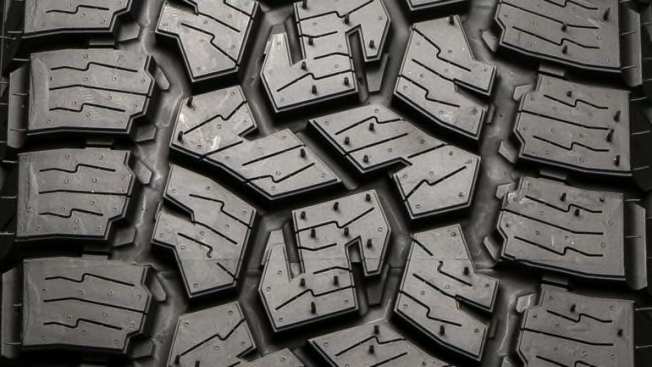
Credit: www.consumerreports.org
Tire Types And Their Uses
Choosing the right tires helps your car drive safely and smoothly. Different tires suit different weather and road conditions.
We will look at common tire types and explain where to use each one.
All-season Tires
All-season tires work well in many weather conditions. They offer a balance of grip, comfort, and tread life.
These tires are good for places with mild winters and no extreme weather.
Summer Tires
Summer tires provide excellent grip on dry and wet roads in warm weather. They use softer rubber for better handling.
- Best for hot weather driving
- Offer shorter braking distances
- Not suitable for cold or snowy roads
Winter Tires
Winter tires have special tread patterns and rubber that stay soft in cold. They improve traction on snow and ice.
| Feature | Benefit |
| Deep tread grooves | Better grip on snow |
| Softer rubber | Stays flexible in cold |
| Special sipes | Improved traction on ice |
Performance Tires
Performance tires are made for sporty driving. They provide strong grip and quick steering response.
These tires work best on dry and wet roads but wear out faster than regular tires.
Off-road Tires
Off-road tires have thick tread and tough sidewalls. They help drive on dirt, mud, and rocks.
- Large tread blocks for traction
- Strong sidewalls to resist damage
- Designed for rough terrain
Key Tire Specifications
Choosing the right tires for your car is important for safety and performance. Understanding tire specifications helps you pick the best fit.
Each tire has details like size, load capacity, speed limits, and tread type. These features affect how your car drives.
Tire Size
Tire size shows the tire’s width, height, and rim diameter. You can find this on the tire sidewall as a code.
Correct size ensures the tire fits your car and works well with the wheels and suspension.
- Width: Measured in millimeters across the tire
- Aspect Ratio: Height of the sidewall as a percent of width
- Rim Diameter: Size of the wheel in inches
Load Index
Load index tells the maximum weight a tire can support. It is a number found next to the size code.
Choosing a tire with the right load index keeps your car safe and balanced when carrying weight.
- Higher load index means higher load capacity
- Never use tires with lower load index than recommended
- Check your car manual for the correct load index
Speed Rating
Speed rating shows the maximum speed a tire can safely handle. It is a letter after the load index.
Pick a tire with a speed rating that matches or exceeds your car’s top speed.
| Speed Rating | Max Speed |
| L | 75 mph (120 km/h) |
| T | 118 mph (190 km/h) |
| H | 130 mph (210 km/h) |
| V | 149 mph (240 km/h) |
| W | 168 mph (270 km/h) |
Tread Patterns
Tread patterns affect how tires grip the road and handle weather. They come in different styles.
Choosing the right tread helps in wet, dry, or snowy conditions for better control.
- Straight grooves clear water to prevent hydroplaning
- Symmetrical patterns offer smooth rides and low noise
- Asymmetrical designs improve cornering and grip
- Directional treads work well for wet roads and speed
Assessing Driving Conditions
Choosing the right tires means looking at where and how you drive. Different conditions call for different tires. Knowing your driving environment helps you pick safer and longer-lasting tires.
This guide covers climate, road surfaces, and driving habits. Each factor affects tire performance and your car’s handling.
Climate Considerations
Weather plays a big role in tire choice. Tires must handle heat, cold, rain, or snow. Using the wrong tires can lead to poor grip and faster wear.
- In hot climates, choose tires with heat-resistant rubber.
- For cold areas, winter tires with special tread work best.
- All-season tires fit moderate climates with some rain or snow.
- Wet areas need tires with good water evacuation to avoid slipping.
Road Surfaces
Your tires face different surfaces like highways, gravel, or mud. Each surface wears tires differently and needs specific tread designs.
| Road Surface | Recommended Tire Type | Key Feature |
| Highways and City Roads | Touring or All-Season Tires | Comfort and low noise |
| Gravel and Dirt Roads | All-Terrain Tires | Durable tread and sidewall protection |
| Muddy or Off-Road Trails | Mud-Terrain Tires | Deep treads for grip |
| Wet or Slippery Surfaces | Wet Traction Tires | Water channeling grooves |
Driving Habits
Your driving style affects tire wear and safety. Fast acceleration, hard braking, or sharp turns need tires that handle stress well. Careful drivers can focus on comfort and fuel efficiency.
Consider these points for your driving habits:
- If you drive mostly in the city, look for tires with good fuel economy and quiet ride.
- For frequent highway driving, choose tires with long tread life and smooth handling.
- Aggressive or sporty driving needs tires that offer strong grip and stability.
- Heavy loads or towing require tires that can support extra weight safely.

Credit: www.northyorkchrysler.ca
Balancing Performance And Budget
Choosing the right tires means thinking about both how they perform and how much they cost. Good tires keep you safe and save money in the long run.
You want tires that fit your car’s needs and your wallet. Let’s look at what affects tire prices and quality.
Pricing Factors
Tire prices depend on many things. Size, type, and brand all play a role. Performance tires usually cost more than regular ones.
Special features like better grip or fuel saving can raise the price. Sometimes, cheaper tires wear out faster.
- Tire size affects cost
- Performance tires are pricier
- Brand name adds to price
- Extra features increase cost
Durability And Lifespan
Durability means how long tires last before wearing out. Good tires last longer and give better value.
Check the treadwear rating on the tire. A higher rating means the tire will last more miles. Strong tires save you money over time.
- Look for high treadwear ratings
- Long-lasting tires cost less over time
- Check reviews for real-life durability
Warranty And Brand Reputation
A good warranty shows the brand trusts its tires. It can cover defects or early wear. This protects your investment.
Choose brands known for quality and safety. A strong reputation means fewer problems and better support if needed.
- Check the length and coverage of the warranty
- Pick brands with good customer feedback
- Trust brands with long market presence
Maintenance Tips For Tire Longevity
Proper tire care helps your tires last longer and keeps you safe on the road. Simple maintenance steps can prevent early tire wear.
Check your tires regularly and follow these tips to get the best from your tires.
Proper Inflation
Keep your tires inflated to the pressure recommended by your car’s manual. Low or high pressure wears out tires faster.
- Check tire pressure at least once a month.
- Use a reliable pressure gauge for accurate readings.
- Adjust pressure when tires are cold for the best result.
- Do not overinflate; it can cause uneven wear.
Regular Rotation
Rotate your tires regularly to spread wear evenly. This helps all tires wear at the same rate.
| Rotation Pattern | Recommended Every |
| Front to Rear | 5,000 to 8,000 miles |
| Cross Rotation | 5,000 to 8,000 miles |
| Check Owner’s Manual | Follow specific guidelines |
Alignment And Balancing
Keep your wheels aligned and balanced. This prevents uneven tire wear and improves driving comfort.
Signs your tires need alignment or balancing:
- Your car pulls to one side.
- Steering wheel vibrates or shakes.
- Tires show uneven wear patterns.
- Noise while driving at high speed.

Credit: www.fiverr.com
Frequently Asked Questions
How Do I Know Which Tire Size Fits My Car?
Check your car’s manual or the tire sidewall for size details. Match the tire size with your vehicle’s specifications to ensure safety and optimal performance.
What Are The Best Tires For Different Weather Conditions?
Choose all-season tires for moderate climates. Opt for winter tires in snow and ice. Use summer tires for dry, hot conditions to maximize grip.
How Often Should I Replace My Car Tires?
Replace tires every 6 years or when tread depth is below 2/32 inch. Also, replace if there are visible damages or uneven wear.
What Factors Affect Tire Performance And Longevity?
Tire quality, driving habits, road conditions, and proper maintenance affect performance. Regular rotations, correct pressure, and alignment extend tire life significantly.
Conclusion
Choosing the right tires keeps your car safe and smooth. Think about your driving needs and weather conditions. Check tire size and tread type carefully. Good tires improve fuel efficiency and handling. Regularly inspect tires to spot wear or damage.
Don’t rush; take time to compare options. Your car deserves the best tires for every trip. Stay safe and enjoy a comfortable ride.







