
Have you ever wondered why some tires have different patterns on the inside and outside edges? That’s what we call an asymmetric tread design.
Understanding this unique feature can change the way you choose your tires and improve your driving experience. If you want better grip, smoother rides, and enhanced safety on the road, learning about asymmetric tread design is a smart move. Keep reading, and you’ll discover how this simple yet clever design can make a big difference for your vehicle.
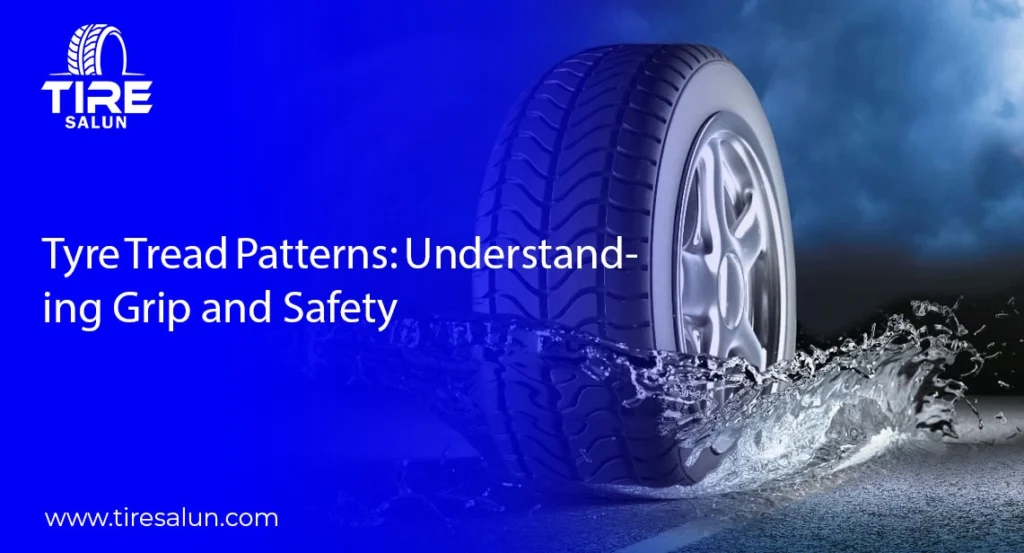
Credit: tiresalun.com
Asymmetric Tread Design Basics
Asymmetric tread design is a type of tire pattern. It uses different tread shapes on each side of the tire.
This design helps improve grip, handling, and performance on different road conditions.
Key Features
Asymmetric tires have inner and outer tread patterns that serve different purposes. The outer side usually has larger blocks for better cornering and stability.
The inner side has smaller grooves to help with water evacuation and traction on wet roads.
- Different tread patterns on inner and outer sides
- Improved cornering and handling on dry roads
- Enhanced water drainage for wet conditions
- Balanced performance for all-weather driving
How It Differs From Other Designs
Symmetric tread design uses the same pattern across the entire tire. It offers even wear and easier rotation.
Directional tread design has a V-shape pattern that only works when the tire spins in one direction. It improves water evacuation but limits rotation options.
- Symmetric: Same pattern on both sides, easy rotation
- Directional: V-shaped pattern, one-way rotation only
- Asymmetric: Different inner and outer patterns for balanced grip
Benefits For Tire Performance
Asymmetric tread design improves how tires perform on the road. This design uses different patterns on the inner and outer parts of the tire.
This helps tires handle various driving conditions better than symmetric designs. It also supports safer and smoother driving experiences.
Enhanced Traction
The asymmetric tread design offers better grip on different surfaces. The inner part often has smaller grooves to remove water and reduce slipping. The outer part has larger blocks for strong contact on dry roads.
- Improves grip on wet roads
- Reduces risk of hydroplaning
- Maintains strong traction on dry surfaces
- Supports better acceleration and braking
Improved Handling
The design helps keep the tire stable during turns. The outer tread blocks provide firmness that improves cornering. The inner tread focuses on water evacuation, keeping control in wet conditions.
| Aspect | Inner Tread | Outer Tread |
|---|---|---|
| Function | Water drainage | Cornering stability |
| Design Feature | Smaller grooves | Larger blocks |
| Handling Benefit | Better wet traction | Improved dry handling |
Better Wet And Dry Performance
Asymmetric tread design balances wet and dry road needs. It prevents slipping on rain-soaked roads and keeps grip on dry pavement. This balance makes driving safer in different weather.
- Efficient water channeling for wet roads
- Strong rubber contact for dry roads
- Quieter ride due to varied tread patterns
- Longer tread life from balanced wear
Components Of Asymmetric Tread
Asymmetric tread design uses different patterns on each side of the tire. This design improves performance on dry and wet roads.
The tread divides into three key parts. Each part has a specific role in handling and safety.
Inner Tread Zone
The inner tread zone focuses on water evacuation and wet grip. It has more grooves and siping to push water away.
- Wide channels for water flow
- Thin sipes for traction on wet roads
- Soft rubber to improve grip
Outer Tread Zone
The outer tread zone provides dry road stability and cornering control. It uses larger blocks and fewer grooves.
| Feature | Purpose |
| Large tread blocks | Better grip on dry roads |
| Stiff shoulders | Improved cornering stability |
| Less siping | More rubber contact area |
Shoulder Blocks
Shoulder blocks are at the edges of the tread. They help with handling and braking.
- Large, solid blocks for strong road contact
- Reduce tread squirm during turns
- Enhance tire stability at high speeds
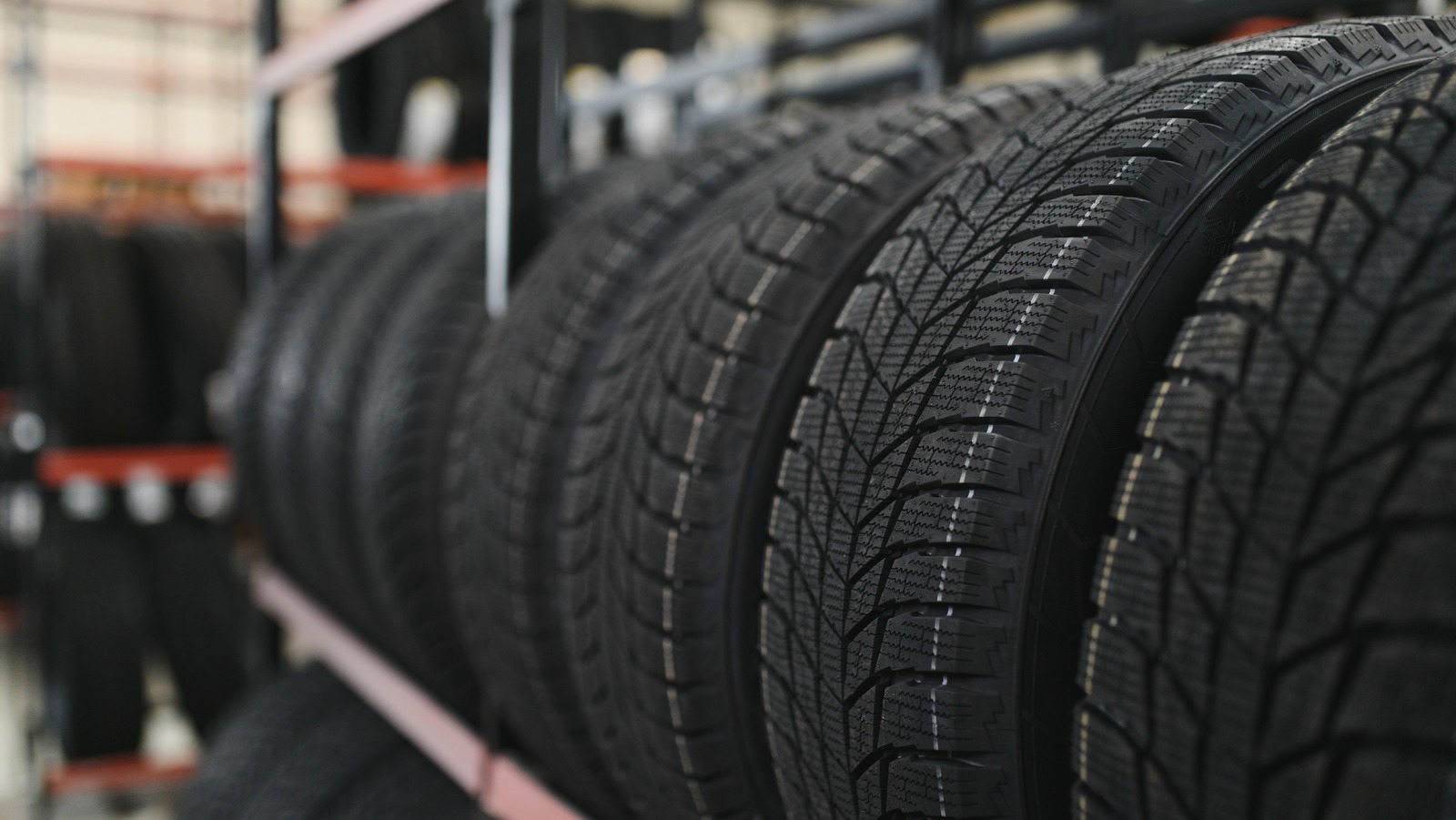
Credit: www.jalopnik.com
Ideal Driving Conditions
Asymmetric tread design helps improve tire performance under specific driving conditions. It balances grip, handling, and comfort for everyday driving.
This tread pattern suits different roads and weather. Understanding ideal conditions helps you get the best from your tires.
Urban Driving
Urban roads have many turns, stops, and starts. Asymmetric tread design offers good traction and control in these conditions. The inner tread handles water and wet surfaces. The outer tread improves cornering and stability.
- Better grip on city streets
- Improved handling on corners
- Enhanced braking on wet roads
- Reduced road noise for comfort
High-speed Performance
At high speeds, tire stability is critical. Asymmetric tread designs provide strong contact with the road. This helps maintain control and reduces tire wear. Drivers feel more confident on highways and fast roads.
| Feature | Benefit |
| Outer tread blocks | Improved cornering stability |
| Inner tread grooves | Efficient water evacuation |
| Center rib | Better straight-line tracking |
| Optimized rubber compounds | Enhanced grip at speed |
Wet Weather Scenarios
Wet roads require good water dispersal to prevent slipping. Asymmetric tread design uses wide grooves and channels on the inner side. This clears water quickly and reduces hydroplaning risk.
- Faster water evacuation
- Stable grip on slippery roads
- Shorter stopping distances
- Improved driver safety
Choosing The Right Asymmetric Tire
Asymmetric tread design is important for vehicle safety and performance. These tires have different tread patterns on each side, providing good grip in various conditions.
Choosing the right asymmetric tire depends on your vehicle type, driving style, and budget. Let’s explore these factors to make an informed decision.
Matching Vehicle Type
Different vehicles need different tires. Cars, trucks, and SUVs have specific needs. Choose tires that fit your vehicle’s requirements.
- Passenger cars need tires for comfort and efficiency
- SUVs require tires with better grip for off-road
- Trucks need durable tires for heavy loads
Considering Driving Style
Your driving style affects tire choice. Fast drivers need tires with better grip for sharp turns. Relaxed drivers can choose tires for a smoother ride.
- Aggressive drivers need tires for high performance
- Casual drivers can opt for comfort-focused tires
- Frequent travelers should consider fuel-efficient tires
Budget And Brand Options
Budget influences tire choices. There are many brands offering asymmetric tires. Choose one that fits your budget without compromising quality.
Research brands for quality and durability. Compare prices for the best deal.
- Premium brands offer advanced features but cost more
- Mid-range brands balance cost and performance
- Budget brands provide basic features at lower prices

Credit: autos.yahoo.com
Maintenance Tips For Longevity
Asymmetric tread design improves tire performance by using different patterns on the inner and outer tread. Proper care helps these tires last longer and stay safe on the road.
Follow simple maintenance steps to protect your tires and get the best value from them.
Proper Tire Rotation
Rotating tires regularly helps even out wear across all tires. This is important for asymmetric tread tires because each side has a specific function.
- Rotate tires every 5,000 to 7,000 miles.
- Follow your vehicle or tire maker’s rotation pattern.
- Keep track of rotation dates for consistent care.
Correct Inflation Levels
Maintaining the right air pressure improves tire grip and fuel efficiency. It also reduces uneven wear on asymmetric tread tires.
| Pressure Type | Recommended PSI | Effect of Incorrect Pressure |
| Under-inflation | Below recommended | Increased wear on edges, poor fuel economy |
| Over-inflation | Above recommended | Wear in center tread, harsh ride |
| Proper inflation | As per vehicle manual | Even wear, better performance |
Regular Inspections
Check your tires often to catch issues early. Look for damage or uneven wear that can affect the asymmetric tread pattern.
- Look for cuts, cracks, or bulges on the sidewalls.
- Check tread depth on both inner and outer edges.
- Listen for unusual sounds while driving.
- Ensure valve stems are not leaking.
Common Myths And Misconceptions
Asymmetric tread design is a popular tire pattern, but many myths surround it.
People often misunderstand how it affects noise, performance, and vehicle fit.
Tread Design And Noise Levels
Some believe asymmetric tread tires are always noisy. This is not true.
The tread pattern can reduce noise if designed well. Noise depends on tire brand and road.
- Myth: Asymmetric tires are louder than symmetric tires.
- Fact: Properly designed asymmetric tires can be quiet.
- Myth: Noise comes only from tread design.
- Fact: Road surface and tire pressure also affect noise.
Suitability For All Vehicles
Many think asymmetric tires fit all vehicles. This is a misconception.
These tires work best on specific cars and conditions.
| Myth | Fact |
| Fits every vehicle perfectly | Best for sports and passenger cars |
| Can replace any tire type | Check vehicle manual before use |
| Offers same performance on all cars | Performance varies by vehicle type |
Future Trends In Tread Design
Asymmetric tread design is paving the way for future tire technologies. Engineers are exploring new materials and smart technologies to enhance tire performance.
These innovations aim to improve safety, efficiency, and longevity of tires. Let’s explore some key trends in tread design.
Innovations In Materials
New materials are being developed to make tires more durable and sustainable. These materials help in reducing the environmental impact of tires.
- Recycled rubber compounds for eco-friendly tires
- Silica-based compounds for better grip and fuel efficiency
- Advanced polymers for enhanced durability
Smart Tire Technologies
Smart tire technologies use sensors and connectivity to provide real-time data. This information helps drivers maintain optimal tire conditions.
| Technology | Benefit |
| Pressure sensors | Monitor tire inflation |
| Temperature sensors | Prevent overheating |
| Wear sensors | Alert on tire wear |
Frequently Asked Questions
What Is Asymmetric Tread Design In Tires?
Asymmetric tread design features different patterns on inner and outer tire parts. It improves grip, handling, and performance in various driving conditions.
How Does Asymmetric Tread Benefit Vehicle Handling?
It enhances cornering stability and wet traction by combining different tread elements. This design ensures better control and safety on diverse road surfaces.
Can Asymmetric Tread Improve Wet Weather Performance?
Yes, the inner tread channels water efficiently to reduce hydroplaning. This design offers superior wet grip and braking compared to symmetric treads.
Are Asymmetric Tires Suitable For All Vehicles?
They are ideal for performance cars and SUVs seeking balanced grip and comfort. However, always check manufacturer recommendations before choosing asymmetric tires.
Conclusion
Asymmetric tread design improves tire grip on different road surfaces. It helps with better handling and safer driving in rain or dry conditions. The unique pattern balances comfort and performance well. Choosing tires with this design can enhance your driving experience.
Remember, understanding tread types helps you pick the right tire. Safe driving starts with the right tires on your vehicle.







