
Your alloy wheels say a lot about your car—and keeping them spotless makes a huge difference in how your vehicle looks. But cleaning alloy wheels can feel tricky if you don’t know where to start.
What if you could follow a simple, step-by-step guide that shows you exactly how to make your wheels shine like new? Whether you want to impress friends, protect your investment, or just enjoy a cleaner ride, this guide is made for you.
Keep reading, and you’ll discover easy tips that save time and bring out the best in your wheels every single time.
Preparing Your Wheels
Cleaning alloy wheels starts with good preparation. This makes the process faster and safer.
Gathering the right tools and taking safety steps helps protect your wheels and yourself.
Gathering Necessary Supplies
Before cleaning, collect all supplies. This keeps you organized and avoids interruptions.
- Wheel cleaner suitable for alloy wheels
- Soft-bristle brush or sponge
- Microfiber cloths for drying
- Bucket filled with water
- Protective gloves
- Old towels or mats to protect the floor
Ensuring Safety Measures
Safety is important when cleaning wheels. Take steps to avoid injury and damage.
| Safety Step | Reason |
|---|---|
| Wear gloves | Protects skin from chemicals |
| Work in a well-ventilated area | Prevents inhaling fumes |
| Keep wheels cool | Prevents cleaner from drying too fast |
| Use proper tools | Avoids scratching the alloy surface |
Initial Rinse
Cleaning alloy wheels starts with an initial rinse. This step removes loose dirt and grime.
Using the right water pressure helps avoid damage and prepares the wheels for deeper cleaning.
Removing Loose Dirt
Start by rinsing the wheels to wash away loose dirt. This prevents scratches during scrubbing.
- Use a hose or pressure washer to spray the wheel surface.
- Focus on the spokes, rim edges, and inside the wheel wells.
- Keep the water moving to avoid pooling dirt in one spot.
- Rinse until most loose dirt is gone.
Using Proper Water Pressure
Select a water pressure that cleans without harming the alloy finish. Too high pressure can cause damage.
| Water Pressure Level | Recommended Use |
| Low (below 1000 PSI) | Safe for delicate finishes |
| Medium (1000–2000 PSI) | Effective for most alloy wheels |
| High (above 2000 PSI) | Use cautiously; can strip paint or damage rims |
Choosing The Right Cleaner
Cleaning alloy wheels needs the right products. The cleaner you pick affects the shine and health of your wheels.
Some cleaners work better on certain dirt types. Others may harm the wheel’s finish. Knowing the options helps you choose well.
Types Of Wheel Cleaners
Wheel cleaners come in many forms. Each type targets dirt differently and suits various wheel finishes.
- Acid-based cleaners:These remove tough brake dust but can damage finishes if left too long.
- Alkaline cleaners:Good for oily grime and brake dust. They are safer for most wheels.
- Neutral pH cleaners:Gentle on all finishes. They clean light dirt well without risks.
- Foam cleaners:Stick to wheels longer for better dirt breakdown.
- Gel cleaners:Thick formula that clings to vertical surfaces to clean deeply.
Avoiding Harmful Chemicals
Some chemicals can damage alloy wheels. Avoid strong acids and harsh solvents to keep wheels safe.
| Chemical Type | Effect on Wheels | Safe Alternatives |
|---|---|---|
| Hydrochloric Acid | Can cause corrosion and dull finish | Neutral pH cleaners |
| Ammonia | May fade paint and coatings | Alkaline cleaners without ammonia |
| Phosphoric Acid | Strong but can etch metal if overused | Foam or gel cleaners |
| Solvents | Damage clear coats and plastics | Water-based cleaners |
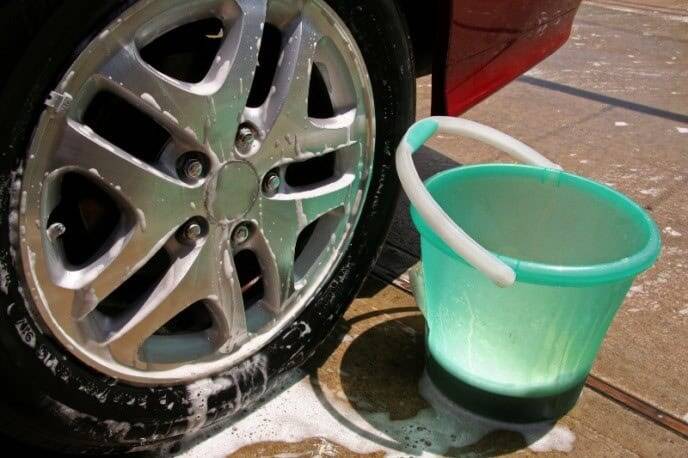
Credit: www.303products.com.au
Applying Cleaner
Cleaning alloy wheels starts with applying the right cleaner. This step removes dirt and brake dust. Proper application helps the cleaner work well.
Use the correct amount of cleaner for each wheel. Too much or too little can affect results. The next sections explain how to apply cleaner properly and let it work.
Proper Application Techniques
Spray the cleaner evenly on the wheel surface. Cover all areas, including inside spokes and hard-to-reach spots. Avoid spraying on hot wheels or direct sunlight.
Use a soft brush or sponge to spread the cleaner if needed. This helps lift dirt without scratching the metal. Always follow the cleaner’s instructions for best results.
- Spray from 6 to 12 inches away
- Cover entire wheel surface
- Use gentle tools to spread cleaner
- Avoid hot or sunny conditions
- Check product instructions before use
Allowing Cleaner To Work
Let the cleaner sit on the wheel for a few minutes. This time allows it to break down brake dust and grime. Do not let the cleaner dry completely on the wheel.
Watch the cleaner change color or bubble. This shows it is working. Rinse off the cleaner fully before it dries. Leaving cleaner on too long can damage the alloy finish.
- Wait 3 to 5 minutes after application
- Look for color change or bubbling
- Do not let cleaner dry on wheel
- Rinse thoroughly with water
Scrubbing The Wheels
Cleaning alloy wheels well needs the right scrubbing tools. These tools remove dirt and brake dust easily.
Using the right brushes and reaching all areas helps keep wheels looking new and shiny.
Selecting The Right Brushes
Choose brushes that match the shape and size of your wheels. Soft bristles prevent scratches on the metal.
- Use a wheel brush with soft nylon bristles for general cleaning.
- Pick a smaller detail brush for tight spaces and spokes.
- Choose a long-handled brush to reach deep parts without bending.
- Consider a sponge or mitt for gentle scrubbing on delicate finishes.
Cleaning Hard-to-reach Areas
Hard-to-reach spots need special care to remove all grime. Use tools that fit well in tight spaces.
| Tool | Best Use |
| Thin detail brush | Between spokes and lug nuts |
| Foam swab | Inside deep crevices |
| Toothbrush | Small areas with stubborn dirt |
| Microfiber cloth | Final wipe to remove residue |
Rinsing And Drying
Cleaning alloy wheels keeps them shiny and in good condition. Rinsing and drying are crucial steps in this process.
Proper rinsing removes dirt and brake dust. Effective drying prevents water spots and keeps wheels looking great.
Thorough Rinse Methods
Rinsing is vital to remove loose dirt from alloy wheels. Use a hose with steady water pressure.
Start at the top of the wheel and move downwards. This ensures dirt flows off and doesn’t resettle.
- Use a hose with a spray nozzle for better coverage
- Pay attention to hard-to-reach areas
- Repeat rinsing if dirt remains
Effective Drying Tips
Drying alloy wheels prevents water spots. Use a soft, clean microfiber towel.
Pat the wheels dry instead of wiping. This avoids scratching the surface and keeps the finish smooth.
- Use a leaf blower to remove water from crevices
- Finish with a dry towel to polish the wheels
- Ensure all moisture is removed to prevent rust
Polishing For Shine
Polishing alloy wheels gives them a bright and shiny look. It protects the wheels from dirt and damage.
Follow these steps to make your alloy wheels sparkle like new.
Choosing A Suitable Polish
Selecting the right polish is important for the best results. A good polish removes dirt and adds shine.
- Look for polishes made for alloy wheels
- Check that the polish is non-abrasive
- Read reviews to see what others recommend
Applying Polish Correctly
Applying polish the right way makes all the difference. Follow these steps for a smooth and shiny finish.
- Wash the wheels thoroughly to remove dirt
- Dry the wheels with a soft cloth
- Apply a small amount of polish on a clean cloth
- Rub the polish onto the wheel in circular motions
- Buff the wheel with a dry cloth to enhance shine
Sealing And Protecting
Cleaning alloy wheels is important, but sealing them keeps them safe longer. Sealants protect wheels from dirt and damage.
Proper sealing makes future cleaning easier. It also keeps the wheels shiny and strong against weather.
Benefits Of Wheel Sealants
Wheel sealants create a protective layer on your wheels. This layer stops brake dust and grime from sticking.
Sealants also help prevent corrosion and fading caused by sun and rain. They keep wheels looking new for longer.
- Protects against dirt and brake dust
- Prevents corrosion and rust
- Shields wheels from UV damage
- Makes cleaning faster and easier
- Keeps wheels shiny and bright
How To Apply Sealant
Start with clean and dry wheels. Remove all dirt and brake dust before sealing.
Apply a small amount of sealant on a soft cloth or applicator pad. Spread it evenly on the wheel surface.
- Work in small sections for better coverage
- Use circular motions to apply sealant
- Let the sealant dry for a few minutes
- Buff the wheels with a clean cloth for shine
- Repeat if needed for extra protection
Maintenance Tips
Keeping alloy wheels clean helps them last longer and look good. Regular care stops dirt and grime from building up.
Simple cleaning steps can protect your wheels from damage and stains. Follow easy tips to keep them shiny.
Regular Cleaning Schedule
Clean your alloy wheels at least once every two weeks. This stops brake dust and road dirt from sticking.
Rinse wheels with water before scrubbing. Use a soft brush and mild soap to avoid scratches.
- Wash wheels after every long trip
- Dry wheels with a clean cloth
- Use special wheel cleaner monthly
Preventing Damage And Stains
Avoid harsh chemicals that can harm the wheel’s finish. Choose cleaners made for alloy wheels.
Protect wheels from brake dust and salt by washing often. Apply a wheel sealant to create a barrier.
- Do not use wire brushes or hard tools
- Check wheels for chips or scratches regularly
- Fix small damages quickly to stop rust
- Park away from areas with heavy road salt

Credit: www.youtube.com

Credit: guerreromobilemechanics.com
Frequently Asked Questions
How Often Should I Clean Alloy Wheels?
Clean alloy wheels every two weeks to prevent brake dust buildup. Frequent cleaning maintains shine and prevents corrosion. Adjust frequency if you drive in harsh conditions or on salted roads.
What Cleaning Products Are Safe For Alloy Wheels?
Use pH-balanced wheel cleaners designed for alloys. Avoid acidic or abrasive products, as they can damage the finish. Always check the product label for compatibility with alloy wheels.
Can I Clean Alloy Wheels With Household Items?
Yes, mild soap and water work well for light cleaning. Avoid harsh chemicals or abrasive tools. For tougher grime, specialized wheel cleaners are more effective and safer.
Should I Dry Alloy Wheels After Washing?
Yes, drying prevents water spots and corrosion. Use a microfiber cloth to gently dry wheels after rinsing. This maintains the wheel’s appearance and longevity.
Conclusion
Cleaning alloy wheels regularly keeps them looking shiny and new. Dirt and brake dust can damage the finish over time. Using the right tools and cleaners makes the job easier and safer. Small steps done carefully protect your wheels from scratches and stains.
Clean wheels also help your car look well cared for. Take time to rinse and dry properly to avoid water spots. Your wheels will stay bright and last longer with simple care. Keep this guide handy for easy cleaning anytime.







