
Your safety on the road starts with one simple check: your tire tread. But how do you know when it’s worn out and needs replacing?
Ignoring this can lead to slippery drives, longer stops, and even dangerous accidents. You’ll learn clear and easy ways to spot over worn tire tread before it puts you at risk. Keep reading to protect yourself, your passengers, and your vehicle with just a few quick checks.

Credit: tireonway.com
Signs Of Worn Tire Tread
Tire tread wears down over time with use. It is important to spot the signs early. Worn tire tread can cause unsafe driving.
Look closely at your tires for damage or changes. These signs help you decide if you need new tires.
Tread Depth Indicators
Tread depth indicators are small bars inside the grooves of your tire. They show when tread is too low. If the tread is level with these bars, the tire is worn out.
Low tread depth reduces grip on wet roads and increases the risk of skidding. You can check depth with a tread depth gauge or a coin.
- Use a tread depth gauge to measure the grooves
- If the tread is less than 2/32 inch, replace the tire
- Use a penny: insert it into the tread with Lincoln’s head down
- If you see the top of Lincoln’s head, tread is too shallow
Visible Cracks And Bulges
Cracks on the tire sidewall or tread show the rubber is aging or damaged. Bulges or blisters mean the tire has weak spots. These issues can cause tire failure.
Check tires for any cracks or bulges before driving. If you see these signs, do not drive long distances. Replace the tire as soon as possible.
- Cracks can appear from dry rot or sunlight damage
- Bulges indicate internal damage to tire structure
- Both signs increase the risk of tire blowouts
Uneven Wear Patterns
Uneven wear means some parts of the tire wear faster than others. This can cause poor handling and shorter tire life. Uneven wear often results from bad alignment or unbalanced tires.
Look for these wear patterns: inside edge wear, outside edge wear, or center wear. These patterns tell you what might be wrong with your tires or vehicle.
- Inside edge wear often means poor wheel alignment
- Outside edge wear can be caused by underinflation
- Center wear usually shows overinflation
- Patchy or cupped wear can indicate suspension problems
Measuring Tread Depth
Tire tread depth shows how much life is left in your tires. It helps you know if your tires are safe to drive on. Measuring tread depth is simple and important.
There are easy ways to check tread depth. You can use special tools or common coins. This guide explains two popular ways.
Using A Tread Depth Gauge
A tread depth gauge is a small tool made for measuring tire tread. It gives an exact reading in millimeters or 32nds of an inch.
To use it, insert the probe into the tire groove. Press the base flat against the tread. Read the number on the scale. If the tread is below 2/32 inch, the tire is too worn.
- Place the gauge probe in the deepest groove
- Push the base of the gauge flat on the tire surface
- Note the measurement shown on the scale
- Repeat in several places around the tire
The Penny Test Method
The penny test is a quick way to check tread depth. You only need a penny coin. This test shows if your tires need replacing.
Hold the penny with Lincoln’s head facing down. Insert it into the tire groove. If you see all of Lincoln’s head, the tread is too low. Your tires should be replaced for safety.
- Place penny headfirst into the tire tread
- Look at how much of Lincoln’s head is covered
- If the top of the head is visible, tread is low
- Check multiple spots on each tire
Risks Of Over Worn Tires
Over worn tires lose their ability to grip the road properly. This can cause serious safety problems for drivers and passengers.
Knowing the risks helps you understand why tire maintenance is important. It can keep you safe on the road.
Reduced Traction
Worn tires have less tread, which reduces traction. This makes it harder to control the vehicle on dry, wet, or icy roads.
- Slippery roads increase the chance of skidding.
- Turning becomes less stable.
- Acceleration can cause tire spin.
Increased Hydroplaning Risk
When tires are worn, water cannot be pushed away easily. This raises the risk of hydroplaning on wet roads.
- Tire treads are too shallow to channel water.
- Water builds between the road and tire.
- The vehicle loses contact with the road surface.
Longer Stopping Distances
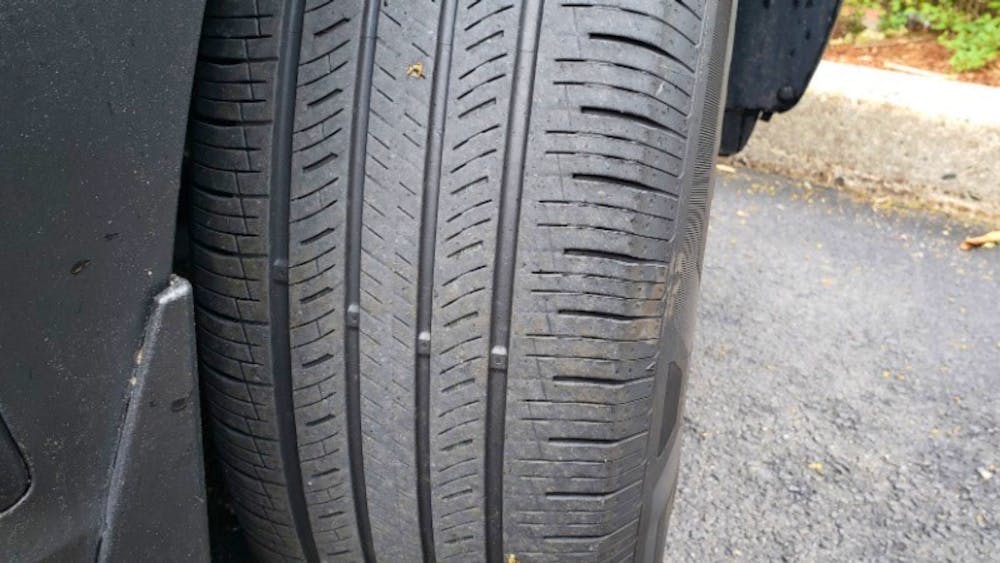
Over worn tires increase the distance needed to stop a vehicle. This can cause accidents in emergencies.
| Road Condition | Stopping Distance with New Tires | Stopping Distance with Over Worn Tires |
|---|---|---|
| Dry | 30 meters | 45 meters |
| Wet | 40 meters | 70 meters |
| Snowy | 60 meters | 90 meters |
Credit: www.cartalk.com
Maintenance Tips To Extend Tread Life
Tire tread wears down over time from driving. Proper care helps your tires last longer. Check your tires often to spot wear early.
Following simple maintenance steps keeps tread healthy. This improves safety and saves money on new tires.
Regular Tire Rotation
Rotating tires moves them to different positions on the vehicle. This spreads out wear evenly across all tires.
Front tires wear faster on front-wheel drive cars. Rotation helps balance this wear and extends tread life.
- Rotate tires every 5,000 to 8,000 miles
- Follow your car maker’s rotation pattern
- Rotate more often if you drive on rough roads
Proper Inflation
Keep tires inflated to the pressure recommended by your vehicle. Wrong pressure causes uneven tread wear.
Underinflated tires wear on the edges. Overinflated tires wear more in the center. Check tire pressure monthly.
- Use a reliable tire gauge
- Check pressure when tires are cold
- Adjust pressure for heavy loads or long trips
Wheel Alignment Checks
Wheel alignment means the tires point in the right direction. Poor alignment causes uneven tread wear and handling issues.
Get your alignment checked if you notice your car pulling to one side. Regular checks help tires wear evenly and last longer.
- Check alignment yearly or after hitting a pothole
- Misalignment causes fast wear on one side of tires
- Proper alignment improves fuel efficiency and safety
When To Replace Your Tires
Tires wear down as you drive. It is important to know when to replace them. Worn tires can be unsafe and cause accidents.
Checking your tire tread helps you decide if the tires are still good. There are legal rules and other signs to watch for.
Legal Tread Depth Limits
The law says tires must have enough tread depth to be safe. Tread is the part that touches the road. It helps your car grip the surface.
Most places require at least 2/32 of an inch tread depth. Below this, tires are illegal and unsafe. You should measure tread depth often.
- Use a tread depth gauge or a penny test
- If tread is below 2/32 inch, replace the tire
- Deep tread helps prevent skidding and hydroplaning
Signs Beyond Tread Wear
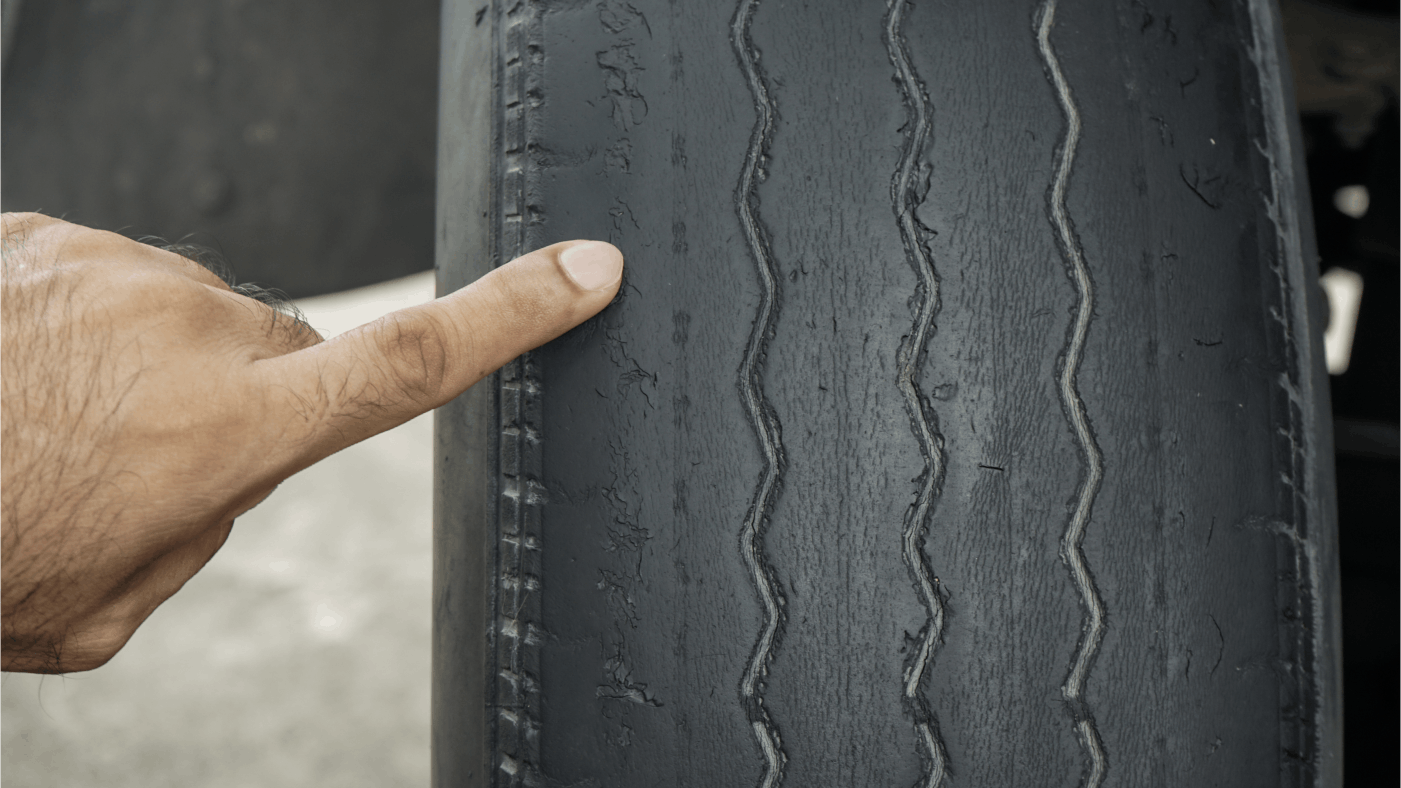
Tires can have problems besides tread wear. Look for cracks, bulges, and uneven wear. These signs mean you should replace your tires soon.
Other warning signs include vibration while driving or frequent air loss. These problems can cause tire failure and accidents.
- Cracks or cuts in sidewalls
- Bulges or blisters on tire surface
- Uneven tread wear patterns
- Vibration or shaking when driving
- Frequent tire pressure loss
Credit: easyauto123.com.au
Frequently Asked Questions
What Are The Signs Of Over Worn Tire Tread?
Over worn tire tread shows shallow grooves and smooth areas. Tires lose grip, causing poor handling and increased stopping distance. Uneven wear or visible tread wear indicators also signal over worn tires. Regularly check tread depth with a gauge to ensure safety.
How To Measure Tire Tread Depth Accurately?
Use a tread depth gauge or a penny test to measure depth. Insert the tool into the tread grooves to check depth. Tires should have at least 2/32 inch tread to be safe. Replace tires when tread reaches this minimum to avoid accidents.
Why Is Over Worn Tire Tread Dangerous?
Over worn tire tread reduces traction on wet or slippery roads. It increases the risk of hydroplaning and longer braking distances. This compromises vehicle control and safety. Driving on worn tires can lead to accidents and costly repairs.
How Often Should Tire Tread Be Inspected?
Inspect tire tread every month and before long trips. Regular checks help spot uneven wear or damage early. This ensures timely tire replacement and safe driving conditions. Frequent inspections extend tire life and improve vehicle performance.
Conclusion
Checking tire tread helps keep you safe on the road. Worn tires can cause accidents and reduce fuel efficiency. Use simple tools like a penny or tread depth gauge to measure tread. Watch for uneven wear or smooth spots on your tires.
Replace tires when tread is too low to avoid problems. Regular tire checks save money and prevent trouble. Stay alert and keep your tires in good shape. Safe driving starts with good tire care.







