
Have you ever felt your car shake or heard a strange vibration while driving? That annoying wobble might be a sign your tires aren’t balanced properly.
Understanding what tire dynamic balance means can save you from uncomfortable rides, uneven tire wear, and costly repairs. You’ll discover exactly how tire dynamic balance works, why it matters for your safety and comfort, and how you can keep your vehicle running smoothly.
Keep reading—your car will thank you.

Credit: www.youtube.com
Tire Dynamic Balance Basics
Tire dynamic balance means the tire spins evenly without wobbling. It helps the vehicle run smoothly. Balanced tires reduce wear and tear on suspension parts.
When tires are out of balance, you feel vibrations in the steering wheel or seat. Dynamic balancing corrects weight differences around the tire and wheel assembly.
What Causes Tire Imbalance
Tire imbalance happens from uneven weight distribution. Some common causes include:
- Manufacturing defects in the tire
- Uneven tire wear over time
- Wheel damage like bends or dents
- Improper mounting of the tire on the rim
- Accumulated dirt or debris on the wheel
Effects On Vehicle Performance
Imbalanced tires affect how your vehicle drives and feels. Problems include uneven tire wear and poor handling. Vibrations can cause driver fatigue on long trips.
| Effect | Description |
| Vibration | Shaking felt in steering wheel or seat |
| Uneven Tire Wear | Tires wear faster on some parts |
| Suspension Damage | Extra stress on shocks and struts |
| Reduced Fuel Efficiency | Vehicle uses more fuel to maintain speed |
| Poor Handling | Car feels less stable, especially at high speeds |

Credit: www.youtube.com
Signs Of Imbalanced Tires
Tire imbalance happens when weight is unevenly spread on the tire and wheel. This causes problems while driving. It can make your ride rough and damage the tires early.
Below are common signs that tell you your tires might be out of balance. Watch for these to keep your car safe and smooth on the road.
Vibrations While Driving
If your car shakes or vibrates when driving, it might be due to imbalanced tires. You often feel this in the steering wheel or the seat. The vibration usually grows stronger with speed.
This happens because the tire’s weight is not even. The wheel wobbles and causes the car to shake. Fixing the balance will stop the vibrations.
Uneven Tire Wear
Imbalanced tires wear out unevenly. One part of the tire may lose tread faster than others. This reduces tire life and can cause unsafe driving conditions.
- Check if the tire tread looks different across the surface.
- Look for bald spots or areas with less tread.
- Notice if some tires wear faster than others.
Steering Wheel Issues
| Problem | Possible Cause | Effect |
|---|---|---|
| Steering wheel shakes | Tire imbalance | Hard to control the vehicle |
| Steering wheel off-center | Wheel alignment and balance issues | Uneven tire wear and poor handling |
| Steering wheel feels loose | Suspension or tire problems | Unsafe driving experience |
How Dynamic Balancing Works
Tire dynamic balancing helps fix vibrations in the car. It makes the ride smooth and safe.
This balancing works while the tire spins. It finds and corrects uneven weight in the tire and wheel.
Balancing Process Explained
The tire and wheel are placed on a balancing machine. The machine spins them at high speed.
The machine detects where the tire is heavier or lighter. It shows where to add small weights to balance it.
- The wheel spins on the machine.
- Sensors find vibration and weight gaps.
- Weights are added to balance the tire.
- The process repeats until balanced.
Equipment Used
Balancing machines are the main tools for dynamic balancing. They come in different types and sizes.
Other tools include small weights and wheel cleaning tools. These help fix the balance properly.
- Dynamic balancing machine
- Wheel weights (clip-on or adhesive)
- Wheel cleaning brushes
- Mounting and demounting tools
Static Vs Dynamic Balancing
Static balancing checks weight distribution on a single plane. It stops the wheel from moving up and down.
Dynamic balancing checks weight on two planes. It stops side-to-side wobbling and vibrations.
- Static balancing:Balances weight on one side of the wheel.
- Dynamic balancing:Balances weight on both sides of the wheel.
- Dynamic balancing provides better ride quality.
- Static balancing is simpler but less effective.
Benefits Of Proper Tire Balance
Tire dynamic balance means the tire spins evenly without wobbling. It helps the vehicle move smoothly and safely.
Proper tire balance prevents vibrations and uneven tire wear. It keeps the ride comfortable and saves money on repairs.
Improved Ride Comfort
Balanced tires reduce shaking in the steering wheel and seat. This makes driving less tiring and more pleasant.
When tires are balanced, the car moves smoothly on the road. You feel fewer bumps and vibrations.
Enhanced Tire Longevity
Proper balance stops uneven tire wear. This means tires last longer and need fewer replacements.
Balanced tires wear evenly across the surface. This helps keep good traction and improves safety.
Better Fuel Efficiency
Balanced tires reduce rolling resistance. The engine uses less fuel to move the car forward.
Saving fuel lowers costs and reduces pollution. Balanced tires help the vehicle run more efficiently.
When To Balance Your Tires
Tire dynamic balance keeps your car running smoothly. It stops vibrations and uneven tire wear.
Knowing when to balance your tires helps maintain safety and comfort while driving.
After Tire Installation
New tires or wheels need balancing before you drive. This ensures smooth rotation and prevents shaking.
Balancing after installation helps tires wear evenly and lasts longer.
Routine Maintenance
Check tire balance during regular car maintenance. Tires can lose balance over time from normal driving.
Balancing tires regularly improves fuel efficiency and ride comfort.
- Every 5,000 to 6,000 miles is a good rule
- When you rotate tires, check balance too
- Listen for vibrations or shaking while driving
After Impact Or Damage
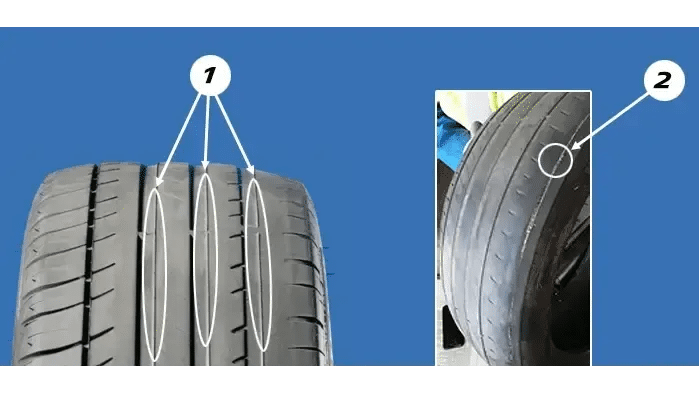
Hitting a pothole or curb can unbalance tires. Check balance after any strong impact.
Balancing after damage prevents uneven wear and unsafe driving conditions.
- Feel vibrations in the steering wheel
- Notice uneven tire wear or damage
- Get a balance check after repairs or replacements
Credit: www.michelin.ca
Diy Vs Professional Balancing
Tire dynamic balance is important for a smooth ride. It keeps your tires from wearing unevenly. You can balance your tires at home or go to a professional.
Each method has its own tools and advantages. Let’s explore what you need for DIY balancing and why a professional service might be beneficial.
Tools Needed For Diy
Balancing tires at home requires some tools. These help you do the job right.
- Jack and jack stands to lift the car
- Tire balancer or balancing beads
- Wrench to remove and install tires
- Weights to balance the tires
Advantages Of Professional Service
Professional tire balancing services offer several benefits. They have the right equipment and skills.
Professionals ensure precision. They make sure your tires are balanced correctly. This prevents vibrations and extends tire life.
| Benefit | Explanation |
| Accuracy | Professionals use advanced machines for precise balancing. |
| Time-Saving | They complete the job faster than DIY methods. |
| Expertise | Trained technicians handle different types of tires. |
Common Balancing Mistakes
Tire dynamic balance is crucial for smooth driving. Mistakes in balancing can cause problems.
Understanding common mistakes helps keep your ride comfortable and safe.
Ignoring Imbalance Signs
Signs of imbalance often appear early. Ignoring them can lead to bigger issues.
- Vibration in the steering wheel
- Uneven tire wear
- Increased fuel consumption
Incorrect Weight Placement
Placing weights incorrectly affects tire balance. This can make driving uncomfortable.
- Use the correct weight size
- Ensure weights are evenly distributed
- Avoid placing weights on dirty surfaces
Future Trends In Tire Balancing
Tire balancing keeps vehicles running smoothly and safely. It reduces vibrations and tire wear. New technology is changing how balancing works.
Future trends in tire balancing focus on smart systems and better data use. These trends improve accuracy and ease of maintenance.
Smart Balancing Technologies
Smart balancing uses sensors and software inside tires. These systems detect imbalances in real time. They adjust balance while the vehicle moves.
- Automatic weight adjustment inside tires
- Wireless communication with vehicle systems
- Real-time imbalance alerts to drivers
- Longer tire life and better fuel efficiency
Integration With Vehicle Sensors
Vehicle sensors monitor speed, suspension, and road conditions. They share data with tire balancing systems. This helps create a full picture of tire health.
| Sensor Type | Data Provided | Benefit to Tire Balancing |
| Speed Sensor | Wheel rotation speed | Detects imbalance at different speeds |
| Suspension Sensor | Shock and vibration levels | Adjusts balance to smooth road shocks |
| Temperature Sensor | Tire temperature | Prevents overheating from imbalance |
| Pressure Sensor | Tire air pressure | Ensures correct inflation for balance |
Frequently Asked Questions
What Is Tire Dynamic Balance In Simple Terms?
Tire dynamic balance ensures even weight distribution around a tire and wheel. It reduces vibrations and improves ride comfort. This process prevents uneven tire wear and enhances vehicle safety.
Why Is Tire Dynamic Balance Important For Vehicles?
Proper tire dynamic balance prevents vibrations and steering wheel shake. It extends tire life and improves fuel efficiency. Balanced tires ensure safer, smoother driving experiences.
How Often Should Tire Dynamic Balance Be Checked?
Tire dynamic balance should be checked every 5,000 to 7,000 miles. It’s essential after tire replacements or repairs. Regular checks maintain optimal tire performance and safety.
What Happens If Tire Dynamic Balance Is Ignored?
Ignoring tire dynamic balance causes uneven tire wear and vibrations. It can damage suspension components and reduce fuel efficiency. This neglect compromises vehicle safety and driving comfort.
Conclusion
Tire dynamic balance keeps your ride smooth and safe. It stops vibrations and uneven tire wear. Balanced tires help your car handle better. Regular checks save money on repairs and fuel. Don’t ignore tire balance for a more comfortable drive.
Simple, quick, and important for every vehicle owner. Keep your tires balanced for a safer journey.







