
Scratches on your alloy wheels can ruin the look of your entire car. You might feel frustrated every time you see those marks, wondering if there’s an easy way to fix them.
The good news? You don’t need to spend a fortune or visit a shop to restore your wheels’ shine. You’ll discover simple, effective methods to remove scratches from your alloy wheels—quickly and safely. Keep reading, and you’ll have your wheels looking like new in no time.

Credit: www.reddit.com
Identify Scratch Types
Alloy wheels can get scratched in different ways. Knowing the type of scratch helps you fix it properly.
Scratches vary by how deep they are and what caused them. Let’s look at common types of scratches.
Surface Scratches
Surface scratches are light marks on the clear coat of the wheel. They don’t go deep into the metal.
These scratches often happen from small stones or dirt while driving. They are mostly cosmetic.
Deep Scratches
Deep scratches cut through the paint and may reach the metal underneath. They look more serious than surface scratches.
These scratches can cause rust if not fixed. They usually happen from hitting sharp objects or rough surfaces.
Curb Rash
Curb rash occurs when the wheel rubs against a curb or hard edge. It causes rough, scraped areas on the wheel.
This damage often includes scratches, gouges, and sometimes bent metal. It is common in tight parking spots.
Gather Required Tools
Removing scratches from alloy wheels needs the right tools. These tools help make the job easier and more effective.
Before starting, gather everything you need. This saves time and ensures a smooth process.
Cleaning Supplies
You need to clean the wheels before fixing scratches. Dirt and grease can block the repair process.
- Wheel cleaner spray
- Soft cloths or microfiber towels
- Bucket with water
- Car soap
- Brush for scrubbing
Sanding Materials
Sanding helps smooth out scratches and rough spots. Different sandpapers work best for different steps.
| Material | Use |
| 400 grit sandpaper | Remove deep scratches |
| 800 grit sandpaper | Smooth edges |
| 1200 grit sandpaper | Finish sanding for polishing |
Filling Compounds
Filling compounds cover scratches and dents. They create a smooth surface before polishing.
Use a putty or filler made for alloy wheels. It should dry fast and be easy to sand.
Polishing Tools
Polishing tools restore shine and smoothness. They help blend repairs with the wheel’s surface.
- Polishing compound or paste
- Microfiber polishing cloths
- Electric polisher (optional)
- Buffing pads
Protective Gear
Protect yourself while working on the wheels. Some tools and chemicals can harm your skin or eyes.
- Safety goggles
- Gloves
- Dust mask
- Old clothes or a work apron
Clean The Alloy Wheels
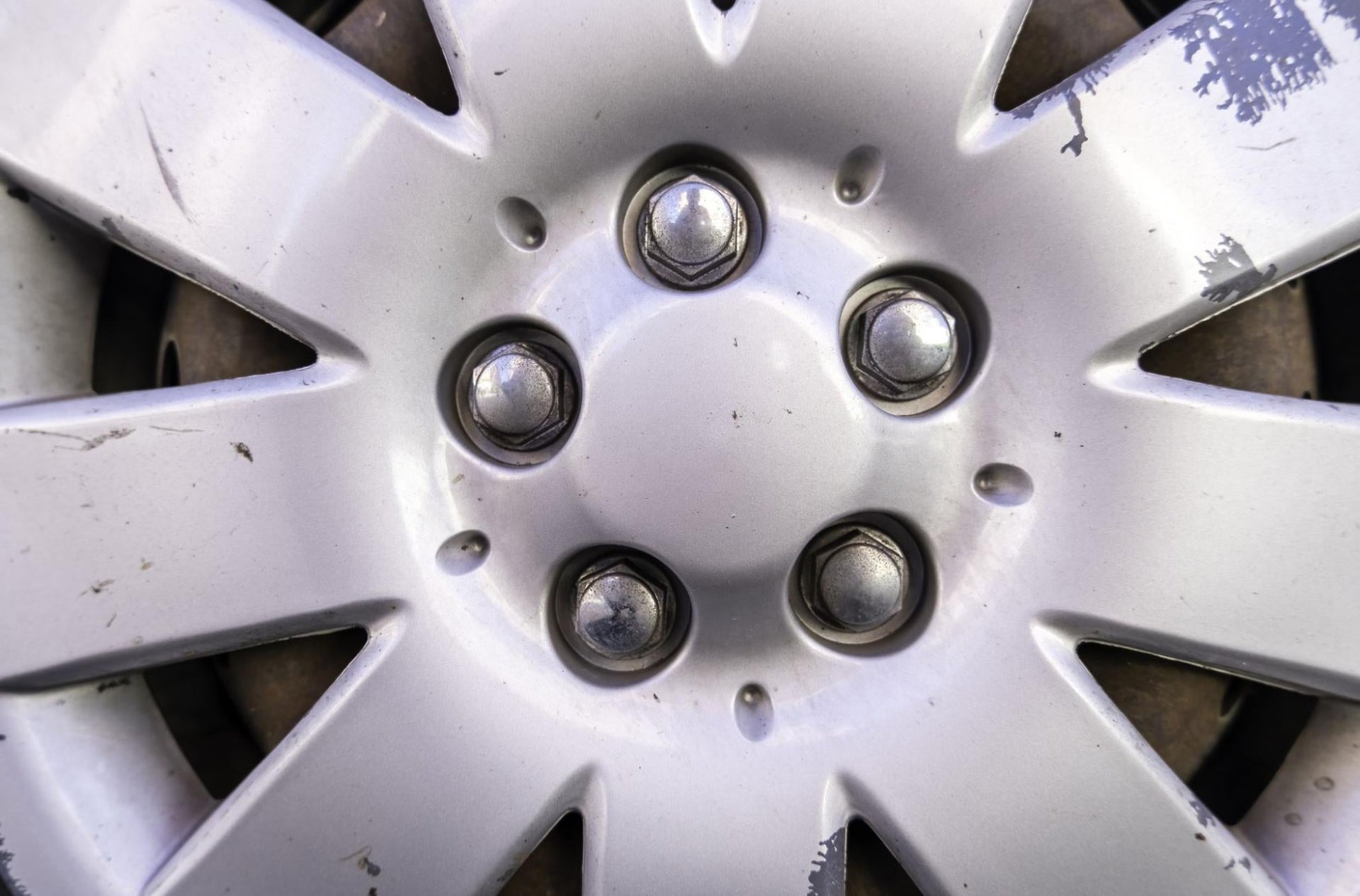
Cleaning alloy wheels is important before fixing scratches. Dirt and grime can hide the damage. Clean wheels help you see scratches clearly.
Proper cleaning also prepares the surface for repair. It helps the repair products stick better. This makes the scratch removal last longer.
Remove Dirt And Debris
Start by removing loose dirt and debris from the wheels. Use a soft brush or cloth to avoid scratching the surface. This step prevents further damage.
Use a gentle wheel cleaner made for alloy wheels. Spray it on and let it sit for a few minutes. Then rinse with water to wash away dirt and grease.
- Use a soft brush or sponge
- Avoid harsh chemicals or abrasives
- Rinse thoroughly with clean water
Drying Techniques
Dry the wheels carefully after cleaning. Use a microfiber cloth to avoid scratches. Do not let water spots form on the surface.
Pat the wheels dry instead of rubbing hard. Make sure to dry all areas, including tight spots. This prevents rust and prepares the wheel for repair.
Credit: www.gforcestyling.com
Sand The Scratched Area
Sanding is an important step to fix scratches on alloy wheels. It smooths the damaged area before painting or sealing.
Careful sanding helps blend the scratch into the rest of the wheel. This makes the repair less visible.
Choosing The Right Sandpaper
Pick sandpaper with the correct grit for alloy wheels. Start with coarse grit to remove deep scratches.
Use finer grit sandpaper to smooth the surface after the scratch looks less rough. Avoid very rough sandpaper that can cause more damage.
- Use 240-grit sandpaper for deep scratches
- Use 400 to 600-grit for smoothing
- Avoid grit lower than 240 to protect the wheel
Sanding Process Steps
Clean the wheel before sanding to remove dirt and grease. Dry it well to avoid clogging the sandpaper.
Sand the scratched area gently. Use even pressure and move in a circular motion to blend the scratch.
- Wear protective gloves and a mask
- Start sanding with coarse grit on the scratch
- Switch to finer grit to smooth the surface
- Wipe the area with a clean cloth after sanding
- Check the scratch; repeat if needed
Apply Filler For Deep Scratches
Deep scratches on alloy wheels need extra care to restore their look. Using filler helps smooth out the damaged area before painting.
Choosing the right filler and applying it properly ensures a strong, lasting repair.
Selecting The Filler
Pick a filler made for metal or alloy wheels. Some fillers dry fast and hard, while others stay flexible. Choose one that matches your wheel’s material and the size of the scratch.
- Use epoxy fillers for strong, durable repairs.
- Polyester fillers are easy to shape and sand.
- Avoid fillers not designed for metal surfaces.
- Check if the filler is paintable after drying.
Application Tips
Prepare the scratched area by cleaning and sanding it smooth. Apply the filler in thin layers to avoid cracks and shrinking. Shape the filler as it dries to fit the wheel’s contour.
| Tip | Reason |
|---|---|
| Clean and sand surface | Helps filler stick better |
| Apply thin layers | Prevents cracking and shrinkage |
| Use a spreader tool | Ensures smooth application |
| Shape filler while soft | Makes sanding easier later |
Drying Time
Let the filler dry completely before sanding or painting. Drying time varies by brand and layer thickness. Read the product instructions for best results.
- Wait at least 30 minutes for thin layers.
- Thicker layers may need a few hours to dry.
- Test dryness by gently pressing the filler.
- Sanding is easier when the filler is fully hard.
Smooth The Surface
Alloy wheels can get scratches over time. Smoothing the surface helps restore their look.
It’s important to follow steps carefully. This ensures the wheels look their best.
Fine Sanding
Fine sanding removes small scratches from alloy wheels. Use sandpaper with a fine grit.
- Start with 1200 grit sandpaper.
- Move to 1500 grit for a smoother finish.
- Finish with 2000 grit to polish the surface.
Surface Inspection
Inspect the surface after sanding. Look for remaining scratches or uneven spots.
| Inspection Item | Check For |
| Scratches | Ensure they are gone |
| Evenness | Surface should be smooth |
| Shine | Polished and reflective |
Polish The Alloy Wheels
Polishing your alloy wheels can make them look brand new. It’s a simple process that you can do at home.
This guide will help you choose the right polish and show you the best polishing techniques.
Choosing A Polish
Selecting the right polish is important for achieving a smooth finish. Not all polishes are the same.
- Check the polish label for alloy wheel compatibility.
- Avoid abrasive polishes that can harm the wheel surface.
- Consider eco-friendly options for safer use.
Polishing Techniques
Effective polishing techniques ensure a glossy and scratch-free finish on your alloy wheels.
Follow these steps for a professional polish:
- Apply a small amount of polish to a soft cloth.
- Rub the polish onto the wheel in a circular motion.
- Buff the wheel with a clean, dry cloth for a shiny look.
Protect The Wheels
Keeping alloy wheels free from scratches helps maintain their look. Protecting them with the right products can save time and money. Proper care keeps wheels strong and shiny.
Use sealants and coatings to create a barrier on your wheels. This layer guards against dirt, grime, and scratches. Regular maintenance extends the life of the coating.
Sealants And Coatings
Apply a good sealant or coating after cleaning your wheels. These products protect against scratches and corrosion. They also make cleaning easier by repelling dirt.
- Choose a product made for alloy wheels
- Clean wheels thoroughly before applying
- Follow the product instructions carefully
- Allow the coating to dry completely
- Reapply every few months for best results
Maintenance Tips
| Maintenance Task | Frequency | Benefit |
|---|---|---|
| Wash wheels with mild soap | Weekly | Removes dirt and brake dust |
| Inspect for scratches and chips | Monthly | Catch damage early |
| Apply wax or sealant | Every 3 months | Protects surface from damage |
| Avoid harsh chemicals | Always | Prevents coating damage |
When To Seek Professional Help
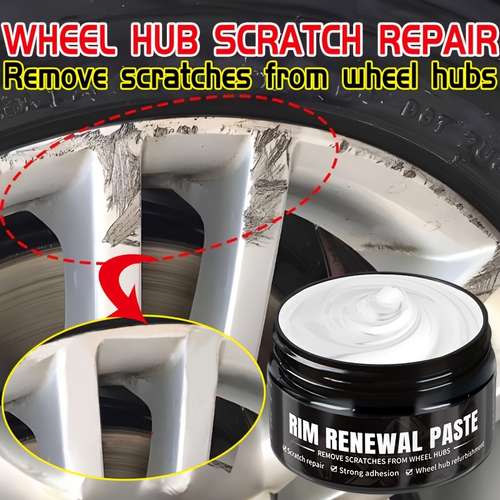
Scratches on alloy wheels can often be fixed at home. Small scratches usually need light sanding and polishing. But some damage is too big or unsafe to fix yourself.
Knowing when to get help from a professional can save your wheels and keep your car safe. Here are key signs you need expert repair.
Severe Damage
Deep scratches or dents that change the wheel shape need professional help. These issues can weaken the wheel. A professional can check for cracks and fix the damage properly.
Trying to fix severe damage yourself may make it worse. Professionals have the right tools and materials to restore the wheel safely.
Safety Concerns
If the scratch affects the wheel’s structure or causes air leaks in tires, see a professional. Damaged wheels can lead to accidents. Safety should always come first.
Check for vibrations, unusual noises, or tire pressure drops. These signs mean your wheel may need expert inspection and repair.
Credit: feedtheball.com
Frequently Asked Questions
How Can I Remove Minor Scratches From Alloy Wheels?
Use fine sandpaper to smooth the scratch gently. Clean the area, then apply a matching alloy wheel polish to restore shine. Finish with a clear coat to protect the surface.
What Materials Do I Need To Fix Alloy Wheel Scratches?
You need fine sandpaper, alloy wheel cleaner, polish, touch-up paint, and clear coat. These materials help clean, smooth, and protect the scratched wheel surface effectively.
Can Diy Methods Fully Restore Scratched Alloy Wheels?
DIY methods work well for minor scratches and scuffs. Deep or large scratches may require professional repair for complete restoration and to avoid further damage.
How Long Does It Take To Repair Alloy Wheel Scratches?
Minor scratch repair usually takes 30 minutes to an hour. This includes cleaning, sanding, polishing, and applying protective coatings for best results.
Conclusion
Removing scratches from alloy wheels does not have to be hard. Small scratches can improve with simple cleaning and polishing. Deeper marks may need special kits or professional help. Regular care keeps wheels looking fresh and new. A little attention saves money and time later.
Clean wheels also make your car look better. Start with easy steps and see quick results. Keep your alloy wheels in good shape for longer. Simple actions bring great changes.







