
Are you trying to find the perfect fit for your wheels but keep getting stuck on one key detail—rim offset? Understanding how to measure rim offset can save you from costly mistakes and ensure your vehicle looks great and drives safely.
If you’ve ever wondered what rim offset means, why it matters, or how to check it yourself, you’re in the right place. Keep reading, and you’ll learn simple, step-by-step tips that anyone can follow to get this important measurement right every time.
Your wheels—and your ride—will thank you.

Credit: www.youtube.com
Rim Offset Basics
Rim offset is a key measurement for wheels. It tells how the wheel sits on the car hub. Knowing offset helps choose the right wheels.
Measuring rim offset keeps your car safe and looking good. It also affects how your car drives.
What Is Rim Offset
Rim offset is the distance between the wheel’s mounting surface and the centerline of the wheel. It is measured in millimeters. This number tells if the wheel sits inward or outward on the car.
Positive offset means the mounting surface is toward the front of the wheel. Negative offset means it is toward the back. Zero offset means the surface is right in the middle.
Types Of Offset
There are three main types of rim offset. Each type changes how the wheel fits your car. It also affects handling and tire wear.
- Positive Offset:Mounting surface is closer to the outside. Most front-wheel-drive cars use this.
- Negative Offset:Mounting surface is closer to the inside. This is common on trucks and older cars.
- Zero Offset:Mounting surface is exactly at the centerline of the wheel.
Why Offset Matters
Correct offset keeps wheels from rubbing the car parts. It helps keep the car stable and safe. Wrong offset can cause damage or poor handling.
Offset also changes the look of the car. It can make wheels stick out or sit tucked in. This affects both style and function.
- Prevents tire rubbing on brakes or suspension
- Maintains good steering and handling
- Protects wheel bearings from extra stress
- Affects the overall look of the vehicle

Credit: golfcartstuff.com
Tools Needed
Measuring rim offset requires a few simple tools. Using the right tools helps get accurate results. This guide explains what you need for the job.
Each tool has a specific role. You can use basic tools found at home or more precise instruments for better accuracy.
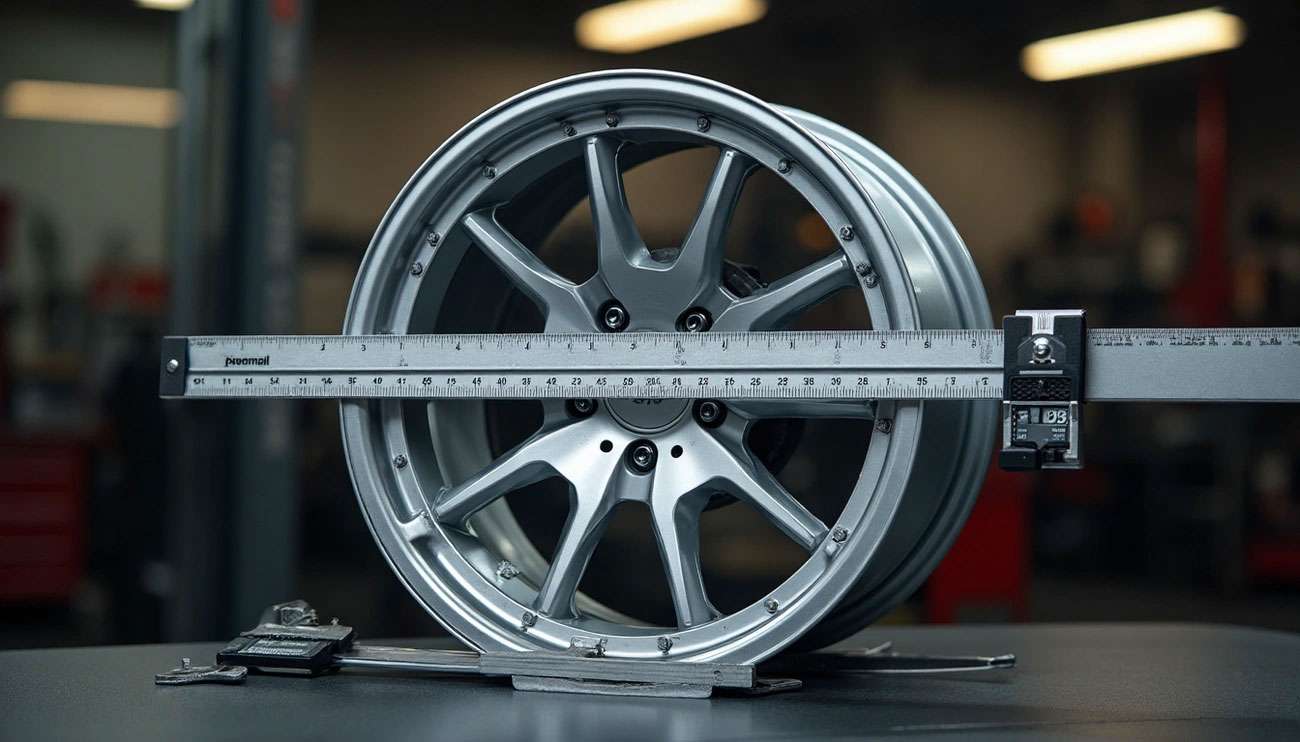
Measuring Tape Or Ruler
A measuring tape or ruler is the first tool you will need. It helps measure distances on the rim. Choose a tape or ruler with clear markings in millimeters or inches.
- Measure the distance from the mounting surface to the rim edge.
- Check the width of the rim if needed.
- Use a flat ruler for better stability.
Caliper Use
A caliper gives more precise measurements. It can measure the exact offset of the rim. Use a digital or vernier caliper for best results.
| Caliper Type | Accuracy | Best Use |
| Digital Caliper | 0.01 mm | Quick and easy readings |
| Vernier Caliper | 0.02 mm | Precise manual measurements |
| Dial Caliper | 0.02 mm | Good for detailed work |
Additional Helpful Tools
Other tools can make measuring rim offset easier. These tools help hold the rim or mark points clearly.
- Marker or pencil for marking points on the rim
- Flat surface or workbench to place the rim steady
- Spirit level to ensure the rim is positioned correctly
- Clamps to hold the rim if needed
Step-by-step Measurement
Measuring rim offset helps you choose the right wheels for your vehicle. It improves fit and performance. Follow these simple steps to measure rim offset correctly.
This guide breaks down the process into clear parts. You will learn how to remove the wheel, measure its width, find the mounting surface, and calculate the offset.
Removing The Wheel
First, safely lift the vehicle using a jack. Make sure the car is stable before removing the wheel.
Use a lug wrench to loosen and remove the lug nuts. Then, carefully take the wheel off the hub.
Measuring Wheel Width
Measure the wheel width from the inside of one rim edge to the inside of the opposite edge. Do not measure the outer lip.
Use a tape measure for accuracy. Record the width in inches or millimeters.
Locating The Mounting Surface
Find the flat surface on the wheel that touches the hub. This is the mounting surface or the hub face.
It lies between the two rim edges and holds the wheel in place on the car.
Calculating The Offset
Measure the distance from the mounting surface to the centerline of the wheel width. The centerline is half the wheel width.
Use this formula to find the offset:
| Offset | = Distance from Mounting Surface to Centerline |
|---|
If the mounting surface is toward the outside edge, the offset is positive. If it is toward the inside edge, the offset is negative.
Common Mistakes To Avoid
Measuring rim offset requires accuracy and attention to detail. Many people make simple mistakes that cause wrong results.
This guide explains common errors and how to avoid them when measuring rim offset.
Incorrect Reference Points
Using the wrong points on the rim to measure can lead to false offset values. Some measure from the outer edge instead of the mounting surface.
- Do not measure from the lip of the rim.
- Always use the wheel’s mounting surface as a reference.
- Check both sides of the rim for consistent points.
Ignoring Wheel Backspacing
Backspacing is different from offset but related. Ignoring it causes confusion about wheel fitment and clearance.
| Term | Definition |
| Offset | Distance from wheel centerline to mounting surface. |
| Backspacing | Distance from mounting surface to the back edge of the rim. |
| Why It Matters | Backspacing affects clearance with brakes and suspension parts. |
Misreading Measurements
Wrong tools or reading errors cause incorrect offset numbers. Measure carefully and double-check results.
Tips to avoid misreading:
- Use a straight ruler or caliper.
- Measure in millimeters for precision.
- Have a second person verify the measurement.
- Record numbers clearly and compare with wheel specs.
Adjusting For Perfect Fit
Measuring rim offset helps you find the right fit for your wheels. Proper offset keeps your wheels aligned and safe.
Adjusting offset improves how your vehicle handles and looks. It also protects your suspension parts.
Choosing The Right Offset
Pick an offset that fits your wheel size and vehicle type. The offset is the distance between the hub mounting surface and the wheel’s centerline.
Wrong offset can cause tire rubbing or stress on wheel bearings.
- Positive offset means the hub is closer to the wheel face.
- Negative offset means the hub is closer to the back of the wheel.
- Zero offset means the hub is exactly at the centerline.
Effects On Handling And Appearance
The right offset keeps your steering smooth and stable. It also helps balance the car during turns.
Appearance changes with offset. Wheels with more positive offset sit deeper in the wheel well. Negative offset wheels stick out more.
- Too much positive offset may reduce handling grip.
- Too much negative offset can cause tire wear.
- Proper offset prevents damage to brakes and suspension.
Consulting Manufacturer Specs
Always check your vehicle’s manual for recommended offset values. Using the manufacturer’s specs ensures safety and performance.
Wheel makers list offset on their products. Compare these numbers with your vehicle’s specs before buying.
- Match offset to avoid fitment issues.
- Consult experts if unsure about changes.
- Follow specs to keep warranty coverage valid.
Credit: www.performanceplustire.com
Frequently Asked Questions
What Is Rim Offset And Why Is It Important?
Rim offset is the distance between the wheel’s mounting surface and its centerline. It affects handling, fitment, and appearance. Proper offset ensures wheels align correctly, preventing tire rubbing or poor vehicle performance. Measuring offset helps choose compatible wheels for safety and optimal driving experience.
How Do I Measure Rim Offset Accurately?
Use a straight edge and a ruler or caliper. Measure the wheel’s centerline by dividing the rim width in half. Then, measure the distance from the mounting surface to the centerline. The offset is positive if the mounting surface is outside the centerline, negative if inside.
Can I Measure Rim Offset Without Removing The Wheel?
No, accurate rim offset measurement requires removing the wheel. This allows you to measure the mounting surface and centerline precisely. Measuring while on the vehicle leads to incorrect results and risks improper wheel fitment or damage during installation.
What Tools Are Needed To Measure Rim Offset?
You need a ruler or caliper, a straight edge, and a flat surface. These tools help measure rim width, centerline, and mounting surface position. Accurate tools ensure precise offset calculation for proper wheel fit and vehicle performance.
Conclusion
Measuring rim offset helps ensure your wheels fit correctly. It affects vehicle handling and safety. Use simple tools like a ruler or tape measure. Know the difference between positive, negative, and zero offset. Always check your measurements twice to avoid mistakes.
Correct rim offset improves ride comfort and tire wear. Understanding this makes wheel selection easier and more confident. Keep these steps in mind for your next wheel upgrade. Simple, clear, and accurate measurements save time and money.







