
When it comes to choosing the right tires for your vehicle, understanding the difference between directional and non-directional tires can make a big impact on your driving experience. You might be wondering which type offers better grip, handles wet roads safer, or lasts longer.
This guide breaks down everything you need to know in simple terms, so you can make the best choice for your car and your safety. Keep reading to discover how the right tires can improve your ride and protect you on the road.
Directional Tires Features
Directional tires are designed to roll in one direction only. This design helps improve how the tire grips the road.
These tires have unique features that make them different from non-directional tires. Understanding these features helps choose the right tire for your needs.
Tread Pattern Design
Directional tires have a V-shaped tread pattern. The pattern points in one direction to push water away from the tire.
This design helps keep the tire in contact with the road. It also reduces the risk of hydroplaning on wet surfaces.
- V-shaped grooves for water evacuation
- Single rotation direction marked on the tire
- Designed for forward rolling only
Performance Benefits
Directional tires provide better traction on wet roads. They improve braking and cornering in rainy conditions.
The design also helps reduce road noise. This leads to a quieter and smoother ride.
- Improved wet traction and handling
- Enhanced braking performance
- Reduced road noise for comfort
Ideal Driving Conditions
Directional tires work best in wet and snowy weather. They are good for high-speed driving and highway use.
They are not ideal for tire rotation on all wheels. The tires must stay on the correct side to work properly.
- Wet and snowy roads
- High-speed highway driving
- Vehicles with matching tire rotation rules
Non Directional Tires Features
Non directional tires are designed to roll in any direction. They do not have a specific rotation pattern.
This makes them flexible and easier to maintain for many vehicles and conditions.
Tread Pattern Design
The tread pattern on non directional tires is symmetrical. This means the design is the same across the entire tire.
The pattern allows water to flow evenly, helping with grip on wet roads.
- Symmetrical design
- Even water dispersion
- Balanced traction on dry and wet surfaces
Versatility And Usage
Non directional tires fit many types of vehicles. They work well for everyday driving and light off-road use.
These tires can be mounted on any side of the vehicle. This makes them suitable for various driving needs.
- Fits all wheel positions
- Good for city and highway driving
- Compatible with many vehicle types
Maintenance And Rotation
Non directional tires are easy to maintain. You can rotate them freely between front and rear wheels.
This helps to extend tire life and keep even wear across all tires.
- Simple tire rotation patterns
- Longer tire lifespan
- Cost-effective maintenance
Comparing Traction And Handling
Directional and non-directional tires differ in how they grip the road. Traction and handling vary depending on the tire type. Choosing the right tire affects driving safety and comfort.
This comparison covers wet surface performance, dry surface grip, and cornering stability. Each section explains how these tires behave under different conditions.
Wet Surface Performance
Directional tires have grooves designed to push water away. This helps reduce hydroplaning and keeps better contact with wet roads. Non-directional tires have a more uniform tread, which may not channel water as well.
- Directional tires improve water evacuation.
- Non-directional tires offer moderate wet traction.
- Directional tires provide safer handling in rain.
Dry Surface Grip
Non-directional tires often have more tread blocks touching the road. This increases grip on dry surfaces. Directional tires focus on water drainage, which can reduce dry surface contact slightly.
| Tire Type | Dry Grip Level | Traction Focus |
| Directional | Good | Water drainage |
| Non-directional | Better | Road contact |
Cornering Stability
Directional tires provide stable cornering at high speeds. Their tread pattern supports lateral grip well. Non-directional tires offer balanced cornering but may feel less precise in sharp turns.
Key points about cornering:
- Directional tires excel in high-speed cornering.
- Non-directional tires give good control in everyday driving.
- Both types suit different driving styles and needs.
Noise And Ride Comfort
Directional and non-directional tires affect noise and ride comfort differently. Understanding these differences helps choose the right tires for your car.
Noise and vibration levels impact how smooth and quiet your ride feels. These factors depend on tire design and pattern.
Sound Levels
Directional tires often produce less noise at high speeds. Their tread pattern guides water and air away efficiently.
Non-directional tires can be noisier on rough roads. Their symmetrical design may trap more air, causing extra noise.
- Directional tires reduce road noise on highways
- Non-directional tires can cause more sound on uneven surfaces
- Proper tire inflation lowers noise for both types
Vibration And Smoothness
Directional tires tend to offer a smoother ride due to their precise tread alignment. This reduces vibration on the road.
Non-directional tires may cause more vibration because their tread pattern is uniform all around. This can affect ride comfort.
- Directional tires improve ride smoothness on wet and dry roads
- Non-directional tires provide consistent grip but may vibrate more
- Balancing and alignment help reduce vibration for both tire types
Durability And Wear Patterns
Tires wear out over time based on their design and use. Directional and non-directional tires show different wear patterns. Understanding these helps in choosing the right tire.
Durability depends on how tires handle stress from driving. Wear patterns reveal how long tires last and how they wear down.
Tread Wear Differences
Directional tires have a tread pattern designed to roll in one direction. This helps with water displacement and traction.
Non-directional tires have symmetric tread patterns. They can be rotated in multiple ways to promote even wear.
| Feature | Directional Tires | Non-Directional Tires |
| Tread Pattern | Unidirectional, V-shaped or arrow patterns | Symmetric or asymmetric, no set rolling direction |
| Wear Pattern | Even if mounted correctly, uneven if rotated wrong | More uniform wear due to flexible rotation options |
| Rotation Options | Limited to front-to-back only | Can rotate front-to-back and side-to-side |
| Durability | Good if used as designed, may wear faster if rotated incorrectly | Typically longer life due to even wear |
Impact Of Driving Style
Driving habits affect how tires wear out. Aggressive driving can cause rapid tread wear and reduce tire life.
- Hard braking wears out tread quickly.
- Sharp turns increase tire edge wear.
- High speeds cause higher heat and faster wear.
- Proper tire inflation helps maintain even wear.
- Regular tire rotation extends tire durability.
Directional tires need careful rotation to avoid uneven wear. Non-directional tires are easier to rotate, which helps with even wear over time.
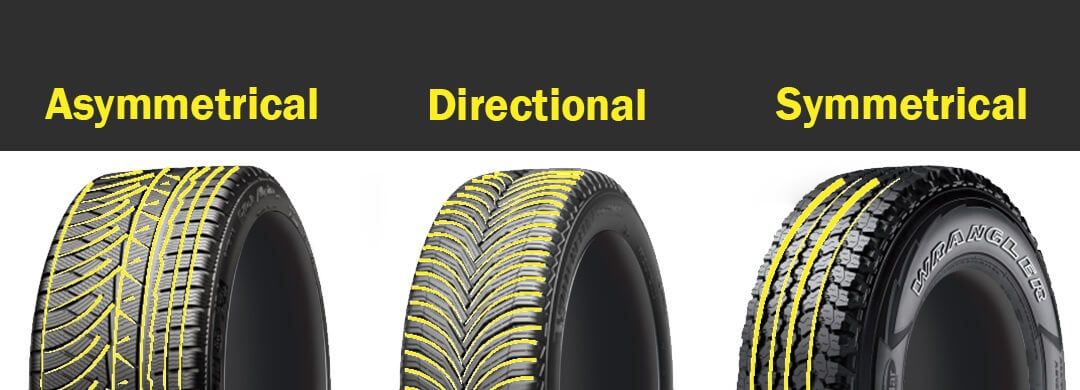
Credit: www.blackcircles.ca
Cost And Availability
Understanding the cost and availability of tires is important. This helps you choose between directional and non-directional tires.
These factors can affect your decision when buying tires for your vehicle.
Price Comparison
Price is a key factor when choosing between directional and non-directional tires. Let’s see how they compare.
| Type of Tire | Average Price Range |
| Directional Tires | $100 – $200 per tire |
| Non-Directional Tires | $80 – $150 per tire |
Market Availability
Availability in the market is essential. It influences how easily you can find and buy the tires you need.
- Directional tires are less common in local stores.
- Non-directional tires are widely available in most tire shops.
- Both types can be found online with varying shipping times.
Choosing The Right Tire
Understanding the difference between directional and non-directional tires is key. Choosing the right tire depends on your vehicle and where you drive.
Directional tires are designed for specific driving tasks. Non-directional tires offer flexibility and ease of use. Let’s explore how to choose the best one for you.
Vehicle Type Considerations
The type of vehicle you own affects tire choice. Sports cars often need directional tires for better grip.
- Sports cars: Often use directional for high speed grip
- SUVs: May benefit from non-directional for off-road versatility
- Sedans: Can use either, depending on driving needs
Driving Habits And Environment
Your driving habits and environment play a big role in tire selection. Consider where and how you drive most often.
| Environment | Recommended Tire |
| Wet Roads | Directional |
| City Driving | Non-Directional |
| Mixed Terrain | Non-Directional |

Credit: www.youtube.com

Credit: www.youtube.com
Frequently Asked Questions
What Are Directional Tires And Their Benefits?
Directional tires have a specific tread pattern designed for one rotation direction. They offer better water evacuation, improved traction, and enhanced handling, especially in wet conditions. These tires help reduce hydroplaning and provide a smoother ride at high speeds.
How Do Non-directional Tires Differ From Directional Ones?
Non-directional tires have symmetrical tread patterns that can rotate in any direction. They offer even wear, longer tread life, and easier rotation. These tires provide balanced performance but may not excel in water dispersion like directional tires.
Can I Switch Between Directional And Non-directional Tires?
Yes, but it depends on your vehicle’s needs and driving conditions. Directional tires are better for performance and wet traction, while non-directional tires suit everyday driving and easy maintenance. Always consult your vehicle manual or tire expert before switching.
Which Tires Are Better For Wet Conditions?
Directional tires are generally better for wet conditions due to their tread design. They efficiently channel water away, reducing hydroplaning risks. Non-directional tires may not perform as well in heavy rain but offer versatility in other driving conditions.
Conclusion
Directional and non-directional tires each serve different needs. Directional tires offer better water drainage and grip on wet roads. Non-directional tires provide easier rotation and longer wear. Choose based on your driving habits and road conditions. Both types improve safety and performance in their own ways.
Understanding the difference helps you pick the right tire. Keep your vehicle balanced and safe by selecting wisely. Tires matter more than you might think. Your choice affects comfort, control, and tire life. Simple knowledge leads to better driving decisions.







