
Choosing the best tires for your SUV isn’t just about looks—it’s about safety, comfort, and getting the most out of every drive. You want tires that handle well in all conditions, last long, and fit your budget.
But with so many options out there, how do you know which ones are right for you? This guide will help you cut through the noise and find tires that match your driving style and needs. Keep reading, and you’ll feel confident making the best choice for your SUV and your peace of mind on the road.
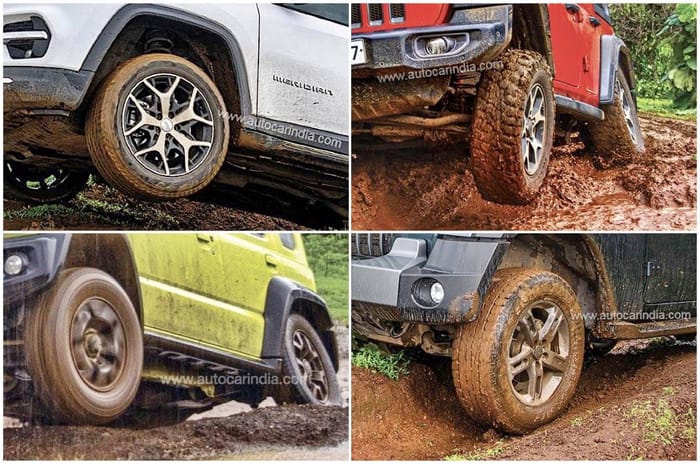
Credit: www.autocarindia.com
Factors Affecting Tire Choice
Choosing the right tires for your SUV is important for safety and performance. Several factors influence which tires will work best for your vehicle. Understanding these factors helps you make a better choice.
This guide covers key points like SUV size, driving conditions, climate, and tire durability. Each factor plays a role in picking tires that fit your needs.
Suv Weight And Size
The weight and size of your SUV affect the tire type you need. Larger and heavier SUVs require tires that support more load. Using tires with the right load rating keeps your vehicle stable and safe.
Tire size must match your SUV’s specifications. Check your vehicle manual or the sidewall of your current tires for the correct size. Using the wrong size can cause poor handling and faster wear.
Driving Conditions
Different roads and driving styles need different tires. You may drive on highways, city streets, or off-road paths. Each condition requires a tire designed for that surface and use.
- Highway driving: Tires with good fuel efficiency and quiet ride
- City driving: Tires with good grip and comfort
- Off-road driving: Tires with strong tread and durability
Climate Considerations
Climate affects tire performance and safety. You should pick tires that suit the weather where you live. For example, cold climates need tires that handle snow and ice well.
| Climate Type | Recommended Tire Type |
| Hot and dry | All-season or summer tires |
| Cold and snowy | Winter tires or all-weather tires |
| Rainy and wet | All-season tires with good water drainage |
Tire Wear And Durability
Tires wear out over time and with use. Durability depends on tire material and design. Choosing tires with good wear ratings saves money and keeps your SUV safe longer.
Tips to extend tire life:
- Keep tires properly inflated
- Rotate tires regularly
- Avoid rough roads when possible
- Check alignment often

Credit: www.reddit.com
Types Of Suv Tires
Choosing the right tires helps your SUV perform well on different roads. Tires differ in design and purpose.
Knowing the types of tires guides you to pick the best fit for your driving needs.
All-season Tires
All-season tires work well in many weather conditions. They offer a smooth ride on highways and city roads.
These tires balance good traction, long tread life, and quiet driving.
All-terrain Tires
All-terrain tires fit well for both on-road and off-road driving. They have stronger sidewalls and deeper treads.
- Good grip on gravel and dirt roads
- Durable for rough surfaces
- Comfortable for daily driving
Mud-terrain Tires
Mud-terrain tires are made for tough off-road use. Their large, deep treads clear mud and loose dirt easily.
| Feature | Benefit |
| Deep tread pattern | Better mud and snow traction |
| Reinforced sidewalls | Protects from sharp rocks |
| Heavy-duty rubber | Increased durability |
Performance Tires
Performance tires improve handling and speed on paved roads. They have softer rubber for better grip.
- Sharper cornering
- Faster braking
- Enhanced road feel
Tire Size And Specifications
Choosing the right tires for your SUV is important for safety and performance. Tires must fit well and meet your vehicle’s needs.
Understanding tire size and specifications helps you pick the best tires. This guide explains key details to check.
Reading Tire Sidewall Codes
Tire sidewalls show important codes about size and type. These codes help you find tires that fit your SUV.
A typical tire code looks like P265/70R17. Each part tells you about the tire’s size and features.
- Pmeans the tire is for passenger vehicles.
- 265is the tire width in millimeters.
- 70is the aspect ratio (height to width).
- Rshows the tire’s radial construction.
- 17is the wheel diameter in inches.
Matching Manufacturer Recommendations
Always check your SUV’s manual for tire size and type. The manufacturer’s choice fits your vehicle best.
Using the recommended tires keeps your SUV safe and improves fuel efficiency. It also helps with good handling.
- Look for tire size listed in the owner’s manual.
- Check the sticker inside the driver’s door.
- Do not mix different tire sizes on one SUV.
Load Index And Speed Ratings
Load index shows how much weight a tire can carry safely. Speed rating tells the maximum safe speed.
Choose tires with load and speed ratings that match or exceed your SUV’s needs. This keeps driving safe.
| Code | Meaning | Example |
|---|---|---|
| Load Index | Weight tire can carry (in pounds or kg) | 100 = 1764 lbs (800 kg) |
| Speed Rating | Maximum speed tire can handle | H = 130 mph (210 km/h) |
Tread Patterns And Their Benefits
Choosing the right tire tread pattern is important for your SUV’s performance. Tread patterns affect grip, noise, and wear. Understanding different types can help you pick the best tires.
Tread designs vary to suit different road and weather conditions. Let’s look at three common tread patterns and their benefits for SUVs.
Symmetrical Tread
Symmetrical tread features the same pattern across the entire tire. This design gives a smooth and quiet ride on highways and city roads.
These tires usually last longer because the tread wears evenly. They are easy to rotate and maintain, making them a popular choice for everyday driving.
Asymmetrical Tread
Asymmetrical tread has different patterns on the inner and outer parts of the tire. The inner side helps with water drainage and wet traction.
The outer side has larger blocks for better cornering and dry road grip. This design improves handling and safety in varied conditions.
- Good wet and dry traction
- Improved cornering stability
- Balanced performance in different weather
- Often used on performance SUVs
Directional Tread
Directional tread patterns point in one direction. They push water away from the tire to reduce hydroplaning risk.
| Benefit | Explanation |
|---|---|
| Wet Road Grip | Channels water quickly for better traction |
| High-Speed Stability | Designed for stable handling at fast speeds |
| Noise Level | May be louder than symmetrical tires |
| Rotation Limits | Rotation only front to back to keep pattern direction |
Safety Features To Look For
Choosing the right tires for your SUV is important for safety. Good tires help you drive better on different roads and weather conditions.
Look for tires with features that improve control, grip, and stopping power. These keep you safe on wet and dry surfaces.
Hydroplaning Resistance
Hydroplaning happens when tires lose contact with the road on wet surfaces. Tires with good hydroplaning resistance keep you in control.
- Deep grooves to channel water away
- Wide tread blocks for better contact
- Sipes that improve water dispersion
Traction Control
Traction control helps tires grip the road on slippery surfaces. Good traction means safer turns and faster acceleration.
| Traction Feature | Benefit |
| All-season tread pattern | Works well in rain, snow, and dry roads |
| Sticky rubber compound | Improves grip on wet and icy roads |
| Multi-directional sipes | Helps maintain traction in various directions |
Braking Performance
Good tires shorten stopping distances and improve brake control. This feature is key to avoid accidents.
Look for these braking features in SUV tires:
- Wide contact patch for better grip during braking
- Special tread designs that reduce skid
- High-quality rubber for quick response

Credit: www.discountedwheelwarehouse.com
Performance Enhancements
Choosing the right tires for your SUV can improve how it performs. This guide helps you focus on key areas to enhance driving experience.
Consider factors like handling, fuel efficiency, and noise when selecting your tires.
Handling And Stability
Handling and stability are crucial for safe driving. The right tires help your SUV grip the road better and respond accurately.
- Look for tires with strong grip patterns.
- Choose tires designed for your typical road conditions.
- Check tire reviews for handling ratings.
Fuel Efficiency
Tires affect how much fuel your SUV uses. Efficient tires save money and reduce emissions.
| Tire Type | Fuel Efficiency |
| All-Season | Moderate |
| Eco-Friendly | High |
| Performance | Low |
Noise Reduction
Noise reduction contributes to a quieter ride. Some tires are designed to reduce road noise for more comfort.
Maintenance Tips For Suv Tires
Taking care of your SUV tires ensures safety and longevity. Proper maintenance can prevent unexpected issues and save money in the long run.
Learn the essential practices to keep your SUV tires in top condition. Follow these steps to enjoy a smoother and safer ride.
Proper Inflation
Keeping your tires properly inflated is crucial for safety and fuel efficiency. Under-inflated tires wear out faster and can cause accidents.
- Check tire pressure monthly using a reliable gauge.
- Inflate tires to the recommended PSI found in your vehicle’s manual.
- Adjust pressure for different loads and weather conditions.
Regular Rotation
Rotating your tires regularly ensures even wear. This practice extends the life of your tires and improves handling.
Alignment And Balancing
Alignment and balancing affect how your SUV handles. Misalignment can lead to uneven tire wear and poor fuel efficiency.
| Service | Recommended Frequency |
| Alignment Check | Once a year or when steering issues arise |
| Balancing | Every tire change or when vibrations occur |
Budgeting For Tires
Choosing tires for your SUV needs careful budgeting. Tires vary in price based on size, brand, and type.
Planning your budget helps you find tires that balance cost and performance. This keeps your SUV safe and efficient.
Cost Vs. Quality
Cheaper tires save money at first but may wear out fast. Expensive tires often use better materials and last longer.
Look for tires that offer good grip, durability, and comfort within your price range. Quality affects safety and ride smoothness.
- Low-cost tires might have shorter tread life
- Mid-range tires usually balance price and quality
- High-end tires provide better performance and durability
Warranty And Lifespan
Tires come with different warranties. These protect you if the tires fail early or wear unevenly.
Check the mileage warranty to understand how long the tires should last. Longer warranties often mean better tire quality.
- Look for mileage warranties from 40,000 to 70,000 miles
- Check if the warranty covers road hazards
- Understand the process to claim warranty repairs or replacements
Where To Buy
You can buy SUV tires from tire shops, auto stores, or online retailers. Each option has pros and cons.
Buying locally lets you get advice and quick installation. Online stores may offer more choices and lower prices.
- Tire shops provide expert help and fitting services
- Auto stores let you see tires before buying
- Online retailers offer wide selections and deals
- Check reviews and return policies before buying
Frequently Asked Questions
What Factors Should I Consider When Choosing Suv Tires?
Consider tire size, tread type, weather conditions, and driving habits. Also, check load capacity and speed rating for safety and performance.
How Do All-terrain Tires Benefit Suv Owners?
All-terrain tires offer versatility for both on-road and off-road driving. They provide better traction, durability, and improved handling on varied surfaces.
When Should I Choose Winter Tires For My Suv?
Choose winter tires if you drive in snow, ice, or freezing rain. They enhance grip, braking, and safety in cold weather conditions.
How Important Is Tire Size For Suv Performance?
Tire size affects handling, fuel efficiency, and ride comfort. Always match tires to your SUV’s manufacturer recommendations for optimal performance.
Conclusion
Choosing the right tires makes your SUV safer and more comfortable. Consider your driving needs, road types, and weather conditions. Check tire size and tread pattern for better grip. Don’t forget about durability and fuel efficiency. Regular tire care helps them last longer.
Good tires improve handling and save money in the long run. Take time to compare options before deciding. Your SUV deserves the best tires for smooth rides ahead.







