
Have you ever found yourself stuck on the side of the road, ready to change a flat tire, only to discover your spare tire is flat too? It’s a frustrating and dangerous situation that many drivers overlook.
Checking your spare tire’s air pressure might seem like a small task, but it can save you from unexpected trouble and keep you safe. You’ll learn why maintaining the right air pressure in your spare tire is crucial and how a simple check can make all the difference when you need it most.
Keep reading to protect yourself and your loved ones on every drive.
Why Spare Tire Pressure Matters
Spare tires are important parts of your vehicle. They help you when a regular tire gets flat. But the spare tire must have the right air pressure.
Checking spare tire pressure keeps it ready to use. It helps avoid problems during emergencies.
Impact On Vehicle Safety
A properly inflated spare tire keeps your car safe. Low air pressure can cause poor handling and longer stopping distance. It also risks tire blowouts while driving.
- Maintains vehicle control on the road
- Prevents sudden tire failure
- Supports the weight of the vehicle
- Ensures safe driving during tire replacement
Consequences Of Neglecting Spare Tire Pressure
Ignoring spare tire pressure can cause serious trouble. A flat or weak spare tire leaves you stranded. It can also increase repair costs and cause accidents.
| Issue | Effect |
| Low spare tire pressure | Tire fails when needed |
| Flat spare tire | No backup in emergencies |
| Damaged tire from neglect | Higher repair costs |
| Unsafe driving conditions | Increased accident risk |
Credit: www.atlantictireonline.com
How Often To Check Spare Tire Pressure
Checking the air pressure in your spare tire is very important. A spare tire with low pressure may not work well in an emergency.
Many people forget to check their spare tire. This can cause trouble if you need it on the road.
Recommended Frequency
It is best to check your spare tire pressure at least once a month. This keeps the tire ready for use anytime.
Also, check the pressure before long trips. This helps avoid surprises on the road.
- Check spare tire pressure monthly
- Always check before a long trip
- Check when you check your other tires
Seasonal Considerations
Changes in weather can affect tire pressure. Cold air causes pressure to drop, and hot air makes it rise.
Check your spare tire more often during winter and summer. This keeps the pressure at the right level.
- Check more often in cold winter months
- Check after hot summer days
- Adjust pressure if needed according to weather
Tools For Measuring Tire Pressure
Checking your spare tire air pressure is important for safety and tire health. You need the right tools to measure it correctly.
There are different types of tire pressure gauges. Each has its own way to show the pressure reading.
Types Of Tire Pressure Gauges
Tire pressure gauges come in several types. Choosing the right one helps you get accurate readings.
- Stick Gauge:A simple, small tool with a sliding scale to show pressure.
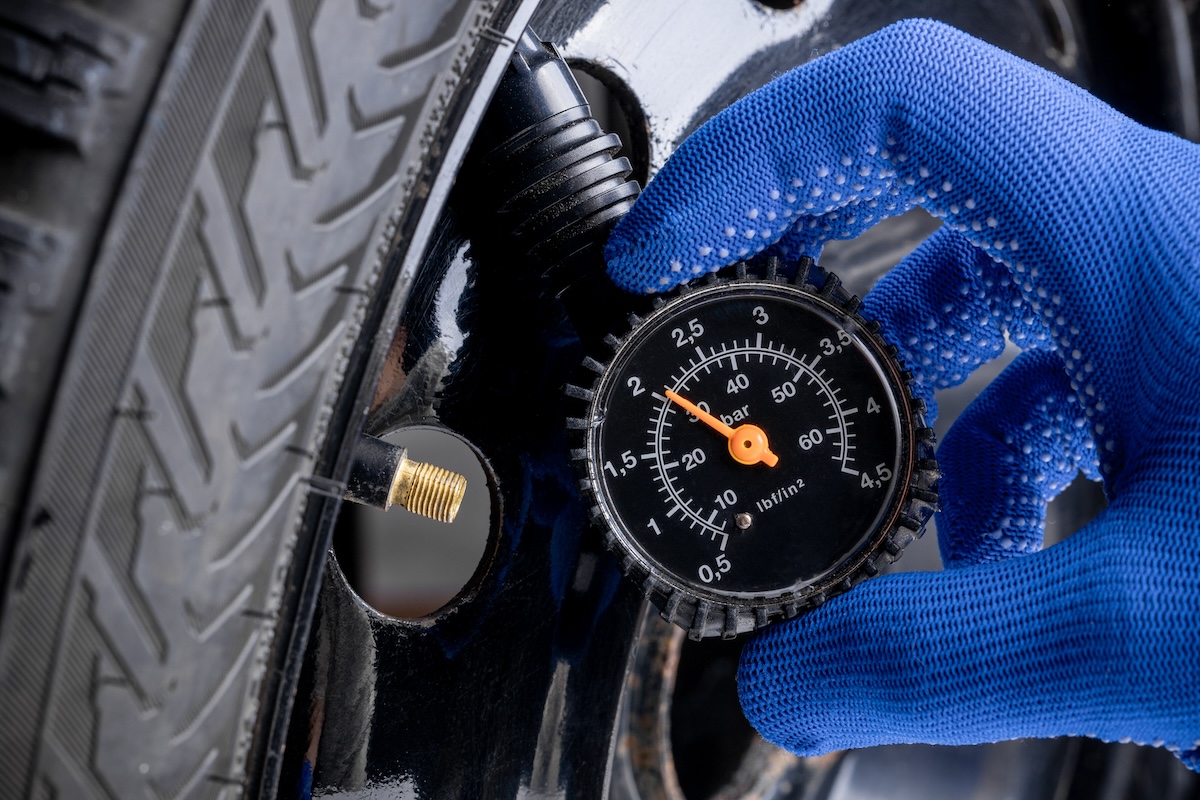
- Dial Gauge:Uses a round dial with a needle to display the pressure.
- Digital Gauge:Shows the pressure on a digital screen for easy reading.
Using A Tire Pressure Gauge Correctly
Follow these steps to use a tire pressure gauge the right way. This ensures you get a good reading and keep your tire safe.
- Remove the valve cap from the tire’s valve stem.
- Press the gauge onto the valve stem firmly to avoid air leaks.
- Read the pressure shown on the gauge quickly.
- Compare the reading to the recommended tire pressure for your vehicle.
- Replace the valve cap securely after checking.
Steps To Inflate Your Spare Tire
Checking and inflating your spare tire is important for your safety. A properly inflated spare can help you in emergencies.
Follow simple steps to find and inflate your spare tire correctly. This guide will help you prepare your spare tire for use.
Locating The Spare Tire
Most spare tires are stored under the trunk or beneath the vehicle. Some cars keep them inside the trunk, under the floor mat.
- Check the trunk area for a cover or panel.
- Look under the back of the vehicle for a tire mounted below.
- Refer to your car manual to find the exact location.
- Use the proper tools to release the spare if it is secured tightly.
Proper Inflation Techniques
Inflating your spare tire to the right pressure keeps it ready for use. Too low or too high pressure can be dangerous.
| Step | Action | Tip |
| 1 | Find the recommended pressure on the tire or in your manual. | Usually higher than regular tires. |
| 2 | Use a tire pressure gauge to check current pressure. | Check before adding air. |
| 3 | Use an air compressor to add air slowly. | Stop and check pressure often. |
| 4 | Do not overinflate; release air if needed. | Match the recommended PSI. |
| 5 | Replace the valve cap tightly after inflation. | Prevents air leaks. |
Signs Of A Faulty Spare Tire
Your spare tire is crucial for emergencies. Regular checks ensure it is in good condition. A faulty spare tire can leave you stranded.
Understanding signs of a faulty spare tire helps you avoid unexpected issues. Let’s explore how to inspect your spare tire.
Visual Inspection Tips
Inspecting your spare tire visually is essential. Look for obvious signs of wear or damage. Check the tire’s surface carefully.
Keep an eye out for any unusual signs. Even small issues can become big problems later.
- Check for cracks on the tire surface
- Look for bulges or bubbles
- Ensure the tread is not worn down
Common Tire Damage Indicators
Recognizing common tire damage indicators helps you maintain tire safety. Pay attention to specific damage signs.
Understanding these indicators can prevent accidents. Keep your spare tire in top condition.
- Punctures or cuts on the tire
- Uneven tread wear
- Visible tire cord or fabric

Credit: www.carhub.ca
Safety Tips For Spare Tire Maintenance
Keeping your spare tire in good condition is important. It ensures safety when you need it most. Regular checks and proper storage can make a big difference.
Here are some key tips to help you maintain your spare tire. They focus on regular inspections and proper storage.
Regular Inspections
Checking your spare tire regularly is crucial. It helps you spot issues before they become big problems.
- Check air pressure monthly. Proper pressure keeps the tire ready for use.
- Look for any visible damage. Cracks or cuts can make the tire unsafe.
- Ensure the tread is not too worn. Good tread provides better grip on the road.
Storing Tires Properly
Proper storage can extend the life of your spare tire. It keeps the tire in good shape until you need it.
- Keep the tire off the ground to prevent moisture damage.
- Use a cover to protect it from dust and dirt.
- Check the tire’s condition every few months, even if not in use.
Benefits Of Maintaining Proper Spare Tire Pressure
Keeping your spare tire at the right air pressure is very important. It ensures your spare is ready to use when needed.
Regularly checking the spare tire pressure helps avoid problems during emergencies. It also supports your vehicle’s overall performance.
Enhanced Emergency Preparedness
A properly inflated spare tire can save you time and stress during a flat tire situation. It allows you to drive safely to a repair shop.
- Ensures immediate use without delay
- Reduces risk of tire failure on the road
- Improves safety while driving on the spare
- Prevents being stranded in unsafe locations
- Gives peace of mind on long trips
Improved Vehicle Performance
Spare tires with correct air pressure help maintain balanced vehicle handling. Under-inflated spares may cause uneven weight distribution.
| Effect | Proper Pressure | Low Pressure |
| Vehicle Stability | High | Low |
| Fuel Efficiency | Better | Worse |
| Tire Wear | Even | Uneven |
| Safety | Increased | Decreased |

Credit: autos.yahoo.com
Frequently Asked Questions
Why Is Checking Spare Tire Pressure Important?
Checking spare tire pressure ensures it is ready for use during emergencies. Proper pressure prevents flat tires and maintains safe driving conditions. Neglecting it can lead to unexpected tire failure when needed most.
How Often Should I Check My Spare Tire Pressure?
It is best to check spare tire pressure monthly. Regular checks help maintain optimal inflation and prevent slow leaks. Consistent monitoring ensures your spare tire is reliable when required.
What Happens If My Spare Tire Is Underinflated?
An underinflated spare tire can cause poor handling and unsafe driving. It may also lead to tire damage or blowouts during use. Proper inflation ensures the spare tire performs safely and effectively.
Can A Spare Tire Lose Pressure Over Time?
Yes, spare tires naturally lose air pressure over time. Temperature changes and aging cause gradual deflation. Regular pressure checks are necessary to keep the spare tire functional.
Conclusion
Checking your spare tire’s air pressure keeps you safe on the road. A well-inflated spare is ready when you need it most. Low pressure can cause delays and extra repair costs. Regular checks help avoid surprises during emergencies. Take a few minutes monthly to inspect your spare tire.
This small step protects you and your passengers. Don’t wait for a flat tire to notice the problem. Stay prepared and drive with peace of mind.







